
For decades, the prevailing narrative surrounding Los Angeles was that it was a city strictly tethered to the automobile. While the sprawling metropolis is famous for its intricate web of freeways, the reality of navigating the region has evolved significantly. To answer the question directly: yes, there is a comprehensive Metro system in Los Angeles, and it has become an indispensable tool for residents and visitors alike. Operated by the Los Angeles County Metropolitan Transportation Authority, the system offers a viable, cost-effective, and increasingly efficient way to traverse the city without the stress of gridlock traffic.
Understanding the Metro Rail Network
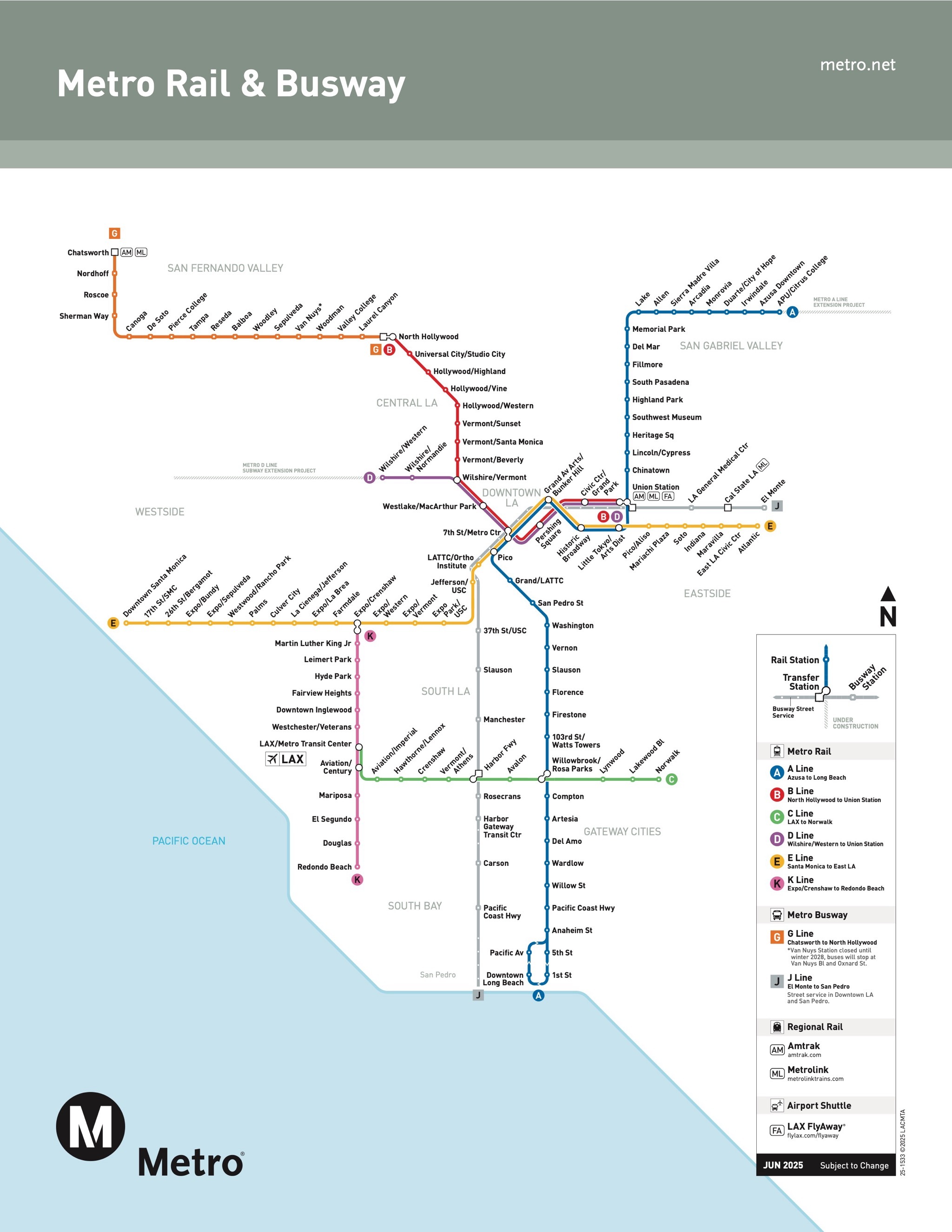
The backbone of public transit in Southern California consists of a sophisticated network of six rail lines—two heavy rail subway lines and four light rail lines—that connect key hubs across the county. Understanding how these lines interact is the key to mastering the city’s geography.
The Heavy Rail Lines
The heavy rail lines serve as the heart of the system, designed to move high volumes of passengers through the most congested corridors. The B Line (formerly the Red Line) connects Union Station in Downtown Los Angeles to North Hollywood, passing through essential cultural hubs like Hollywood and Universal City. It is perhaps the most useful line for tourists, as it bridges the gap between the historic city center and the iconic film districts. The D Line (formerly the Purple Line) currently runs from Union Station to Koreatown, with major extensions currently under construction to reach Beverly Hills and Westwood.
The Light Rail System
Complementing the subways are the light rail lines, which operate at street level in some areas and on dedicated rights-of-way in others. The A Line (formerly the Blue and Expo Lines) is a feat of urban connectivity, stretching from Azusa all the way to Long Beach, passing through Little Tokyo, Historic Filipinotown, and the University of Southern California. The E Line is particularly popular for those looking to reach the coast, as it provides a direct link from Santa Monica to the heart of the city. Rounding out the network are the C Line, which serves the South Bay and LAX, and the K Line, a newer addition serving the Crenshaw corridor.
Navigating the City Without a Car
The decision to ditch the rental car in favor of public transit is becoming increasingly popular, especially for travelers visiting Los Angeles for a long weekend or an extended cultural deep dive. When you utilize the Metro, you bypass the infamous parking scarcity of neighborhoods like Echo Park and the expensive daily rates of downtown hotels.
Planning Your Journey
The most effective way to navigate the system is through the TAP card system. A TAP card is a re-loadable plastic card used to pay fares across all Los Angeles transit agencies. Whether you are hopping on a bus or transferring from the A Line to the B Line, the payment process is unified and seamless. Digital versions of the card are also available via mobile apps, allowing for contactless payment at turnstiles.
Strategic Neighborhood Exploration
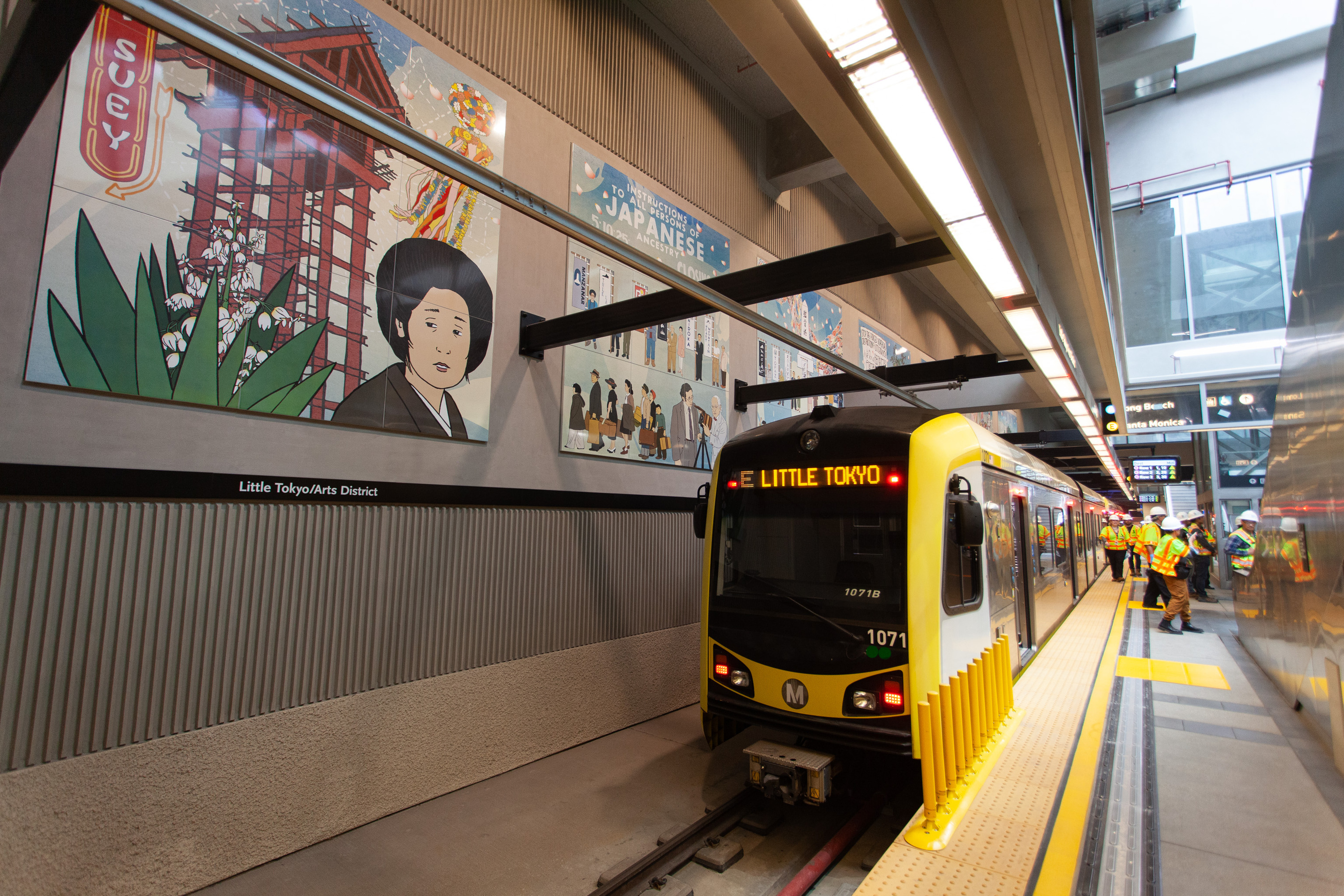
Using the Metro allows for a more authentic, neighborhood-based experience. By riding the rails, you can explore the vibrant murals of the Arts District, the culinary diversity of Chinatown, and the mid-century architecture found along the Wilshire Corridor. Because the trains run on dedicated tracks, you are largely insulated from the unpredictable surface traffic that often plagues Interstate 405 or the 101 Freeway.
Future Developments and Expansion
The Los Angeles Metro is far from a finished project. The city is currently undergoing one of the most ambitious transit expansion programs in the United States. With the upcoming 2028 Summer Olympics on the horizon, the city is accelerating timelines for several major projects.
The Purple Line Extension
Perhaps the most anticipated infrastructure project is the ongoing expansion of the D Line. Once completed, this line will serve as a high-capacity artery connecting the dense employment hubs of the Westside with the cultural and business centers of the city core. This will be a game-changer for commuters who currently spend hours each day in their vehicles along Wilshire Boulevard.
Connecting to the Airport
One of the most frequent complaints regarding transit in Los Angeles has been the lack of direct rail access to Los Angeles International Airport. The LAX/Metro Transit Center and the automated people mover system are currently in the final stages of integration. These projects represent a significant leap forward in ensuring that visitors can step off a plane and transition directly onto the regional rail network, marking a turning point in the city’s accessibility.

Tips for a Seamless Transit Experience
While the system is robust, successful navigation requires a bit of local know-how. First, always be aware of the “off-peak” versus “peak” times. While the Metro generally runs reliably, the frequency of trains increases during morning and evening rush hours, making these the ideal times for quick transfers.
Second, consider the integration of bus lines. The Metro Bus network is just as extensive as the rail system. By using an app to map your route, you can often find a “last mile” bus connection that drops you directly at the door of your destination, whether it is a quiet park in Silver Lake or a busy studio lot in Burbank.
Finally, stay informed through official channels. The LA Metro website and mobile applications offer real-time tracking, service alerts, and trip planners that account for planned maintenance or temporary route changes. By treating the Metro as a primary mode of transit rather than a backup plan, travelers often find that they see more of the city’s hidden gems than those confined to their cars. Los Angeles is a vast, diverse, and complex city, and the Metro serves as the vital thread that stitches these distinct neighborhoods together into a singular, interconnected urban experience.
LifeOutOfTheBox is a participant in the Amazon Services LLC Associates Program, an affiliate advertising program designed to provide a means for sites to earn advertising fees by advertising and linking to Amazon.com. Amazon, the Amazon logo, AmazonSupply, and the AmazonSupply logo are trademarks of Amazon.com, Inc. or its affiliates. As an Amazon Associate we earn affiliate commissions from qualifying purchases.