
The Allure of Ancient Structures in Unexpected Places
The very notion of a pyramid evokes images of ancient civilizations, sun-drenched deserts, or lush Mesoamerican jungles. From the colossal Giza Pyramids of Ancient Egypt, standing as monumental testaments to pharaonic power and ingenuity, to the intricately carved Mayan pyramids hidden within the verdant landscapes of Mexico and Central America, these structures are globally recognized as peak architectural achievements of their respective eras. They are more than just buildings; they are riddles etched in stone, symbols of advanced knowledge, spiritual beliefs, and sophisticated engineering that continue to captivate historians, archaeologists, and the general public alike.
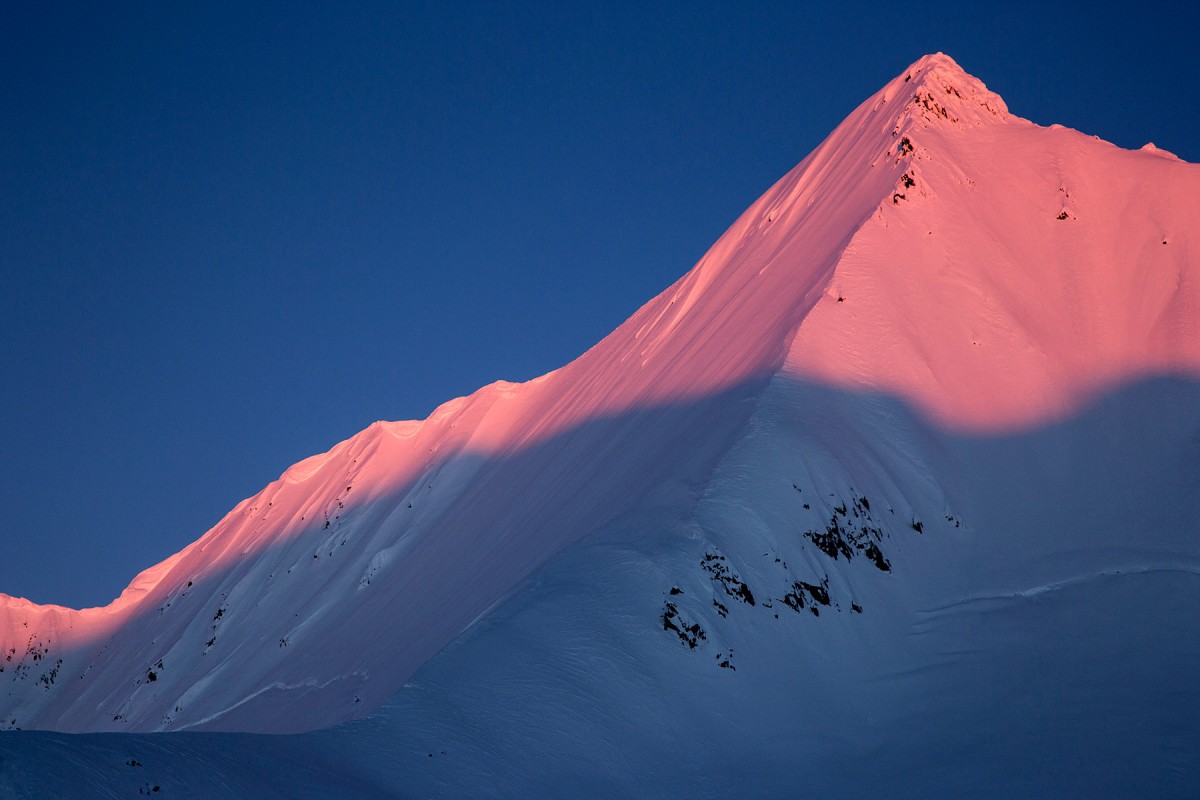
Given this universal fascination, it’s perhaps unsurprising that whispers and theories often emerge about the existence of similar structures in less conventional locations. The idea of an ancient, colossal pyramid lying hidden beneath the permafrost or shrouded by the rugged wilderness of Alaska taps into a deep human curiosity about lost histories and uncharted mysteries. Alaska, a land of vast, untamed beauty, extreme conditions, and geological dynamism, seems ripe for such speculative narratives. Its immense, largely unexplored territories, coupled with its profound indigenous history, create a compelling backdrop for tales of hidden wonders. This inherent mystique fuels questions about what extraordinary landmarks might truly exist, or once existed, within its enigmatic borders, driving the persistent query: could there truly be a pyramid in Alaska?
Unpacking the “Pyramid” Myth in the Great North
When we delve into the question of a pyramid in Alaska, we quickly encounter a fascinating blend of natural phenomena, local folklore, and widespread conspiracy theories. Scientifically and archaeologically, there is no credible evidence to suggest the existence of ancient, man-made pyramidal structures in Alaska comparable to those found in Egypt or Mesoamerica. The indigenous peoples of Alaska, including the Inupiat, Yup’ik, Athabascan, Tlingit, and Haida, developed rich cultures and complex societies, but their architectural traditions focused on practical, climate-adapted structures like sod houses, longhouses, and semi-subterranean dwellings, not monumental stone pyramids.
Natural Formations vs. Man-Made Structures
However, the Alaskan landscape is replete with natural formations that, viewed from certain angles or in specific lighting conditions, can strikingly resemble pyramids. Alaska is dominated by majestic mountain ranges, including the Alaska Range, the Chugach Mountains, and the Brooks Range. Many peaks within these ranges, particularly those sculpted by glacial erosion, exhibit sharp, symmetrical facets that culminate in a point, mimicking the classic pyramidal form. These are often referred to as “horn peaks” or “pyramidal peaks” in geology. The forces of glaciation, frost weathering, and tectonic uplift work over millennia to carve out these dramatic shapes. For instance, some of the peaks within Denali National Park or the Wrangell-St. Elias National Park and Preserve can certainly evoke the image of a pyramid, albeit on a far grander, natural scale.
These natural “pyramids” are spectacular landmarks in their own right, showcasing the raw power of geological processes. They are often incredibly remote, adding to their mystique and reinforcing the perception of undiscovered wonders. It’s crucial to differentiate between these naturally occurring, awe-inspiring geological formations and the concept of a sophisticated, man-made pyramid. While both evoke a sense of wonder, their origins and implications for ancient civilizations are entirely distinct.
The “Dark Pyramid” or “Black Pyramid” Rumors
Beyond the natural geological features, the most persistent and well-known “pyramid in Alaska” narrative centers around a specific conspiracy theory: the existence of a “Dark Pyramid” or “Black Pyramid.” This urban legend gained significant traction in the early 21st century, often circulated on obscure internet forums and alternative history websites. The theory posits the existence of an immense, perfectly formed pyramid, not visible on the surface, but supposedly detected through advanced aerial surveys, specifically in the vicinity of Mount Hayes in the Alaska Range.

Proponents of this theory claim that this “Black Pyramid” is not merely an ancient structure but a highly advanced, possibly extraterrestrial or Atlantean facility, generating immense energy or serving as a clandestine military base. The legend often ties into other conspiracy theories, such as secret government projects, UFO sightings, and alleged hidden ancient technologies. Some versions even suggest it’s a massive power source causing electromagnetic anomalies in the region. The remoteness of Mount Hayes, combined with its harsh climatic conditions and restricted access (due to military training areas nearby), provides fertile ground for such unsubstantiated claims to flourish.
Despite the intriguing nature of these rumors, there is no verifiable scientific or photographic evidence to support the existence of such a structure. Geologists and seismologists who have studied the Alaska Range extensively have found no anomalies consistent with a colossal, hidden pyramid. The seismic data, geological surveys, and satellite imagery available to the public and scientific community uniformly indicate natural geological formations beneath the surface. The “Dark Pyramid” remains firmly in the realm of speculative fiction and urban legend, a testament to humanity’s desire to uncover secrets in the planet’s wildest corners. It functions as a modern myth, a story reflecting our fascination with the unknown, rather than an actual landmark.
The Geopolitical and Historical Context of Alaskan Landmarks
While ancient man-made pyramids are absent from Alaska’s known historical record, the state is incredibly rich in other types of landmarks, shaped by its unique geography, formidable climate, and vibrant cultural history. Alaska’s strategic location, its vast natural resources, and its indigenous heritage define the true landmarks that beckon explorers and historians alike.
Alaska boasts some of the world’s most impressive natural landmarks. Towering over the landscape, Denali (formerly Mount McKinley), the highest peak in North America, is an iconic symbol of the state’s grandeur. Its sheer scale and the challenges it presents to mountaineers make it a globally recognized natural wonder. Glaciers are another defining feature, with the magnificent Mendenhall Glacier near Juneau offering accessible views of dynamic ice formations, and vast icefields like the Malaspina Glacier showcasing the immense power of moving ice.
The coastal areas are equally dramatic, exemplified by Kenai Fjords National Park, where tidewater glaciers calve into the ocean, carving out deep fjords and creating a breathtaking marine ecosystem. The Yukon River, one of the longest rivers in North America, is a historical landmark, serving as a vital artery for indigenous communities and later for gold rush prospectors. These natural landmarks are not only visually stunning but also embody the ecological and geological processes that have shaped the continent for millions of years.
Beyond the natural world, Alaska’s history offers a distinct set of cultural and historical landmarks. Sitka National Historical Park preserves the site of a battle between Russian traders and the Tlingit people, featuring totem poles and a rich interpretive history. The Klondike Gold Rush National Historical Park in Skagway tells the story of the challenging journey thousands undertook in pursuit of gold, with preserved historic buildings and trails. The Iditarod National Historic Trail, an ancient aboriginal trail system that became a supply route and later the course for the famous sled dog race, represents a living landmark of endurance and connection to the land.
These sites are genuine landmarks that offer tangible connections to Alaska’s past and present. They represent human endeavor, cultural resilience, and the relentless beauty of nature, providing far more concrete and enriching experiences than any fictional “pyramid.” The absence of ancient megalithic architecture in Alaska is consistent with archaeological understanding of the migratory patterns and technological capabilities of early human inhabitants of North America, who crossed the Bering Land Bridge thousands of years ago. Their focus was on survival in a challenging environment, developing tools and structures suited to nomadic or semi-nomadic lifestyles, rather than monumental, permanent architecture.

Architectural Marvels and Modern Interpretations
While Alaska does not host ancient pyramids, its modern architectural landscape occasionally features structures that draw inspiration from geometric forms, though none truly replicate the grandeur of ancient pyramids. Modern buildings in Alaska are predominantly designed with functionality, energy efficiency, and resilience to extreme weather in mind. They reflect a pragmatic approach to construction in a harsh environment, using materials and techniques that ensure survival and comfort against fierce winds, heavy snows, and seismic activity.
For instance, the University of Alaska Museum of the North in Fairbanks features a striking, angular design inspired by glaciers and mountain peaks, creating a landmark that is both visually arresting and culturally resonant. Its architecture evokes the natural landscape without literally imitating an ancient form. Similarly, some modern public buildings or even private residences might incorporate steeply pitched roofs or angular facades that offer a subtle nod to pyramidal geometry, primarily for snow shedding or aesthetic appeal, but these are functional contemporary designs rather than a rediscovery of ancient megalithic principles.
Ultimately, the true architectural marvels of Alaska are its natural formations. The dramatic peaks, immense glaciers, and rugged coastlines serve as Earth’s own monumental architecture, sculpted by forces far grander than any human hand. These natural landmarks, whether the symmetrical ‘horn peaks’ that mimic pyramids or the vast, undulating ice fields, inspire a sense of awe and wonder that no hidden structure could truly surpass. The unique allure of Alaska lies not in mythical structures, but in its unparalleled wilderness, its rich indigenous heritage, and its undeniable capacity to challenge and inspire. The notion of a pyramid in Alaska persists as an engaging myth, but the reality of its extraordinary natural and historical landmarks offers a far more profound and tangible experience for those who seek to understand this magnificent corner of the United States.
LifeOutOfTheBox is a participant in the Amazon Services LLC Associates Program, an affiliate advertising program designed to provide a means for sites to earn advertising fees by advertising and linking to Amazon.com. Amazon, the Amazon logo, AmazonSupply, and the AmazonSupply logo are trademarks of Amazon.com, Inc. or its affiliates. As an Amazon Associate we earn affiliate commissions from qualifying purchases.