
Navigating the financial landscape of any travel destination is a crucial part of planning a trip, and for many, understanding sales tax is a key component. When considering a visit to the Silver State, a question that frequently arises is: “Is there a sales tax in Nevada?” The straightforward answer is yes, Nevada does impose a sales and use tax. However, the reality of this tax is nuanced, with varying rates and specific considerations for different types of purchases and locations. This guide aims to demystify Nevada’s sales tax structure, offering insights that will help travelers budget more effectively and make informed purchasing decisions across the state.
Understanding Nevada’s Sales and Use Tax Framework
Nevada’s sales and use tax system is a significant source of revenue for the state and its local governments. It applies to the retail sale of tangible personal property and certain taxable services. The fundamental principle is that tax is collected by the seller at the point of sale, or if tax was not collected, the purchaser is responsible for remitting “use tax” directly to the state. This dual system ensures that even if a purchase is made outside Nevada but consumed within the state, the appropriate tax is ultimately paid.
State vs. Local Tax Rates
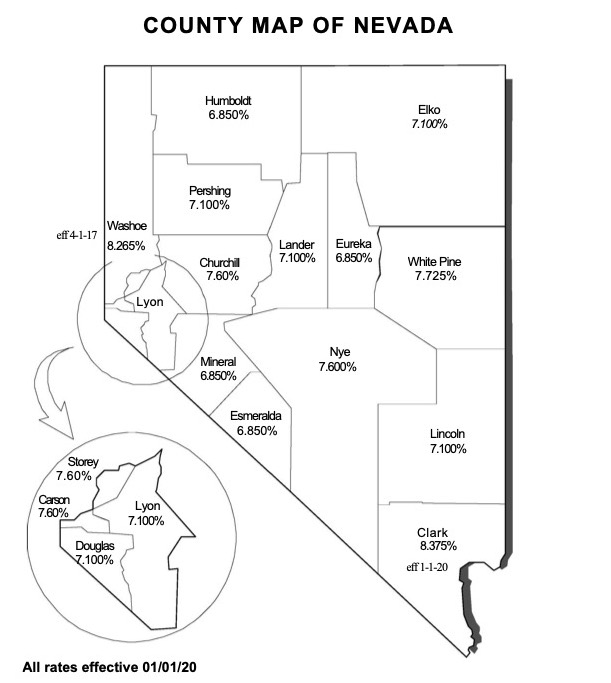
The sales tax rate in Nevada is not a single, uniform figure. Instead, it’s a composite of a state tax rate and a local tax rate, which can vary considerably from one county and city to another. The state legislature sets the base state tax rate, but counties are empowered to levy additional local taxes, subject to certain limitations and voter approval.
The State Component
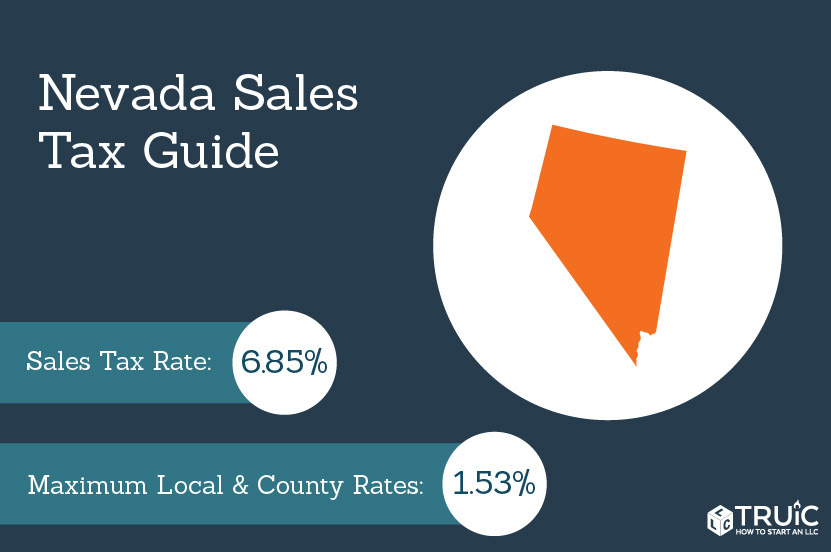
The state portion of Nevada’s sales tax is a foundational element that applies statewide. This rate is subject to legislative changes, but it provides a baseline for tax calculations across the state.
Local Levies and Distinctions
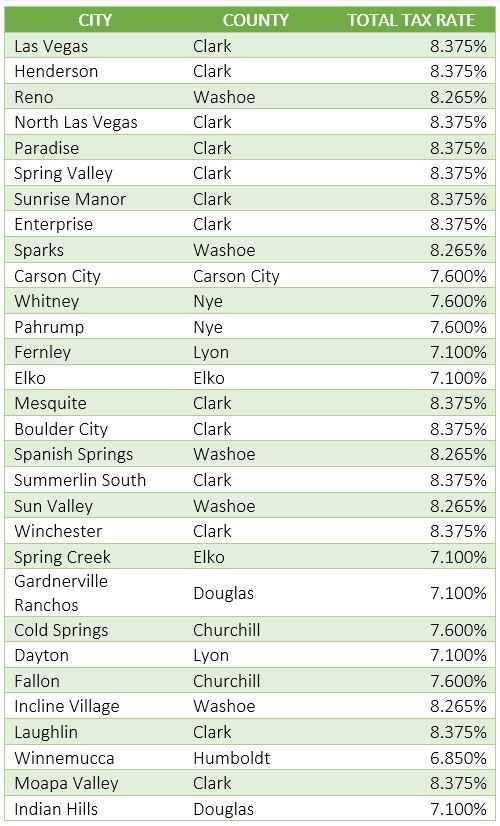
It is the local levies that create the significant variations in the overall sales tax rate. Counties can enact various local taxes, including county-wide taxes and district taxes, often tied to specific infrastructure projects or public services. For instance, a county might have a voter-approved tax to fund transportation improvements, which is added to the base state and county rate. This means that a purchase made in Las Vegas might be subject to a different total tax rate than a purchase made in Reno or a more rural town.
The Department of Taxation in Nevada publishes the official tax rates for all jurisdictions, which are updated periodically. It is advisable for travelers to consult these official sources or local signage when making significant purchases to understand the precise rate applicable to their transaction. These local taxes can significantly impact the final price of goods and services, from souvenirs to dining expenses.
What is Taxable in Nevada?
Generally, Nevada’s sales tax applies to most tangible personal property sold at retail. This includes items like clothing, electronics, furniture, and vehicles. Additionally, a growing list of services has become taxable over the years, reflecting a broader tax base.
Tangible Personal Property
The most common application of sales tax is on tangible personal property – items you can physically touch and move. When you purchase a souvenir from a shop on the Las Vegas Strip, a new set of golf clubs in Henderson, or groceries in Carson City, sales tax will typically be added to the purchase price. The rate applied will be the combined state and local rate for the specific jurisdiction where the sale occurs.
Taxable Services
Beyond physical goods, Nevada has expanded its tax base to include a variety of services. This can include:
- Admissions and Entertainment: Fees for entering amusement parks, concerts, sporting events, and other entertainment venues are often subject to sales tax. This is particularly relevant for tourists visiting popular attractions.
- Repairs and Maintenance: Services performed on tangible personal property, such as auto repair or appliance repair, are generally taxable.
- Certain Professional Services: While the scope can be complex, some professional services, including those related to real property or certain business services, may also be subject to sales tax.
- Digital Goods and Software: The taxation of digital goods and software has evolved, and many forms of electronically delivered software and digital content are now taxable.
It’s important to note that not all services are taxed. Essential services like basic utilities (water, electricity) for residential use are typically exempt, as are many professional services deemed non-commercial.
Exemptions and Non-Taxable Items
Nevada provides specific exemptions to its sales tax to encourage certain economic activities or to provide relief to specific groups.
Food and Food Products
A significant exemption exists for “food and food products” intended for home consumption. This means that most groceries purchased at supermarkets, such as fruits, vegetables, meats, dairy products, and bread, are not subject to sales tax. However, this exemption typically does not extend to prepared foods or “hot foods” sold by restaurants, delis, or convenience stores, which are considered ready for immediate consumption and are thus taxable. Vending machine sales of certain food items may also be treated differently.
Prescription Medications and Medical Devices
Like most states, Nevada exempts prescription medications from sales tax. Over-the-counter drugs and medical devices may have varying taxability depending on their specific classification.
Certain Business-to-Business Transactions
Some business-to-business transactions, such as the purchase of raw materials for manufacturing or items intended for resale, may be exempt from sales tax under specific conditions. These exemptions are often complex and require proper documentation.
Sales to the United States Government and Indian Tribes
Sales made directly to the United States Government or to federally recognized Indian tribes on their reservations are generally exempt from Nevada sales tax.
Impact on Travelers and How to Prepare
Understanding Nevada’s sales tax is particularly important for visitors, as it can add a significant percentage to the cost of goods and services. This knowledge can influence budgeting, purchasing decisions, and even itinerary planning.
Budgeting for Purchases
When planning your budget for a trip to Nevada, it’s wise to factor in the sales tax for anticipated purchases. For example, if you plan to buy new electronics, clothing, or souvenirs, you should add the relevant local sales tax rate to the sticker price to estimate the final cost. This is especially true for larger purchases or when staying in areas with higher combined tax rates, such as parts of Clark County, which includes Las Vegas.
Accommodation and Dining
While hotels and resorts are subject to lodging taxes, the sales tax on items purchased within them (like meals at restaurants or items from gift shops) applies as usual. Dining out, especially in tourist-centric areas, means that the listed price of your meal will be increased by the sales tax, and often a service charge or gratuity might be added as well.
Entertainment and Attractions
Tickets to shows on the Las Vegas Strip, entry fees to attractions like Hoover Dam, or casino resort experiences will also have sales tax applied, either directly to the ticket price or as part of the overall service. Always check the final price presented to you.
Purchasing Strategies
Being aware of sales tax can influence where and how you choose to spend your money.
Comparison Shopping
For significant purchases, comparing prices and tax rates across different locations within Nevada can yield savings. While the state tax is constant, local rates can differ. If a large purchase is planned, researching the tax rates in neighboring towns or unincorporated areas might be worthwhile.
Online vs. In-State Purchases
Nevada has a use tax that applies to goods purchased out-of-state for use within Nevada. If you buy an item online from a retailer that does not collect Nevada sales tax, you are legally obligated to remit the use tax to the state. This is intended to level the playing field between online and brick-and-mortar retailers. For travelers, this means that if you purchase items online before or during your trip for use in Nevada, you should be aware of your use tax obligation. However, for immediate needs and impulse buys during your trip, in-state purchases will have the tax calculated at the point of sale.
Utilizing Tax-Free Shopping Programs
While not common for general consumer goods in Nevada, some states offer tax-free shopping days or specific exemptions for certain items (like back-to-school supplies). Nevada does not have widespread tax-free shopping events for tourists, so it’s best to assume all applicable purchases will be taxed.
Conclusion: A Tax-Aware Traveler is a Savvy Traveler
In conclusion, the answer to “Is There A Sales Tax In Nevada?” is unequivocally yes. However, the complexity lies in the varying rates and the specific items and services that are subject to taxation. Nevada’s sales and use tax is a dynamic system that impacts both residents and visitors. By understanding the state and local tax components, identifying taxable goods and services, and being aware of potential exemptions, travelers can effectively budget for their trip, make informed purchasing decisions, and avoid any unexpected financial surprises. A little preparation and awareness regarding Nevada’s sales tax will undoubtedly contribute to a smoother and more enjoyable travel experience in the Silver State.
LifeOutOfTheBox is a participant in the Amazon Services LLC Associates Program, an affiliate advertising program designed to provide a means for sites to earn advertising fees by advertising and linking to Amazon.com. Amazon, the Amazon logo, AmazonSupply, and the AmazonSupply logo are trademarks of Amazon.com, Inc. or its affiliates. As an Amazon Associate we earn affiliate commissions from qualifying purchases.