
The question of whether Los Angeles has a subway is one that often sparks curiosity, especially for visitors accustomed to the extensive underground rail networks of cities like New York or London. For decades, Los Angeles has been synonymous with the automobile, its sprawling landscape seemingly built for cars and highways. However, this perception is rapidly evolving. The reality is that Los Angeles does indeed have a subway system, and it’s a growing and increasingly vital component of its public transportation infrastructure. While it might not yet rival the sheer scale of some older, more established metropolises, the Metro Rail system is a testament to the city’s commitment to enhancing connectivity and sustainability.
Understanding the Metro Rail System
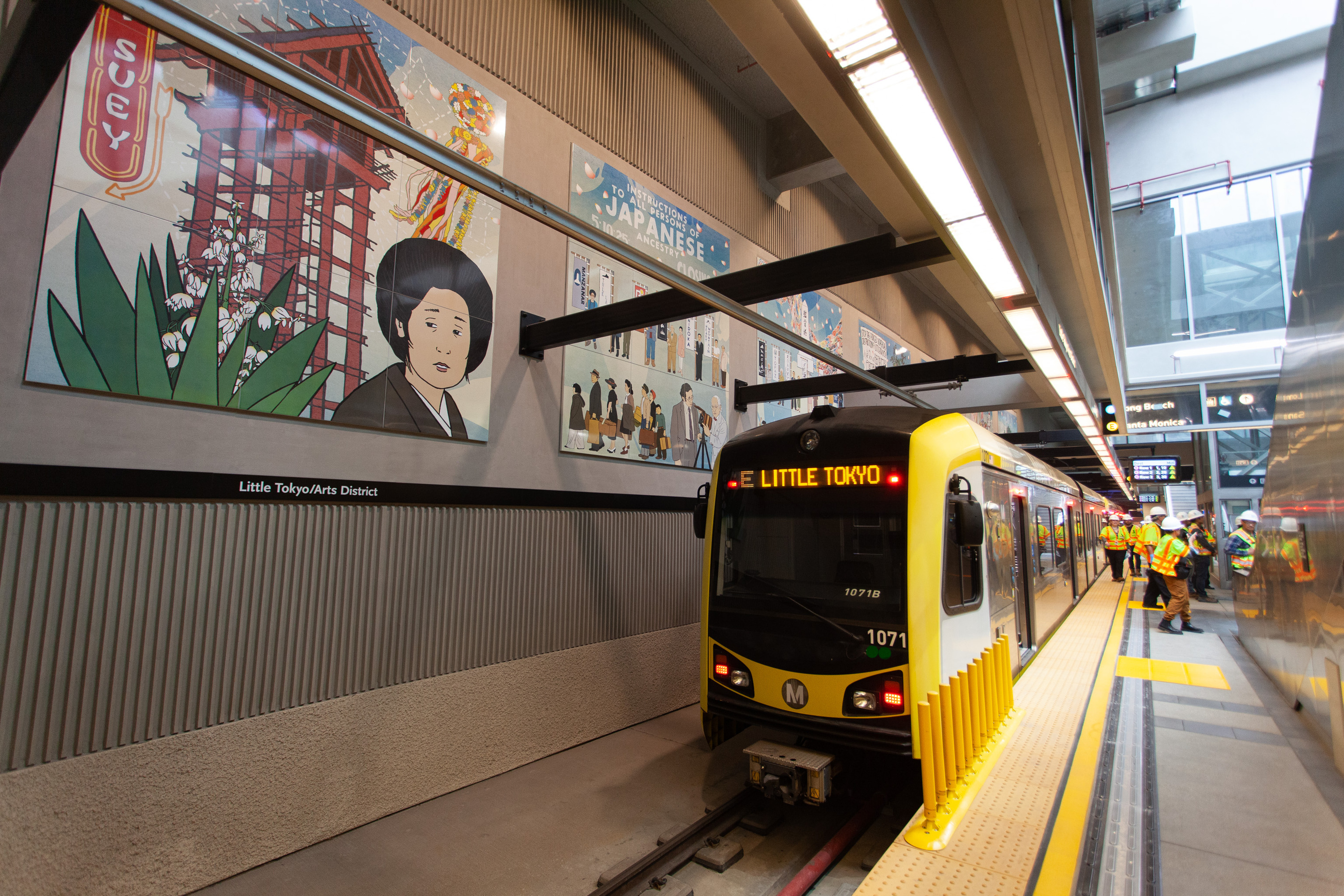
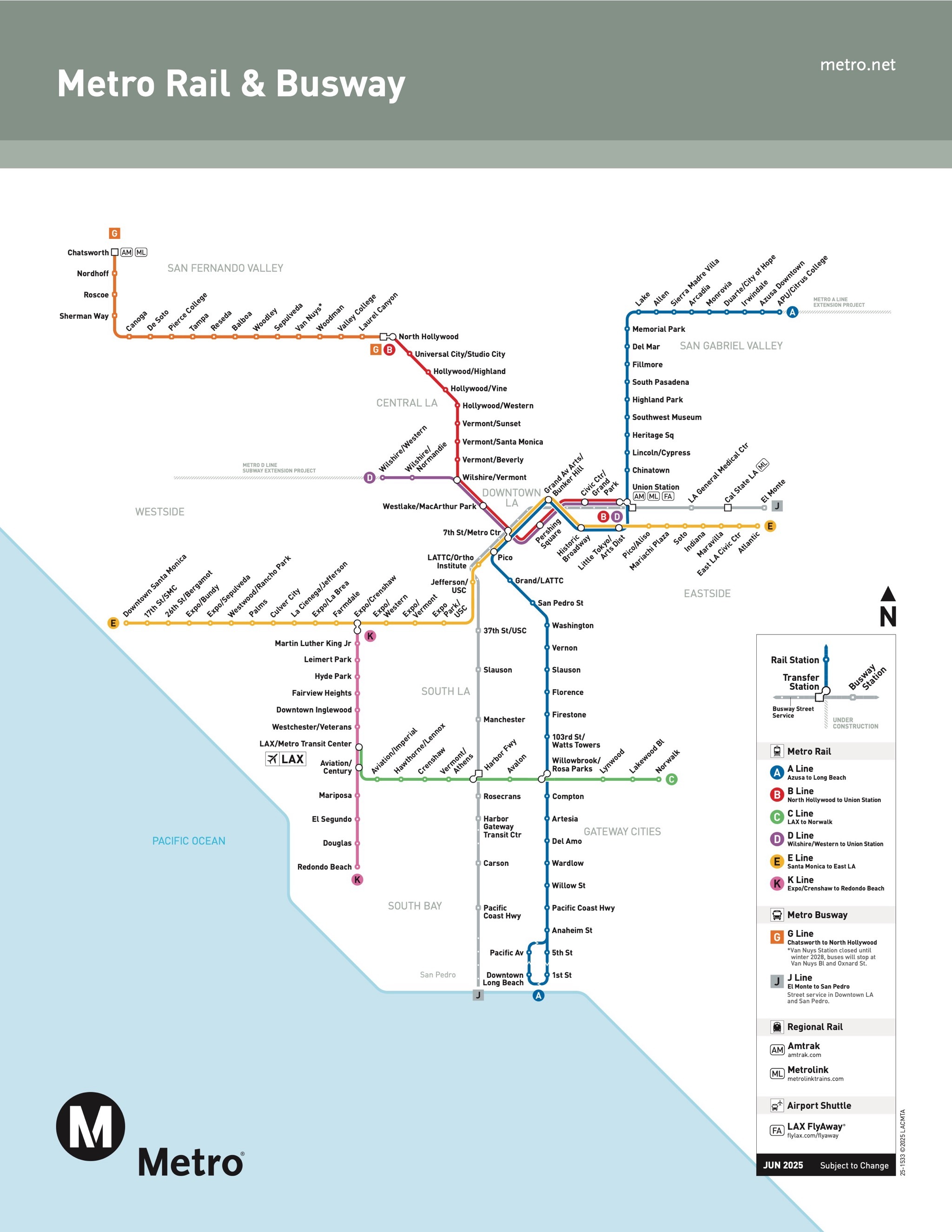
The Los Angeles Metro Rail is not a single, monolithic subway line but rather a network of interconnected rail lines that serve various parts of the vast county. Operated by the Los Angeles County Metropolitan Transportation Authority (Metro), this system comprises several distinct rail lines, each identified by a color and serving specific corridors. The most prominent of these are the heavy rail subway lines, which operate primarily underground.
The Red Line: The Heart of the Subway
The Metro Red Line is the system’s primary heavy rail subway. Stretching from North Hollywood in the San Fernando Valley to Union Station in Downtown Los Angeles, it’s the closest experience to a traditional subway system that Los Angeles offers. This line is crucial for connecting the valley communities to the central business district, a historically car-dependent journey. Along its route, the Red Line makes stops at key locations, including the Hollywood/Highland station, a gateway to the entertainment landmarks of Hollywood, and the Wilshire/Western station, serving the vibrant Koreatown neighborhood.
The Red Line’s underground segments are extensive, plunging beneath major thoroughfares and allowing for rapid transit without the interruptions of surface traffic. Its stations are modern and well-maintained, often featuring public art installations and clear signage, designed to make navigating the system as intuitive as possible for both locals and tourists. For visitors aiming to explore iconic sights like the Hollywood Walk of Fame or the Griffith Observatory (with a short bus or ride-share connection), the Red Line provides a convenient and stress-free starting point.
The Purple Line: Expansion and Future Potential
Complementing the Red Line is the Metro Purple Line, which currently extends from Wilshire/Western westward towards Miracle Mile and beyond. This line is undergoing a significant expansion, with plans to extend it much further west, eventually reaching Westwood, near the University of California, Los Angeles (UCLA), and eventually into the heart of the Westside.
The ongoing construction of the Purple Line Extension signifies Los Angeles’s deep commitment to public transit. Once completed, this extension will dramatically improve access to major employment centers, cultural institutions, and residential areas on the Westside, reducing reliance on cars for tens of thousands of commuters and visitors. The new stations are being designed with the future in mind, incorporating advanced technology and sustainable features, further cementing the Metro Rail’s role as a modern transit solution.
Beyond the Subway: The Broader Metro Rail Network
While the Red and Purple Lines are the “subway” in the traditional sense, the Los Angeles Metro Rail network encompasses other light rail and commuter rail lines that are integral to the county’s transportation fabric. These lines, while often operating at ground level or on elevated tracks, are part of the same integrated system and are crucial for reaching a wider array of destinations.
The Expo Line: Connecting Downtown to the Coast
The Expo Line is a prime example of a successful light rail line that has transformed travel within Los Angeles. It connects Downtown Los Angeles directly to Santa Monica, offering a scenic and efficient journey to the iconic Santa Monica Pier and the beaches of the Pacific Ocean. This line has proven immensely popular, not only for commuters but also for tourists seeking an alternative to navigating Los Angeles traffic to reach the coast. Its stations provide access to neighborhoods like Culver City and Exposition Park, home to world-class museums and the Los Angeles Memorial Coliseum.
The Gold Line (L Line): Serving the Eastside

The Metro Gold Line (now known as the L Line) serves the eastern and northeastern parts of Los Angeles County, stretching from Pasadena to East Los Angeles. This line is vital for connecting communities with rich cultural heritage and diverse populations. It offers convenient access to popular destinations such as the Norton Simon Museum in Pasadena, the historic heart of East Los Angeles, and numerous vibrant neighborhoods.
Other Metro Rail Lines
The Metro Rail network also includes other important lines such as the Blue Line (A Line) and Green Line (C Line), which connect various parts of the county, including areas south of Downtown Los Angeles and towards Los Angeles International Airport (LAX). These lines, while primarily light rail, are essential for interregional travel and form a crucial part of the multimodal transportation strategy for the region.
Navigating Los Angeles by Rail: Tips for Travelers
For any visitor to Los Angeles looking to explore the city efficiently and affordably, understanding and utilizing the Metro Rail system is key. Despite its historical reputation for car dependency, the city is increasingly transit-friendly, and the Metro Rail is at the forefront of this transformation.
Planning Your Journey
The Los Angeles Metro website and its associated mobile app are invaluable resources for planning trips. They provide real-time service updates, route maps, and trip planners that can help you navigate the system seamlessly. Understanding which line serves your destination and where transfers are necessary is crucial for a smooth experience. Most major transfer points are located at key stations like Union Station and 7th Street/Metro Center, which serve as hubs for multiple rail lines.
Fares and Ticketing
Metro fares are quite affordable, making it an attractive option for budget-conscious travelers. You can purchase a TAP card, which is a reusable fare card that can be loaded with stored value or a day pass. TAP cards can be purchased at vending machines at all Metro Rail stations and at numerous retail locations throughout the county. This system allows for easy tap-and-go payment for your rides.
Accessibility and Comfort
Los Angeles Metro stations and trains are generally designed with accessibility in mind, featuring elevators, ramps, and designated seating areas for passengers with disabilities. The trains are air-conditioned, offering a comfortable respite from the Southern California sun. While some older stations might feel more utilitarian, newer stations, particularly those on the Purple Line Extension, boast modern design and amenities.
Connecting with Other Transit
The Metro Rail system is integrated with an extensive network of Metro bus lines, making it possible to reach almost any corner of Los Angeles County without a car. Many rail stations serve as major bus transfer points, allowing for seamless transitions between rail and bus services. This multimodal approach is what truly unlocks the potential of public transit in such a geographically diverse region.
The Future of Los Angeles Transit
The question “Is there a subway in Los Angeles?” is increasingly answered with a resounding “yes,” and the answer is becoming more emphatic with each passing year. The ongoing expansion of the Metro Rail system, particularly the Purple Line Extension, alongside continued investment in bus rapid transit and other transit-oriented developments, signals a clear shift in the city’s transportation paradigm. Los Angeles is actively working to build a more sustainable, accessible, and connected future, where the convenience of the automobile is balanced with the efficiency and environmental benefits of robust public transportation. For travelers and residents alike, exploring Los Angeles by rail is no longer a novelty but a practical and increasingly rewarding way to experience the diverse landscapes and vibrant culture of this iconic city.
LifeOutOfTheBox is a participant in the Amazon Services LLC Associates Program, an affiliate advertising program designed to provide a means for sites to earn advertising fees by advertising and linking to Amazon.com. Amazon, the Amazon logo, AmazonSupply, and the AmazonSupply logo are trademarks of Amazon.com, Inc. or its affiliates. As an Amazon Associate we earn affiliate commissions from qualifying purchases.