
The Pacific coastline of California is a breathtaking tapestry of rugged cliffs, golden beaches, and vibrant cities, drawing millions of travelers each year. From the iconic Golden Gate Bridge in San Francisco to the sun-drenched shores of Southern California, the state offers an unparalleled array of travel experiences. Whether you’re seeking luxury resorts in Malibu, charming boutique hotels in Santa Barbara, or budget-friendly apartments for a long-term stay in Los Angeles, California caters to every traveler’s dream. The state’s rich history, diverse local culture, and world-class culinary scene, coupled with a plethora of outdoor activities and iconic landmarks, make it a perennial favorite for family trips, romantic getaways, and solo adventures. However, the very beauty of its coastline also necessitates an awareness of potential natural hazards, the most significant of which is the threat of tsunamis.
This article aims to address the pertinent question: Is there a tsunami warning for California? While the immediate answer often depends on current seismic activity and specific regional warnings, understanding the factors that contribute to tsunami generation and the preparedness measures in place is crucial for anyone living in or traveling to the Golden State. We will delve into the science behind these colossal waves, explore the historical context of tsunamis impacting California, and outline the official warning systems and evacuation protocols designed to keep residents and tourists safe.
Understanding Tsunami Risks Along the California Coast
The California coast, with its extensive Pacific shoreline, is inherently susceptible to tsunamis. These are not single, massive waves but rather a series of ocean waves with extremely long wavelengths and periods, generated by large-scale disturbances of the ocean floor. The most common cause is a powerful undersea earthquake, particularly those occurring at subduction zones where one tectonic plate slides beneath another. Volcanic eruptions on the seabed, underwater landslides, and even meteorite impacts can also trigger tsunamis, though these are far less frequent.
Seismic Activity and Tsunami Generation
The Pacific Ocean is part of the geologically active “Ring of Fire,” a horseshoe-shaped zone characterized by frequent earthquakes and volcanic eruptions. California itself lies along the San Andreas Fault, a transform fault boundary between the Pacific Plate and the North American Plate. While the San Andreas Fault is notorious for generating significant earthquakes, it typically produces strike-slip faults, which are less likely to cause the vertical displacement of the seafloor necessary for large tsunami generation.
However, the true tsunami threat to California often originates from seismic activity far beyond its immediate borders. The subduction zones off the coasts of Alaska, Chile, and even in the western Pacific Ocean can generate mega-thrust earthquakes capable of sending destructive tsunami waves across vast ocean distances. These trans-oceanic tsunamis can travel at speeds comparable to jet aircraft, reaching distant shores hours after the initial earthquake.
The historical record provides stark evidence of this danger. In 1964, a magnitude 9.2 earthquake off the coast of Alaska generated a tsunami that caused significant damage and loss of life in Crescent City, California. More recently, the 2011 Tohoku earthquake and tsunami in Japan sent waves that caused damage to harbors and coastal infrastructure along the California coast, despite the immense distance from the epicenter. These events underscore that tsunami warnings for California are not just about local seismic activity but also about monitoring events across the entire Pacific basin.
Local Tsunamis: A Less Frequent but Potentially Devastating Threat
While trans-oceanic tsunamis are the more common concern, localized tsunamis generated by undersea landslides or offshore earthquakes closer to the California coast are also a possibility. These “near-field” tsunamis can arrive with very little warning, making rapid detection and evacuation even more critical. Geologists continually study the offshore fault systems and coastal geology to assess the potential for such events. Areas with steep underwater slopes or evidence of past large underwater landslides are considered to be at higher risk for generating local tsunamis.
Tsunami Warning Systems and Preparedness in California
Fortunately, California has a sophisticated and well-established system in place to monitor seismic activity and issue tsunami warnings. This system relies on a network of seismographs, oceanographic buoys, and a coordinated effort between various government agencies to ensure public safety.
The California Office of Emergency Services (CalOES) and the National Tsunami Warning Center
The primary agency responsible for coordinating emergency response in California is the California Office of Emergency Services (CalOES). CalOES works in conjunction with the National Oceanic and Atmospheric Administration’s (NOAA) National Tsunami Warning Center (NTWC). The NTWC monitors seismic activity worldwide and uses data from the Deep-ocean Assessment and Reporting of Tsunamis (DART) buoys, which are strategically placed in the Pacific Ocean to detect subtle changes in sea level that indicate the passage of a tsunami wave.
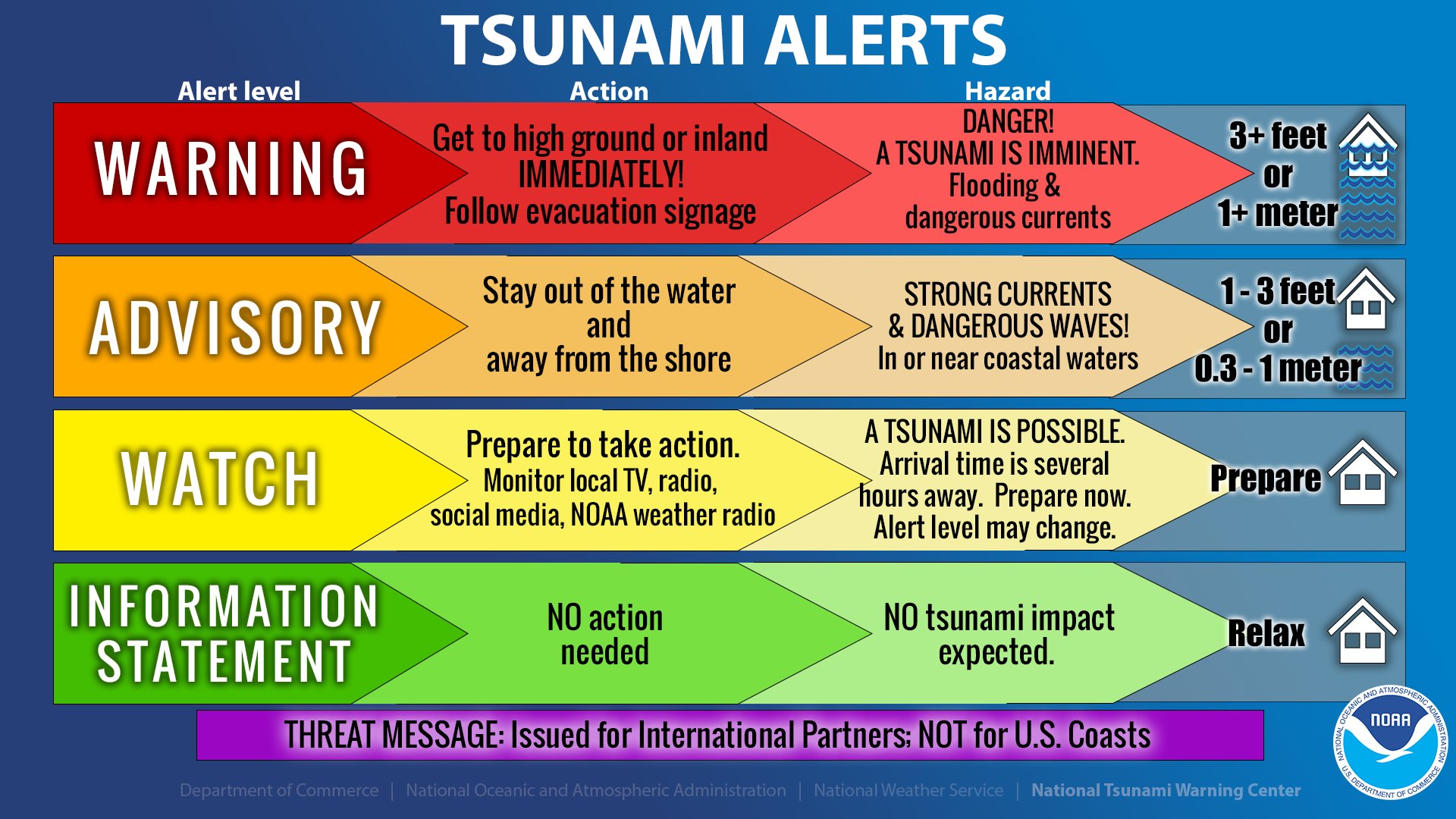
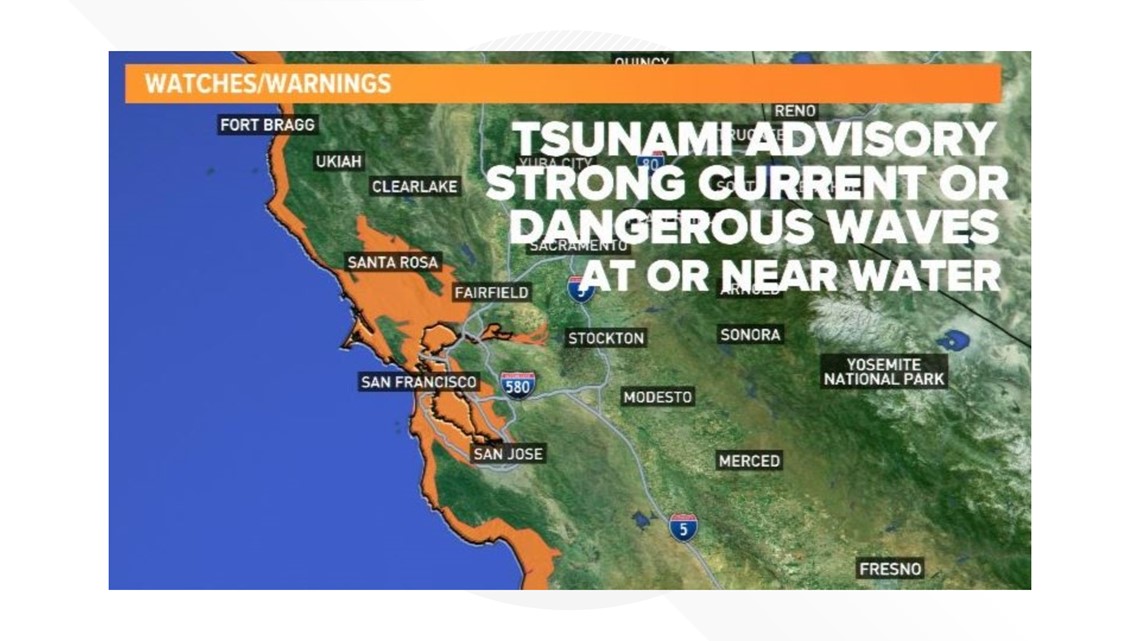
When a significant undersea earthquake occurs in the Pacific region, the NTWC rapidly analyzes the data. If the earthquake meets the criteria for potentially generating a tsunami that could impact the U.S. West Coast, the NTWC issues an alert. This alert can range from a “Tsunami Watch” (meaning a tsunami is possible) to a “Tsunami Advisory” (meaning strong currents or waves are expected) or a “Tsunami Warning” (meaning dangerous coastal flooding or inundation is imminent).
Public Notification and Evacuation Procedures
Upon receiving a warning from the NTWC, CalOES and local emergency management agencies are responsible for disseminating this information to the public. This is typically done through a multi-pronged approach:
- Emergency Alert System (EAS): Broadcasts on radio and television stations will interrupt programming to deliver tsunami warnings and evacuation orders.
- Wireless Emergency Alerts (WEA): Geo-targeted text messages are sent to mobile phones within the affected areas.
- Sirens: Many coastal communities have installed tsunami sirens that will sound to alert residents to evacuate.
- Local Officials: Police, fire departments, and other emergency personnel will use loudspeakers and conduct door-to-door notifications in affected zones.
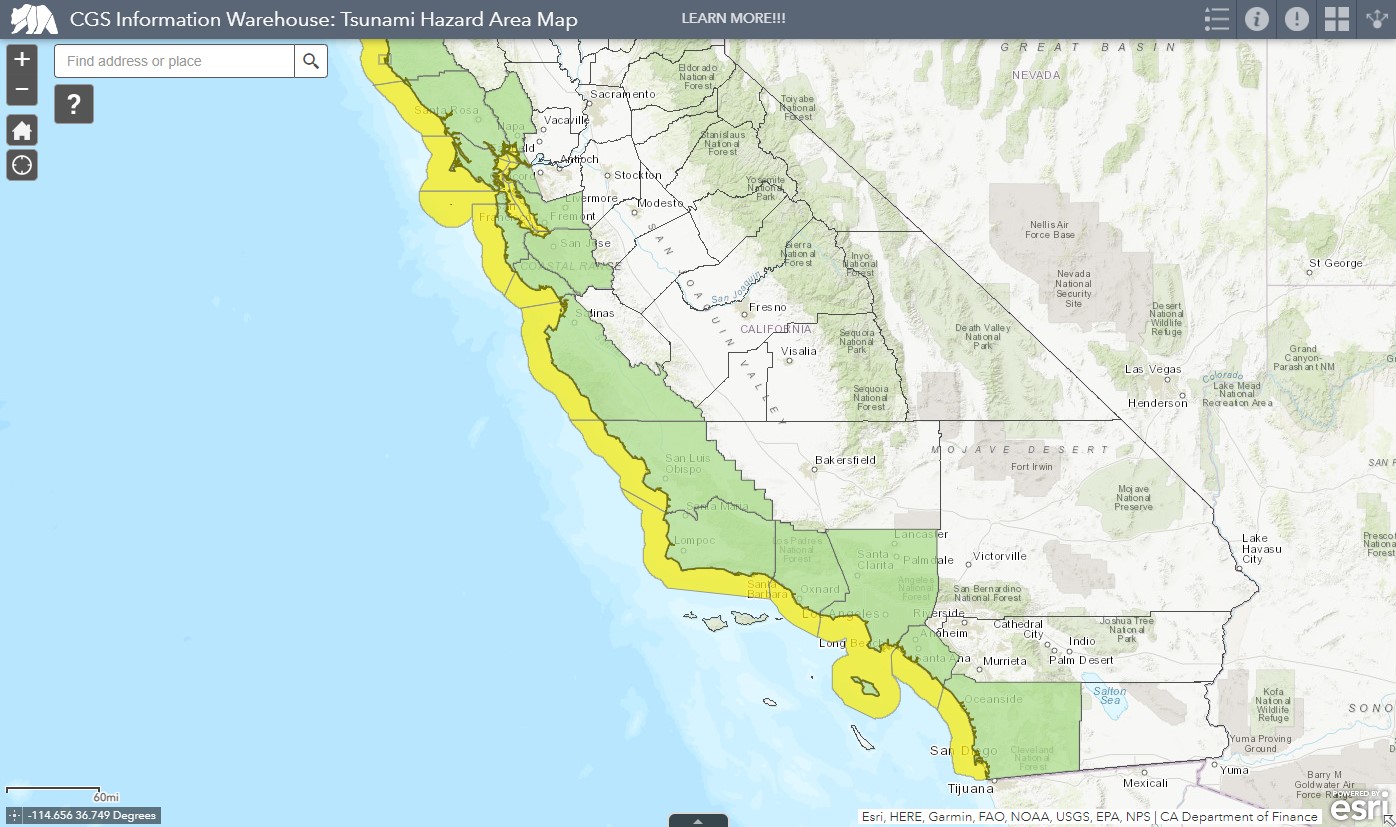
Coastal communities in California have developed specific evacuation plans based on designated tsunami inundation zones. These zones are identified through detailed hazard mapping that models the potential reach of tsunami waves. Residents and visitors in these zones are strongly advised to:
- Know your evacuation zone: Familiarize yourself with the designated tsunami evacuation maps for the area you are in or plan to visit. These are often available on local government websites.
- Heed all warnings and orders: Do not wait for official confirmation if you are in an inundation zone and hear sirens or receive an alert.
- Move inland and to higher ground: The safest course of action is to move away from the coast and ascend to higher elevations as quickly as possible. Follow designated evacuation routes.
- Do not go to the beach to watch: The coastline is the most dangerous place during a tsunami.
- Stay informed: Listen to emergency officials and authorities for updates on the tsunami’s status and when it is safe to return.
Traveling to California: Staying Informed and Prepared
For travelers planning a visit to California, being aware of the potential for tsunamis is an essential part of responsible travel planning. While the immediate threat of a tsunami warning is intermittent and dependent on specific geological events, the general preparedness measures are always in effect.
Where to Find Information and Stay Safe
When visiting coastal areas like Santa Monica, San Diego, or the Mendocino Coast, it’s wise to seek out information regarding local emergency preparedness. Many hotels, particularly those in luxury resorts or beachfront apartments, will have information available about local tsunami evacuation routes and procedures. It’s also a good practice to:
- Check local emergency management websites: Before and during your trip, you can often find up-to-date information on tsunami preparedness from the county’s emergency services department.
- Download emergency alert apps: Many regions offer dedicated apps that can provide local emergency alerts.
- Note your accommodation’s location: If you are staying in a hotel, resort, or villa, be aware of its proximity to the coast and identify the nearest evacuation routes. Understanding whether your accommodation is within a designated inundation zone is key.
- During your stay: Pay attention to any posted signage or announcements from hotel staff regarding emergency procedures.
The Role of Tourism in Disaster Preparedness
The tourism industry plays a vital role in ensuring the safety of visitors. Hotels and tourism operators are increasingly incorporating disaster preparedness information into their guest services. This can include:
- Information brochures and in-room materials: Providing guests with readily accessible information on what to do in the event of a tsunami warning.
- Staff training: Ensuring that hotel staff are knowledgeable about evacuation routes and emergency procedures, and can effectively guide guests.
- Partnerships with local emergency services: Collaborating with local authorities to disseminate warnings and support evacuation efforts.
While California is a premier destination for its stunning natural beauty, vibrant culture, and diverse attractions, it is also a region that demands respect for the powerful forces of nature. Understanding the risks associated with tsunamis and knowing how to respond to warnings are paramount for a safe and enjoyable experience. By staying informed and prepared, travelers can fully appreciate all that the Golden State has to offer, with the added peace of mind that comes from being ready for any eventuality. The question “Is There A Tsunami Warning For California?” is best answered by remaining vigilant, informed, and always ready to act on official guidance when necessary.