
For many travelers dreaming of a stress-free escape, the allure of an all-inclusive resort is undeniable. The promise of a single price covering meals, drinks, activities, and accommodation eliminates the need for constant budgeting and decision-making during a vacation. However, when the destination is a coveted spot like the Hawaiian Islands, the concept of “all-inclusive” takes on a distinctly different flavor compared to what one might expect in the Caribbean or Mexico. This article delves into the unique landscape of Hawaiian hospitality, exploring the availability and nature of all-inclusive hotel and resort experiences across the archipelago.
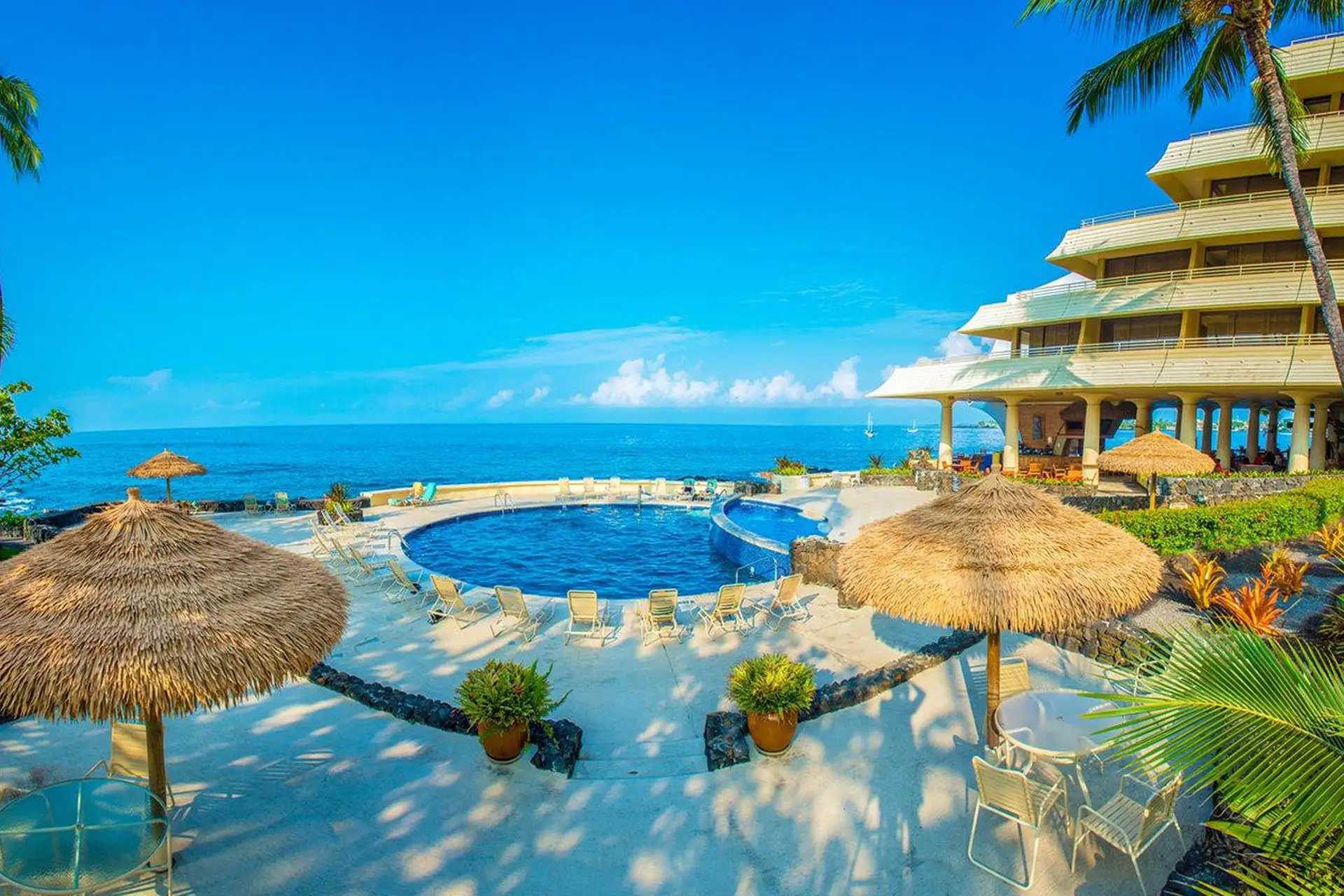
The Unique Landscape of Hawaiian Hospitality
Hawaii’s tourism model has historically prioritized encouraging visitors to explore the islands’ diverse natural beauty, local businesses, and cultural sites rather than confining them to a single resort property. This philosophy has shaped the offerings of hotels and resorts, making the traditional, comprehensive all-inclusive package a rarity.
What “All-Inclusive” Means in Hawaii
When travelers inquire about all-inclusive options in Hawaii, they often envision resorts where every meal, snack, alcoholic beverage, non-motorized water sport, and even some excursions are bundled into one upfront price. While such packages are commonplace in other tropical destinations, Hawaii’s hotel market generally operates differently. Here, “all-inclusive” is more often interpreted as a resort providing a high level of service and a wide array of amenities on-site, but typically with food and beverage costs, and often certain activities, charged separately or offered as part of a specific, limited package.
The emphasis in Hawaiian hotels and resorts is on luxury, exceptional service, and integration with the stunning natural surroundings. Properties often boast multiple restaurants, elaborate pool complexes, spas, golf courses, and direct beach access, but the cost for utilizing these often comes à la carte. This allows guests the flexibility to dine at local eateries, explore different islands, and choose activities that align perfectly with their interests, rather than being restricted to resort-only options.
Why Traditional All-Inclusive is Rare
Several factors contribute to the scarcity of traditional all-inclusive hotels in Hawaii. Firstly, the high cost of land, labor, and imported goods in the islands makes it challenging for resorts to profitably offer extensive food, beverage, and activity inclusions at a competitive, bundled price point. Resorts would need to set rates exceptionally high to cover these costs, potentially deterring a segment of the market.
Secondly, the very essence of a Hawaiian vacation often revolves around experiencing the distinct culture, local cuisine, and natural wonders beyond the hotel grounds. The islands of Oahu, Maui, Kauai, and the Big Island each offer unique landscapes, towns, and attractions. A fully all-inclusive model might inadvertently discourage guests from venturing out to sample local delights or participate in island-specific tours, which goes against the ethos of Hawaiian tourism. Hotels prefer guests to experience the broader destination, often collaborating with local tour operators and restaurants rather than internalizing all services.
Finally, many high-end resorts cater to a clientele that appreciates the freedom to choose premium dining experiences, personalized excursions, and bespoke services, rather than a predetermined package. They value quality over sheer quantity of inclusions.
Exploring True All-Inclusive Hotel Experiences in Hawaii
While traditional all-inclusive resorts are uncommon, a few establishments and specific packages come close to offering a comprehensive experience. These are typically luxury hotels or boutique resorts that curate a highly personalized stay.
Notable Resorts with Comprehensive Packages
On the Big Island, the newly reimagined Kona Village, A Rosewood Resort, offers a truly exceptional, albeit premium, experience that aligns closely with an all-inclusive model. This resort features bungalows (“hales”) and includes three meals daily, non-alcoholic beverages, and a variety of activities such as snorkeling, kayaking, paddleboarding, and cultural experiences. Its commitment to sustainability and blending luxury with the natural environment makes it a standout. Similarly, Mauna Lani, Auberge Resorts Collection, also on the Big Island, sometimes offers packages that bundle substantial resort credits, specific meals, or activities, allowing for a highly inclusive feel without being an explicit all-inclusive rate.
On Maui, luxury properties like the Four Seasons Resort Maui at Wailea and The Ritz-Carlton, Kapalua do not offer standard all-inclusive packages, but their commitment to service and extensive amenities can create a very contained, luxurious experience. Guests often find everything they desire on-site, from world-class dining to elaborate poolscapes and curated activities. While dining and many activities are à la carte, the sheer breadth of offerings minimizes the need to leave the resort.
Beyond the Room: Activities and Dining Inclusions
When searching for an “all-inclusive” feel in Hawaii, it’s crucial to look beyond the base room rate. Many resorts offer specialized packages that might include:
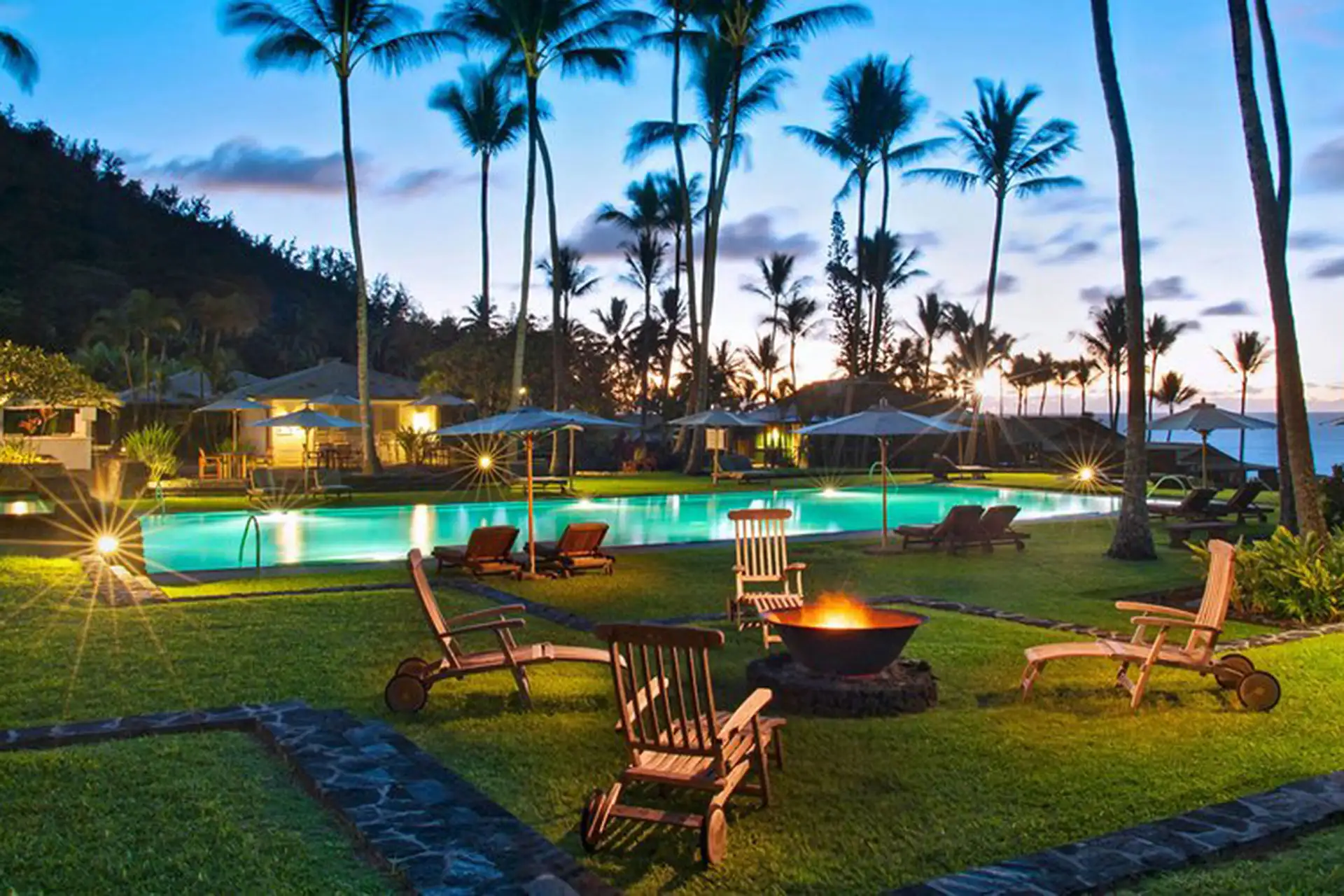
- Breakfast-Inclusive Rates: A common offering, ensuring a solid start to each day.
- Meal Plans: Some hotels, particularly on the Big Island and Maui, might offer half-board (breakfast and dinner) or full-board (all three meals) options, though these rarely include beverages.
- Resort Credits: A popular alternative, these credits can be used towards dining, spa treatments, golf, or other activities within the resort. This provides flexibility while still bundling value.
- Activity Packages: Some resorts, particularly those with extensive water sports centers, might offer packages that include specific activities like snorkeling tours, paddleboarding lessons, or kayak rentals. For instance, Turtle Bay Resort on Oahu’s North Shore, known for its surf and equestrian activities, sometimes features packages bundling specific experiences.
- Kids’ Clubs with Inclusions: Family-friendly resorts like the Grand Hyatt Kauai Resort & Spa may offer kids’ club programs that include meals and activities for children, providing a partially inclusive experience for families.
These partial inclusions provide a middle ground, offering convenience for specific aspects of the trip without locking guests into a full all-inclusive model that might limit exploration of the broader Hawaiian experience.
Hybrid Models and Value-Added Stays
Given the unique economic and cultural context, Hawaiian hotels and resorts have evolved to offer hybrid models that provide significant value and convenience, even if they don’t carry the traditional “all-inclusive” label.
Resort Credits and Package Deals
The resort credit model is particularly prevalent and can significantly enhance a stay. For example, a “Romance Package” at a luxury property like the Andaz Maui at Wailea Resort might include a certain dollar amount for dining or spa services, a daily breakfast credit, and perhaps a welcome amenity. While not covering everything, these credits can substantially reduce out-of-pocket expenses for on-site amenities. Many hotels will also periodically offer promotional packages that bundle flights, accommodation, and sometimes a rental car, offering a broader “inclusive” feel from a booking perspective, though daily expenses on the ground remain separate.
Travel agents specializing in Hawaii often excel at crafting bespoke packages that bundle flights, accommodation, transportation, and pre-booked activities, effectively creating a personalized, all-inclusive-like itinerary without being tied to a single hotel’s offerings.
Vacation Rentals with Concierge Services
Another emerging trend that offers an “all-inclusive” feel, particularly for longer stays or larger groups, is luxury vacation rentals paired with private chef and concierge services. While not a hotel, properties in areas like Wailea on Maui or Princeville on Kauai can be booked with a dedicated team that handles grocery shopping, meal preparation, activity bookings, and even private transportation. This allows guests to enjoy the privacy and space of a home with the convenience and personalized service often associated with high-end resorts, blurring the lines of traditional accommodation. Some luxury villas might even be part of a resort complex, allowing access to hotel amenities while providing a private residence.
Is an All-Inclusive Hotel Right for Your Hawaiian Vacation?
Deciding whether to seek out an all-inclusive or near all-inclusive hotel experience in Hawaii depends largely on your travel style, priorities, and budget.
Weighing the Costs and Benefits
Benefits:
- Budget Predictability: For the few truly all-inclusive options like Kona Village, A Rosewood Resort, the upfront cost provides peace of mind.
- Convenience: Having meals, drinks, and some activities easily accessible on-site can be appealing, especially for families with young children or those seeking ultimate relaxation without planning.
- Luxury & Service: The resorts offering these comprehensive packages are often top-tier, ensuring an exceptional level of hospitality.
Drawbacks:
- Limited Exploration: An all-inclusive model might inadvertently deter guests from experiencing the diverse local culture, restaurants, and attractions outside the resort.
- Cost: The price point for the limited all-inclusive options in Hawaii can be significantly higher than a standard hotel stay, even when factoring in separate food and activity costs at other resorts.
- Flexibility: You might feel compelled to utilize resort amenities to get your money’s worth, potentially missing out on unique island experiences.
For many, the true joy of Hawaii lies in exploring its beaches, hiking its trails, savoring local cuisine in towns like Honolulu or Lahaina, and immersing oneself in the unique Aloha spirit. A hotel that encourages this exploration, even if it means paying for meals and activities separately, might offer a more authentic and fulfilling experience.

Best Practices for Booking Your Stay
If you are determined to find the most inclusive hotel experience in Hawaii, consider these strategies:
- Research Thoroughly: Look specifically for packages listed as “all-inclusive,” “full board,” or “resort credit packages” on hotel websites. Read the fine print to understand exactly what is included.
- Focus on Luxury Resorts: High-end properties like Four Seasons Resort Maui at Wailea or Grand Hyatt Kauai Resort & Spa are more likely to offer comprehensive amenities and value-added packages.
- Consult a Travel Agent: An experienced travel agent specializing in Hawaii can provide insights into current promotions, hidden gems, and can even custom-build a highly inclusive itinerary that covers more than just the hotel stay.
- Consider Boutique Resorts: Smaller, more intimate properties like Koʻa Kea Hotel & Resort on Kauai often offer exceptional personalized service and sometimes unique packages that provide a more inclusive feel than larger chains.
In conclusion, while the traditional all-inclusive hotel model is not a dominant feature of Hawaii’s hospitality industry, the islands offer a range of luxurious resorts and innovative packages that can provide a highly convenient and comprehensive vacation experience. By understanding the nuances of Hawaiian offerings, travelers can find the perfect hotel stay that balances convenience with the unparalleled opportunity to explore one of the world’s most captivating destinations.
LifeOutOfTheBox is a participant in the Amazon Services LLC Associates Program, an affiliate advertising program designed to provide a means for sites to earn advertising fees by advertising and linking to Amazon.com. Amazon, the Amazon logo, AmazonSupply, and the AmazonSupply logo are trademarks of Amazon.com, Inc. or its affiliates. As an Amazon Associate we earn affiliate commissions from qualifying purchases.