
Travelers planning a dream escape to the Golden State might find themselves pondering more than just scenic routes and iconic landmarks. A seemingly mundane staple – the humble egg – has recently become a topic of discussion, with news headlines sparking concerns about availability and price. So, is there an egg shortage in California? The short answer is, it’s complicated, and the situation has certainly presented challenges for both residents and the vibrant tourism industry.
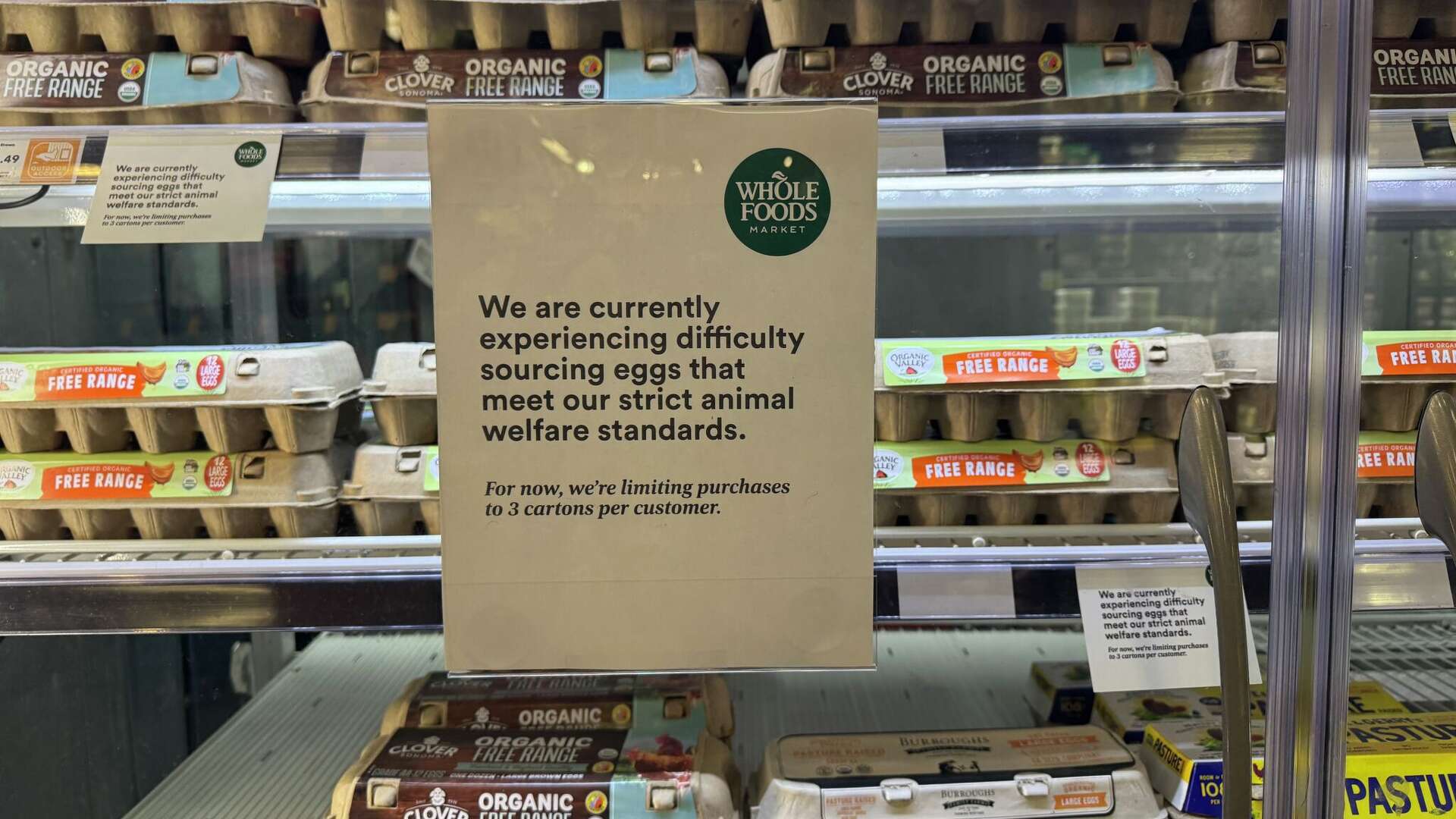
While you’re unlikely to find entirely empty shelves everywhere you go, California has indeed experienced significant disruptions in its egg supply, leading to higher prices and, at times, limited availability. This isn’t just a local anomaly; it’s a confluence of factors including widespread avian influenza outbreaks, unique state regulations, and broader economic pressures. For those looking to experience California’s renowned culinary scene or simply enjoy a classic hotel breakfast, understanding these dynamics is key to a seamless and satisfying trip.

This article will delve into the root causes of California’s egg situation, explore how it impacts the travel, hotel, and tourism sectors, and provide insights for visitors on how to navigate the state’s diverse lifestyle and food culture without missing a beat. From luxury resorts to charming bed-and-breakfasts, and from Michelin-starred restaurants in San Francisco to bustling eateries in Los Angeles, the state is adapting, and so can you.
The Golden State’s Breakfast Conundrum: Understanding the Egg Supply Crisis
The perception of an egg shortage in California stems from a genuine crisis impacting the poultry industry across the United States, compounded by specific regulatory frameworks within the state. Understanding these factors is crucial for appreciating the current landscape.
What’s Cracking the Supply?
Several interconnected issues have contributed to the challenging egg supply situation:
-
Avian Influenza Outbreaks: The most significant driver of supply disruption has been the highly pathogenic avian influenza (HPAI), commonly known as bird flu. This virus has swept through poultry farms across the United States, leading to the culling of tens of millions of egg-laying hens to prevent the spread of the disease. While California’s farms have not been immune, the broader impact on national supply chains means fewer eggs are available for all states, including those typically imported by California. The loss of so many birds directly translates to a reduced capacity for egg production, creating a ripple effect across the country. Recovering from such outbreaks involves strict biosecurity measures and the time-consuming process of rebuilding healthy flocks, which can take months, if not years.
-
Proposition 12 and Animal Welfare Standards: California has long been at the forefront of animal welfare legislation. Proposition 12, which fully went into effect in 2022, mandates specific space requirements for egg-laying hens, sows, and veal calves. For eggs, this means that all eggs sold in California, regardless of where they were produced, must come from hens raised in cage-free environments that provide a minimum of one square foot of usable floor space per bird. While lauded by animal rights advocates, this regulation presented significant challenges for out-of-state producers, many of whom had to invest heavily in new facilities or cease selling to California altogether if they couldn’t meet the standards. This has effectively reduced the pool of eligible suppliers, tightening the market specifically for California consumers and businesses. The combination of fewer farms meeting these standards and the general bird flu crisis has created a perfect storm for supply scarcity within the state.
-
Supply Chain Disruptions and Economic Factors: Beyond the specific poultry issues, broader economic pressures have played a role. General supply chain disruptions, which became prominent during the pandemic, continue to affect everything from packaging materials to transportation logistics. Labor shortages in various sectors, including farming and distribution, further strain the ability to bring products to market efficiently. Additionally, rising feed costs, energy prices, and inflation have increased the overall cost of egg production, which is then passed on to consumers and businesses. These systemic issues contribute to the higher prices and unpredictable availability, even when the immediate supply challenges begin to ease.
Price Hikes and Empty Shelves: The Consumer Impact
The combined effect of these factors has been tangible for consumers and businesses throughout California.
Rising Egg Prices: Perhaps the most noticeable impact has been the dramatic increase in egg prices. Consumers have seen carton prices soar, sometimes doubling or tripling compared to previous years. This directly affects household budgets and, more pertinent to our discussion, impacts the operating costs for restaurants, bakeries, and hotels that rely heavily on eggs. A dish that once had a modest food cost now carries a significant burden, often forcing establishments to raise their own menu prices.
Limited Availability: While not every store always has empty shelves, instances of limited availability have been common, particularly for specific types of eggs (e.g., organic, pasture-raised, or those meeting Proposition 12 standards). Shoppers might find themselves visiting multiple grocery stores like Whole Foods Market or Trader Joe’s to find their preferred brand or simply any eggs at all. This unpredictability creates challenges for those planning meals, especially travelers relying on local grocery stores for self-catering accommodations.
Impact on Local Businesses: Small businesses, from neighborhood cafes to large catering operations, have felt the pinch acutely. Breakfast and brunch spots, in particular, which often feature eggs prominently, have had to adapt. Some have temporarily reduced the number of egg-centric dishes on their menus, explored alternative ingredients, or sourced eggs from more expensive local suppliers. This directly affects the culinary landscape for tourists, who might find their favorite brunch items priced higher or slightly altered.
Culinary Adventures and Travel: Navigating California’s Food Scene Without Eggs

For many travelers, exploring a destination’s food scene is a highlight of their trip. California is renowned for its diverse culinary offerings, from farm-to-table freshness to international flavors. The egg situation, while challenging, doesn’t diminish the state’s gastronomic appeal; rather, it encourages exploration and adaptation.
Dining Out in California: Brunch, Bakeries, and Beyond
California’s dining landscape is dynamic and innovative, and restaurants have quickly adapted to the egg supply situation.
Restaurant Adaptations: Many eateries, particularly those famed for their breakfast and brunch menus in cities like San Francisco, Los Angeles, and San Diego, have implemented creative solutions. You might see:
- Menu Adjustments: Some restaurants have temporarily removed dishes heavily reliant on eggs or replaced them with equally delicious, egg-free alternatives. For example, a “full English breakfast” might feature fewer eggs or focus more on savory meats and vegetables.
- Sourcing Alternatives: Chefs are exploring local farms or specialized distributors that can meet Proposition 12 standards, even if it comes at a premium. This commitment to quality often means that when eggs are on the menu, they are sourced thoughtfully.
- Vegan and Plant-Based Options: The plant-based food movement was already strong in California, and the egg shortage has only accelerated the adoption of vegan alternatives. Many restaurants now offer excellent tofu scrambles, chickpea omelets, or other innovative plant-based breakfast dishes that satisfy cravings without eggs. This presents a fantastic opportunity for travelers to explore California’s cutting-edge vegan dining scene, which often extends beyond breakfast to delectable lunches and dinners.
Exploring Diverse Cuisines: California’s culinary tapestry is incredibly rich. While traditional American breakfasts might be slightly impacted, many other cuisines found throughout the state are less reliant on eggs as a primary ingredient, especially for breakfast. - Mexican Cuisine: Think vibrant chilaquiles, breakfast burritos (which can easily be made egg-free or with minimal eggs), or carne asada breakfasts. Many authentic Mexican restaurants offer hearty, flavorful dishes that don’t hinge on a dozen eggs.
- Asian Cuisine: From Japanese breakfast sets to Vietnamese pho or Chinese congee, these dishes often provide a refreshing alternative to egg-heavy meals.
- Mediterranean and European-inspired Cafes: Many European-style cafes offer pastries, yogurts, granola, and fruit bowls that are naturally egg-free and incredibly satisfying.
Travelers are encouraged to embrace this opportunity to step out of their comfort zone and try new dishes, perhaps discovering a new favorite along the way. California’s reputation for fresh produce, innovative chefs, and diverse cultural influences means that a delicious meal is always within reach, egg shortage or not.
Hotel Breakfasts and Accommodation Considerations
When choosing accommodation in California, especially if complimentary breakfast is a key amenity, it’s wise to consider how the egg situation might influence your stay.
Hotel Adaptations: Hotels, from major chains like Marriott International and Hilton Worldwide to boutique establishments and luxury resorts, have also had to adjust their breakfast offerings.
- Buffet Changes: While scrambled eggs or omelet stations might still be available, you might notice a greater emphasis on other breakfast items. Hotels are diversifying their buffets to include more pastries, cereals, yogurts, fresh fruit, oatmeal, and savory options like breakfast meats or potatoes. Some may opt for egg substitutes or plant-based egg alternatives to maintain options.
- A La Carte Menus: For hotels offering à la carte breakfast, egg-based dishes might come with a slightly higher price tag, reflecting the increased cost of sourcing. However, they will also likely offer a range of other breakfast choices, ensuring variety.
- Communication: Many hotels are proactive in communicating any changes to their breakfast menus, either through in-room information or during check-in. It’s always a good idea to check the hotel’s website or call ahead if a specific breakfast item is crucial to your morning routine.
Self-Catering and Extended Stays: For travelers opting for accommodations with kitchenettes or full kitchens, such as Airbnb rentals, vacation villas, or extended-stay hotels, the egg shortage means a bit more planning. - Grocery Shopping: Be prepared that your local grocery store in San Diego or Napa Valley might have higher egg prices or limited stock. It’s advisable to check a few stores if you’re set on making your own eggs.
- Alternatives: Consider other easy breakfast options like oatmeal, yogurt and granola, fruit, or pre-made smoothies. Embrace the opportunity to try local bakery goods or fresh produce from farmers’ markets in cities like Santa Barbara or Carmel-by-the-Sea.
The “lifestyle” aspect of travel—whether you’re on a luxury trip, a budget adventure, or a family vacation—is certainly influenced. Luxury travelers might find their high-end hotel breakfast buffets remain robust, albeit with slightly altered offerings or ingredient choices. Budget travelers, who often rely on cooking their own meals, might feel the pinch of higher grocery costs more acutely. Family trips might need to adjust their breakfast routines, perhaps making it an exciting opportunity to explore local diners or patisseries instead of relying solely on eggs.
Exploring California: Beyond the Breakfast Table
While the egg situation has certainly generated buzz, it’s crucial to remember that it is a minor footnote in the grand tapestry of what makes California an unparalleled travel destination. The state’s natural beauty, iconic landmarks, vibrant cities, and diverse attractions remain entirely unaffected and ready for exploration.
Uninterrupted Attractions and Experiences
Whether you’re visiting for a week or a month, California’s core appeal remains untouched.
- Theme Parks and Entertainment: Thrill-seekers will still find magic at Disneyland Park in Orange County and movie magic at Universal Studios Hollywood. The Hollywood Walk of Fame, Beverly Hills shopping, and Malibu beaches continue to offer quintessential California experiences.
- Natural Wonders: California boasts some of the most stunning national parks in the United States. Yosemite National Park with its majestic waterfalls, Death Valley National Park‘s otherworldly landscapes, and Joshua Tree National Park‘s unique desert flora are all open and inviting. The serene beauty of Lake Tahoe and the rugged coastline of Big Sur along the Pacific Coast Highway are just as breathtaking as ever.
- Iconic Landmarks: The majestic Golden Gate Bridge still spans San Francisco Bay, offering incredible views. A visit to Alcatraz Island provides a fascinating glimpse into history. The historic districts of Sacramento and the cultural institutions of Los Angeles continue to draw millions.
- Wine Country: The world-renowned vineyards of Napa Valley and Sonoma County are ready to welcome visitors for tastings, tours, and gourmet meals – most of which are gloriously egg-free!
These are the experiences that define a California trip, and they remain vibrant and accessible. The minor adjustments required for breakfast dining are a small consideration in the context of the vast array of wonders the state offers.
Adapting Your Travel Lifestyle
Navigating the egg situation in California is less about avoiding the state and more about embracing flexibility in your travel lifestyle. Here are some tips for a smooth culinary journey:
- Research Restaurant Menus in Advance: Many restaurants post their menus online, allowing you to check for egg-centric dishes and their availability or see what delicious alternatives are offered. This is particularly helpful for brunch plans in popular tourist hubs like Ghirardelli Square in San Francisco or the beachside cafes of Malibu.
- Explore Local Farmers’ Markets: California is famous for its farmers’ markets. While eggs might still be pricey, you can find an abundance of fresh, seasonal produce, artisanal breads, cheeses, and other local delicacies to create incredible egg-free breakfasts or snacks. This also offers a wonderful opportunity to immerse yourself in local culture.
- Embrace Plant-Based Dining: Even if you’re not strictly vegan, consider trying some of California’s celebrated plant-based restaurants or dishes. You might be surprised by the creativity and flavor. It’s a healthy and sustainable way to explore the food scene.
- Pack Smart Snacks: If you’re staying in a hotel without a kitchen and have specific dietary needs or preferences, bringing some non-perishable breakfast items like granola bars, instant oatmeal, or protein shakes can be a good backup.
- Focus on Other Delicacies: Shift your focus from eggs to other local specialties. Indulge in fresh seafood in San Diego, sample world-class wines in Napa Valley, enjoy authentic Mexican cuisine throughout the state, or savor artisanal pastries from a local bakery. California’s bounty extends far beyond eggs.
In essence, a trip to California remains an incredibly rewarding and varied experience. The state’s resilience in the face of challenges, combined with its inherent allure, ensures that visitors will still find plenty to savor, see, and do.
In conclusion, while there have been legitimate concerns about egg availability and price in California due to avian flu, Proposition 12, and other economic factors, this situation should not deter anyone from planning their dream getaway. The travel, hotel, and tourism industries are adept at adapting, offering creative solutions and diverse alternatives. From luxurious stays at a Hyatt Regency to budget-friendly adventures, the Golden State continues to deliver unforgettable experiences. Embrace the slight adjustments to your breakfast routine as an opportunity to delve deeper into California’s rich culinary landscape, and know that the state’s iconic attractions and vibrant lifestyle await, entirely unaffected by what’s, or isn’t, in the carton.
LifeOutOfTheBox is a participant in the Amazon Services LLC Associates Program, an affiliate advertising program designed to provide a means for sites to earn advertising fees by advertising and linking to Amazon.com. Amazon, the Amazon logo, AmazonSupply, and the AmazonSupply logo are trademarks of Amazon.com, Inc. or its affiliates. As an Amazon Associate we earn affiliate commissions from qualifying purchases.