
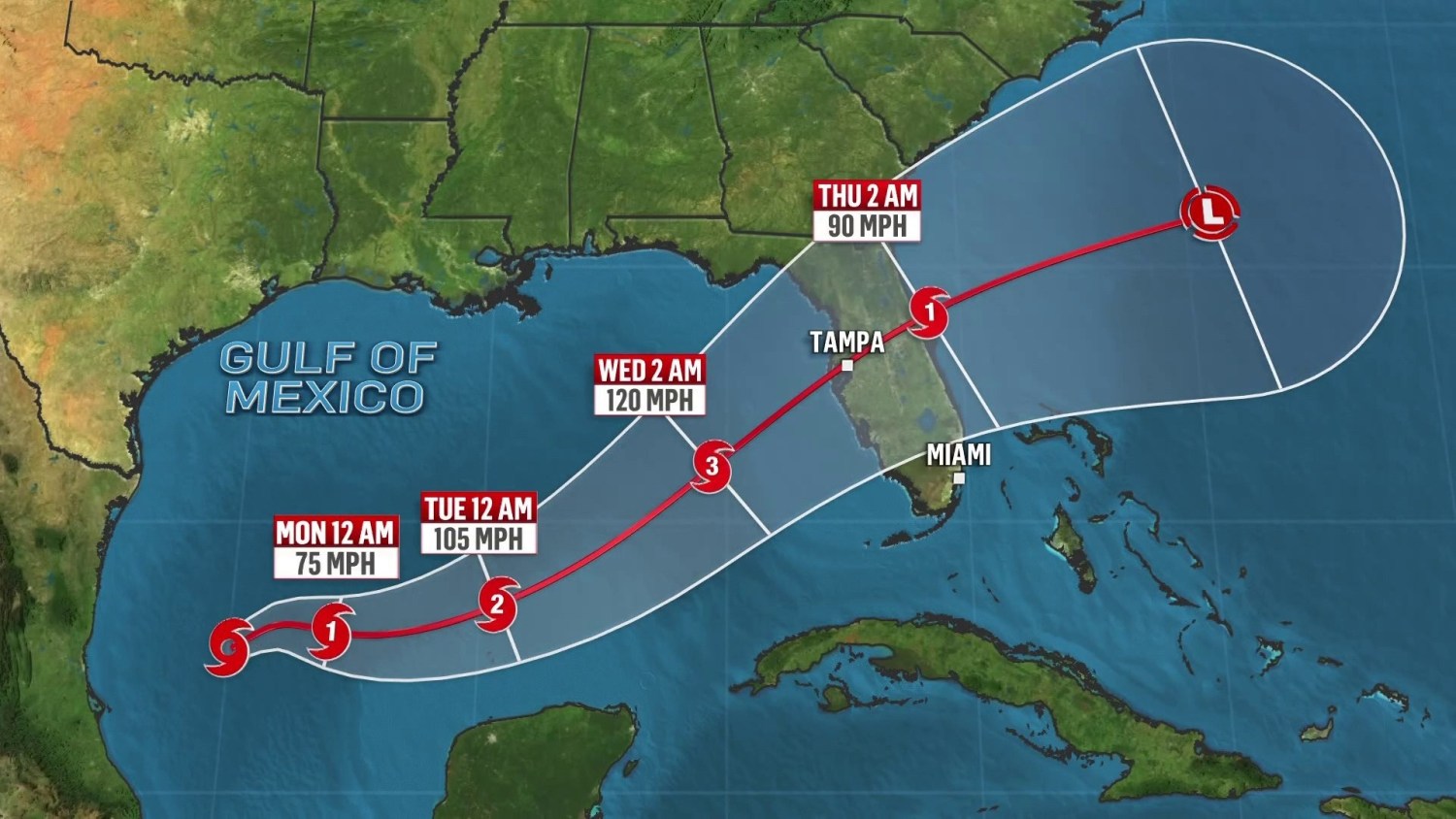
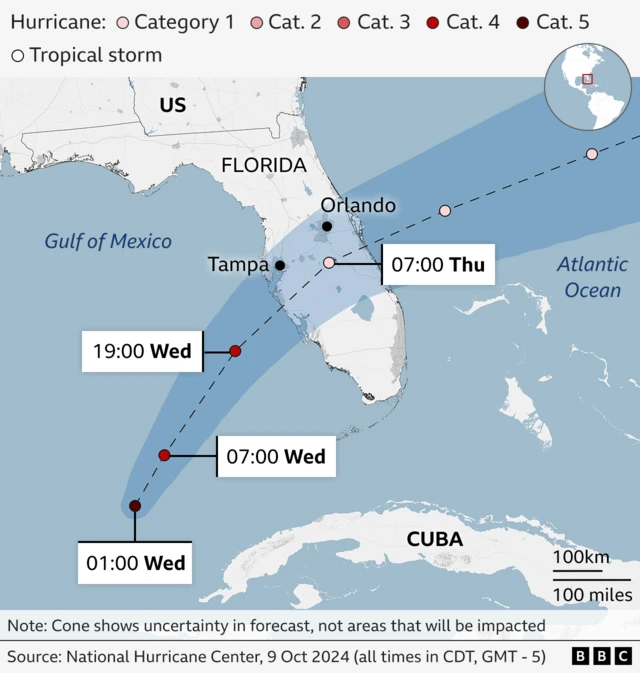
The aftermath of any significant weather event, such as the one left by “Milton,” naturally stirs anxiety and uncertainty, particularly for those planning a visit to the Sunshine State. Florida, renowned for its dazzling beaches, world-class theme parks, and vibrant cities, remains a top travel destination year-round. However, its geographical location makes it susceptible to tropical weather systems during hurricane season. For prospective travelers and seasoned visitors alike, the question of “what’s next?” becomes paramount. Understanding the intricacies of Florida’s weather patterns, preparedness strategies, and the state’s remarkable resilience is key to planning a confident and enjoyable trip. This comprehensive guide will delve into what travelers need to know, from weather outlooks to smart booking strategies, ensuring your next Florida adventure is as seamless and worry-free as possible.
Navigating Florida’s Hurricane Season: A Traveler’s Guide
Hurricane season in the Atlantic officially spans from June 1st to November 30th each year. While storms can occur outside this window, this period marks the highest probability of tropical cyclone formation. The recent activity, exemplified by “Milton,” serves as a potent reminder of this annual cycle. For travelers, understanding these rhythms is the first step toward informed decision-making.
Understanding the Outlook: Post-Milton Projections
While no one can predict with absolute certainty whether another hurricane will directly impact Florida after “Milton,” meteorological agencies provide valuable outlooks and forecasts. Organizations like the National Oceanic and Atmospheric Administration (NOAA) and the National Hurricane Center (NHC) issue seasonal forecasts that give an indication of overall storm activity. These projections consider various atmospheric and oceanic conditions, such as sea surface temperatures and wind shear, which influence hurricane development.
Travelers should monitor these reputable sources regularly, especially if their trip falls within the peak months of August, September, and October. It’s important to remember that a busy hurricane season doesn’t necessarily mean every part of Florida will be affected, nor does a quiet season guarantee calm weather. Localized forecasts and alerts are crucial as your travel date approaches. Staying informed empowers you to make timely adjustments to your plans, whether it’s simply packing an extra rain jacket or considering a flexible booking.
The Rhythms of Florida’s Weather: When to Visit
While Florida is beautiful year-round, certain times offer a lower risk of encountering tropical weather disruptions.
- Spring (March to May): Often considered the sweet spot, with comfortable temperatures, lower humidity, and minimal hurricane risk. This is an ideal time for beach vacations, exploring theme parks, and enjoying outdoor activities.
- Early Summer (June to early July): The official start of hurricane season, but major storms are less common during these initial months. However, daily afternoon thunderstorms are frequent, a typical aspect of Florida’s tropical climate.
- Peak Hurricane Season (August to October): This period carries the highest risk. Travelers booking during these months should prioritize flexible accommodations, comprehensive travel insurance, and diligent weather monitoring. However, prices can often be lower, offering a budget-friendly option for those willing to accept the increased weather risk.
- Late Fall/Winter (November to February): By late November, hurricane season officially ends, and Florida transitions into its dry season. This period offers pleasant, cooler temperatures, making it another excellent time to visit, especially for escaping colder climates.
Choosing your travel dates wisely can significantly impact your overall experience and reduce potential weather-related stress.
Essential Preparations for Florida-Bound Travelers
Beyond choosing the right travel window, proactive preparation is vital.
- Stay Connected: Sign up for local emergency alerts for your destination city or county. Many hotels and resorts also offer guest notification systems.
- Emergency Kit (for longer stays or road trips): While unlikely to be needed for a typical vacation, knowing what to do if you encounter a storm is prudent. Keep essential documents (IDs, insurance info) easily accessible.
- Communication Plan: Ensure family members know your travel itinerary and have contact information for your accommodation.
- Flexible Itinerary: While planning is good, rigidity is not. Be open to altering plans if weather conditions warrant it. This might mean shifting destinations within Florida (e.g., from the Gulf Coast to an inland city like Orlando) or delaying your trip entirely.
Protecting Your Florida Travel Investment: Insurance and Flexibility
For travelers heading to a destination during its hurricane season, safeguarding your financial investment is as important as packing your swimwear. The right preparation can turn a potentially stressful situation into a manageable inconvenience.
The Indispensable Role of Travel Insurance
Travel insurance is arguably the most critical safeguard for trips to Florida during hurricane season. Not all policies are created equal, so understanding the nuances is crucial.
- Trip Cancellation/Interruption: This covers non-refundable expenses if your trip is canceled or cut short due to a covered reason, such as a named hurricane impacting your destination or your home.
- Delayed Coverage: If a storm causes travel delays, this can cover extra accommodation or meal expenses.
- Medical Coverage: Crucial for any trip, ensuring you’re covered for unexpected illnesses or injuries.
- “Cancel For Any Reason” (CFAR) Policies: These are more expensive but offer the ultimate flexibility, allowing you to cancel your trip for any reason (including fear of a storm that hasn’t officially impacted your plans) and recoup a significant portion (usually 50-75%) of your non-refundable costs. This type of policy must typically be purchased within a short window after your initial trip deposit.
- Understanding “Named Storms”: Most standard travel insurance policies require a storm to be officially “named” by the National Hurricane Center before coverage related to it kicks in. This means you cannot buy insurance after a hurricane has been named and expect it to cover issues arising from that specific storm. Therefore, purchasing insurance early is paramount.
Always read the policy’s fine print carefully, especially regarding natural disaster coverage, and don’t hesitate to call the insurance provider with specific questions about Florida travel during hurricane season.
Flexible Booking Policies: A Modern Necessity
Beyond insurance, choosing accommodations and transport with flexible booking and cancellation policies offers an added layer of protection. Many airlines and hotels, especially after recent global events, have adapted to offer more lenient change and cancellation options.
- Airlines: Look for airlines offering fee-free changes or cancellations, even if it means paying a slightly higher fare upfront. Always check the airline’s specific hurricane waiver policies if a storm is approaching your departure or arrival airport.
- Hotels and Accommodation: When booking hotels, resorts, apartments, or villas, prioritize options with “free cancellation” up to a certain date. Many major hotel chains like the Grand Hyatt Hotel and others offer this as a standard feature. For vacation rentals (e.g., via platforms), carefully review the host’s cancellation policy, as these can vary widely. If you’re considering a long-term stay, ensure the lease or booking agreement includes clauses for natural disasters.
- Attractions and Activities: Pre-booking tickets for attractions like Walt Disney World Resort or Universal Orlando Resort can save time, but check their refund or rescheduling policies in case of park closures due to weather.
The peace of mind that comes from knowing you can adjust your plans without significant financial penalties is invaluable when traveling to a hurricane-prone region.
Staying Informed: Reliable Weather Resources

Beyond the initial forecast, continuous monitoring of reliable weather sources is crucial during your trip.
- National Hurricane Center (NHC): The primary authority for tropical weather information in the Atlantic. Their website provides advisories, forecasts, and graphics.
- Local News Outlets: Florida local news channels and websites are excellent sources for real-time updates specific to your destination, including evacuation orders, shelter information, and road closures.
- Hotel Communications: Your accommodation provider will likely have an emergency plan and communication protocols in place. Pay attention to any advisories or instructions they issue.
- Weather Apps: Utilize reputable weather apps that provide real-time radar and severe weather alerts.
Being well-informed allows you to make calm, rational decisions and act quickly if conditions change.
Florida’s Resilience: Tourism and Accommodation in the Aftermath
Despite the annual threat of hurricanes, Florida’s tourism industry and its residents demonstrate extraordinary resilience. The state is exceptionally well-prepared for storms, with robust emergency management systems and a rapid recovery process.
Rebounding Destinations: Where to Travel Safely
Following a storm like “Milton,” the recovery process can vary depending on the severity of the impact and the specific location. However, Florida’s infrastructure is designed to bounce back quickly.
- Inland Cities: Destinations like Orlando, home to major theme parks, are often less directly impacted by storm surge and heavy coastal winds, allowing for quicker recovery and reopening. Their robust tourism infrastructure often means they have better resources for managing storm effects.
- Diverse Coastlines: Florida boasts thousands of miles of coastline, including the Atlantic Coast, Gulf Coast, and the Florida Keys. While some areas may experience damage, others might be entirely unaffected or recover rapidly. For instance, cities like Miami and Fort Lauderdale on the Atlantic Coast often have extensive mitigation measures in place. Areas such as Sarasota, with its beautiful Siesta Key, and Clearwater Beach on the Gulf Coast are popular for their swift recovery efforts and commitment to welcoming tourists.
- Post-Storm Support: After a hurricane, it’s vital to check the status of specific attractions, hotels, and transportation links for your chosen destination. Official tourism boards and local chambers of commerce are excellent resources for up-to-date information on reopenings and conditions.
Hotels and Resorts: Ensuring Guest Safety and Comfort
Florida’s hotels and resorts are well-versed in hurricane preparedness. Their priority is guest safety and comfort.
- Emergency Protocols: Most establishments have detailed emergency plans, including evacuation procedures, designated safe areas, and communication systems. Many modern resorts are built to withstand significant winds and have backup power generators.
- Communication: Expect clear communication from your accommodation regarding storm updates, facility status, and any necessary actions.
- Amenities during a Storm: If a mild storm hits, some resorts may offer limited services, in-room dining, or organized activities to keep guests comfortable and entertained. For more severe threats, evacuation is the standard procedure.
- Booking Options: From luxury resorts in Palm Beach to budget-friendly apartments in Tampa or charming villas on Anna Maria Island, a wide range of accommodation options are available. Look for places with clear cancellation policies, particularly if booking during hurricane season.
Supporting Local Communities: Responsible Tourism
Traveling to Florida after a storm, especially to areas that have recovered, can be a form of responsible tourism. By choosing to visit and spend your vacation dollars, you directly contribute to the economic recovery of affected communities.
- Patronize Local Businesses: Eat at local restaurants, shop at independent boutiques, and book tours with local operators.
- Be Patient and Understanding: Recovery can be a marathon, not a sprint. You might encounter ongoing repairs or slightly altered services. A flexible and understanding attitude goes a long way.
- Volunteer (if appropriate): For longer stays or those deeply moved by the recovery effort, reputable organizations often welcome volunteers, but ensure you are properly affiliated and not hindering professional recovery efforts.
Beyond the Storm: Discovering Florida’s Enduring Allure
Despite the occasional challenges posed by hurricane season, Florida’s appeal remains undeniable. The state offers an incredible diversity of experiences that draw millions of visitors each year, testament to its enduring charm and vibrant lifestyle.
Iconic Landmarks and Natural Wonders: Open for Exploration
From the pristine sands of Clearwater Beach and St. Pete Beach to the historic streets of St. Augustine, Florida is brimming with iconic landmarks and natural wonders.
- Theme Parks: Orlando continues to be the undisputed capital of theme parks, offering endless entertainment for families and thrill-seekers at Walt Disney World Resort and Universal Orlando Resort.
- Beaches: Beyond the immediately recognizable, discover quieter gems like the Gulf beaches of Sanibel Island and Captiva Island (post-recovery), or the vibrant shores of Daytona Beach and South Beach in Miami.
- Nature and Wildlife: Explore the unique ecosystem of Everglades National Park, where airboat tours reveal alligators and diverse birdlife. The Florida Keys, stretching to the southernmost point in Key West, offer unparalleled opportunities for snorkeling, diving, and fishing amidst breathtaking scenery.
- History and Culture: Delve into centuries of history in St. Augustine, the nation’s oldest continuously inhabited European-established settlement, or experience the vibrant Latin culture of Miami’s neighborhoods.
These attractions, and many more across the state, are central to Florida’s tourism and hospitality, and their teams work diligently to ensure they are safe and ready to welcome guests.
The Unwavering Spirit of Florida’s Lifestyle
Florida’s lifestyle is defined by its laid-back charm, outdoor activities, and diverse cultural influences. Whether you prefer luxury travel experiences in Miami and Palm Beach, or budget travel adventures exploring state parks and local eateries, Florida caters to every preference. Family trips find endless joy in its theme parks and child-friendly beaches, while business stays can be productive and enjoyable thanks to robust infrastructure and vibrant city centers.
The state’s residents are accustomed to hurricane season and approach it with a combination of preparedness and an unwavering spirit. This resilience translates into a welcoming environment for visitors, eager to share their beautiful state.
Planning Your Next Florida Adventure with Confidence
While the question “Is there another hurricane coming to Florida after Milton?” is a valid concern, it doesn’t have to deter your travel plans. With diligent research, smart planning, and a flexible mindset, you can navigate the hurricane season successfully and enjoy all that the Sunshine State has to offer.
- Educate Yourself: Understand the season, watch forecasts, and know your destination’s specific risks.
- Insure Your Trip: Invest in comprehensive travel insurance, ideally including “cancel for any reason” for ultimate peace of mind.
- Book Flexibly: Opt for accommodations and transport with generous change and cancellation policies.
- Stay Informed: Monitor official weather sources and local alerts during your trip.
- Embrace Flexibility: Be prepared to adjust your itinerary if necessary.
Florida remains an extraordinary destination, beckoning travelers with its diverse attractions, stunning natural beauty, and warm hospitality. By approaching your travel plans with knowledge and preparation, you can confidently embark on an unforgettable Florida adventure, knowing you’re ready for whatever the weather may bring.
LifeOutOfTheBox is a participant in the Amazon Services LLC Associates Program, an affiliate advertising program designed to provide a means for sites to earn advertising fees by advertising and linking to Amazon.com. Amazon, the Amazon logo, AmazonSupply, and the AmazonSupply logo are trademarks of Amazon.com, Inc. or its affiliates. As an Amazon Associate we earn affiliate commissions from qualifying purchases.