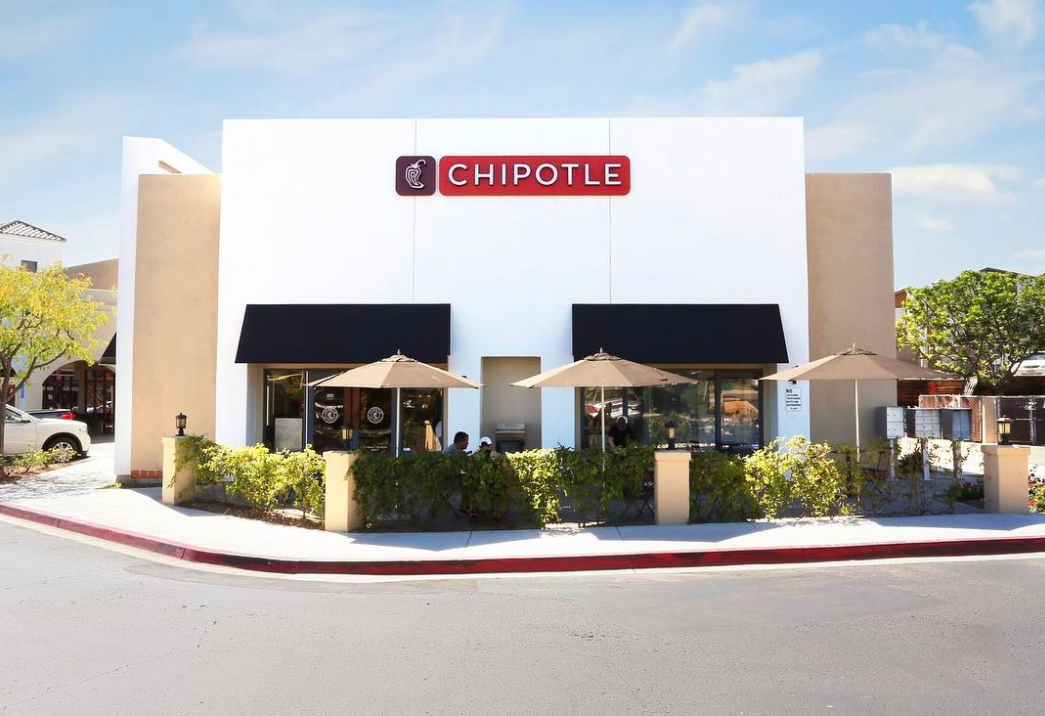
For many travelers arriving in the middle of the Pacific, the comforts of home often include familiar quick-service chains. It is a common question among vacationers landing at Daniel K. Inouye International Airport: “Is there Chipotle in Hawaii?” Whether you are craving a burrito bowl after a long flight to Oahu or seeking a predictable meal while exploring Maui, the answer is a definitive “no.” Despite its massive popularity across the mainland United States, the popular fast-casual Mexican grill has yet to establish a single location on any of the Hawaiian islands.
The Reality of Mainland Chains in the Pacific
The absence of Chipotle Mexican Grill is a frequent point of discussion among both residents and tourists. In a state where McDonald’s and Starbucks seem to have a corner on every street from Honolulu to Kailua-Kona, the lack of this particular chain highlights the complex logistics of island commerce.
The Logistics of Island Dining
Operating a restaurant in Hawaii presents unique challenges that differ significantly from managing a location in California or Texas. Shipping costs for fresh produce, sustainable meat products, and essential dry goods are significantly higher due to the distance from the mainland. Chipotle maintains strict standards regarding its “Food with Integrity” sourcing model. Maintaining that supply chain across the ocean while keeping prices competitive with mainland locations is a hurdle that has, to date, kept the brand from expanding into the archipelago.
Market Saturation and Competition
Hawaii has a vibrant, localized culinary scene that thrives on fresh, locally sourced ingredients. While some chains succeed, others struggle to gain a foothold against local favorites. The Pacific market is small compared to the vast metropolitan hubs of the United States, and for a company like Chipotle, the capital investment required to build distribution networks in Hawaii may simply not provide the return on investment that they find in more accessible mainland regions.
Exploring Local Alternatives to the “Burrito Bowl”
While you may not be able to order a classic burrito bowl from your favorite chain, Hawaii offers a wide array of delicious dining alternatives. Understanding the local food culture is a significant part of the experience when visiting Maui, Kauai, or the Big Island.
The Rise of Fresh-Mex and Local Mexican Fusion
If you find yourself missing the flavors of a burrito or taco, many local entrepreneurs have stepped in to fill the gap. From food trucks in North Shore to casual sit-down spots in Waikiki, you will find excellent Mexican-inspired cuisine that often incorporates fresh, locally caught fish or island-grown vegetables. These establishments offer a more authentic connection to the regional palate than a standard mainland chain ever could.
Why Local Food is the Real Prize
Eating like a local is an essential aspect of the Hawaii experience. Instead of looking for a familiar fast-food brand, visitors are encouraged to sample traditional Hawaiian cuisine. Dishes like poke, kalua pig, and lau lau provide a taste profile that is unique to the islands. Relying on mainland chains often means missing out on the culinary innovations occurring in places like Hilo or Lahaina, where chefs are blending Pacific Rim influences with traditional techniques.

Practical Tips for Dining in Hawaii
If you are planning a trip to Hawaii and are worried about food options, rest assured that the islands are a foodie paradise, provided you remain open to new experiences.
Budgeting for Your Meals
Because most goods are imported, food prices in Hawaii are generally higher than on the mainland. If you are used to the affordability of a Chipotle meal, you may find that dining out in Honolulu requires a bit more room in your budget. To manage costs, look for plate lunch spots—a local staple that offers large, affordable portions of protein, rice, and mac salad. These establishments provide incredible value and are beloved by locals.
Embracing the Island Pace
The lifestyle in Hawaii is famously laid-back, and this extends to the dining industry. Quick-service models that prioritize rapid assembly-line turnover are less common than in mainland cities. Take the time to appreciate the “aloha spirit,” which prioritizes relationships and quality over the frantic pace of mainland fast-food culture. Even if you arrive with a craving for a specific, familiar chain, you will likely find that the local offerings provide a more memorable and flavorful experience.
Is Change on the Horizon?
While there are currently no plans for Chipotle to open in Hawaii, the commercial landscape is always evolving. Occasionally, rumors circulate about potential expansion plans, but until an official announcement comes from the corporate office, fans of the brand will have to wait until they return to Los Angeles, Seattle, or other mainland hubs to get their fix.
The Value of Being an Adventurous Traveler
The best travel experiences occur when we step outside our comfort zones. While the familiarity of Chipotle provides a sense of security, the real joy of visiting Hawaii lies in the discovery of new flavors. Whether you are grabbing a quick snack near Diamond Head or sitting down for a sunset dinner in Wailea, the culinary scene is vast, diverse, and deeply satisfying.
Ultimately, the absence of this specific fast-casual giant is a reminder to embrace the local offerings of the destination you are visiting. Hawaii has much more to offer than familiar mainland brands. From the freshest seafood in Pacific Ocean waters to the innovative farm-to-table practices across the islands, your time here is best spent exploring the unique flavors that only the islands can provide. Next time you board a plane for your dream vacation, leave the cravings for the mainland behind and prepare to fall in love with the vibrant, fresh, and distinctly Hawaiian culinary identity.