
Colorado, renowned for its majestic mountains, sprawling forests, and vibrant outdoor culture, annually draws millions of visitors eager to explore its natural beauty. However, like many Western states, it is also a landscape shaped by natural forces, including wildfires. For travelers planning a visit, understanding the reality of wildfires – their seasonal patterns, potential impacts, and how to stay informed – is paramount to ensuring a safe and enjoyable experience. The question “Is there fires in Colorado?” is not a simple yes or no, but rather an invitation to understand the dynamic environment and prepare accordingly.

Navigating Wildfire Realities for Your Colorado Adventure
Wildfires are an inherent part of the Colorado ecosystem, playing a natural role in forest health by clearing underbrush and promoting new growth. However, a confluence of factors, including persistent drought conditions, historical forest management practices, and the effects of climate change, has led to larger, more intense, and more frequent fires in recent decades. For the discerning traveler, comprehending these dynamics is the first step toward a prepared and resilient journey.
The Inevitable Presence: Wildfire Ecology in Colorado
The peak wildfire season in Colorado typically spans from late spring through fall, though fires can occur at any time of year given the right conditions. Factors such as prolonged periods of dry weather, high temperatures, strong winds, and an abundance of dry vegetation (fuel) create a volatile environment. The state’s extensive pine forests, particularly those affected by bark beetle infestations which leave behind vast swaths of dead and dry trees, are especially susceptible. This ecological reality means that while not every part of Colorado will be actively burning, the potential is always present during these months. It’s not uncommon for areas like the Front Range to experience smoke from fires hundreds of miles away, even if no local incident is reported. This natural cycle, intensified by human impacts, demands a new level of awareness from visitors.
Direct and Indirect Impacts on Travel Experiences
The effects of wildfires on travel can be both direct and indirect, significantly altering planned itineraries and overall experiences. Directly, active wildfires can lead to immediate road closures, forcing detours or making certain areas completely inaccessible. National and state parks, such as portions of Rocky Mountain National Park or various National Forests, may be closed to the public for safety reasons, impacting hiking, camping, and scenic drives. In severe cases, entire towns might be under evacuation orders, requiring travelers to swiftly change plans or even cut their trips short.
Indirect impacts are often more widespread and insidious. Smoke, a common byproduct of wildfires, can drift hundreds of miles, significantly diminishing air quality across vast regions. This can obscure the breathtaking mountain vistas that draw so many to Colorado, turning crisp blue skies into hazy, gray backdrops. More critically, poor air quality poses health risks, especially for individuals with respiratory conditions, the elderly, and young children. Outdoor activities like hiking, biking, and even leisurely strolls in cities like Denver or mountain towns such as Aspen can become uncomfortable or even dangerous. Travelers might find themselves limited to indoor attractions, a stark contrast to the outdoor adventure they envisioned.
Essential Resources for Real-time Wildfire and Travel Information
In an environment where conditions can change rapidly, access to accurate, up-to-date information is invaluable for travelers. Relying on official sources ensures that decisions are based on the most current data, allowing for timely adjustments to travel plans.
Official Incident Reporting and Public Safety Alerts
For comprehensive details on active wildfires, their location, size, containment status, and potential impacts, InciWeb (the National Wildfire Coordinated Group’s incident information system) is an indispensable resource. It provides detailed reports on large-scale incidents across the country, including those in Colorado. For state-level emergency declarations, evacuation zones, and public safety messages, the Colorado Office of Emergency Management website is critical. Additionally, local county sheriff’s departments and U.S. Forest Service district offices often provide specific, localized information regarding closures of trails, campgrounds, and roads within their jurisdictions. Before venturing into any wilderness area, checking these local advisories is paramount.
Monitoring Air Quality and Health Advisories
Beyond active fire perimeters, smoke and air quality are major concerns. The Air Quality Index (AQI) is a standard measure used to report how clean or polluted the air is. Travelers can monitor the AQI for various locations in Colorado through resources like the Colorado Department of Public Health and Environment or national platforms like AirNow. These sites provide real-time data and offer health recommendations based on AQI levels. For example, an AQI above 100 (Unhealthy for Sensitive Groups) might prompt individuals with asthma or heart conditions to limit outdoor exertion, while an AQI over 150 (Unhealthy) generally advises everyone to reduce prolonged or heavy outdoor activity. Being aware of these numbers allows travelers to make informed decisions about their daily activities, whether exploring the urban parks of Colorado Springs or embarking on a challenging hike near Telluride.
Road Conditions and Access Updates
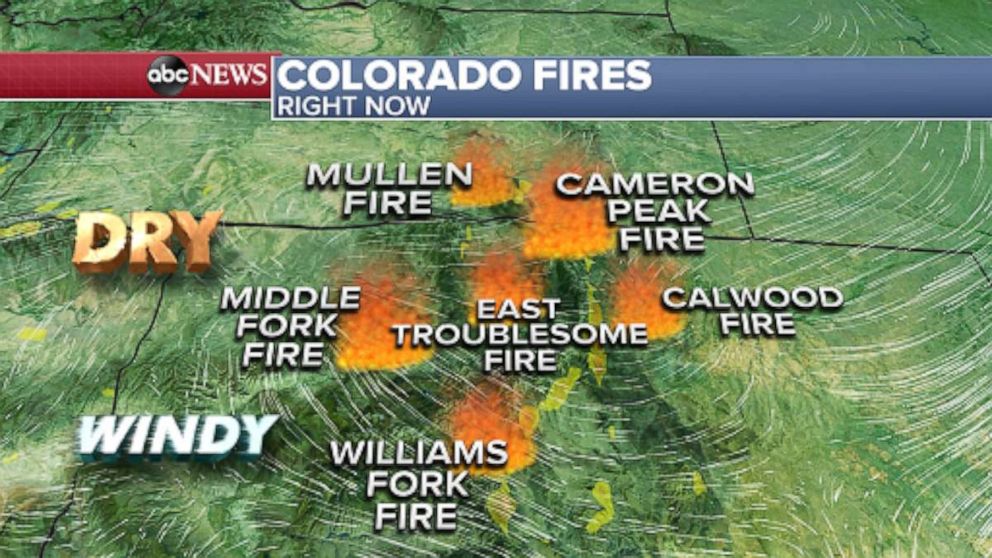
Wildfires frequently impact road networks, leading to closures or restricted access. The Colorado Department of Transportation (CDOT) website and its COtrip map are the definitive sources for real-time information on road conditions, closures, construction, and traffic incidents across the state. This is vital for planning routes, especially when traveling between major cities like Grand Junction and Fort Collins or navigating mountain passes. Fire-related closures can be sudden and extensive, often necessitating long detours. Checking CDOT before each leg of a journey can prevent frustrating delays and ensure safe passage.
Strategic Planning for a Resilient Colorado Getaway
While the presence of wildfires can introduce an element of uncertainty, it doesn’t mean canceling your Colorado trip. Instead, it calls for a more strategic and flexible approach to planning.
Embrace Flexibility and Contingency Planning
The key to a successful Colorado trip during wildfire season is flexibility. Whenever possible, book accommodations (such as at the historic The Broadmoor), flights, and tours with refundable options. This provides the freedom to adjust plans without significant financial loss if a fire incident impacts your chosen destination. Strongly consider purchasing travel insurance that explicitly covers wildfire-related disruptions, including trip cancellation or interruption due to mandatory evacuations, road closures, or air quality issues. Developing alternative itineraries is also a wise strategy. If your mountain hiking plans near Estes Park are thwarted by smoke or closures, having a backup plan to explore the museums and culinary scene in Boulder or visit the Garden of the Gods near Colorado Springs can save your vacation.
Choosing Your Travel Season Wisely
Timing your visit can also influence the likelihood of encountering wildfire impacts. While summer is undeniably popular for its warm weather and full accessibility to high-altitude areas, it often coincides with the peak of wildfire season. Early spring (April-May) can offer fewer crowds and beautiful snow-melt fed landscapes, with generally lower fire risk, though unpredictable weather patterns remain a factor. Late fall (October-November) presents stunning foliage and cooler temperatures, which can reduce fire danger, but conditions vary annually. Travelers seeking to minimize wildfire concerns might consider these shoulder seasons, while still recognizing that the risk is never entirely absent.
Responsible Practices to Prevent Wildfires
Every traveler plays a role in wildfire prevention. Human activity is a leading cause of wildfires, often due to carelessness. Adhere strictly to all fire bans, which may prohibit campfires, charcoal grills, and even certain types of outdoor cooking equipment. When campfires are permitted, ensure they are built in designated fire rings, attended at all times, and fully extinguished with water before leaving. Properly dispose of all smoking materials, never tossing them from a vehicle. Be mindful of parking hot vehicles over dry grass, and avoid using equipment that can spark in dry conditions. Familiarize yourself with “Leave No Trace” principles, which inherently promote fire safety by minimizing human impact on natural environments. Your vigilance directly contributes to safeguarding Colorado’s natural treasures for future generations.
Ensuring a Safe and Enjoyable Colorado Experience
A trip to Colorado is an unforgettable experience, and with careful planning and awareness, it can remain so even amidst wildfire concerns. Proactive engagement with information and a responsible mindset are your best tools.
Pre-trip Vigilance and On-site Awareness
The planning for a safe trip begins long before you arrive. Start monitoring wildfire conditions and weather forecasts for your intended destinations weeks in advance. Subscribe to local news alerts or follow official emergency management social media accounts. Once you’re in Colorado, continue to stay informed. Many hotels, visitor centers, and national park entrance stations will have the latest information on local conditions, closures, and air quality. Don’t hesitate to ask park rangers or local business owners for their insights, as they often have the most up-to-the-minute understanding of the situation on the ground.
Emergency Preparedness and Response
In the rare event that a wildfire directly impacts your travel plans or forces an evacuation, being prepared can make all the difference. Always know your evacuation routes, which are typically well-marked in fire-prone areas. Keep your vehicle’s fuel tank at least half full. Have an emergency kit readily accessible, including water, non-perishable snacks, a first-aid kit, and any necessary medications. Most importantly, if you receive an evacuation order or warning, follow the instructions of authorities immediately and without hesitation. Local law enforcement, park rangers, and emergency personnel are trained to guide you to safety.

Supporting Colorado’s Resilience
Despite the challenges, Colorado remains a magnificent destination. By traveling responsibly and staying informed, you contribute to the state’s vital tourism economy, which supports countless local businesses and communities. When safe to do so, continuing your travel plans helps sustain the very communities that might be impacted by these events. It shows solidarity and a commitment to enjoying the beauty that still thrives, recognizing that the spirit of Colorado is as resilient as its landscape.
LifeOutOfTheBox is a participant in the Amazon Services LLC Associates Program, an affiliate advertising program designed to provide a means for sites to earn advertising fees by advertising and linking to Amazon.com. Amazon, the Amazon logo, AmazonSupply, and the AmazonSupply logo are trademarks of Amazon.com, Inc. or its affiliates. As an Amazon Associate we earn affiliate commissions from qualifying purchases.