
The specter of hurricane season always casts a shadow over plans for visiting or residing in the Sunshine State. For those dreaming of sandy beaches, theme park adventures, or simply enjoying the vibrant lifestyle of Florida, the question of hurricane activity is paramount. This article delves into the likelihood of a hurricane impacting Florida, offering insights for travelers, residents, and anyone planning a trip to this popular destination. Understanding the patterns, preparedness, and potential impacts is crucial for a smooth and safe experience, regardless of whether you’re seeking luxury resorts, budget-friendly stays, or exploring its rich local culture.

The Florida peninsula’s unique geography makes it particularly susceptible to tropical cyclones. Surrounded by the warm waters of the Atlantic Ocean and the Gulf of Mexico, the state serves as a common landfall point for these powerful storms. The hurricane season officially runs from June 1st to November 30th, with the peak activity typically occurring between August and October. This period aligns with the warmest ocean temperatures, which provide the necessary fuel for hurricanes to form and intensify.
Understanding Hurricane Season in Florida
Hurricane season isn’t a monolithic event; it’s a dynamic period influenced by a complex interplay of atmospheric and oceanic conditions. Forecasters meticulously track various climate signals to predict the intensity and frequency of storms. These predictions are vital for planning, especially for a state that thrives on tourism and has a significant coastal population. The impact of hurricanes can range from minor inconvenience to widespread devastation, making proactive planning and informed decision-making essential.
When is Hurricane Season?
The official designation of Hurricane Season for the Atlantic basin, which includes Florida, begins on June 1st and concludes on November 30th. While storms can technically form outside these dates, the six-month window encompasses the vast majority of tropical cyclone activity.
The Peak of the Season
Within the broader hurricane season, there are typically periods of heightened activity. The most active part of the season is generally considered to be from mid-August through October. During these months, the Atlantic Ocean has reached its peak warmth, and atmospheric conditions are often most conducive to storm development. This means that while the entire season warrants attention, travelers and residents should be particularly vigilant during this mid-to-late season timeframe.
Factors Influencing Hurricane Activity
Numerous factors contribute to the formation and trajectory of hurricanes. Scientists closely monitor phenomena such as:
- Sea Surface Temperatures (SSTs): Warmer ocean waters provide more energy for hurricanes to develop and strengthen. The Atlantic Ocean‘s warming trends significantly influence the season’s activity.
- El Niño-Southern Oscillation (ENSO): This climate pattern, which describes fluctuations in sea surface temperatures in the eastern tropical Pacific Ocean, can impact atmospheric conditions across the globe, including the Atlantic basin. An El Niño phase can sometimes lead to a less active hurricane season in the Atlantic, while a La Niña phase can contribute to a more active one.
- Wind Shear: High wind shear – the change in wind speed or direction with height in the atmosphere – can disrupt the vertical structure of a developing storm, hindering its ability to organize and intensify.
- The Madden-Julian Oscillation (MJO): This eastward-moving,30-to-60-day wave of cloudiness and rainfall near the equator can influence weather patterns, including tropical cyclone activity.
By analyzing these and other indicators, meteorological agencies like the National Oceanic and Atmospheric Administration (NOAA) provide seasonal hurricane outlooks. These outlooks offer a probabilistic forecast of the number of named storms, hurricanes, and major hurricanes expected during the season. While these are predictions and not guarantees, they serve as valuable tools for preparedness.
Preparing for Potential Hurricanes in Florida
Whether you are a seasoned resident or a first-time visitor, preparedness is key to navigating hurricane season in Florida. This involves understanding evacuation zones, having a plan, and securing accommodations. The tourism industry in Florida, from the bustling theme parks of Orlando to the serene beaches of the Florida Keys, is accustomed to hurricane season and has robust contingency plans in place.

Travel and Accommodation Considerations
For travelers, the timing of their visit is a significant factor. While the shoulder seasons (early June and late November) might offer fewer crowds and pleasant weather, the risk of encountering a storm is still present. The peak months of August, September, and October carry the highest likelihood of hurricane activity.
- Booking Flexibility: When booking flights and accommodations, consider travel insurance and flexible booking options. Many hotels, such as the Ritz-Carlton Amelia Island or the Gaylord Palms Resort & Convention Center, offer flexible cancellation policies during hurricane threats. Researching hotels with strong hurricane preparedness plans, like those in Miami Beach or Clearwater Beach, can provide peace of mind.
- Evacuation Zones: Florida has designated hurricane evacuation zones. If you are staying in a coastal area or a low-lying region, familiarize yourself with these zones. Local emergency management agencies provide detailed maps and information. If an evacuation order is issued, it is crucial to heed the warnings.
- Resort and Hotel Preparedness: Reputable resorts and hotels in Florida are well-versed in hurricane protocols. They often have emergency supplies, backup power, and clear communication channels with guests. Staying informed about the hotel’s specific hurricane plan is advisable. For example, resorts like The Breakers Palm Beach have extensive experience in managing hurricane threats and ensuring guest safety.
- Transportation: During a hurricane threat or evacuation, transportation can be significantly impacted. Flights may be canceled, and roads could be congested or closed. Plan for potential delays and have alternative transportation options in mind if possible.
Staying Informed and Safe
The most critical aspect of hurricane preparedness is staying informed. Rely on official sources for accurate and timely information.
-
Official Sources:
- National Hurricane Center (NHC): This is the primary source for tropical cyclone watches, warnings, and advisories.
- Florida Division of Emergency Management (FDEM): This agency provides state-specific information on preparedness, evacuation, and recovery.
- Local Emergency Management: Each county in Florida has its own emergency management office with localized information, including evacuation routes and shelter locations.
- National Weather Service (NWS): Provides detailed weather forecasts and alerts.
-
Communication: Ensure you have a way to receive alerts, even if power or internet service is interrupted. This might include a battery-powered NOAA weather radio or a smartphone with alerts enabled.
-
Emergency Kit: Prepare an emergency kit with essentials such as water, non-perishable food, a first-aid kit, medications, flashlights, batteries, and important documents. This kit is vital whether you are sheltering in place or evacuating.
-
Know Your Options: Understand whether your accommodation is in an evacuation zone and what the local authorities recommend. If you are in a designated zone, have a plan for where you will go, whether it’s to an inland hotel, a friend’s house, or a public shelter.
What to Expect During and After a Hurricane in Florida
The experience of a hurricane in Florida can vary greatly depending on the storm’s intensity, track, and size. Understanding these potential impacts can help manage expectations and ensure safety. From the devastating power of a Category 5 storm to the more localized effects of a tropical storm, preparedness and informed action are paramount.
The Immediate Impact
During a hurricane, conditions can rapidly deteriorate. Strong winds can cause widespread damage to buildings and infrastructure, while heavy rainfall can lead to significant flooding. Storm surge, a rise in sea level caused by the storm, is often the most dangerous aspect of a hurricane, capable of inundating coastal areas.
- Wind Damage: Flying debris can be a significant hazard, and even well-built structures can suffer damage from prolonged exposure to high winds.
- Flooding: Inland flooding from heavy rains can occur far from the coast. This can affect roadways, homes, and businesses, and can persist for days after the storm has passed.
- Power Outages: Power outages are common during and after hurricanes and can last for extended periods, impacting communications, refrigeration, and essential services.
- Storm Surge: This is a critical threat to coastal communities. Areas like Fort Myers Beach or the Florida Keys are particularly vulnerable to significant storm surge inundation.
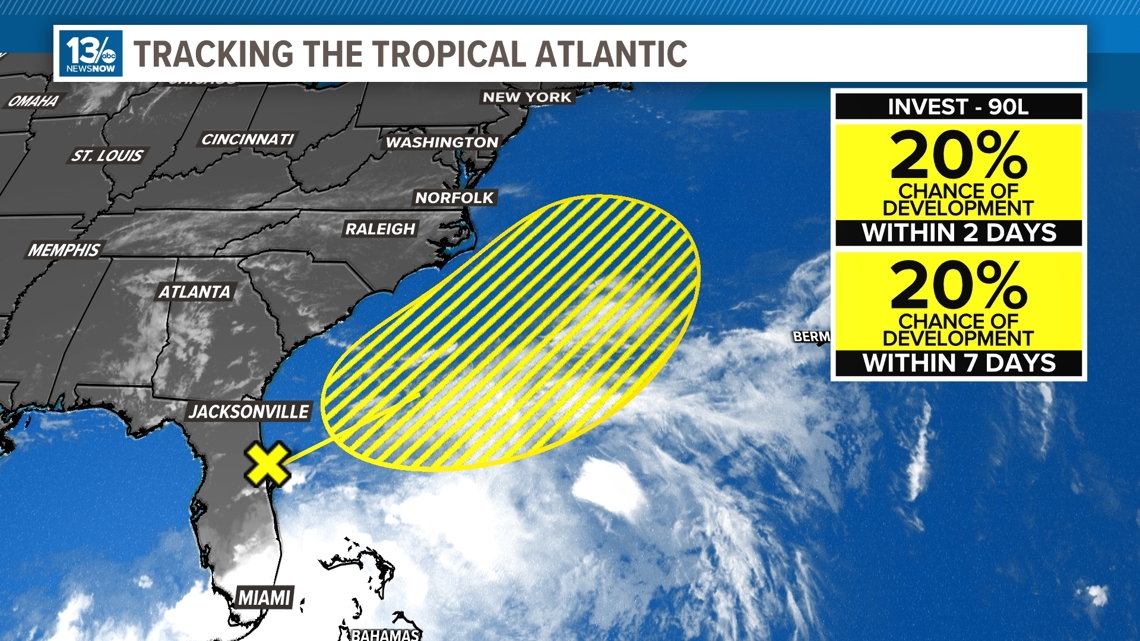
Post-Hurricane Recovery
The aftermath of a hurricane presents its own set of challenges. Recovery efforts can take weeks, months, or even years, depending on the severity of the damage.
- Infrastructure Repair: Repairing damaged roads, bridges, power lines, and communication networks is a massive undertaking.
- Disaster Relief: Government agencies and charitable organizations often provide assistance to affected communities.
- Environmental Impact: Hurricanes can have significant environmental consequences, including coastal erosion, damage to natural habitats like the Everglades, and pollution from debris.
- Economic Repercussions: The tourism and business sectors can face substantial economic losses, impacting local economies. Destinations like Key West rely heavily on tourism, and a severe hurricane can have a long-lasting economic effect.
While the possibility of a hurricane in Florida is a serious concern, it is important to remember that millions of people live and visit Florida safely each year. By staying informed, preparing adequately, and heeding the advice of emergency officials, individuals can significantly mitigate the risks associated with hurricane season. Whether you are planning a visit to the theme parks of Orlando, exploring the historical charm of St. Augustine, or seeking relaxation at a luxury resort in Naples, a proactive approach to hurricane preparedness ensures a safer and more enjoyable experience in the Sunshine State.
LifeOutOfTheBox is a participant in the Amazon Services LLC Associates Program, an affiliate advertising program designed to provide a means for sites to earn advertising fees by advertising and linking to Amazon.com. Amazon, the Amazon logo, AmazonSupply, and the AmazonSupply logo are trademarks of Amazon.com, Inc. or its affiliates. As an Amazon Associate we earn affiliate commissions from qualifying purchases.