
For many considering a visit to the Sunshine State, relocating for a change of pace, or simply exploring new lifestyle options, the question of taxation often looms large. While the allure of pristine beaches, vibrant cities, and world-class attractions is undeniable, the financial landscape can significantly influence travel plans, long-term stays, and even the decision to make a permanent move. One of the most frequently asked questions, especially by those accustomed to higher tax burdens in other regions of the United States, is whether Florida levies an income tax. The straightforward answer, which has contributed immensely to its popularity among retirees, remote workers, and entrepreneurs alike, is a resounding no for personal income. However, understanding the full picture of taxes in Florida is crucial for anyone planning their next adventure, seeking a new home, or simply looking to manage their budget effectively.
This unique tax advantage, or lack thereof, on personal income positions Florida as a highly attractive destination for various demographics. From short-term tourists planning a luxury escape to snowbirds seeking a warmer winter residence, or even digital nomads eyeing a long-term base, the absence of a state income tax can translate into significant savings. But, like any financial ecosystem, the absence of one tax often means the presence of others. To fully appreciate the financial implications of visiting or living in Florida, one must delve deeper into its overall tax structure, which encompasses sales tax, accommodation taxes, property taxes, and various business levies. For the savvy traveler or prospective resident, gaining a comprehensive understanding of these elements is key to making informed decisions about everything from choosing the right accommodation – be it a lavish Ritz-Carlton resort, a cozy Marriott suite, or a charming Key West villa – to budgeting for theme park adventures at Walt Disney World Resort or a culinary tour through Miami.
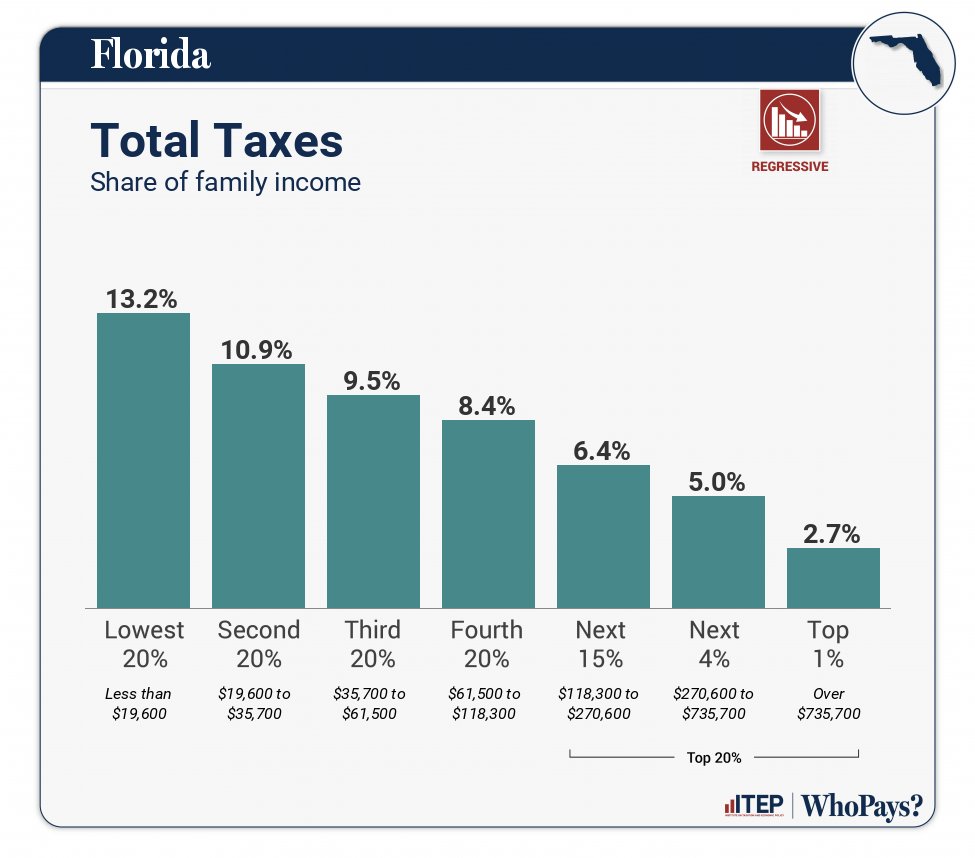
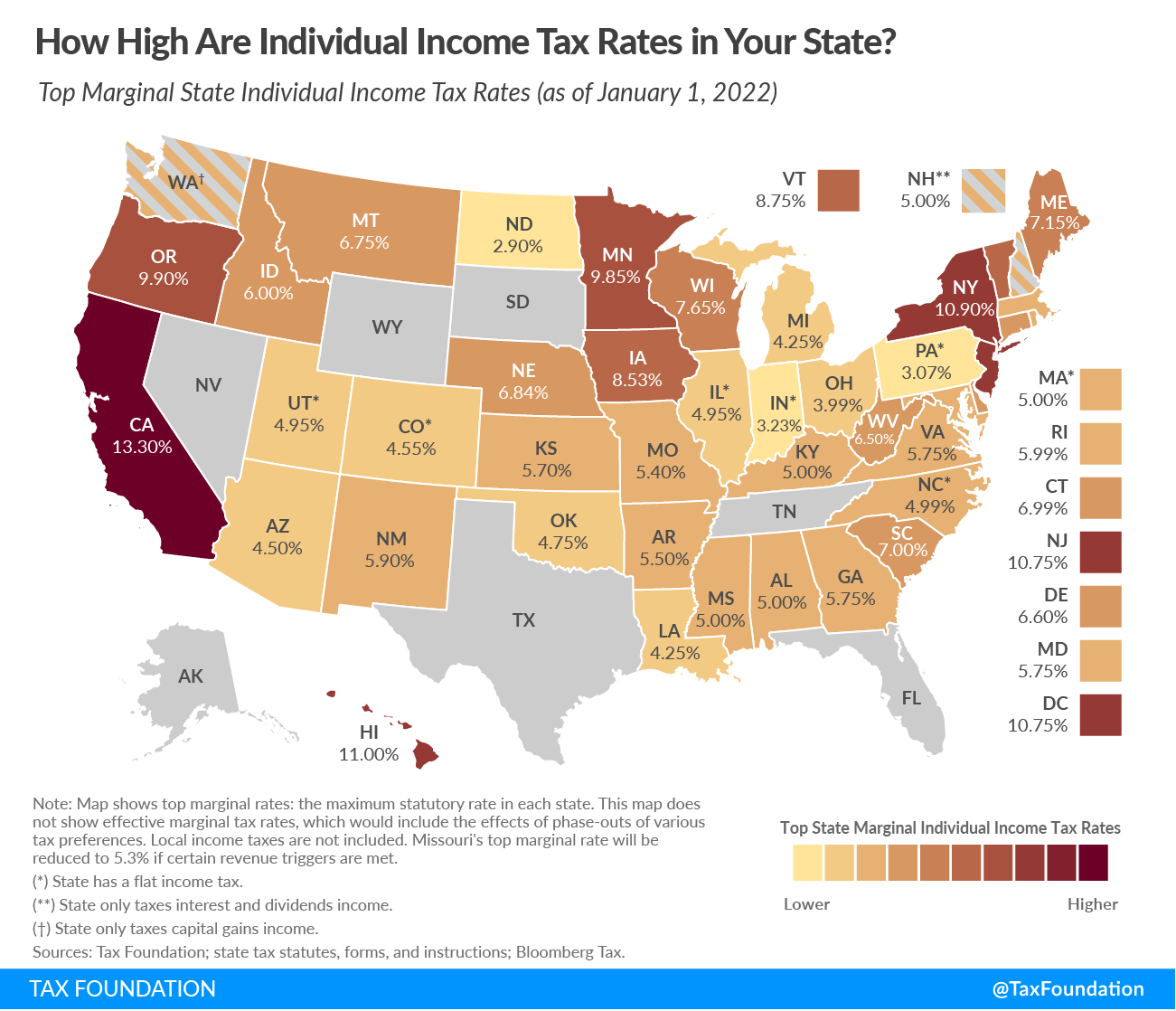
The Sunshine State’s Tax Advantage: No Personal Income Tax
The cornerstone of Florida’s appeal to millions is its constitutional prohibition against a state personal income tax. This means that individuals residing in Florida do not pay state income tax on their wages, salaries, investment income, or any other form of personal income. This distinct financial benefit directly impacts the take-home pay of residents, making the state particularly attractive to those seeking to maximize their earnings and savings. Compared to states like California or New York, where state income tax rates can climb into double digits, Florida offers a compelling financial incentive.
For many, this isn’t just a minor perk; it’s a significant factor in lifestyle decisions. Retirees, for example, find their pensions, social security benefits, and withdrawals from retirement accounts untouched by state income tax, allowing their nest eggs to stretch further amidst the sunny climate and abundant recreational opportunities. Remote workers and digital nomads, free from geographical constraints, often gravitate towards Florida to enjoy a higher disposable income while embracing a desirable work-life balance. Whether they choose a trendy apartment in Miami, a quiet beachfront condo in Sarasota, or a family-friendly home in Orlando, the absence of state income tax contributes directly to their financial well-being.
This policy also fuels Florida’s robust economy by attracting businesses and skilled professionals. Entrepreneurs considering launching new ventures or expanding existing ones often look at states with favorable tax policies, and Florida’s lack of personal income tax, coupled with its pro-business environment, makes it a prime location. While federal income taxes still apply to all citizens and residents of the United States, the absence of a state-level income tax provides a significant competitive edge and a palpable financial relief for those who call Florida home or choose it for extended stays.
Beyond Income: Understanding Other Florida Taxes
While the lack of personal income tax is a major draw, it’s crucial for both visitors and potential residents to understand that Florida does generate revenue through other avenues. These taxes contribute to the state’s infrastructure, public services, and the maintenance of the very attractions that draw millions each year. Ignoring these can lead to unexpected expenses in your travel budget or long-term financial planning.
Sales Tax: A Standard Consideration
Like most states, Florida imposes a sales tax on the retail sale of goods, certain services, and transient rentals (short-term accommodation). The statewide sales tax rate is 6%. However, counties can and often do levy their own discretionary sales surtaxes, which can raise the total sales tax rate in a specific area. For instance, in popular tourist destinations like Miami-Dade County or Orange County (home to Orlando’s theme parks), the combined sales tax rate can be higher, often reaching 6.5%, 7%, or even 7.5% in some municipalities.
This sales tax applies to almost everything you purchase during your visit: souvenirs from Busch Gardens Tampa Bay, meals at restaurants along South Beach, groceries (though most food items are exempt), clothing from boutiques in Palm Beach, and even tickets to attractions like Universal Studios Florida or Kennedy Space Center Visitor Complex. For travelers, budgeting for this additional cost on nearly every transaction is essential. For residents, it’s a routine part of daily expenditures, affecting everything from furniture purchases to vehicle repairs. Understanding these local variations is particularly important for those planning long-term stays, as these seemingly small percentages can add up significantly over time.

Accommodation Taxes: Your Stay’s Hidden Costs
Perhaps one of the most impactful taxes for travelers and those seeking short-term accommodations is the Tourist Development Tax (TDT), also known as resort tax, bed tax, or transient rental tax. This tax is levied on the rental amount of any accommodation that is rented for six months or less, including hotels, motels, vacation rentals, and even certain campsites. The purpose of the TDT is to fund tourism promotion, beach renourishment, and tourism-related infrastructure projects, directly benefiting the local tourism economy.
The TDT rate varies by county, typically ranging from 2% to 6% on top of the statewide 6% sales tax. This means that a nightly stay at a luxury resort in Naples, a cozy inn in St. Augustine, or a family-friendly suite near Walt Disney World Resort will incur both the 6% state sales tax and the county-specific TDT. For example, in Orlando’s Orange County, the TDT is 6%, bringing the total tax on your accommodation to 13.5% (6% state sales tax + 0.5% county discretionary sales surtax + 6% TDT). In Miami-Dade County, the TDT can reach 6% in addition to other local taxes, pushing the total even higher.
These taxes can significantly increase the total cost of your stay, especially for longer vacations or bookings at high-end establishments like a Hyatt Regency or Hilton property. Travelers are well-advised to factor these percentages into their budgeting when comparing hotel prices or booking vacation rentals. It’s not uncommon for a “deal” on a room to feel less appealing once these combined taxes, along with potential resort fees (which are separate charges levied by hotels, not taxes), are added to the final bill.
Property Tax: For Homeowners and Long-Term Planners
For those considering a permanent move or purchasing a second home in Florida, property taxes become a significant financial consideration. Property taxes are locally assessed and collected by counties and municipalities to fund schools, local government services, and infrastructure. The amount of property tax an owner pays is determined by the assessed value of their property and the local millage rate (tax rate).
While Florida’s property taxes are generally considered moderate compared to some high-tax states, they can vary widely depending on the location, property value, and available exemptions. Homeowners who claim Florida as their primary residence are eligible for the homestead exemption, which reduces the taxable value of their home by up to $50,000, significantly lowering their property tax bill. There are also additional exemptions for seniors, veterans, and individuals with disabilities.
When planning to purchase a home, whether a waterfront mansion in Fort Lauderdale, a family residence in Tampa, or a charming bungalow in the Florida Keys, understanding the local property tax rates and eligibility for exemptions is paramount. These taxes are a recurring annual expense and should be thoroughly investigated before making a real estate investment decision in the Sunshine State.
Business Taxes: For Entrepreneurs and Investors
Beyond individual taxation, Florida also has a tax structure for businesses. The state levies a corporate income tax on C corporations, with a rate that has historically been competitive. While the state’s corporate income tax rate might apply, many small businesses and sole proprietorships organized as S corporations, partnerships, or LLCs are often structured as pass-through entities, meaning the business income “passes through” to the owners and is taxed at the individual level. Since Florida has no personal income tax, owners of these pass-through entities benefit significantly, as they avoid state income tax on their business profits.
Additionally, businesses in Florida are subject to other taxes, such as reemployment tax (formerly unemployment tax), which funds unemployment benefits, and various industry-specific taxes or fees. For individuals looking to relocate and start a business, or investors eyeing commercial opportunities in burgeoning cities like Jacksonville, understanding the full scope of business taxation is essential for sound financial planning and operational success.
The Financial Landscape for Travelers and Residents
Navigating the financial aspects of visiting or living in Florida requires more than just knowing about the absence of personal income tax. It’s about strategically budgeting and understanding how the various taxes and fees interact with your travel and lifestyle choices.
Budgeting for Your Florida Getaway
For tourists, the budgeting process should extend beyond just the headline costs of flights, hotels, and attraction tickets. While the lack of state income tax doesn’t directly affect your vacation spending (as you’re likely earning income elsewhere), the sales tax and accommodation taxes will certainly add up. When planning a trip to a major theme park like Walt Disney World Resort or Universal Studios Florida, remember that ticket prices, merchandise, and all your meals within and outside the parks will be subject to local sales tax. A family vacation for a week in Orlando, including multiple nights in a resort and daily dining, can see hundreds of dollars added to the bill through these taxes.
Furthermore, consider the prevalence of resort fees, particularly in popular tourist areas. These are charges levied by hotels for amenities such as Wi-Fi, gym access, or pool towels, and they are not included in the room rate and are often taxed. Always check the fine print when booking accommodations on any platform to avoid surprises. When budgeting for dining, factor in not just the meal cost and sales tax, but also gratuities, which are standard in the United States. From a casual beachfront cafe in Fort Myers to a gourmet restaurant in South Beach, these additions can significantly inflate your food budget if not accounted for. Planning effectively means allocating a percentage of your total budget, perhaps 10-15%, specifically for various taxes and unexpected fees.
The Lifestyle Impact: Why Florida Attracts Many
The overall tax environment in Florida, particularly the absence of personal income tax, plays a pivotal role in shaping its lifestyle appeal. For many, it means a greater capacity to afford the state’s renowned quality of life, which often includes year-round outdoor activities, access to beautiful beaches along the Atlantic Ocean and Gulf of Mexico, and a vibrant cultural scene.
Retirees, in particular, find Florida an ideal haven. The absence of state income tax allows their retirement funds to go further, supporting a comfortable lifestyle in communities designed for active adults. Many choose to spend their winters as “snowbirds,” enjoying the temperate climate and returning north for the summer, but an increasing number are making Florida their permanent residence, drawn by both financial incentives and the pleasant environment.
For remote workers and professionals, the ability to retain a larger portion of their income, combined with the attractive amenities of cities like Tampa, Orlando, and Miami, makes Florida an increasingly popular choice. The state offers diverse landscapes, from the bustling urban centers to the serene natural beauty of places like Everglades National Park, catering to a wide range of preferences and budgets. The tax structure, therefore, is not just a financial detail; it’s a foundational element that supports and enhances the lifestyle opportunities available across the state, from luxury travel experiences to budget-friendly family trips.
In conclusion, while the answer to “Is there income tax in Florida?” for individuals is a clear and appealing “no,” a comprehensive understanding of the state’s broader tax landscape is indispensable. For travelers, acknowledging and budgeting for sales and accommodation taxes will ensure a smoother, more predictable experience, whether you’re staying at a five-star resort or a charming boutique hotel. For those considering a more permanent move, the absence of personal income tax offers a compelling financial advantage, but it must be weighed against property taxes and the general cost of living. Florida truly offers something for everyone, and by being informed about its unique tax environment, visitors and future residents alike can unlock the full potential of this dynamic and perpetually sunny destination.
LifeOutOfTheBox is a participant in the Amazon Services LLC Associates Program, an affiliate advertising program designed to provide a means for sites to earn advertising fees by advertising and linking to Amazon.com. Amazon, the Amazon logo, AmazonSupply, and the AmazonSupply logo are trademarks of Amazon.com, Inc. or its affiliates. As an Amazon Associate we earn affiliate commissions from qualifying purchases.