
The question of inheritance tax in Florida is a common one for individuals planning their estates or dealing with the passing of a loved one. Understanding the tax landscape is crucial for ensuring a smooth transfer of assets and avoiding unexpected financial burdens. Fortunately for many, Florida does not levy an inheritance tax. This distinction is significant when compared to states that do impose such a tax, offering a degree of financial relief to beneficiaries.
However, the absence of inheritance tax does not mean there are no tax implications at all. Federal estate tax, for instance, remains a consideration for larger estates. Additionally, various other taxes and fees might apply to the transfer of assets, depending on the nature of the assets and the estate’s complexity. Navigating these intricacies requires a clear understanding of both state and federal regulations.
Understanding Florida’s Tax Landscape
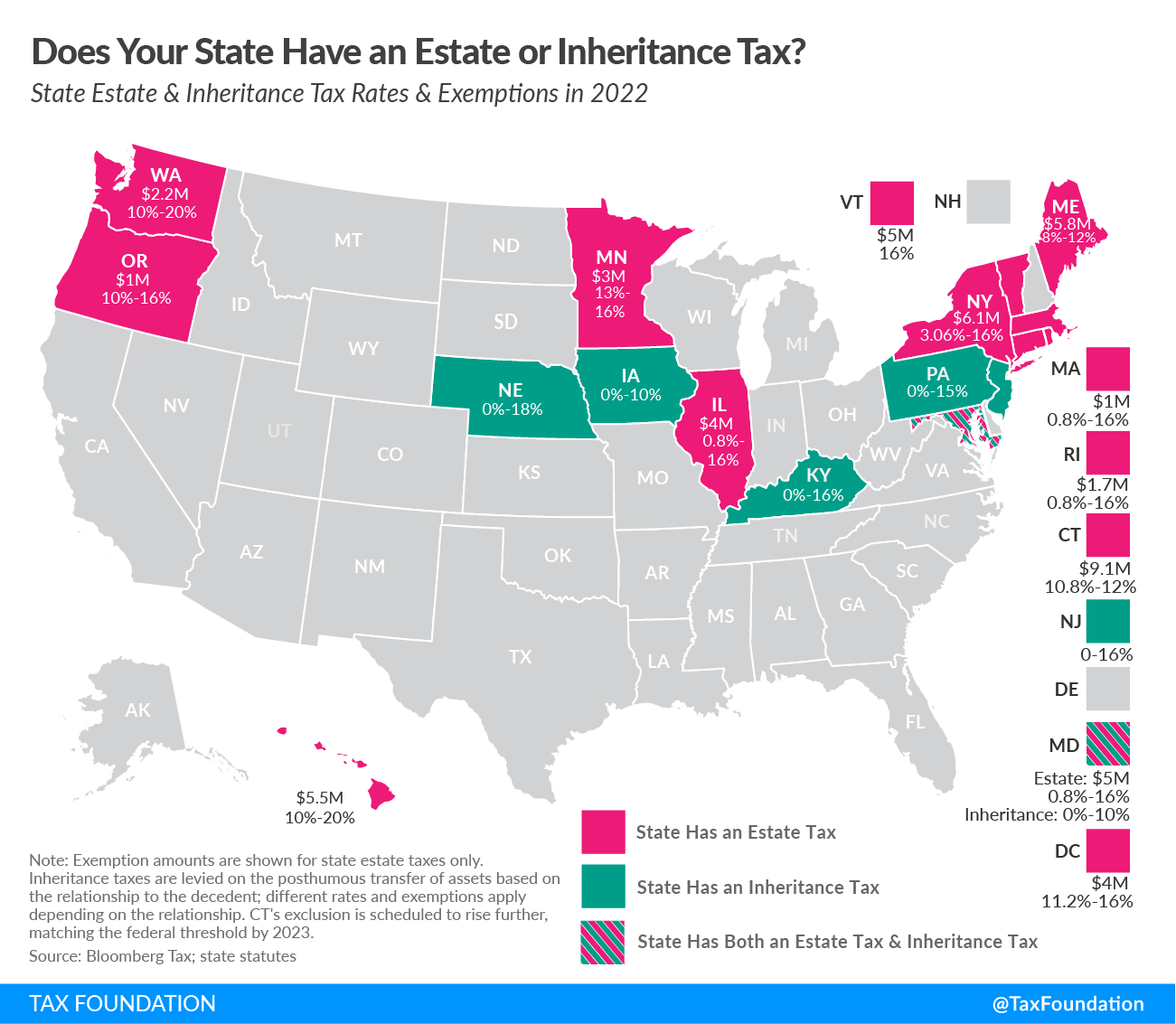
Florida has long been recognized for its tax-friendly environment, particularly concerning income and estate taxes. The state’s constitution explicitly prohibits a personal income tax. This absence extends to inheritance tax, which is a tax imposed on the heirs who receive property from a deceased person’s estate.
The Absence of State Inheritance Tax
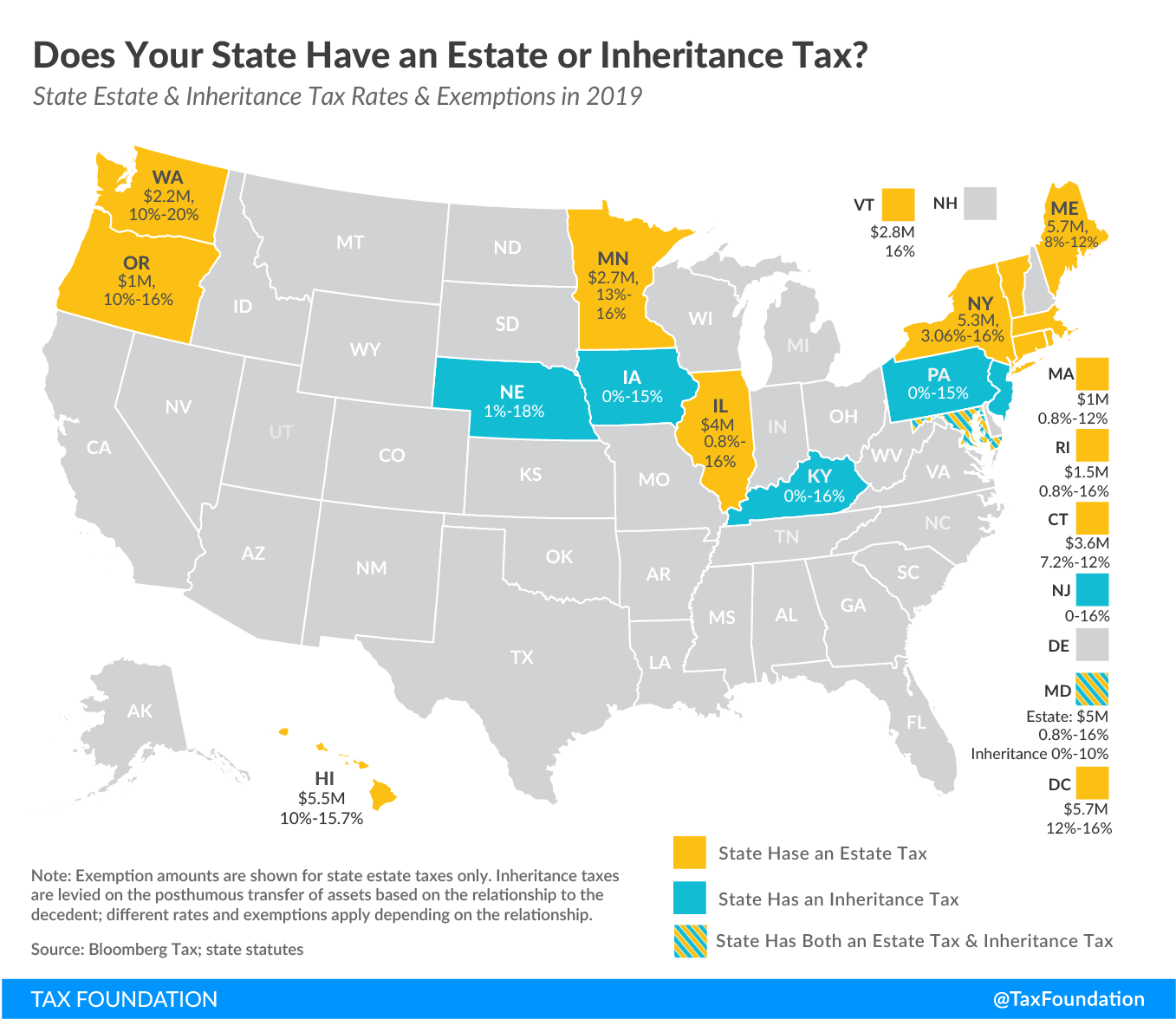
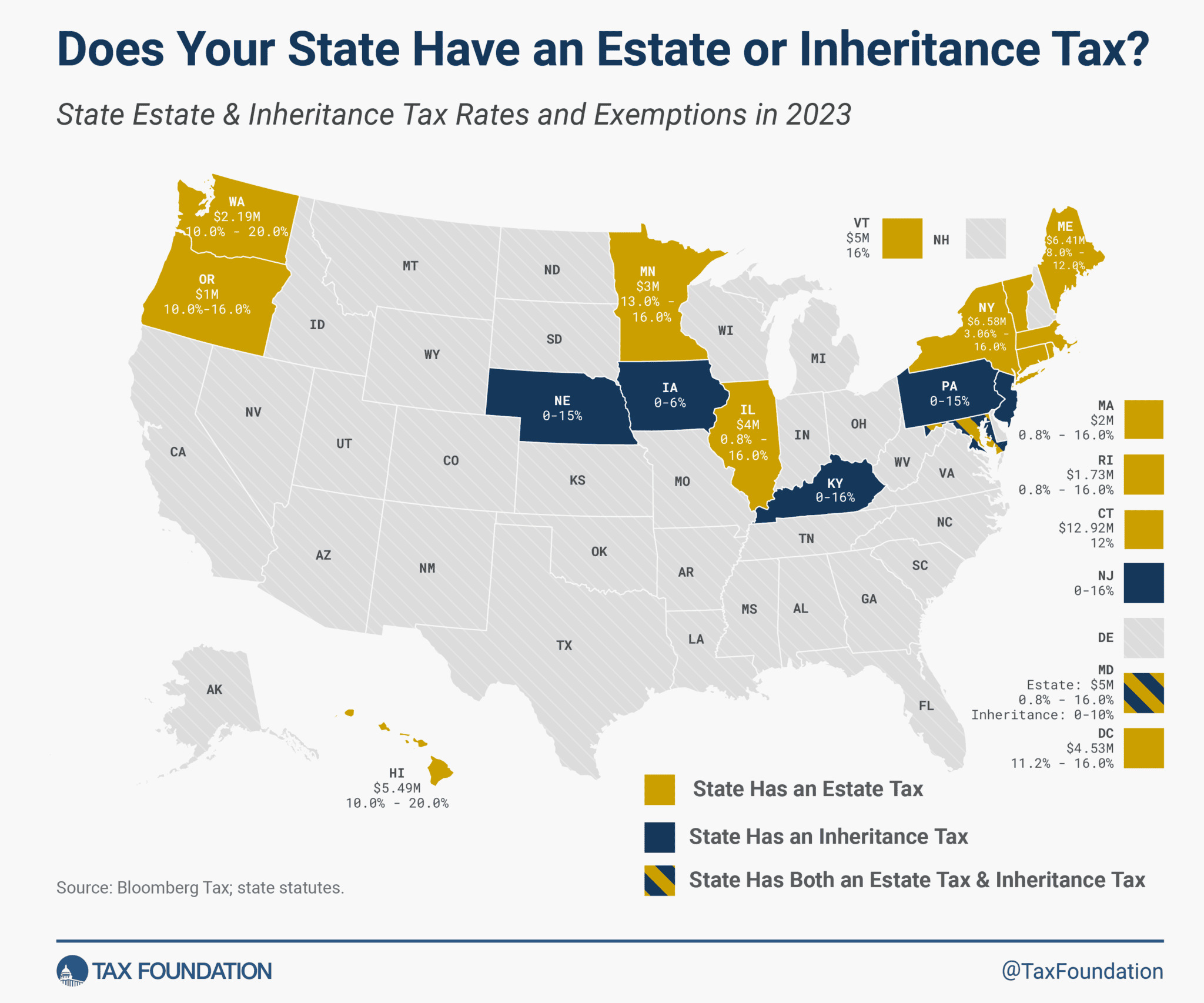
In states with inheritance tax, beneficiaries are typically required to pay a percentage of the inherited assets’ value. The rates and exemptions vary significantly from state to state. Florida, however, stands apart by not having this form of taxation. This means that if you inherit assets from a resident of Florida, you generally will not owe any state-level tax on those assets simply because you inherited them. This can be a substantial benefit, especially for smaller to medium-sized estates, where the inheritance tax could otherwise diminish the amount passed on to heirs.
Differentiating Inheritance Tax from Estate Tax
It is vital to distinguish between inheritance tax and estate tax. While both are taxes on the transfer of wealth after death, they are levied differently.
- Inheritance Tax: Paid by the beneficiaries who inherit the assets.
- Estate Tax: Paid by the estate of the deceased before assets are distributed to beneficiaries.
Florida does not have an inheritance tax. It also does not have a state-level estate tax. This means that for estates that fall below certain thresholds, there are no state-imposed taxes on the transfer of wealth.
Federal Estate Tax Considerations
While Florida has no state inheritance or estate tax, federal estate tax is still a possibility for very large estates. The federal estate tax is a tax on the right to transfer property at death. The gross estate includes all property in which the decedent had an interest at the time of death.
The Federal Estate Tax Exemption
The United States has a federal estate tax with a substantial exemption amount. This exemption is adjusted annually for inflation. For 2024, the federal estate tax exemption is $13.61 million per individual. This means that an individual can transfer assets valued up to this amount to their heirs during their lifetime or at death without incurring federal estate tax. For married couples, this exemption is effectively doubled through portability provisions, allowing a surviving spouse to use any unused exemption of their deceased spouse.
How Federal Estate Tax Works
If the total value of a deceased person’s estate exceeds the federal exemption amount, the excess is subject to federal estate tax. The tax rate is a flat 40% on the value above the exemption.
- Calculating the Taxable Estate: The taxable estate is determined by taking the gross estate and subtracting allowable deductions, such as debts of the decedent, funeral expenses, and bequests to charities.
- Applicable Credit Amount: The tax is then calculated on the taxable estate, and an applicable credit amount is applied, which is equivalent to the tax on the exemption amount. This results in no tax being due if the taxable estate is at or below the exemption.
For the vast majority of estates, the federal estate tax exemption is high enough that no federal estate tax will be due. However, individuals with significant wealth, including substantial real estate holdings in desirable locations like Miami or Orlando, or valuable investment portfolios, may need to plan carefully to minimize potential federal estate tax liabilities.
Other Potential Taxes and Fees on Inherited Assets
Although Florida does not impose inheritance tax and federal estate tax only applies to very large estates, beneficiaries may still encounter other tax obligations or fees related to inherited assets.
Income Tax on Inherited Assets
Inherited assets themselves are generally not subject to income tax upon receipt. This means that if you inherit cash, a car, or a primary residence, you do not report that inheritance as income on your tax return. However, this changes when the asset begins to generate income or is sold.
- Investment Income: If you inherit stocks, bonds, or other income-generating investments, any dividends, interest, or capital gains realized from these assets after you receive them are taxable as ordinary income or capital gains, respectively.
- Capital Gains Tax on Sale: If you sell an inherited asset, such as real estate or stocks, you will likely owe capital gains tax on any profit realized from the sale. The “basis” of inherited property for capital gains tax purposes is typically its fair market value at the date of the decedent’s death (or an alternative valuation date if elected by the executor). This is often referred to as a “stepped-up basis,” which can significantly reduce or eliminate capital gains tax if the asset has appreciated since the decedent acquired it.
- Rental Income from Inherited Property: If you inherit a property, such as a vacation home in the Florida Keys or an investment property, and rent it out, the rental income generated is taxable income. You can deduct certain expenses related to the rental, such as property taxes, insurance, and maintenance costs.
Property Taxes
Inherited real estate will continue to be subject to annual property taxes levied by local governments in Florida. The responsibility for paying these taxes transfers to the new owner upon inheritance. Property tax rates vary by county and municipality, and they are based on the assessed value of the property.
Sales Tax
While not directly an inheritance tax, sales tax would apply if you purchased any goods or services for your inherited property or as part of settling the estate, such as new furnishings for an inherited condo or services for property maintenance.
Practical Implications for Beneficiaries
The absence of inheritance tax in Florida simplifies the process for many beneficiaries. However, it is still prudent to:
- Consult with an Estate Attorney: For any estate, especially those with significant assets or complex holdings like beachfront properties or businesses, seeking advice from an experienced estate attorney is highly recommended. They can guide you through the probate process, ensure all legal requirements are met, and advise on any tax implications.
- Work with a Tax Professional: A qualified tax advisor or CPA can help you understand the tax implications of inherited assets, particularly regarding income tax and capital gains tax, and assist with proper reporting.
- Understand the Asset Basis: Knowing the cost basis of inherited assets is critical for calculating potential capital gains when you decide to sell them.
- Budget for Ongoing Expenses: If you inherit property, ensure you have a plan for ongoing costs like property taxes, insurance, and maintenance.
Estate Planning Strategies in the Absence of Inheritance Tax
Even without an inheritance tax in Florida, effective estate planning remains essential for every individual. The primary goals of estate planning are to ensure that your assets are distributed according to your wishes, to minimize potential taxes (especially federal estate tax), and to provide for your loved ones.
Wills and Trusts
A properly drafted will is the cornerstone of estate planning. It clearly outlines how your assets should be distributed, names an executor to manage the estate, and can nominate guardians for minor children. For larger estates or specific circumstances, trusts can offer additional benefits, such as avoiding probate, providing for asset protection, and managing distributions over time. Various types of trusts exist, including revocable living trusts and irrevocable trusts, each with unique advantages.
Gifting Strategies
For individuals concerned about potential federal estate tax, lifetime gifting can be a valuable strategy. The federal gift tax exclusion is unified with the estate tax exemption. This means that any portion of the annual exclusion amount ($18,000 per recipient in 2024) or the lifetime exemption used for taxable gifts reduces the amount available for estate tax purposes. Strategic gifting can help reduce the size of your taxable estate over time.
Life Insurance
Life insurance can play a significant role in estate planning, particularly for providing liquidity to cover potential estate taxes or to leave a specific inheritance to beneficiaries without depleting other assets. Policies owned outside of the taxable estate can pass to beneficiaries free of estate tax.
Business Succession Planning
For owners of businesses in Florida, such as a popular resort in Key West or a professional practice in Tampa, succession planning is critical. This involves outlining how the business will be transferred to heirs or sold, ensuring business continuity and minimizing disruption.
Charitable Giving
For those who wish to support charitable causes, incorporating charitable giving into an estate plan can offer tax benefits and fulfill philanthropic goals. Charitable bequests can reduce the taxable estate, and certain planned giving strategies, like charitable remainder trusts, can provide income to the donor during their lifetime while benefiting a charity thereafter.
In conclusion, while the absence of inheritance tax in Florida is a significant advantage, individuals should not neglect comprehensive estate planning. Understanding both state and federal tax laws, coupled with careful planning, will ensure that your legacy is preserved and your loved ones are well-provided for, without the added burden of state inheritance taxes.
LifeOutOfTheBox is a participant in the Amazon Services LLC Associates Program, an affiliate advertising program designed to provide a means for sites to earn advertising fees by advertising and linking to Amazon.com. Amazon, the Amazon logo, AmazonSupply, and the AmazonSupply logo are trademarks of Amazon.com, Inc. or its affiliates. As an Amazon Associate we earn affiliate commissions from qualifying purchases.