
For many, the image of Colorado conjures visions of majestic elk herds, nimble bighorn sheep, and perhaps even elusive bears prowling its rugged peaks and verdant valleys. Yet, a growing number of wildlife enthusiasts and travelers are asking a different, equally compelling question: “Is there moose in Colorado?” The definitive answer is a resounding yes, and their presence has transformed Colorado into an unexpected haven for North America’s largest deer species. Once a rare sight, moose have made a remarkable comeback, establishing thriving populations across various parts of the Centennial State, offering unique and awe-inspiring wildlife viewing opportunities for those willing to venture into their preferred habitats. This guide delves into the fascinating story of Colorado’s moose, providing insights into where to find them, how to observe them responsibly, and what makes a moose-centric adventure in the Rockies an unforgettable travel experience.
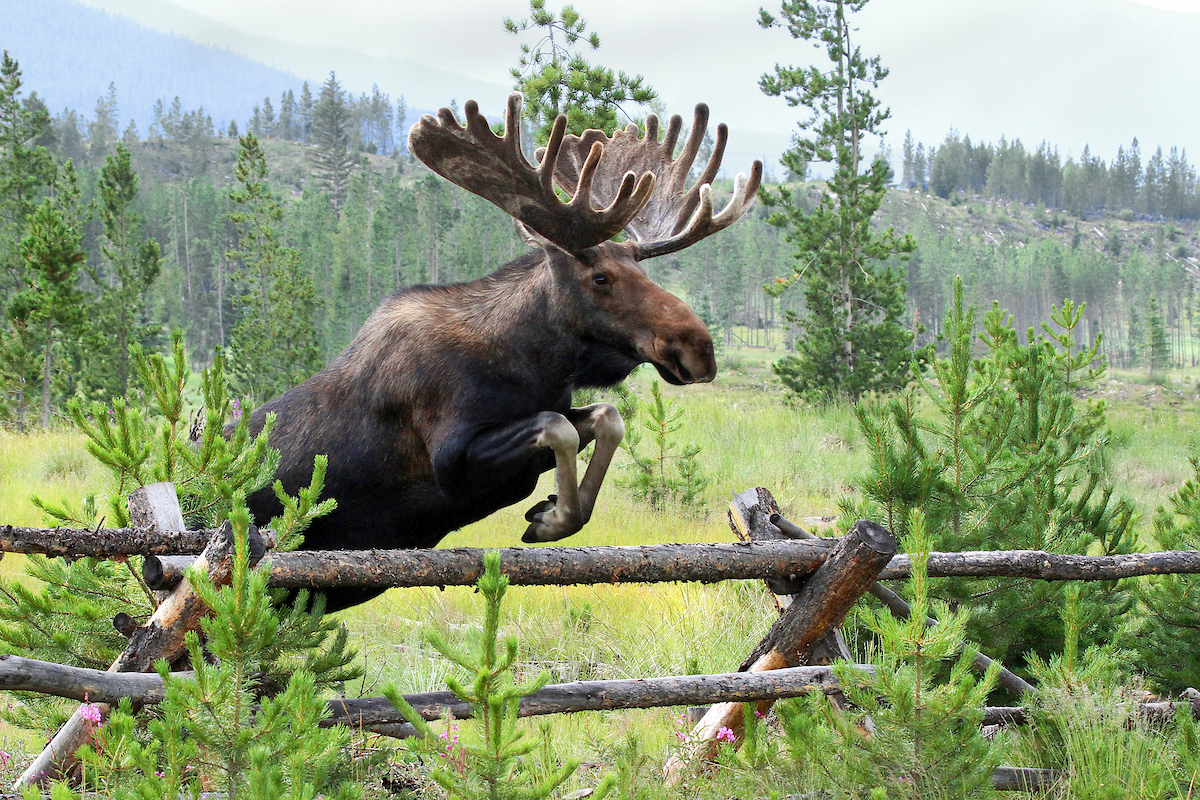
The Resurgence of Moose in the Centennial State
The journey of moose in Colorado is a captivating tale of natural expansion and successful reintroduction efforts. Historically, moose were not abundant in the state, with only transient individuals occasionally wandering in from neighboring regions. However, conditions in Colorado’s high-altitude environments proved surprisingly suitable for these magnificent animals, setting the stage for their remarkable resurgence.
A Historical Overview of Moose Presence
While fossil records suggest moose roamed parts of Colorado in prehistoric times, their numbers dwindled significantly, possibly due to climatic shifts, habitat changes, and early human impacts. By the late 19th and early 20th centuries, reliable sightings were exceedingly rare, leading many to believe that Colorado was not a natural part of their modern range. The modern chapter of moose in Colorado began in 1978 when Colorado Parks and Wildlife (CPW) initiated a reintroduction program. Fifteen moose from Wyoming and Utah were released into the North Park area, specifically around State Forest State Park. This initial release proved incredibly successful, with the population not only surviving but thriving and expanding into new territories.
Why Colorado Became a Moose Haven
Several factors contributed to Colorado’s unexpected suitability for moose. First and foremost is the abundance of prime habitat. Moose prefer riparian areas, wetlands, and willow thickets, which are plentiful in Colorado’s subalpine zones. The cool temperatures at higher elevations also provide a welcome refuge from heat stress, to which moose are particularly susceptible. Additionally, a relative lack of natural predators (compared to historical ranges) and limited competition from other large ungulates in their preferred niche meant the reintroduced populations faced fewer immediate threats. The absence of heavy hunting pressure in the early decades of their reestablishment further allowed their numbers to grow exponentially. Today, the moose population in Colorado is estimated to be over 3,000 individuals, a testament to effective conservation efforts and the inherent adaptability of these incredible creatures.
Where to Find Moose in Colorado’s Wilderness
For travelers eager to witness these magnificent animals in their natural habitat, knowing where to focus your search is key. Moose are not uniformly distributed across the state but concentrate in specific regions that offer ideal foraging and shelter.
Prime Habitats and Geographic Distribution
Moose are creatures of habit, often found near water sources where their favorite foods, such as willow, aspen, and aquatic vegetation, are abundant. Look for them in areas with dense willow thickets, marshy meadows, and along stream banks and lake shores, particularly in subalpine forests. Their preferred elevation typically ranges from 8,000 to 11,000 feet, where the cooler climate and lush vegetation provide comfort. While the initial reintroduction focused on North Park, their population has since expanded considerably. They now occupy significant portions of northern and central Colorado, and even some western slopes.
Key Wildlife Viewing Destinations
Several locations stand out as prime moose-spotting destinations, offering travelers excellent chances for an encounter.
- State Forest State Park (near Walden): Often dubbed the “Moose Viewing Capital of Colorado,” this park in North Park was the site of the original reintroduction. Its extensive willow habitat along the Illinois River and its tributaries, as well as around Lake Agnes and Gould, makes it arguably the best place in the state to see moose. The park even has a designated “Moose Visitor Center” to aid travelers.
- Rocky Mountain National Park (Kawuneeche Valley): On the park’s west side, the Kawuneeche Valley (which includes the Colorado River headwaters) is another hotspot. The slow-moving river and wetlands provide ideal habitat. Look for them early morning or late evening along Trail Ridge Road (west of the Continental Divide) or near Grand Lake and Shadow Mountain Lake.
- Grand Mesa (Western Slope): Grand Mesa, the world’s largest flat-top mountain, also hosts a growing moose population. The numerous lakes and forests here offer excellent habitat, especially around the Powderhorn Ski Resort area and the numerous trails within the Grand Mesa National Forest.
- Vail and Aspen Areas: Moose have expanded into the resort communities’ backcountry. Areas within the White River National Forest and near Kremmling often report sightings.
- Gunnison National Forest: In central Colorado, particularly around the Ohio Creek drainage and the areas north of Crested Butte, moose are becoming more common.
Best Practices for Moose Spotting and Safe Encounters
Successfully spotting a moose is a thrilling travel experience, but it requires patience, preparation, and respect for wildlife. More importantly, understanding moose behavior is crucial for ensuring both your safety and their well-being.
Timing Your Visit for Optimal Sightings
Moose are most active during dawn and dusk. These cooler hours are when they typically forage and move between resting and feeding areas. During the heat of the day, especially in summer, they often seek refuge in dense cover or stand in water to cool off, making them harder to spot.
- Spring (late May-June): Calves are born, and mothers are often seen with their young. Vegetation is lush.
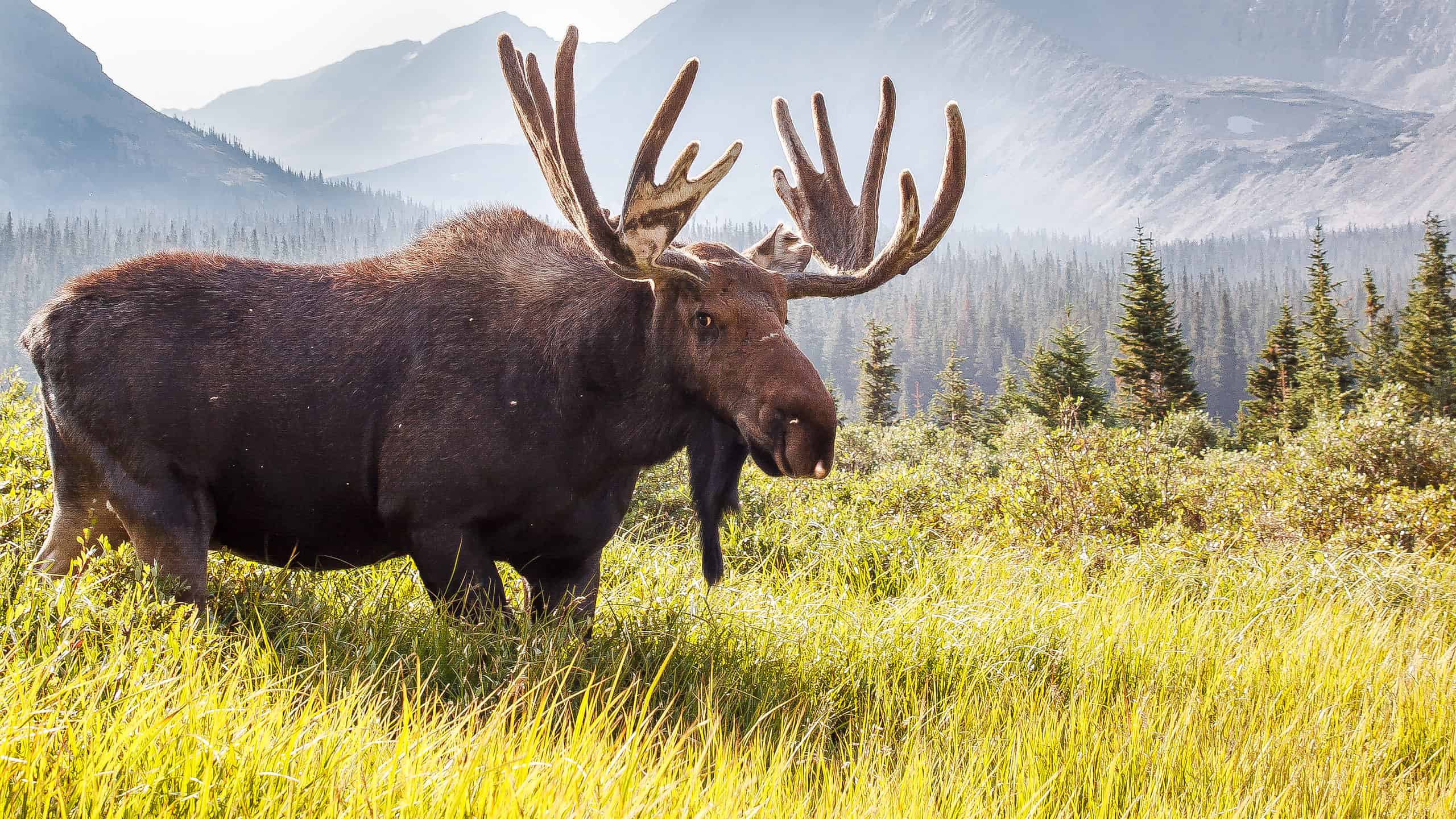
- Summer (July-August): Moose are often in water to cool down and feed on aquatic plants. Bull moose are growing their antlers.
- Fall (September-October): The rut (mating season) occurs, making bulls more active and sometimes aggressive. Antlers are fully grown and polished. This is an excellent time for photography.
- Winter (November-March): Moose are often seen foraging in accessible areas, sometimes even near roads, as they seek food through the snow.
Essential Gear for Wildlife Enthusiasts
To maximize your moose-viewing success and comfort, consider bringing the following:
- Binoculars or a Spotting Scope: Essential for observing moose from a safe distance without disturbing them.
- Camera with a Telephoto Lens: For capturing stunning photos without encroaching on their space.
- Layered Clothing: Colorado’s mountain weather can change rapidly.
- Sturdy Hiking Boots: If you plan to hike into their habitats.
- Map and Compass/GPS: Especially when venturing into less-traveled areas.
- Bear Spray: While moose are the target, it’s always wise to be prepared for other large wildlife.
Ensuring Your Safety and Their Protection
Moose, despite their seemingly placid demeanor, are powerful wild animals and can be dangerous if provoked or feel threatened. Unlike deer or elk, moose often stand their ground rather than fleeing.
- Maintain a Safe Distance: Always give moose plenty of space, typically at least 50-75 yards. If a moose alters its behavior because of your presence, you are too close.
- Recognize Warning Signs: Flattened ears, raised hair on the neck, licking lips, or stomping hooves are all signs that a moose is agitated and may charge. A head-down posture with direct eye contact is a serious warning.
- Never Get Between a Cow and Her Calf: Mothers are incredibly protective and will charge aggressively to defend their young.
- Do Not Feed Wildlife: Feeding wild animals habituates them to humans, which can lead to aggressive behavior and is detrimental to their health.
- Stay on Trails: Minimize your impact on their habitat and avoid surprising them.
- Leash Your Dogs: Dogs can be perceived as predators by moose, often provoking an attack. Moose have been known to seriously injure or kill dogs and their owners who intervene.
- If a Moose Charges: Run and get behind a large tree or solid object. If knocked down, curl into a ball to protect your head and vital organs.
Planning Your Moose-Centric Colorado Adventure
Integrating moose viewing into your Colorado travel plans can elevate your trip from a scenic vacation to an unforgettable wildlife expedition.
Integrating Moose Viewing into Your Itinerary
A successful moose viewing trip requires strategic planning. Consider basing your stay near one of the prime viewing areas. Many lodges and campgrounds are available in and around State Forest State Park and the west side of Rocky Mountain National Park. Early morning drives or hikes are often the most fruitful. Factor in driving time to reach the specific habitats. Remember that moose are wild and unpredictable; while sightings are common in certain areas, they are never guaranteed. Enjoy the journey and the beautiful Colorado scenery, even if a moose remains elusive.
Local Guides and Tours for Enhanced Experiences
For those seeking an optimized experience, hiring a local guide can be invaluable. Experienced guides know the local terrain, moose habits, and current movement patterns. They can lead you to the best viewing spots while ensuring safety and adherence to wildlife regulations. Many outfitters offer guided wildlife tours, often combining moose spotting with opportunities to see elk, bighorn sheep, and various bird species. This can be especially beneficial for first-time visitors or those less familiar with backcountry navigation. Look for guides certified in wilderness safety and with a strong reputation for ethical wildlife viewing practices.
Beyond Moose: Other Wildlife and Attractions
While moose may be the primary focus, a Colorado travel adventure offers a wealth of other attractions. The areas where moose thrive are often rich in biodiversity. You might also spot elk, mule deer, bighorn sheep, coyotes, foxes, and numerous bird species, including bald eagles and various raptors.
Beyond wildlife, Colorado’s natural beauty provides endless opportunities for outdoor activities. Hiking, fishing, scenic drives, photography, and simply enjoying the pristine mountain air are all readily available. In winter, these regions transform into snowy playgrounds for cross-country skiing, snowshoeing, and ice fishing. Combining a moose-focused trip with other activities ensures a well-rounded and memorable Colorado experience.
Conservation Efforts and the Future of Colorado’s Moose Population
The thriving moose population in Colorado is a conservation success story, but ongoing efforts are vital to ensure their long-term health and stability.
Role of Colorado Parks and Wildlife
Colorado Parks and Wildlife (CPW) plays a critical role in managing and protecting the state’s moose. They conduct population surveys, monitor health, manage limited hunting seasons (which help control numbers and maintain herd health), and educate the public about responsible wildlife viewing. CPW also works to mitigate conflicts between moose and human development, such as vehicle collisions, which pose a significant threat. Their research informs habitat management decisions, ensuring that moose have access to the resources they need to thrive.

How Visitors Can Contribute to Conservation
As a traveler, your actions have an impact. By following ethical wildlife viewing guidelines – maintaining distance, not feeding animals, respecting their habitat, and reporting any concerns to park rangers or CPW – you directly contribute to the welfare of Colorado’s moose. Supporting parks and wildlife organizations through donations or volunteer work also provides resources for ongoing conservation projects. Responsible tourism ensures that future generations will also have the opportunity to ask “Is there moose in Colorado?” and receive the same joyful answer.
In conclusion, Colorado has unequivocally established itself as a prime destination for moose viewing. The remarkable comeback of these majestic creatures offers a unique and unforgettable travel experience, blending the thrill of wildlife observation with the breathtaking beauty of the Rocky Mountains. With careful planning, respect for nature, and adherence to safety guidelines, your Colorado adventure can be enriched by the chance encounter with the silent giants of the high country.
LifeOutOfTheBox is a participant in the Amazon Services LLC Associates Program, an affiliate advertising program designed to provide a means for sites to earn advertising fees by advertising and linking to Amazon.com. Amazon, the Amazon logo, AmazonSupply, and the AmazonSupply logo are trademarks of Amazon.com, Inc. or its affiliates. As an Amazon Associate we earn affiliate commissions from qualifying purchases.