
For many travelers planning an escape to the Sunshine State, visions of pristine beaches, vibrant cities, and lush sub-tropical landscapes quickly come to mind. However, a common question often surfaces, particularly for those accustomed to more rugged topographies: “Are there mountains in Florida?” The straightforward answer, in the traditional sense of towering peaks and dramatic ranges, is no. Florida is renowned for its largely flat terrain, a geological characteristic that defines much of its unique natural charm and recreational offerings. Understanding this geographical reality is key to appreciating the state’s distinct allure and planning a travel itinerary that celebrates its true wonders.
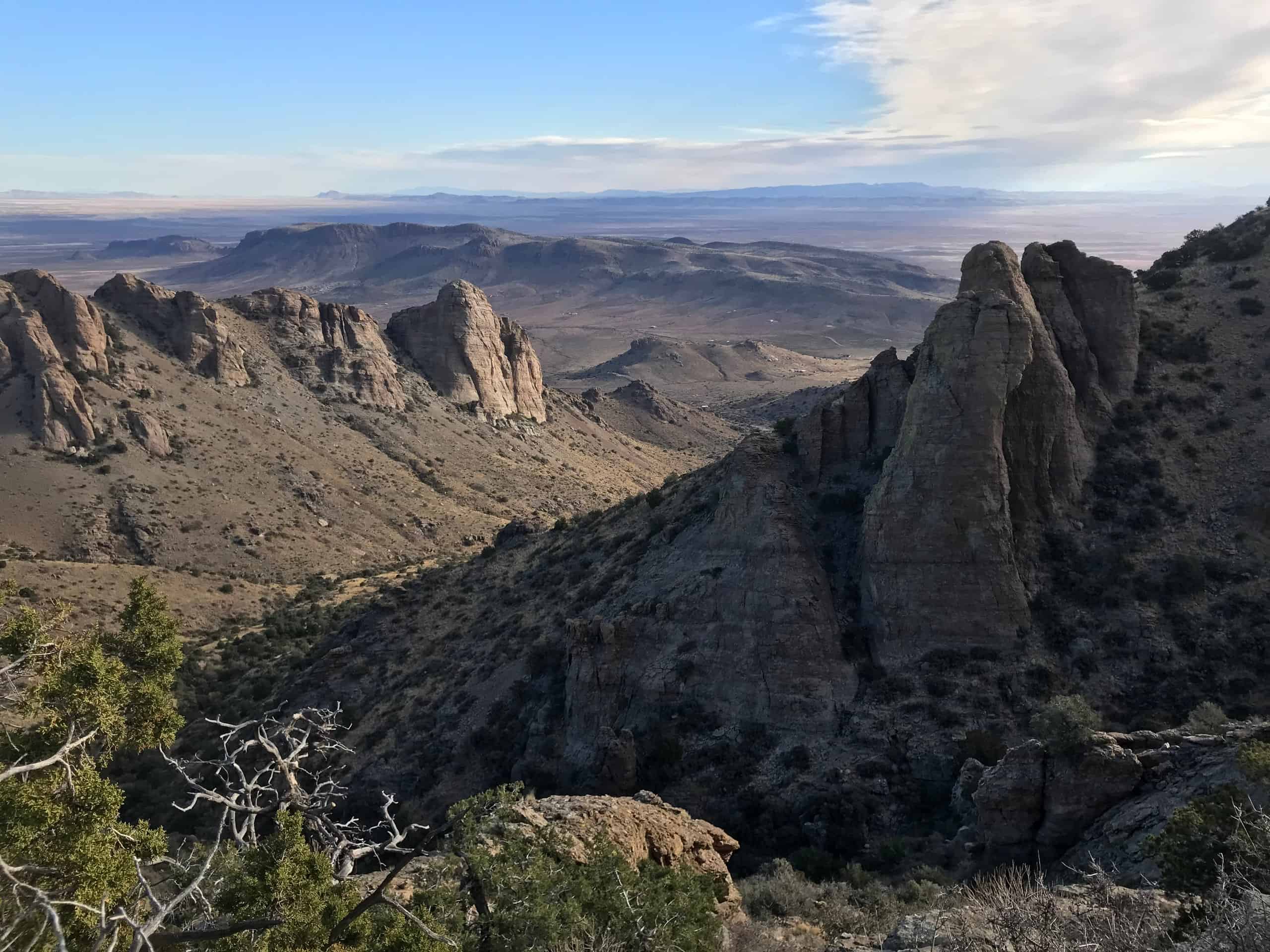
The Flatness of the Sunshine State: Dispelling the Myth
Florida, a peninsula jutting into the Atlantic Ocean and the Gulf of Mexico, holds the distinction of being one of the flattest states in the United States. This geographical reality is often a surprise to those unfamiliar with its unique geology, but it’s a fundamental aspect of what makes Florida such a distinctive travel destination.
Geological Formation: Why Florida Lacks Towering Peaks
The absence of mountains in Florida is rooted deep in its geological history. The state sits on a broad, shallow limestone shelf, which is primarily a product of marine deposition over millions of years. For much of its existence, Florida was submerged under ancient seas, leading to the accumulation of vast layers of calcium carbonate from marine organisms. This sedimentary rock forms the bedrock of the entire peninsula.
Unlike regions with dramatic mountain ranges, which are typically formed by the collision of tectonic plates, volcanic activity, or significant uplifting and erosion over millions of years, Florida has experienced minimal seismic activity and tectonic plate interaction. Its landmass gradually emerged from the ocean, slowly building up through these sedimentary processes. The result is a landscape characterized by low elevations, extensive wetlands, and a pervasive karst topography, where the dissolution of soluble bedrock (limestone) has created sinkholes, springs, and underground cave systems, rather than towering peaks. The highest points in Florida are remnants of ancient dune systems and subtle ridges, a far cry from the dramatic orogenic belts found elsewhere.
Defining “Mountain”: A Matter of Perspective
The term “mountain” itself carries specific geological connotations, generally referring to a natural elevation of the earth’s surface rising more or less abruptly from the surrounding level and attaining an altitude greater than a hill. Geologists often differentiate between mountains and hills based on factors like elevation, local relief, and the degree of slope. While there isn’t a universally agreed-upon precise cutoff, features typically considered mountains rise thousands of feet above sea level and exhibit significant local relief.
In Florida’s context, applying such a definition reveals why the state is mountain-free. The landscape is predominantly flat to gently rolling, with average elevations hovering only a few feet above sea level. This low-lying topography means that even its highest natural points would, by any conventional geological standard, be classified as hills at best. For travelers accustomed to alpine vistas or even the modest peaks of other regions, setting expectations is crucial. Florida’s beauty lies not in vertical grandeur, but in its unique horizontal expanse of diverse ecosystems, from sun-drenched coastlines to mysterious cypress swamps.
Florida’s “Highest Points”: A Different Kind of Elevation
While Florida may not boast the dramatic elevation changes found in mountainous regions, it still holds the distinction of having a “highest point.” However, this apex is a humble one, offering a unique travel experience for those who appreciate the subtle nuances of topography.
Britton Hill: Florida’s Modest Peak
The undisputed highest natural point in Florida is Britton Hill, situated in the beautiful Lakewood Park within Walton County, near the border with Alabama. At an elevation of a mere 345 feet (105 meters) above sea level, Britton Hill is the lowest high point of any state in the United States.
For avid “peak baggers” or travelers seeking to visit the highest natural points of all 50 states, Britton Hill offers a remarkably accessible and often humorous experience. Unlike the strenuous climbs associated with loftier peaks, reaching the summit of Britton Hill involves a short, gentle walk along a paved path, leading to a commemorative monument and a picnic area. It’s an ideal spot for a leisurely stroll, a family photo opportunity, and a moment to reflect on the diverse geography of the nation. The surrounding Lakewood Park offers a peaceful environment with nature trails, making it a pleasant stop for those exploring the Florida Panhandle. Visiting Britton Hill is less about conquering a physical challenge and more about embracing a unique geographical quirk, a testament to Florida’s distinctive landscape.
Other Notable (But Not Mountainous) Elevations
Beyond Britton Hill, Florida does feature other areas with gently undulating terrain, particularly in its central and northern regions. Central Florida, for instance, is home to the Lake Wales Ridge, an ancient sand ridge that runs approximately 100 miles through the heart of the peninsula. Formed as an island archipelago during periods of higher sea levels, this ridge boasts some of the state’s highest and oldest terrestrial ecosystems. While still far from mountainous, elevations along the Lake Wales Ridge can reach over 200 feet, providing a subtle sense of elevation and offering unique habitats for rare and endangered plant and animal species. Travelers visiting this area can explore state parks and natural preserves that showcase this distinctive scrub habitat.
Similarly, parts of the Florida Panhandle exhibit a more varied topography than the southern peninsula, with rolling hills and bluffs overlooking rivers and bays. These elevations, though modest, offer scenic views and a different feel compared to the typical flat coastal plains. Areas around Tallahassee and the Red Hills region, for example, feature gently sloping landscapes that are a pleasant change for travelers seeking a break from the ubiquitous flatness. While none of these areas would be mistaken for mountains, they do provide a welcome sense of vertical dimension and offer unique travel experiences for those exploring the less-traveled parts of Florida.
Beyond Mountains: Florida’s Unique Natural Attractions for Travelers

While the absence of mountains might deter some, Florida’s travel appeal lies in an entirely different spectrum of natural wonders. The state compensates for its lack of verticality with an abundance of diverse ecosystems, captivating coastlines, and unique aquatic environments, making it a premier destination for a myriad of outdoor pursuits.
Pristine Beaches and Coastal Wonders
Florida is world-renowned for its spectacular beaches, consistently ranking among the best globally. From the powdery white sands of Siesta Key Beach on the Gulf Coast to the vibrant energy of South Beach in Miami, the state offers an unparalleled coastal experience. The Emerald Coast in the Florida Panhandle dazzles with its namesake green waters and sugar-white sands, perfect for swimming, sunbathing, and shelling. Travelers can indulge in a range of activities, from surfing and paddleboarding to deep-sea fishing and dolphin-watching cruises. Each stretch of coastline has its own character, inviting exploration and relaxation, far surpassing any desire for mountain views with their endless horizons and gentle sea breezes.
Springs, Rivers, and Aquatic Adventures
One of Florida’s most unique and cherished natural treasures is its vast network of freshwater springs and rivers. These crystal-clear springs, fed by the massive Floridan Aquifer, offer refreshing sanctuaries and incredible opportunities for aquatic adventures. Places like Blue Spring State Park and Wakulla Springs are perfect for swimming, snorkeling, diving, and kayaking, allowing travelers to encounter diverse wildlife, including manatees in cooler months.
Further south, the unparalleled ecosystem of the Everglades National Park presents a truly wild Florida experience. This vast wetland, a designated UNESCO World Heritage Site, provides opportunities for airboat tours, guided slough slogging (hiking through shallow water), and wildlife viewing, including alligators, crocodiles, and an incredible array of bird species. The intricate balance of water, land, and wildlife in these areas offers an immersive natural experience that transcends the need for mountainous terrain.
Lush Forests and Wildlife Habitats
Beyond its famous beaches and springs, Florida is home to extensive forests and diverse wildlife habitats that beckon travelers to explore its interior. The Ocala National Forest, for instance, is the southernmost forest in the continental United States and offers hundreds of miles of hiking trails, natural springs, and opportunities for camping, fishing, and canoeing. Here, travelers can immerse themselves in longleaf pine forests, sand pine scrub, and diverse wetlands, encountering unique flora and fauna, including the elusive Florida black bear.
State parks throughout Florida, such as Myakka River State Park or Paynes Prairie Preserve State Park, protect significant natural areas and provide excellent birdwatching, cycling, and equestrian opportunities. These spaces demonstrate that while Florida lacks mountains, its land-based natural attractions are rich, varied, and deeply engaging, offering countless opportunities for discovery and adventure for the discerning traveler.
Experiencing Florida’s Diverse Landscapes as a Traveler
The unique topographical identity of Florida, defined by its flatness and intricate relationship with water, shapes a distinct travel experience. Instead of challenging ascents and panoramic mountain vistas, visitors are invited to explore horizontally, discovering a wealth of beauty and adventure that is entirely its own.
Scenic Drives and Cycling Routes
Florida’s low-lying terrain and extensive coastline are perfectly suited for scenic drives and cycling adventures. The state boasts numerous designated Florida Scenic Highways that wind through charming coastal towns, historic districts, and natural preserves. Traveling along routes like the Overseas Highway to the Florida Keys or the A1A Coastal Scenic Highway offers breathtaking ocean views, lush vegetation, and easy access to beaches and attractions.
For cyclists, the flat landscape provides an ideal environment for long-distance rides without the challenge of significant climbs. Numerous multi-use trails, repurposed rail corridors, and dedicated bike lanes make Florida a cyclist’s paradise, allowing travelers to cover significant ground and immerse themselves in the local scenery at a leisurely pace, discovering hidden gems off the main thoroughfares.
Outdoor Activities for Every Adventurer
The range of outdoor activities available in Florida is as diverse as its ecosystems. Beyond the obvious beach and water sports, travelers can find unique adventures tailored to the state’s flat geography. Kayaking and paddleboarding through mangrove tunnels, exploring barrier islands, or embarking on airboat tours through the Everglades offer thrilling encounters with nature. Birdwatchers will find Florida a paradise, with its position on major migratory paths and diverse resident species. Fishing, from tranquil freshwater lakes to deep-sea excursions, is a major draw.
Even within its artificial attractions, Florida offers a playful nod to mountains. Walt Disney World in Orlando, for example, famously features its own impressive “mountains” such as Space Mountain and Expedition Everest. While these are man-made marvels, they symbolize a different kind of peak experience, contributing to the state’s reputation as a world-class travel destination for imaginative escapism.
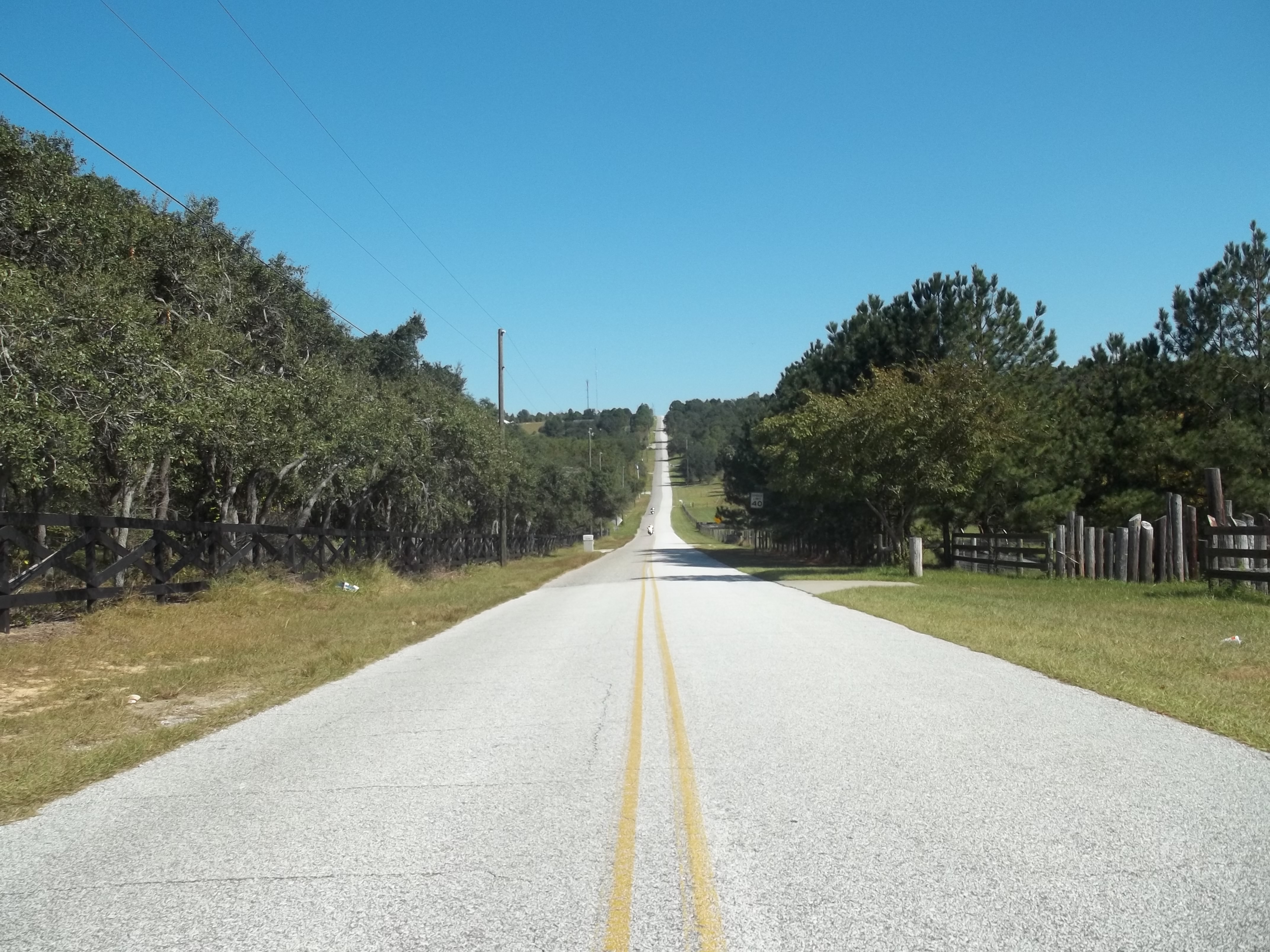
Appreciating Florida’s Unique Charm
Ultimately, the question “Are there mountains in Florida?” leads to a deeper appreciation of what the state genuinely offers. Its charm does not stem from alpine grandeur but from a distinctive blend of sun-drenched coasts, crystal-clear springs, expansive wetlands, and vibrant sub-tropical forests. Travelers who embrace this unique ecological identity will discover a wealth of experiences unmatched elsewhere. Florida invites exploration not by vertical challenge, but by horizontal immersion – a journey through diverse habitats, rich cultural tapestries, and endless opportunities for relaxation and adventure under the warm Florida sun. It’s a state that proves that beauty and excitement come in many forms, and sometimes, the most captivating landscapes are those that lie beautifully flat beneath an expansive sky.
LifeOutOfTheBox is a participant in the Amazon Services LLC Associates Program, an affiliate advertising program designed to provide a means for sites to earn advertising fees by advertising and linking to Amazon.com. Amazon, the Amazon logo, AmazonSupply, and the AmazonSupply logo are trademarks of Amazon.com, Inc. or its affiliates. As an Amazon Associate we earn affiliate commissions from qualifying purchases.