
When planning a budget for a getaway to the Gem State, understanding the local tax landscape is essential for any savvy traveler. Whether you are trekking through the rugged wilderness of the Sawtooth National Forest or enjoying the vibrant urban culture of Boise, financial preparedness ensures a smoother experience. The short answer to the question of whether there is sales tax in Idaho is yes, but the application of this tax is nuanced and varies significantly depending on the nature of your expenditures, particularly regarding tourism and hospitality.
Understanding Idaho’s State Sales Tax Structure
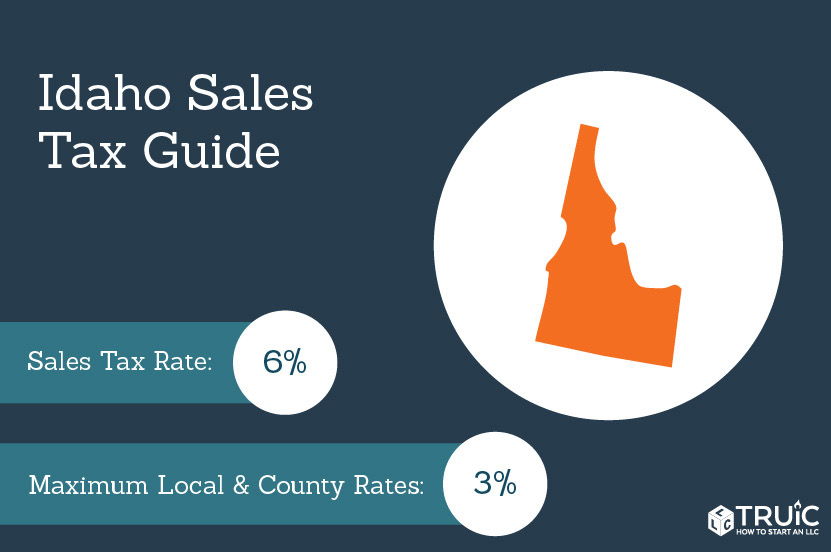
At the state level, Idaho imposes a general sales tax on most tangible personal property and certain services. For the average traveler, this means that retail purchases—from souvenirs picked up in Sun Valley to gear purchased in Coeur d’Alene—are subject to the state’s baseline rate. This tax is a standard component of the state’s revenue model and is collected at the point of sale.
How It Impacts Your Daily Expenses
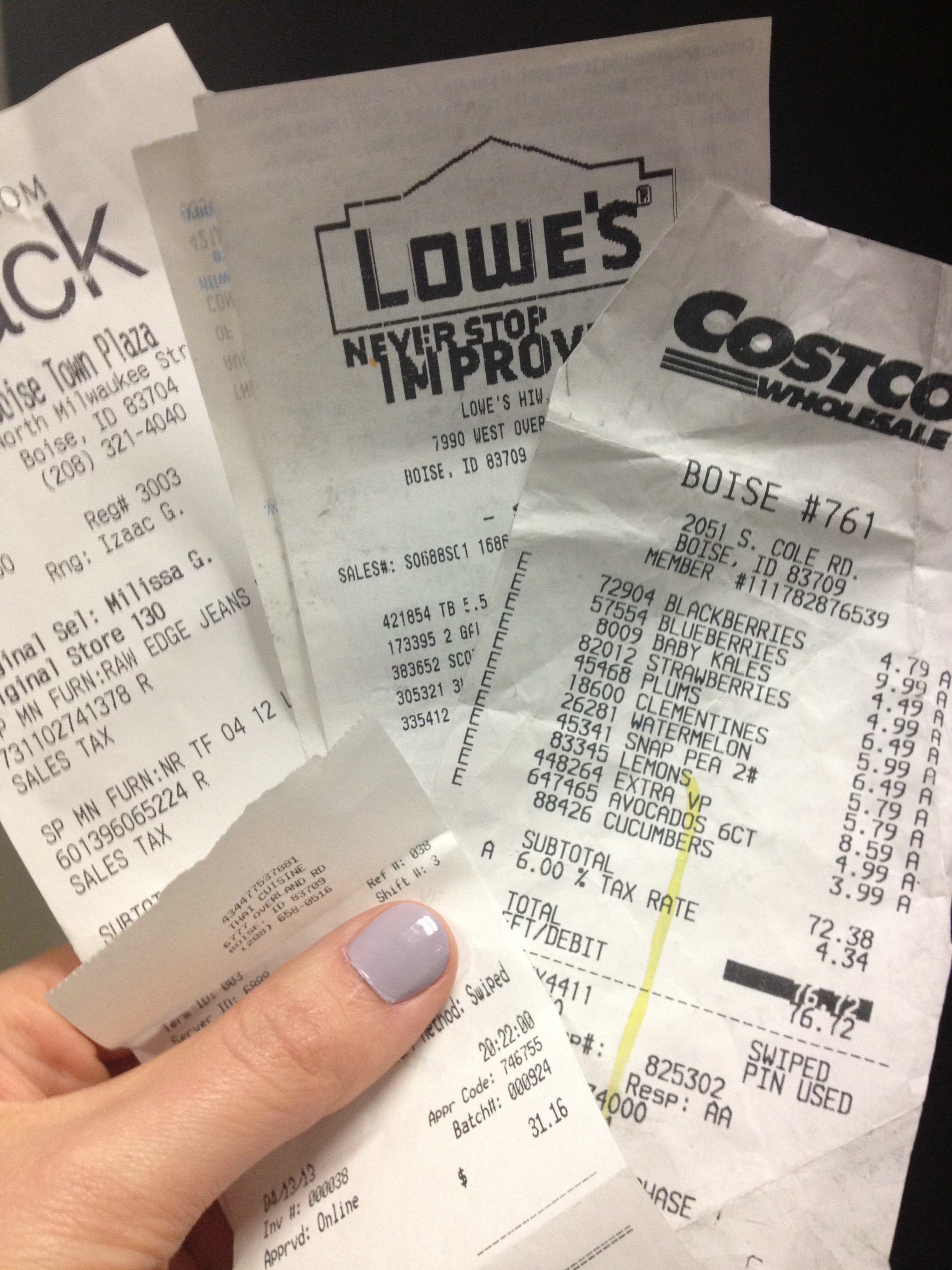
When you are grabbing a meal at a local bistro or buying a new fleece for a chilly evening in Stanley, the sales tax is added to the price of the item. While this rate is relatively consistent across state lines for retail goods, the real differentiation for those visiting for leisure or business purposes lies in the specialized taxes applied to the hospitality sector.
The “Traveler’s Tax”: Understanding Lodging and Tourism Levies
For those visiting the state, the most significant tax impact occurs when booking your stay. In addition to the standard state sales tax, many municipalities and counties in Idaho levy additional taxes specifically on hotels, motels, and vacation rentals. These are often referred to as “occupancy taxes” or “lodging taxes.”
Local Option Taxes
Cities like Ketchum and McCall utilize “local option taxes” to fund tourism infrastructure, parks, and city services that directly benefit visitors. When you book a stay at a luxury resort or a mountain lodge, the total price you see on your invoice often includes a combination of:
- State sales tax
- Local sales tax
- County lodging tax
- City-specific tourism or resort taxes
These levies can add a notable percentage to the final bill, so it is always wise to review your booking confirmation thoroughly before finalizing your reservation. When looking at properties such as the Shore Lodge or various boutique accommodations in Idaho Falls, expect these tiered taxes to be clearly itemized.
Exemptions and Exceptions
It is worth noting that while most services are taxed, some aspects of your travel might be exempt depending on the duration of your stay. In some jurisdictions, if you are staying in a room for more than 30 consecutive days, you may qualify for an exemption from certain occupancy taxes. This is a common strategy for long-term travelers or remote workers who choose to set up a temporary home base in areas like Twin Falls to enjoy the proximity to natural wonders like Shoshone Falls.
Strategies for Budgeting Your Idaho Trip
Navigating the tax environment is just one part of planning a successful trip. By understanding where these extra costs are hiding, you can better allocate your travel funds to prioritize the experiences that matter most, whether that is fine dining, guided tours, or gear rentals for your outdoor adventures.
Factoring Taxes into Your Itinerary
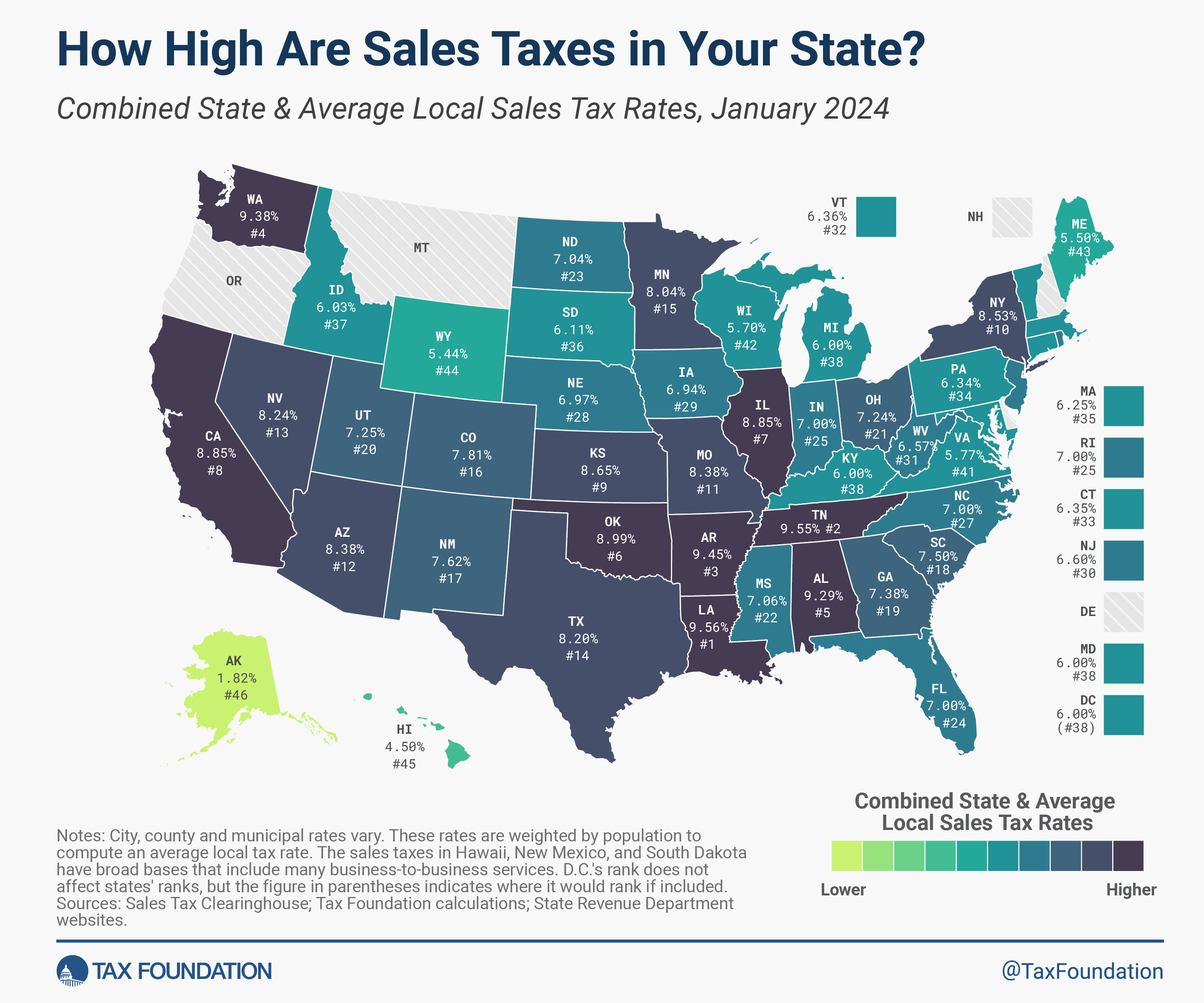
When setting your daily spending limit, it is best practice to add a 10–15% buffer to your accommodation and dining budgets to account for the cumulative effect of state and local taxes. If you are planning a road trip through the Bitterroot Range, remember that tax rates may fluctuate as you cross county lines or move from a rural town to a resort city.
Tips for Smart Spending
- Book Directly: Sometimes, booking directly through a hotel’s website can help you better understand the tax breakdown compared to third-party travel aggregators that might bury fees until the final checkout screen.
- Research Municipalities: If you are debating between two destinations—for example, a weekend in Nampa versus a trip to Moscow—a quick glance at the local government website can reveal if there is a specific resort tax that might affect your lodging costs.
- Prioritize Experiences: Since taxes are often higher on goods and lodging, consider spending more on tax-neutral activities, such as hiking in the Frank Church-River of No Return Wilderness, where the primary cost is your own time and physical effort rather than taxable goods.
The Intersection of Tourism and Infrastructure
It is helpful for travelers to keep in mind that the sales and lodging taxes paid in Idaho do not simply vanish into a general fund. A significant portion of these dollars is reinvested into the very things that make the state an appealing destination. When you pay a tourism tax in a bustling hub like Pocatello, those funds often go toward maintaining trails, improving visitor centers, and hosting local festivals.
Why We Pay for Better Experiences
When you walk through the impeccably maintained grounds of a historic site or enjoy a well-marked trailhead, you are seeing the result of these local tax contributions. By contributing to the local economy through sales and lodging taxes, visitors play a small but crucial role in preserving the natural beauty and community charm of the Pacific Northwest.
Conclusion: A Small Price for a Grand Adventure
While no traveler enjoys seeing an extra line item on their receipt, the presence of sales and lodging taxes in Idaho is a standard part of the modern travel experience. By anticipating these costs, you can avoid “sticker shock” when checking out of a mountain lodge or paying for a celebratory dinner in Lewiston.
Knowledge is the most effective tool in any traveler’s kit. By understanding that Idaho utilizes a combination of state and local option taxes to support its thriving tourism industry, you can plan your trip with confidence. Whether you are here for the world-class skiing, the historical landmarks, or the serene beauty of the high desert, being financially savvy allows you to focus on the journey rather than the math. Pack your bags, plan your route, and prepare to enjoy the unique, diverse landscapes that make this state a must-visit destination for anyone looking to explore the great outdoors. With your budget set and your understanding of the tax system in place, your next adventure in the Gem State is sure to be one for the record books.
LifeOutOfTheBox is a participant in the Amazon Services LLC Associates Program, an affiliate advertising program designed to provide a means for sites to earn advertising fees by advertising and linking to Amazon.com. Amazon, the Amazon logo, AmazonSupply, and the AmazonSupply logo are trademarks of Amazon.com, Inc. or its affiliates. As an Amazon Associate we earn affiliate commissions from qualifying purchases.