
Planning a trip to Las Vegas requires more than just budgeting for show tickets and dinner reservations. Many travelers find themselves surprised by the final bill when they reach the checkout counter. Understanding the tax landscape in Nevada is essential for anyone looking to manage their travel budget effectively. When you see a price tag on a souvenir at the Forum Shops at Caesars or a menu price at a restaurant along the Las Vegas Strip, it is important to realize that the final cost will almost certainly be higher than the sticker price.
Understanding the Tax Structure in Clark County
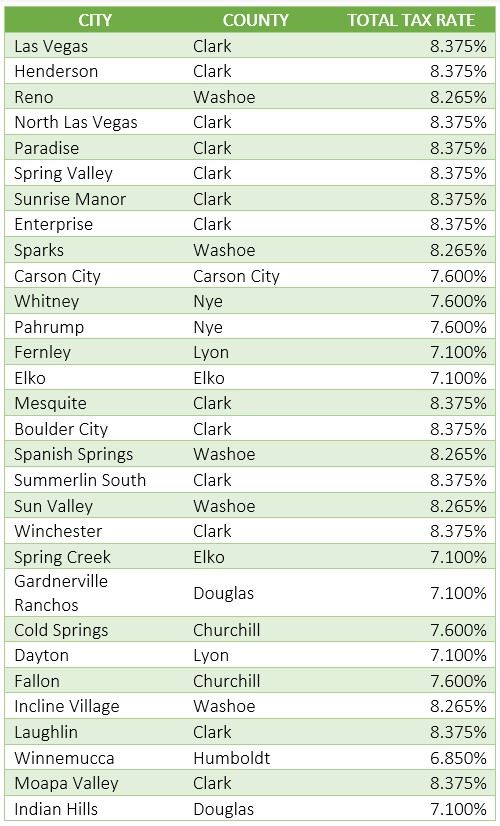
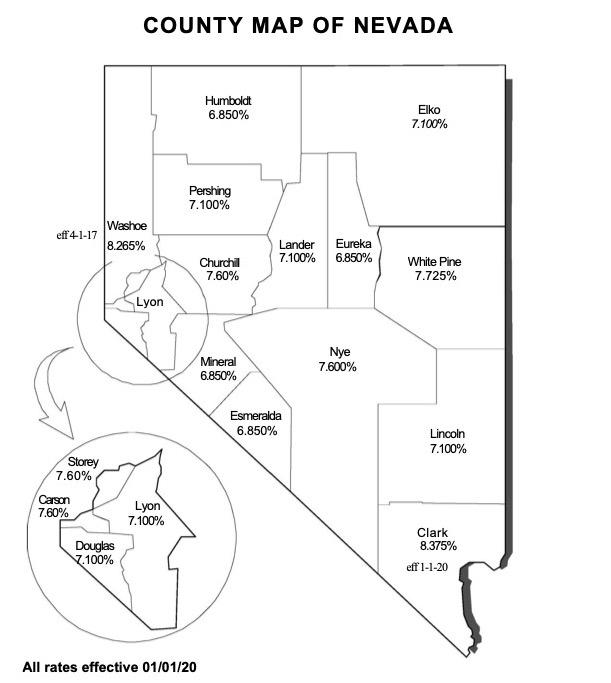
To answer the question simply: yes, there is sales tax in Las Vegas. In fact, the state of Nevada relies heavily on sales tax and tourism-related levies to fund its public services, as it does not collect a state personal income tax. When you are visiting the city, you are subject to the local tax rates dictated by Clark County.
The Current Sales Tax Rate
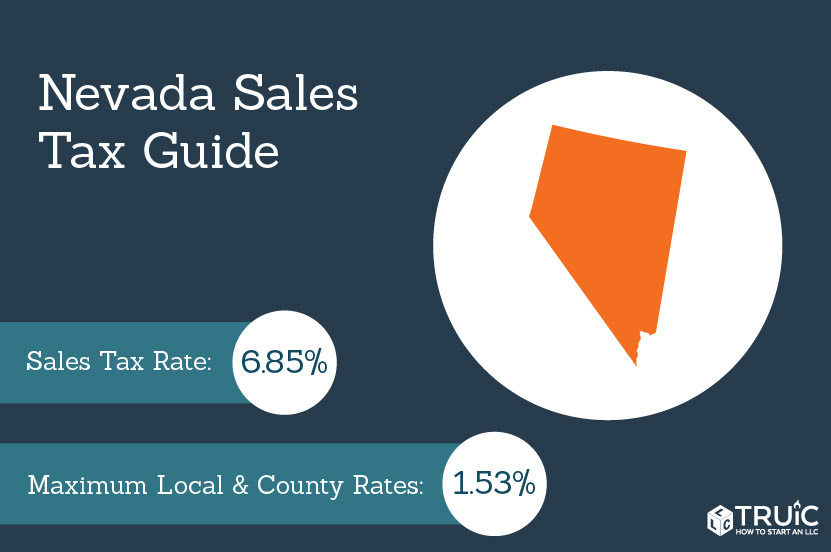
As of the current fiscal period, the sales tax rate in Las Vegas and throughout Clark County is 8.38%. This rate is a combination of the base state tax and various local and district taxes that support infrastructure, public safety, and transportation projects. It is a flat tax that applies to most retail transactions. Whether you are buying a bottle of water at a convenience store or a piece of designer clothing at The Shops at Crystals, you will see this percentage added to your total at the register.
What Goods are Subject to Tax?
In Nevada, the definition of “tangible personal property” is quite broad. Generally, any physical item you purchase is subject to the 8.38% tax. This includes:
- Clothing and accessories.
- Electronics and gadgets.
- Souvenirs and gifts purchased at iconic landmarks like the Welcome to Fabulous Las Vegas Sign.
- Toiletries and convenience items.
However, there are certain exemptions. For instance, most unprepared food items purchased at a grocery store are exempt from sales tax, which is a common practice in many United States jurisdictions. If you are grabbing a quick snack for your hotel room, you might be surprised to find your bill stays lower than expected.
Taxes on Dining and Entertainment
Dining in Las Vegas is one of the city’s primary attractions, ranging from casual eateries to world-class fine dining establishments. Because prepared food is considered a service, the sales tax rules change slightly compared to retail goods.
Restaurant and Bar Taxation
When you dine out, you pay the same 8.38% sales tax on your bill. This applies to food and alcoholic beverages served in restaurants, bars, and lounges. It is important to remember that this tax is calculated on the subtotal before you add your tip. If you are dining at a high-end restaurant like Joël Robuchon or grabbing a burger at In-N-Out Burger, the tax percentage remains consistent, though the absolute dollar amount will scale with your bill.
Entertainment Taxes
Beyond standard sales tax, Las Vegas imposes a “Live Entertainment Tax” (LET). This is a specific levy on tickets for live events. If you are attending a performance by Cirque du Soleil at the Bellagio or a concert at the T-Mobile Arena, you will see an additional tax added to the ticket price. This tax is distinct from sales tax and is designed to capture revenue from the massive entertainment industry that defines Nevada tourism.
Lodging and Hospitality Surcharges
The most significant financial impact for visitors often comes from the lodging sector. While the 8.38% sales tax is applicable to retail, hotel rooms in Las Vegas are subject to a specialized “Transient Lodging Tax.”
The Room Tax Landscape
When you book a stay at a resort like The Venetian or the MGM Grand, you are paying more than just the nightly room rate. The room tax in Clark County varies depending on the specific location of the property and can be significantly higher than the standard sales tax rate. In many cases, when you add the city’s room tax to the Las Vegas resort fees, your “out-the-door” price per night can be 20% to 30% higher than the base rate advertised on travel websites.
Resort Fees and Their Taxability
Resort fees are a standard practice in Las Vegas and are used to cover amenities like pool access, fitness center usage, and high-speed internet. Critically, these mandatory resort fees are generally subject to the same lodging taxes as the room rate itself. When budgeting, it is a prudent move to assume that any “mandatory” daily fee will be taxed as if it were a portion of your room charge. Always read the fine print on booking platforms or directly on websites like Wynn Las Vegas to get a clear picture of the final nightly cost.
Budgeting Tips for the Savvy Traveler
Traveling to a major tourist hub like Las Vegas requires a bit of foresight. To ensure you don’t run into financial stress during your stay, consider the following strategies:
Calculating Your Total Costs
Before finalizing your budget, take the base price of your planned expenses and multiply by 1.0838 to account for the standard sales tax. If you are booking a hotel, look for the “estimated taxes and fees” breakdown provided by the booking engine. If you are staying at a property like Caesars Palace, the platform should provide a clear line-item summary that includes the specific lodging tax percentage applicable to that zip code.
Shopping Smart
If you are planning to do significant luxury shopping while visiting Las Vegas, keep in mind that the tax is unavoidable. However, some visitors compare Nevada tax rates with their home state or country. If you are coming from a region with high value-added taxes (VAT), the United States sales tax rate may actually seem quite reasonable in comparison.
Final Considerations
Ultimately, while the sales tax in Las Vegas is a reality that every visitor must account for, it is a standard part of the travel experience. By planning ahead, accounting for the 8.38% sales tax on retail and dining, and being fully aware of the additional lodging taxes and entertainment fees, you can enjoy everything that The Entertainment Capital of the World has to offer without being caught off guard at the checkout. Whether you are spending a weekend at the Flamingo Las Vegas or exploring the culinary scene at Fremont Street Experience, a little bit of fiscal awareness goes a long way toward ensuring a seamless and enjoyable vacation.
LifeOutOfTheBox is a participant in the Amazon Services LLC Associates Program, an affiliate advertising program designed to provide a means for sites to earn advertising fees by advertising and linking to Amazon.com. Amazon, the Amazon logo, AmazonSupply, and the AmazonSupply logo are trademarks of Amazon.com, Inc. or its affiliates. As an Amazon Associate we earn affiliate commissions from qualifying purchases.