
For families planning a memorable getaway to the Sunshine State, a seemingly simple question like “Is there school tomorrow in Florida?” can hold surprisingly significant implications for their travel experience. Understanding the nuances of Florida’s school calendar is not merely an exercise in local trivia; it’s a strategic move for families aiming to optimize their vacations, minimize crowds, and potentially save on travel costs. As a crucial element of lifestyle travel, particularly for Family Trips, aligning your visit with school schedules can transform a good trip into an exceptional one.
Understanding Florida’s School Calendar: A Family Traveler’s Guide
Florida’s public education system, overseen by the Florida Department of Education, operates on a decentralized model where individual school districts set their own specific academic calendars. This means there isn’t one universal answer to whether school is in session on any given day across the entire state. For families, this decentralization necessitates a targeted approach to planning, especially if your travel dates are flexible or if you plan to visit multiple regions.
Key Dates and Vacation Periods
Generally, the academic year in Florida runs from mid-August to late May or early June. Within this framework, several major breaks are relatively consistent across most districts, albeit with slight variations in exact dates:
- Thanksgiving Break: Typically a full week off around the last week of November.
- Winter Break: Usually two weeks spanning late December and early January, encompassing both Christmas and New Year’s holidays.
- Spring Break: A week-long break that can fall anywhere from early March to mid-April, often coinciding with peak tourist seasons for certain attractions.
- Summer Break: The longest break, running from late May/early June through mid-August.
These periods are critical for family travelers to note because they often correspond with increased demand for flights, accommodations, and attractions. Conversely, planning your visit during school days, outside of these major breaks, can offer a more relaxed experience with fewer crowds and potentially better value.
Impact on Popular Family Attractions
The presence or absence of local schoolchildren, and students from other states during their own school breaks, profoundly impacts the atmosphere and operational flow of Florida’s world-famous attractions. When schools are out, popular destinations like Walt Disney World Resort in Orlando, Universal Orlando Resort, Busch Gardens Tampa Bay, and LEGOLAND Florida Resort experience significantly higher attendance. This translates to longer wait times for rides, more crowded dining establishments, and a generally busier environment. Even less theme-park-centric attractions such as Florida Beaches and natural parks like Everglades National Park can see an uptick in visitors, particularly from local families enjoying their time off. For a family seeking a more leisurely pace, avoiding these peak school holiday periods is paramount.
Navigating Peak vs. Off-Peak: Maximizing Your Family’s Florida Experience
Understanding the ebbs and flows of Florida’s school calendar allows family travelers to strategically choose their visit dates, influencing everything from the number of people at an attraction to the overall cost of their trip. This approach is a cornerstone of smart lifestyle travel.
Crowds at Theme Parks and Beaches
The single most noticeable impact of school being out is the dramatic increase in crowds. During Winter Break, Spring Break, and the peak summer months, Florida’s major theme parks often reach capacity, leading to extended queues for popular rides and shows, difficulty securing dining reservations, and a less intimate experience overall. Similarly, iconic beaches along the Gulf Coast and Atlantic Coast can become densely packed, making it challenging to find a quiet spot.
For families prioritizing shorter wait times and a more relaxed atmosphere, targeting dates when most Florida schools (and many northern schools) are in session is highly advisable. Late January, February (excluding Presidents’ Day weekend), late April/early May, and September (after Labor Day) typically offer a sweet spot with pleasant weather and manageable crowd levels.
Accommodation and Travel Savings
The law of supply and demand heavily influences travel costs in Florida. During peak school holiday periods, demand for flights, rental cars, and especially accommodations skyrockets. Hotels, resorts, and vacation rentals often implement dynamic pricing, leading to significantly higher rates. Airfares tend to be more expensive, and even rental car availability can be limited.
Conversely, visiting during off-peak school times can unlock substantial savings. Families might find more competitive rates on flights, broader choices for accommodations, and attractive package deals. These savings can then be reinvested into enhancing the trip experience, perhaps by upgrading an activity, enjoying finer dining, or extending the stay. This strategic financial planning is a hallmark of intelligent family travel.

Special Considerations: Holidays, Professional Development, and Unexpected Closures
Beyond the standard academic calendar, several other factors can influence whether “there is school tomorrow” in Florida, impacting a family’s travel plans.
State and Federal Holidays
In addition to the major academic breaks, districts generally observe federal holidays, resulting in school closures. These include:
- Martin Luther King Jr. Day (January)
- Presidents’ Day (February)
- Memorial Day (May)
- Labor Day (September)
- Veterans Day (November)
While these are typically single-day closures, they can create long weekends, which, like longer breaks, often see a surge in local travel and increased crowds at popular attractions. Families should factor these dates into their planning, especially if they aim to avoid crowded periods.
District-Specific Closures and Half-Days
Individual school districts frequently schedule additional days off for teacher professional development, parent-teacher conferences, or student holidays not recognized statewide. Many districts also have early dismissal days (half-days) scattered throughout the year. These localized closures mean that while one county might have school, a neighboring one might not. For example, Orange County Public Schools (serving Orlando) might have a professional development day while Pinellas County Schools (serving St. Petersburg) does not. These days can contribute to localized crowd increases, particularly at regional attractions or during weekday afternoons. Families planning to visit specific cities should consult the calendar of that city’s school district directly.
Weather-Related Disruptions
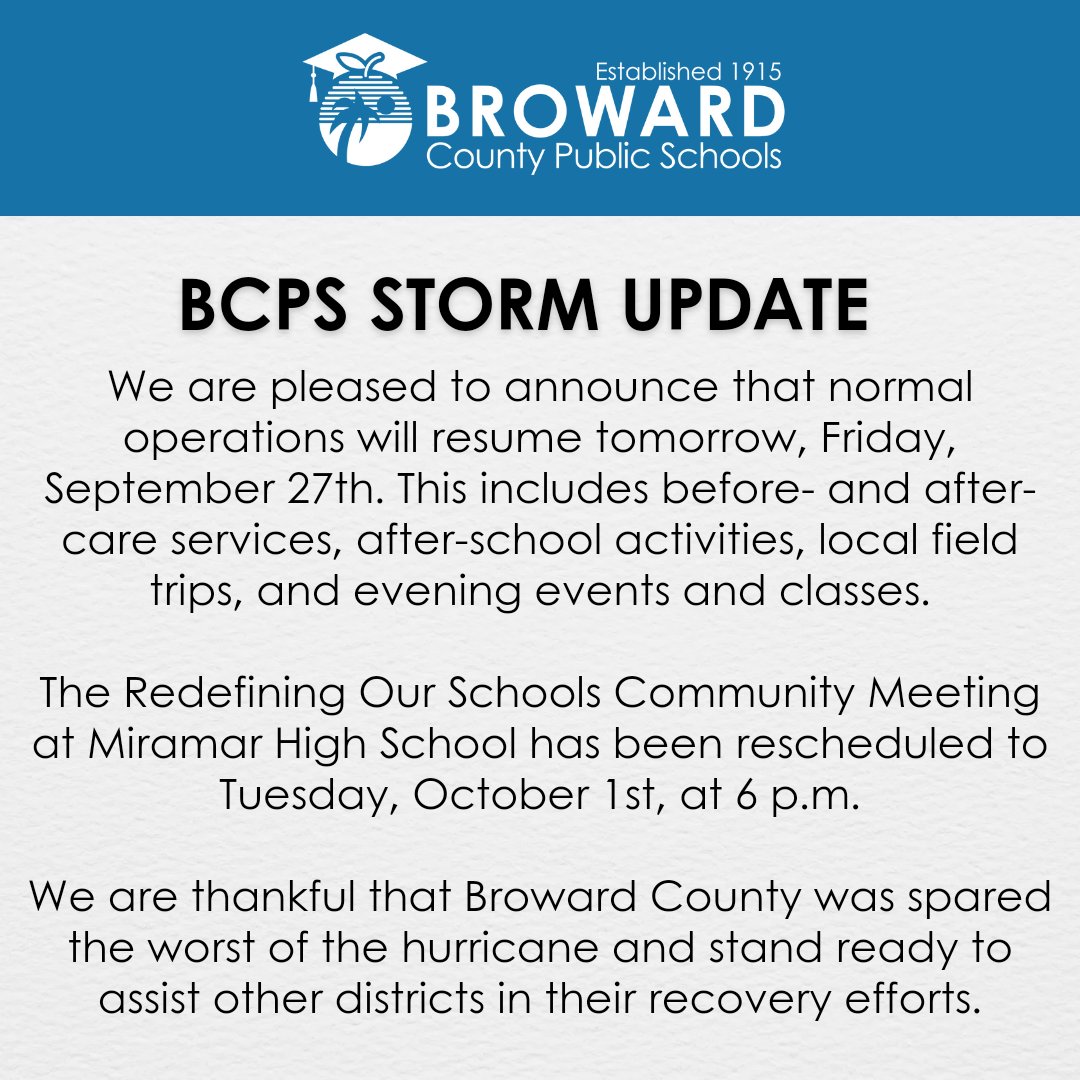
Florida’s subtropical climate means that weather events can, on occasion, lead to unexpected school closures. Hurricane season, running from June 1st to November 30th, is the most common cause. When a hurricane or tropical storm threatens the state, school districts in affected areas may close for several days to ensure student and staff safety, or to serve as community shelters. While these are unpredictable, families traveling during hurricane season should monitor local weather forecasts and school district announcements, as such closures can impact transportation, attraction operations, and general travel logistics.
Planning Your Family’s Florida Itinerary Around School Schedules
For families, integrating Florida’s school calendar into their trip planning is a smart strategy to enhance their travel experience. Proactive research and flexible thinking are key.
Researching Local District Calendars
To get the most accurate information on whether school is in session, the best approach is to consult the official websites of the specific school districts you plan to visit or stay near. For example, if you’re visiting Miami, check the Miami-Dade County Public Schools calendar. If your destination is Tampa, refer to Hillsborough County Public Schools. Similarly, for Jacksonville, consult Duval County Public Schools. These District Websites provide comprehensive calendars detailing start and end dates, holiday breaks, professional development days, and early release schedules for the current and upcoming academic years. This targeted research is invaluable for pinpointing optimal travel windows.
Alternative Activities During Busy Times
Even with meticulous planning, sometimes families can only travel during peak school holiday periods. In such cases, it’s wise to plan activities that are less impacted by crowds or to visit popular attractions during their less busy times. Consider:
- Early Mornings or Late Evenings: Arriving at theme parks right at opening or staying until closing can help avoid mid-day crowds.
- Off-the-Beaten-Path Attractions: Explore less famous but equally charming natural springs, smaller museums, state parks, or local farmers’ markets.
- Dining Reservations: Book restaurant reservations well in advance, especially for popular family-friendly eateries.
- Water Parks: While still busy, water parks can offer a refreshing alternative, especially with options for cabana rentals for a private retreat.
- Beach Alternatives: Instead of the most popular beach access points, seek out lesser-known stretches of sand or explore nature trails near the coast.

Flexibility is Key
Ultimately, the most successful family trips to Florida often involve a degree of flexibility. While aiming for off-peak school times is ideal, unexpected situations can arise, or family schedules might dictate travel during busier periods. Being adaptable with your itinerary, having backup plans, and maintaining a positive attitude will ensure that regardless of whether school is in session “tomorrow” in Florida, your family can still create wonderful memories. By understanding the intricate relationship between local school schedules and the broader tourism landscape, families can confidently navigate their Florida adventures, enjoying a smoother, more cost-effective, and deeply fulfilling experience tailored to their lifestyle travel preferences.
LifeOutOfTheBox is a participant in the Amazon Services LLC Associates Program, an affiliate advertising program designed to provide a means for sites to earn advertising fees by advertising and linking to Amazon.com. Amazon, the Amazon logo, AmazonSupply, and the AmazonSupply logo are trademarks of Amazon.com, Inc. or its affiliates. As an Amazon Associate we earn affiliate commissions from qualifying purchases.