
Big Bear, California, nestled high in the San Bernardino Mountains, is renowned across Southern California as a premier mountain resort town, particularly famous for its winter sports. The short answer to whether there is snow in Big Bear is a resounding yes, but the timing and amount are crucial for travelers planning a visit. Understanding the seasonal patterns, typical snowfall, and what to expect during different times of the year is essential for crafting the perfect mountain getaway, whether you’re seeking powdery slopes or just a picturesque snowy landscape.
The Seasonal Allure of Snow in Big Bear
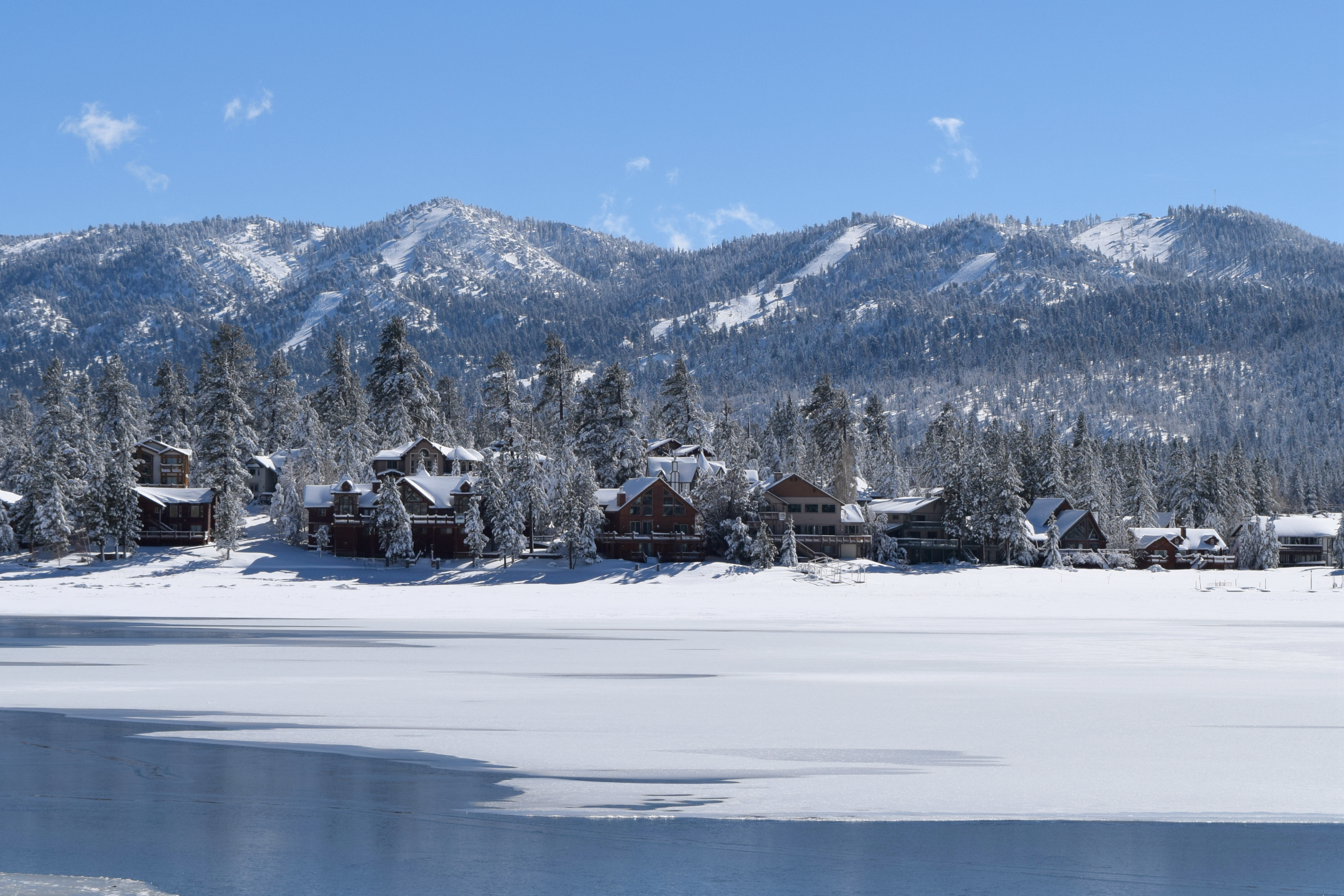
The presence of snow is perhaps the biggest draw for visitors to Big Bear Lake during the colder months. Unlike many other parts of California, Big Bear’s elevation ensures it receives consistent snowfall throughout winter, transforming the landscape into a glistening white wonderland. This natural phenomenon is what makes it a favorite destination for those looking to escape the milder coastal climates and embrace genuine winter experiences.
Winter Wonderland: When Snowfall is Expected
The prime snow season in Big Bear typically runs from late November through March, though variations can occur. Early season snows can sometimes arrive in October, dusting the peaks and providing a prelude to the winter’s bounty. By December, the mountains are usually well-covered, with ski resorts like Bear Mountain and Snow Summit fully operational. January and February often bring the heaviest snowfalls, creating ideal conditions for skiing, snowboarding, and other winter activities. As March progresses, the snow begins to melt, but spring storms can still deliver significant fresh powder, extending the season into early April on occasion, especially at higher elevations. Visitors planning a trip during these months should monitor weather forecasts closely for the most up-to-date information on conditions.
Factors Influencing Snow Accumulation
Several geographical and meteorological factors contribute to Big Bear’s reliable snowfall. Its elevation, ranging from approximately 6,750 feet at lake level to over 8,000 feet at its highest peaks, is the primary reason it receives colder temperatures conducive to snow rather than rain. The town’s location within the San Bernardino Mountains also places it in a prime position to capture moisture from winter storms moving inland from the Pacific Ocean. While a typical winter brings ample natural snow, Big Bear’s ski resorts also boast extensive snowmaking capabilities. This advanced technology ensures consistent coverage on the slopes, even during periods of lighter natural snowfall, guaranteeing a high-quality experience for skiers and snowboarders throughout the season. The combination of natural snowfall and state-of-the-art snowmaking provides a robust and dependable winter environment.
Historical Snowfall Patterns
Historically, Big Bear experiences an average annual snowfall of around 60 to 100 inches, though some seasons can see much more. There have been years with exceptionally heavy snow, sometimes exceeding 150 inches, leading to prolonged winter sports seasons and truly epic conditions. Conversely, milder winters can result in less natural snow, but as mentioned, the snowmaking infrastructure at the resorts mitigates these variations significantly for on-piste activities. Travelers interested in historical data can often find archives from local weather stations and ski resorts, which can offer insights into past conditions and help manage expectations for their upcoming trip. This consistent history of snowfall is a testament to Big Bear’s status as a reliable winter destination.
Snow-Related Activities and Attractions
Once snow blankets Big Bear, the valley transforms into an expansive playground for winter enthusiasts. The array of activities caters to all ages and skill levels, ensuring that every visitor can find their ideal way to enjoy the snowy landscape.
Skiing and Snowboarding Paradises
The crown jewels of Big Bear’s winter offerings are its two world-class ski resorts: Bear Mountain and Snow Summit. These resorts are managed under the same umbrella, offering a single lift ticket that grants access to both mountains, connected by a convenient shuttle service.
Bear Mountain
Known for its terrain parks and freestyle focus, Bear Mountain is a magnet for snowboarders and advanced skiers. It boasts multiple parks with jumps, rails, boxes, and halfpipes, regularly updated and maintained by a dedicated crew. The mountain also offers diverse runs, from challenging black diamonds to more mellow blue and green trails, ensuring there’s something for every skill level. Its vibrant atmosphere and emphasis on progression make it a dynamic destination for those looking to push their limits on the snow.
Snow Summit
Snow Summit is celebrated for its meticulously groomed runs and family-friendly atmosphere. It features a good mix of beginner, intermediate, and advanced trails, making it ideal for families and groups with varying skiing abilities. The resort also offers extensive ski and snowboard school programs, perfect for first-timers or those looking to refine their technique. With its stunning views and well-maintained facilities, Snow Summit provides a classic alpine experience. Both resorts offer equipment rentals, retail shops, and dining options, making a day on the slopes convenient and enjoyable.
Other Winter Sports and Fun
Beyond traditional skiing and snowboarding, Big Bear provides a plethora of other ways to enjoy the snow.
Snowshoeing, Tubing, Sledding
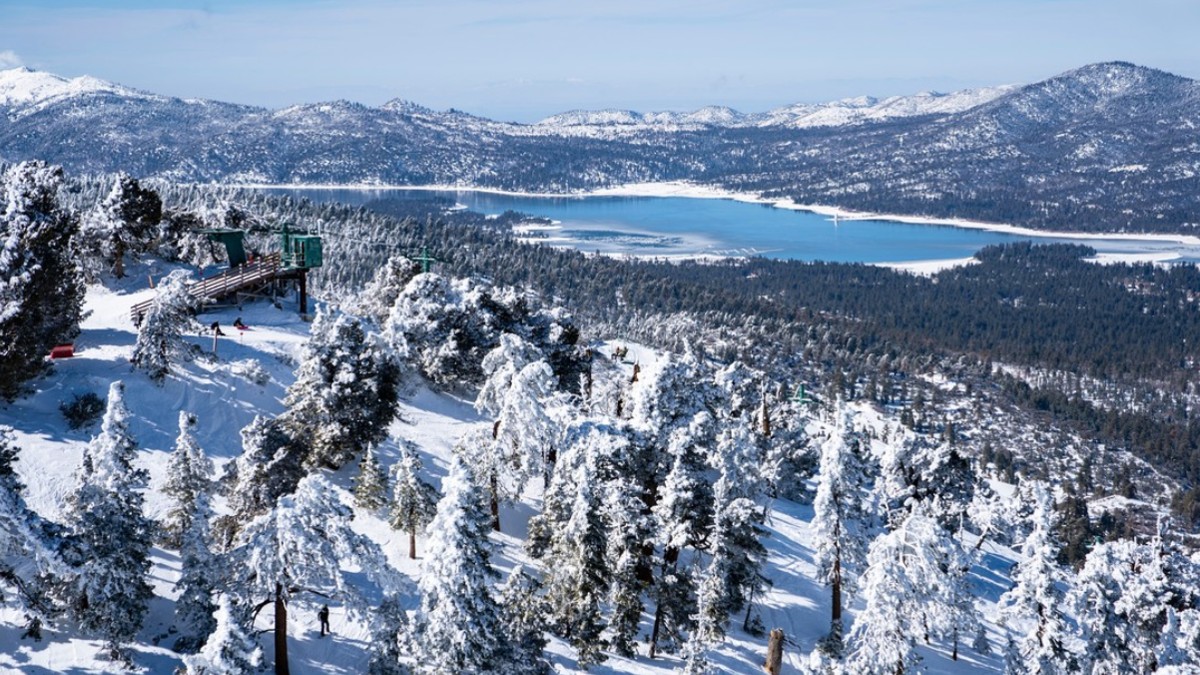
For those who prefer a more tranquil pace or a different kind of thrill, snowshoeing offers a fantastic way to explore the quieter, pristine areas of the forest. Numerous trails around the lake and in the surrounding national forest are suitable for snowshoeing, providing opportunities for wildlife viewing and serene natural immersion.
Tubing and sledding are immensely popular activities for families and groups, offering exhilarating downhill fun without the need for specialized skills. Big Bear Snow Play is a dedicated park specifically designed for tubing, featuring groomed lanes and a magic carpet lift to take you effortlessly back to the top. This eliminates the strenuous uphill trek, maximizing the fun. There are also several other designated sledding areas throughout the valley, some free and others requiring a small fee, providing ample options for enjoying this classic winter pastime.
Scenic Beauty and Photography Opportunities
Even if adrenaline-pumping sports aren’t your priority, the sheer beauty of Big Bear blanketed in snow is an attraction in itself. The crisp, clear mountain air, combined with the brilliant white landscape against the deep blue sky, creates breathtaking vistas. Photography enthusiasts will find endless opportunities to capture stunning winter scenes, from snow-covered pine trees and frozen lake edges to dramatic mountain sunrises and sunsets. A scenic drive around Big Bear Lake after a fresh snowfall reveals countless picturesque spots, offering a serene and beautiful experience for all visitors.
Planning Your Snow-Focused Trip to Big Bear
A successful snow trip to Big Bear requires careful planning, especially when it comes to timing, gear, and logistics. Being prepared ensures a smooth and enjoyable experience in the mountain environment.
Best Time to Visit for Snow
The absolute best time to visit Big Bear for guaranteed snow and optimal winter sports conditions is typically from mid-January through late February. During this period, the snow base is usually at its deepest, and fresh powder is a frequent occurrence. Early December and March can also be excellent, but conditions might be more variable. If your primary goal is to ski or snowboard, checking the resort’s snow report and forecasts is paramount. For general snow play and enjoying the ambiance, any time from December to March will likely offer a snowy landscape. Weekdays are generally less crowded than weekends and holidays, which can significantly enhance the experience on the slopes and in town.
Essential Gear and Packing List
Packing appropriately is crucial for comfort and safety in Big Bear’s winter climate. Layers are key: waterproof and insulated outer layers (jacket and pants), warm base layers (thermal underwear), and insulating mid-layers (fleece or down) are essential. Don’t forget waterproof gloves or mittens, a warm hat, and waterproof snow boots. For skiing and snowboarding, helmets are highly recommended and often mandatory for lessons. Sunscreen and sunglasses or goggles are also vital, as the sun’s reflection off the snow can be intense. If you plan on doing any off-piste activities like snowshoeing, consider bringing gaiters to keep snow out of your boots. For general walking around town, sturdy, warm, and waterproof footwear is a must.
Accommodation Options for Winter Stays
Big Bear offers a diverse range of accommodation options suitable for a winter escape. Cozy cabins are a popular choice, providing a quintessential mountain experience, often complete with fireplaces and hot tubs. Many cabins are available for rent through local property management companies or online platforms. Hotels and motels, ranging from budget-friendly to more luxurious, are also abundant, many offering amenities like heated pools and shuttle services to the ski resorts. For larger groups or extended stays, vacation rentals, including apartments and spacious homes, can be an excellent option, providing kitchens and multiple bedrooms. Booking well in advance, especially for weekend trips and holiday periods, is highly recommended as accommodations fill up quickly during the snow season.
Transportation and Road Conditions
Traveling to Big Bear during winter requires attention to road conditions. The main routes into the valley, such as State Routes 330, 38, and 18, are well-maintained, but during and immediately after snowstorms, chain requirements can be enforced. It is advisable to carry snow chains or cables for your vehicle, even if you have four-wheel drive or all-wheel drive, as conditions can change rapidly. Rental cars often do not allow chains, so if renting, verify their winter weather policy. Always check Caltrans road conditions (dot.ca.gov) or local Big Bear road advisories before heading up the mountain. Early morning travel or flexible departure times can help avoid the heaviest traffic and potential chain requirements, particularly for those driving from Los Angeles or Orange County.
Beyond the Snow: Year-Round Appeal
While snow is undoubtedly a major draw, Big Bear’s charm extends far beyond the winter months. The valley offers a delightful array of activities and natural beauty throughout the entire year, making it a versatile destination for any season.
Spring Thaw and Lake Activities
As the snow melts in spring, Big Bear Lake comes alive. The surrounding forests turn lush green, and wildflowers begin to bloom. This is an excellent time for fishing, as the lake is regularly stocked with trout. Boating, kayaking, and paddleboarding become popular as the weather warms. The mountain biking trails, still too snowy in winter, gradually open up, offering thrilling rides through scenic landscapes. Spring also brings milder temperatures, perfect for leisurely strolls around the village and enjoying outdoor dining without the intense summer heat or winter chill.
Summer Adventures and Hiking
Summer is a vibrant season in Big Bear, attracting visitors seeking relief from the heat of lower elevations. The lake becomes the focal point for water sports, including jet skiing, parasailing, wakeboarding, and swimming. Hiking opportunities are abundant, with trails ranging from easy lakeside paths to challenging climbs offering panoramic views. The Pacific Crest Trail passes near Big Bear, providing access to segments for day hikes or longer backpacking trips. Mountain biking remains a top activity, with the ski resorts converting their lifts to carry bikes to the summit for exhilarating downhill descents. Summer also brings a calendar full of events, including music festivals, car shows, and artisan markets, adding a lively atmosphere to the town.
Fall Foliage and Festivals
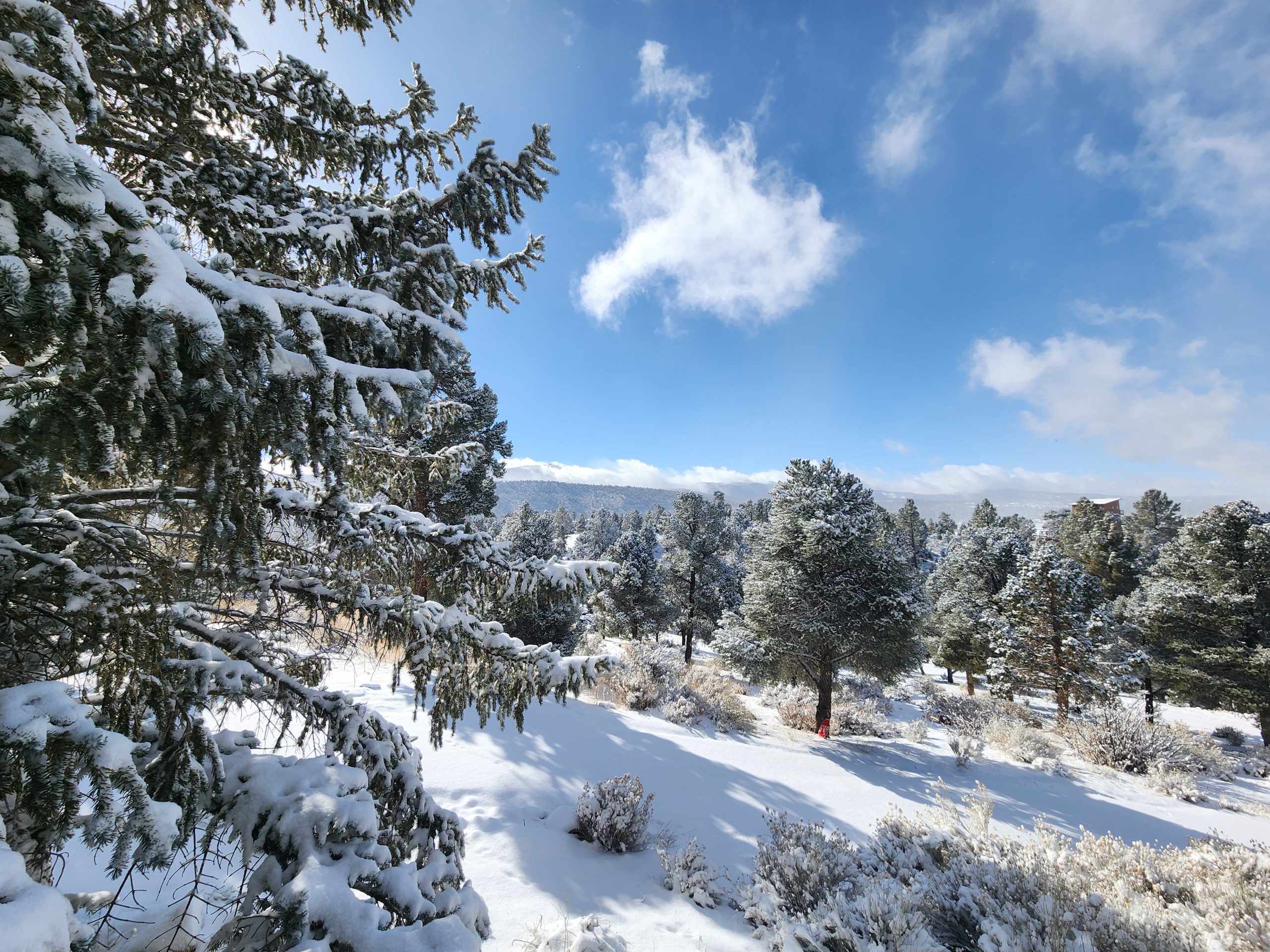
Autumn in Big Bear is a spectacular display of color, as the aspens, oaks, and cottonwoods transform into hues of gold, red, and orange. This season offers a quieter, more reflective experience, perfect for scenic drives, photography, and enjoying the crisp mountain air. Hiking and biking continue to be popular, with the added beauty of the fall foliage. Festivals celebrating Oktoberfest and various harvest themes add a festive touch to the season, providing local flavors and entertainment. As the air cools and the first dustings of snow might appear on the highest peaks, fall serves as a beautiful transition, hinting at the winter wonderland to come, reminding visitors that Big Bear truly offers something special in every season.
LifeOutOfTheBox is a participant in the Amazon Services LLC Associates Program, an affiliate advertising program designed to provide a means for sites to earn advertising fees by advertising and linking to Amazon.com. Amazon, the Amazon logo, AmazonSupply, and the AmazonSupply logo are trademarks of Amazon.com, Inc. or its affiliates. As an Amazon Associate we earn affiliate commissions from qualifying purchases.