
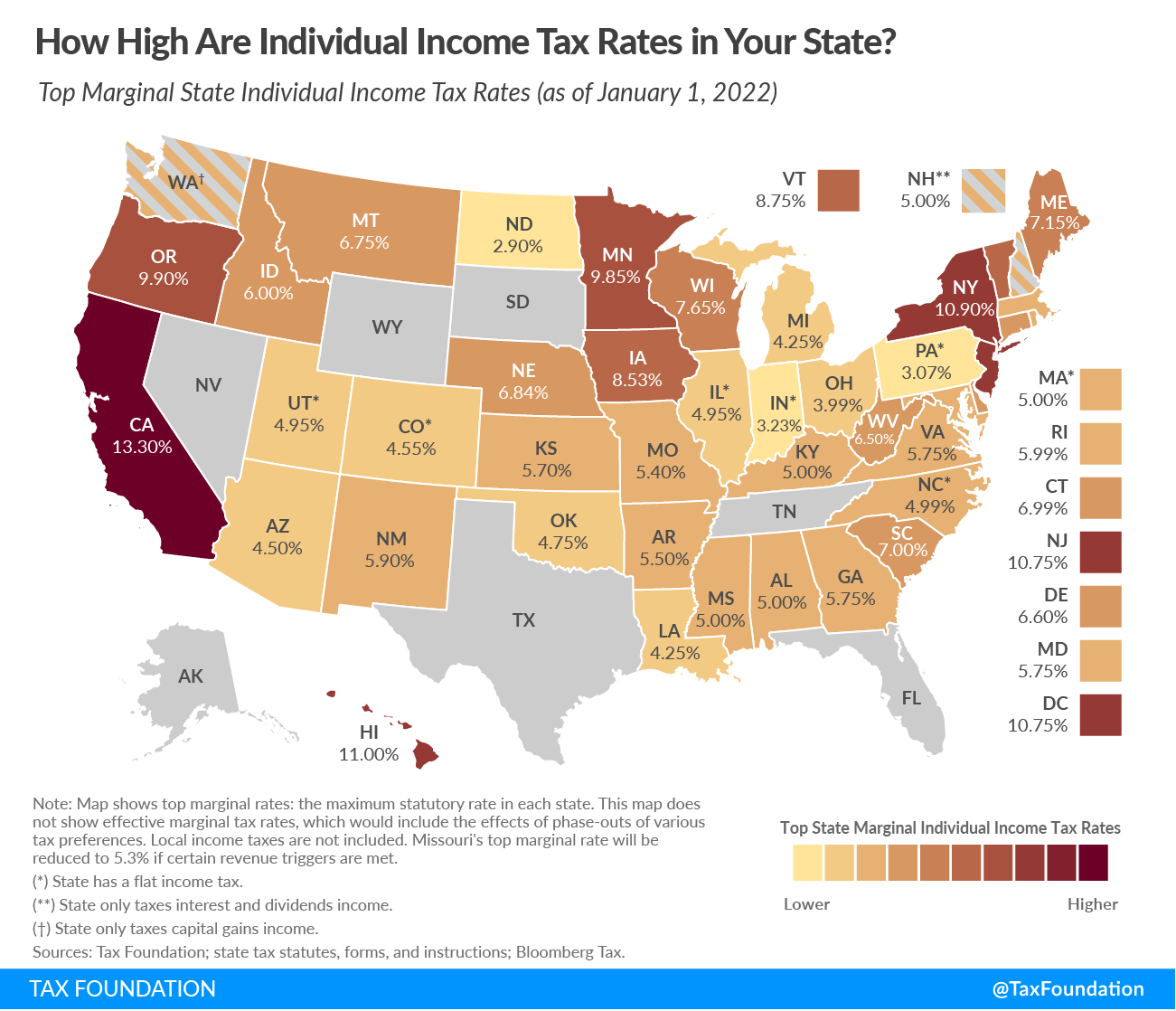
For many prospective travelers eyeing the sunny shores, vibrant cities, and world-renowned attractions of Florida, a crucial question often arises when planning their budget: “Is there state tax in Florida?” The simple answer is both yes and no, depending on what type of “state tax” you’re referring to. While the Sunshine State famously boasts no state income tax, visitors will certainly encounter other forms of taxation that impact their travel budget, from the moment they book their accommodation to every purchase made during their stay.
Florida’s unique tax structure is a key factor in its economic appeal for residents and businesses, fostering a dynamic environment that contributes to its allure as a global tourism hotspot. However, for those planning a dream vacation to destinations like Walt Disney World Resort in Orlando, the lively beaches of Miami, or the tranquil beauty of Key West, understanding these taxes is essential for accurate budgeting and a smooth experience. This guide will delve into the various taxes and fees that visitors to Florida should anticipate, providing clarity and practical tips to help you navigate your financial planning for an unforgettable trip. We’ll explore everything from sales tax on goods and services to specific levies on hotels and rental cars, ensuring you’re well-prepared for your adventure in the United States‘ premier vacation destination.
Decoding Florida’s Tax Structure for Travelers
Florida’s reputation as a tax-friendly state often stems from its lack of a personal income tax, a significant draw for residents and businesses alike. However, this doesn’t mean the state operates without a robust tax system. Instead, Florida relies heavily on consumption taxes, meaning that individuals pay taxes on the goods and services they purchase. For tourists, this translates primarily into sales tax, which applies to a wide array of transactions, and specific taxes related to lodging and transportation. Understanding where and when these taxes apply can make a substantial difference in how you manage your vacation finances, transforming potential surprises into manageable budget lines.
The revenue generated from these taxes plays a critical role in supporting the very infrastructure and services that enhance the visitor experience. From maintaining pristine beaches and state parks like Everglades National Park to funding essential public services in bustling cities such as Tampa and Jacksonville, these taxes contribute directly to the quality of life for residents and the quality of experience for millions of tourists. Being informed about these financial contributions can also offer a deeper appreciation for the state’s commitment to its vibrant tourism industry and the preservation of its natural and cultural landmarks.
The Sunshine State’s Sales Tax: Your Primary Consideration
The most pervasive tax visitors will encounter in Florida is the sales tax. This tax is applied to the sale of most goods, services, and certain rental transactions throughout the state.
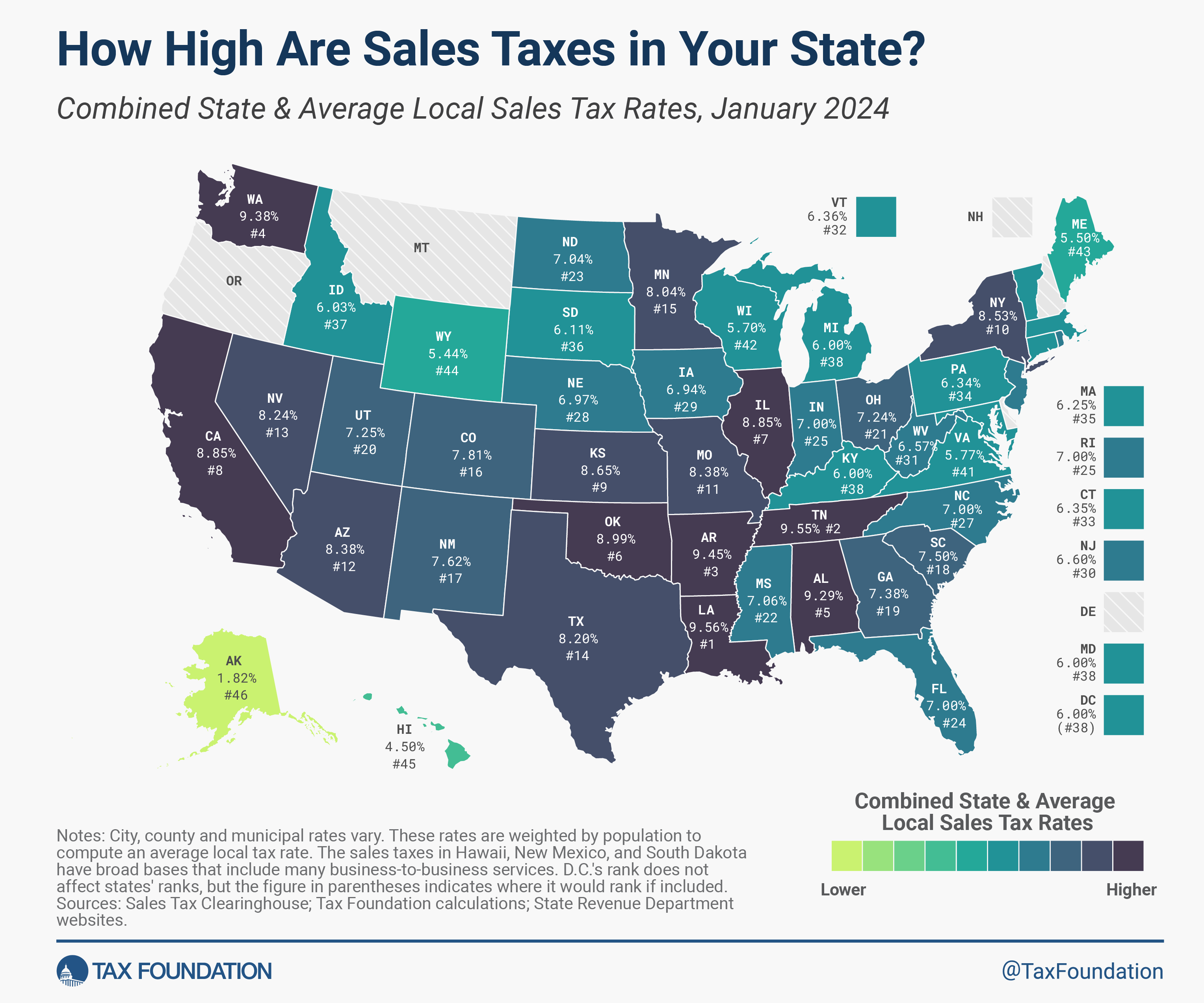
- State Sales Tax Rate: Florida imposes a statewide sales tax rate of 6%. This is a fixed rate that applies across all 67 counties, forming the baseline for nearly every taxable purchase you make.
- What it Applies To: This 6% state sales tax is levied on a vast range of items and services essential to any vacation. This includes clothing, souvenirs, electronics, and most retail purchases. Crucially, it also applies to admission tickets for popular attractions like Universal Orlando Resort, Busch Gardens Tampa Bay, or SeaWorld Orlando. Dining out at restaurants, cafes, and bars also falls under this tax, meaning that every meal or drink you enjoy in a vibrant city like Fort Lauderdale or a charming spot in St. Petersburg will include the sales tax.
- Exemptions: While broad, there are notable exemptions. Essential groceries (unprepared food), prescription and over-the-counter medications, and certain agricultural products are generally exempt from sales tax. This can be helpful for budget travel if you plan to prepare some of your own meals in a vacation rental or suite.
- Discretionary Sales Surtax: Beyond the statewide 6%, many Florida counties have the authority to impose an additional “discretionary sales surtax” (often referred to as a county sales tax). This surtax varies by county, typically ranging from 0.5% to 2.5%, and is added on top of the state’s 6%. For example, Orange County, home to many of Orlando’s major theme parks, has a combined sales tax rate of 6.5%. Miami-Dade County also has a 7% combined rate, meaning purchases there will be slightly higher. It’s important to remember that this combined rate applies uniformly to all taxable transactions within that county. When planning your travel itinerary, especially if visiting multiple areas, it’s worth checking the local sales tax rate for each destination to accurately estimate your spending.
For instance, a souvenir purchased at EPCOT in Walt Disney World will have the Orange County rate, while a designer item from a boutique in South Beach will reflect the Miami-Dade County rate. These seemingly small percentages can accumulate, especially for travelers indulging in shopping sprees, dining experiences, or multiple attractions.
Accommodation Taxes: Understanding Your Stay’s True Cost
One of the most significant tax components for travelers in Florida revolves around where they choose to stay. Beyond the standard sales tax, various levies are specifically applied to lodging, directly impacting the final cost of your hotel, resort, or vacation rental. This is a critical area for budgeting, especially if you’re planning an extended stay or opting for luxury travel experiences in world-class resorts.
Tourist Development Tax (TDT) and Resort Fees

When booking your accommodation in Florida, two key additional costs will likely appear on your bill: the Tourist Development Tax (TDT) and, frequently, resort fees.
- Tourist Development Tax (TDT): Often referred to as a “bed tax” or “resort tax,” the TDT is a local option tax levied on the rental of transient accommodation for six months or less. This includes hotels, motels, vacation rentals (like those found in Kissimmee), apartments, and villas. The primary purpose of the TDT is to fund tourism promotion and development, including convention centers, sports facilities, and beach renourishment projects that directly benefit visitors and the local culture. The TDT rate is determined by individual counties and varies significantly across the state.
- For example, in Orange County (home to Walt Disney World and Universal Studios Florida), the TDT is 6%. Miami-Dade County also charges 6%. Broward County, encompassing Fort Lauderdale, applies a 6% TDT. When combined with the state sales tax and the county discretionary sales surtax, the total tax rate on your lodging can easily reach 11% to 13% or even higher. For instance, a hotel stay in Orlando would incur the 6% state sales tax, a 0.5% Orange County surtax, and a 6% TDT, totaling 12.5% on top of the room rate. This significantly adds to the overall cost, especially for families or those on extended trips.
- Resort Fees (Mandatory Service Charges): While not technically a tax, resort fees are a ubiquitous and often mandatory charge imposed by many hotels and resorts across Florida. These fees are typically charged per night, per room, and are meant to cover amenities such as Wi-Fi, fitness center access, pool towels, local calls, or even complimentary shuttle services to nearby attractions. Resort fees can range from $15 to over $50 per night, depending on the property and its star rating. It’s crucial for travelers to be aware of these fees, as they are often not included in the initial quoted room rate and can substantially inflate the final bill. Always check the fine print when booking accommodation, whether it’s a bustling resort near Animal Kingdom or a serene boutique stay on Siesta Key. For those focused on budget travel, seeking hotels that waive or clearly state their resort fees upfront is a wise strategy.
Rental Car Surcharges and Other Indirect Costs
For many exploring the vast Florida landscape, a rental car is indispensable for visiting diverse destinations from Clearwater Beach to Daytona Beach. However, renting a vehicle comes with its own set of taxes and fees.
- Rental Car Tax: Florida levies specific taxes on motor vehicle rentals. The state sales tax of 6% applies to the rental charge. In addition, there’s a 6% lease tax on vehicles rented for less than one year. This means the total tax on your rental car often amounts to 12% of the rental rate, before any other fees.
- Other Rental Car Fees: Beyond taxes, expect to encounter various additional charges such as airport concession recovery fees (if renting from an airport), vehicle license recovery fees, energy surcharge fees, and even fees for optional services like GPS or toll pass transponders. These can add a significant amount to the daily rental cost.
- Gasoline Tax: While not a direct state tax paid by the consumer at the pump in the same way as sales tax, the price of gasoline in Florida includes federal and state excise taxes. This is an indirect cost that impacts any road trip, whether you’re driving through Southwest Florida or along the Atlantic Ocean coastline.
- Toll Roads: Many of Florida’s major arteries, including Florida’s Turnpike and various expressways around major cities, are toll roads. While not taxes, these are mandatory costs for drivers that must be factored into the travel budget, especially if you plan extensive driving to explore destinations like Naples, Destin, or Panama City Beach. Many rental car companies offer digital toll passes for convenience, but these often come with their own daily fees.
The Advantage of No State Income Tax
The absence of a state income tax in Florida is a cornerstone of its appeal, distinguishing it from many other states in the United States. While this directly benefits residents and businesses, its impact on tourists is more indirect but still noteworthy.
For individuals considering a long-term stay, remote work, or even relocation to the Sunshine State, the lack of state income tax represents significant savings on earnings. This policy contributes to Florida’s robust economic growth, attracting talent and investment, which in turn can foster a competitive business environment. A thriving economy with diverse businesses and a strong workforce can indirectly contribute to competitive pricing for goods and services in the tourism sector.
For the typical short-term tourist, however, this specific tax advantage is largely invisible. Visitors primarily encounter consumption taxes, as discussed. Nonetheless, the overall economic climate nurtured by this tax policy helps maintain Florida’s status as a top-tier destination, ensuring a continuous investment in attractions, hotels, and infrastructure that caters to a global audience. While you won’t save money on your paycheck during a vacation, the broader economic health supported by this tax structure indirectly ensures a high-quality travel experience.
Navigating Your Florida Vacation Budget with Tax-Smart Strategies
Understanding Florida’s tax landscape is the first step; incorporating this knowledge into your vacation planning is where you truly maximize your experience. Whether you’re planning a thrilling family trip to Magic Kingdom or a serene escape to Amelia Island, smart budgeting around taxes and fees ensures that financial surprises don’t detract from your enjoyment.
Smart Planning for an Unforgettable Trip
- Factor in All Taxes from the Start: When researching hotels or vacation rentals, don’t just look at the base rate. Always try to find the “total price” that includes all sales taxes, TDT, and any mandatory resort fees. Many booking platforms now show these charges upfront, but it pays to double-check. A $200-a-night room could easily become $230-$250 with all taxes and fees, which significantly impacts a multi-night stay. This is particularly crucial for luxury travel where higher base rates mean higher tax amounts.
- Budget for Discretionary Spending: Remember that the combined state and county sales tax (typically 6.5% to 8.5%) will be added to virtually every non-grocery purchase. Set aside a separate portion of your budget for shopping, souvenirs, entertainment tickets (e.g., to Hollywood Studios or Discovery Cove), and dining out, considering these additional percentages.
- Evaluate Transportation Costs Carefully: If renting a car, factor in the 12% state tax on the rental rate, plus potential airport fees, gas prices, and estimated toll costs. Using a tool like Google Maps to plot your routes can help you estimate tolls. Consider whether you truly need a rental car for your entire trip, especially if staying within a walkable area like Key West or if your resort offers extensive shuttle services. For business stays, car rental costs can add up quickly, so explore corporate rates and expense policies.
- Dining Strategies: While sales tax applies to restaurant meals, groceries are largely exempt. For longer stays or budget travel, preparing some meals in accommodation with kitchen amenities can offer substantial savings. Explore local markets and grocery stores in cities like Tallahassee or Sarasota for fresh produce and ingredients.
- Seek Value and Deals: Florida’s competitive tourism market means deals and discounts are often available. Look for vacation packages that bundle hotels, flights, and attractions, as these sometimes offer overall savings that can help offset the tax burden. Many resorts and attractions also offer seasonal promotions or discounts for advance bookings.
- Embrace Florida’s Free Attractions: To balance out taxable expenses, weave in plenty of Florida’s fantastic free experiences. The state is renowned for its public beaches along the Gulf of Mexico and the Atlantic Ocean, scenic drives, and many natural parks that offer breathtaking views without an admission fee. A sunset stroll on Clearwater Beach or exploring the historic streets of St. Augustine are priceless experiences that don’t incur sales tax. Visiting the Kennedy Space Center Visitor Complex is an incredible paid experience, but nearby beaches offer free stunning views of launches. Even just enjoying the vibrant street art in Miami’s Wynwood Arts District is a cultural immersion at no cost. For those exploring Sanibel Island and Captiva Island, shelling on the beach is a free and rewarding pastime.
In conclusion, while Florida proudly maintains a no-state-income-tax policy, visitors should certainly expect to encounter various other state and local taxes. From the omnipresent sales tax on goods and dining to specific tourist development taxes on accommodation and distinct levies on rental cars, these charges are an inherent part of the travel experience in the Sunshine State. By understanding these components and planning meticulously, you can ensure your budget aligns with your expectations, leaving you free to immerse yourself fully in Florida’s unparalleled beauty, vibrant culture, and world-class attractions. A little homework on the tax front will go a long way in making your Florida vacation as smooth and enjoyable as possible.
LifeOutOfTheBox is a participant in the Amazon Services LLC Associates Program, an affiliate advertising program designed to provide a means for sites to earn advertising fees by advertising and linking to Amazon.com. Amazon, the Amazon logo, AmazonSupply, and the AmazonSupply logo are trademarks of Amazon.com, Inc. or its affiliates. As an Amazon Associate we earn affiliate commissions from qualifying purchases.