
As travelers plan their journeys, understanding the financial landscape of their chosen destinations is paramount. For those setting their sights on the vibrant and diverse state of Nevada, a common question arises: “Is there state tax in Nevada?” This inquiry is particularly pertinent for tourists and visitors who are accustomed to various taxation structures in other states or countries. The answer, in essence, is nuanced, as Nevada stands out for its unique approach to state-level taxation.
This article will delve into the specific tax policies that affect visitors and residents alike within Nevada, focusing on aspects most relevant to the travel and tourism sector. We will explore the absence of a statewide income tax, the presence of a sales tax, and how these elements contribute to the state’s appeal as a travel destination, particularly for entertainment hubs like Las Vegas and Reno. Understanding these fiscal details can empower travelers to budget more effectively and make informed decisions about their spending during their Nevada adventures.

The Absence of State Income Tax: A Major Draw for Visitors
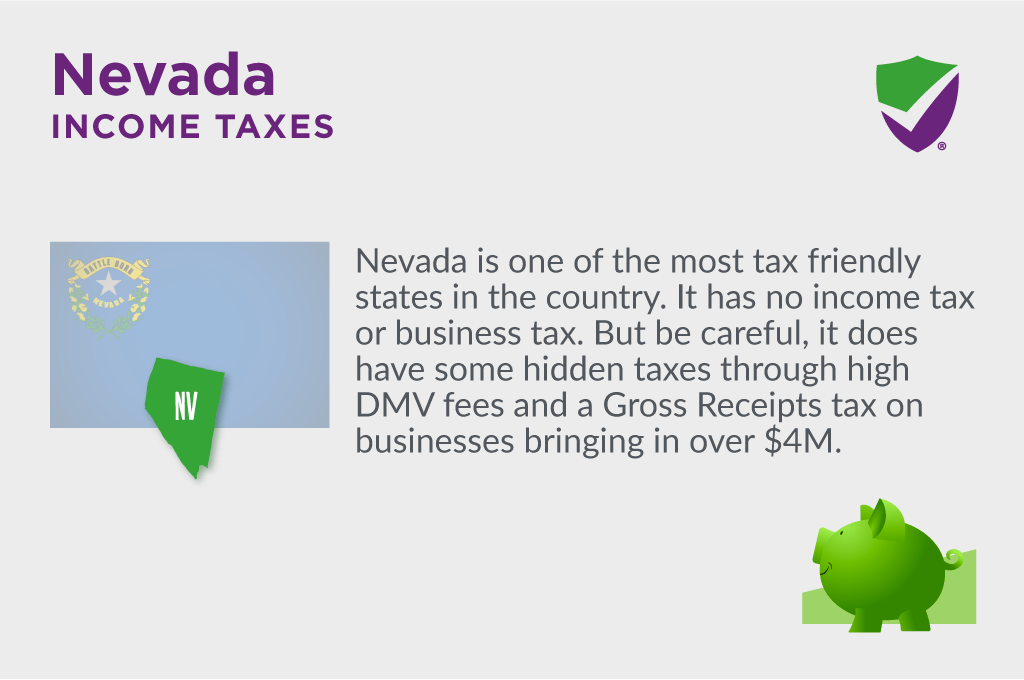
One of the most significant and widely advertised fiscal characteristics of Nevada is its complete lack of a state income tax for individuals. This policy has been a cornerstone of the state’s economic development strategy for decades, aiming to attract businesses and residents by offering a more favorable tax environment. For travelers, this translates into a higher disposable income once they arrive, allowing for more spending on entertainment, dining, and accommodations.
Impact on Disposable Income
For tourists visiting Nevada for leisure or business, the absence of state income tax means that their earnings from outside the state remain fully theirs. This is in stark contrast to states where a portion of income is remitted to the state government. Imagine a scenario where a visitor from a state with a high income tax rate decides to extend their stay in Las Vegas or explore the natural beauty of places like Lake Tahoe. The money they would typically pay in income tax in their home state can now be allocated towards experiencing more of what Nevada has to offer, from world-class shows and gourmet restaurants to thrilling outdoor activities. This factor alone can make Nevada a more attractive destination for longer stays or for those looking to maximize their vacation budget.
Attracting High Net Worth Individuals and Businesses
Beyond individual travelers, the lack of state income tax also plays a crucial role in attracting high-net-worth individuals and businesses to Nevada. While this may seem removed from the immediate concerns of a tourist, it indirectly influences the state’s economy and, consequently, its tourism infrastructure. The influx of wealth and business investment often leads to the development of more luxurious resorts, sophisticated entertainment venues, and a general enhancement of the visitor experience. For instance, the proliferation of high-end casinos, designer boutiques, and Michelin-starred restaurants in Las Vegas can be partly attributed to the favorable tax climate that encourages substantial investment. This economic dynamism creates a richer and more diverse offering for all types of travelers.
Sales Tax in Nevada: The Primary Revenue Generator
While Nevada foregoes individual income tax, it relies heavily on sales tax as its primary source of state revenue. This tax is applied to the sale of tangible goods and certain services. Understanding the sales tax structure is essential for visitors, as it directly impacts the final price of purchases made throughout the state.
Statewide and Local Sales Tax Rates
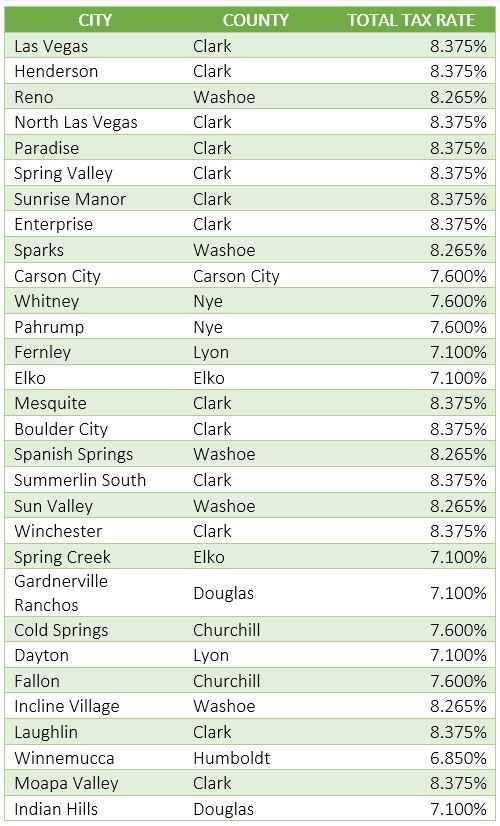
The sales tax in Nevada is a combination of a state tax and local taxes, which vary significantly by county and even by specific districts within counties. The statewide base rate is 4.6%, but the actual rate you pay at the register can be considerably higher once local additions are factored in. For example, Clark County, home to Las Vegas, has one of the highest combined sales tax rates in the state, often reaching over 8%. Washoe County, where Reno is located, also has substantial sales tax rates. These variations mean that a purchase made in one city could cost more than the same item bought in another, a factor worth considering for savvy shoppers.
Impact on Tourist Spending
The sales tax directly affects virtually every purchase a tourist makes. From the souvenirs picked up in a shop on the Las Vegas Strip to the meals enjoyed at a downtown restaurant, the sales tax is an additional cost added at the point of sale. This is particularly relevant when considering larger purchases, such as electronics, clothing, or even the cost of a rental car. While it might seem like a small percentage on individual items, these costs can add up significantly over the course of a vacation. Travelers should factor these taxes into their overall budget. For instance, if a traveler plans to buy several outfits for evening wear in Las Vegas, they should anticipate that the advertised price will be increased by the local sales tax rate. Similarly, the cost of a show ticket or a round of drinks at a bar will include this added tax.
Exemptions and Taxable Services
While most goods are subject to sales tax, there are certain exemptions. For instance, groceries intended for home consumption are typically exempt from sales tax in Nevada. However, prepared food purchased for immediate consumption, such as at a restaurant or a food court, is usually taxable. Certain services are also subject to sales tax, including the rental of tangible personal property, such as vehicles or hotel rooms, and specific professional services. It is important for travelers to be aware of what is taxable to avoid any surprises. For example, the cost of a hotel room, often a significant expense for tourists, will have sales tax added to the base rate. Understanding these nuances can help in more accurate budgeting for various aspects of a trip.
Tourism Taxes: Funding Entertainment and Infrastructure
Beyond the general sales tax, Nevada employs a range of specialized tourism-related taxes and fees designed to fund the infrastructure and services that support its massive tourism industry. These taxes are often embedded within the prices of services heavily utilized by visitors, such as hotel stays and car rentals.
Hotel Room Taxes
One of the most impactful taxes for travelers is the hotel room tax. This tax is levied on the nightly rate of lodging and is a crucial revenue stream for local governments, particularly in tourist hotspots like Las Vegas and Reno. The combined tax rate on hotel rooms can be substantial, often reaching double-digit percentages when state and local components are combined. These taxes help fund local services, infrastructure improvements, and marketing efforts that promote tourism within the state. For example, when booking a room at the Bellagio Hotel & Casino or the Grand Sierra Resort, travelers will see these taxes clearly itemized on their final bill, in addition to the base room rate and the general sales tax.
Other Tourism-Specific Taxes and Fees
In addition to hotel taxes, other fees are often associated with tourism. Car rental companies, for instance, may pass on various state and local taxes and concession fees to renters. These can contribute to the overall cost of transportation within the state. Furthermore, some entertainment venues and attractions might incorporate specific visitor fees or taxes, although these are less common than general sales or lodging taxes. The intent behind these layered taxes is to ensure that the industry that benefits most from tourism also contributes significantly to the upkeep and enhancement of the state’s attractions and public services, ultimately benefiting future visitors as well.
Conclusion: A Tax Landscape Tailored for Tourism
Nevada’s approach to state taxation presents a unique proposition for travelers. The absence of a state income tax is a significant financial advantage, allowing visitors to retain more of their income and potentially spend more on their vacation experiences. However, the presence of a robust sales tax, coupled with specialized tourism taxes on lodging and other services, means that spending on goods and experiences will incur additional costs.
Understanding these tax dynamics is key to responsible and enjoyable travel planning in Nevada. By factoring in the statewide and local sales tax rates, as well as hotel taxes, visitors can accurately budget for their trips, whether they are planning a lavish stay on the Las Vegas Strip, exploring the outdoor adventures around Lake Tahoe, or enjoying the historic charm of Reno. Ultimately, Nevada leverages its tax structure to foster a dynamic economy that is heavily reliant on and supportive of its thriving tourism industry, making it a destination that offers both financial advantages and a rich tapestry of experiences for every visitor.
LifeOutOfTheBox is a participant in the Amazon Services LLC Associates Program, an affiliate advertising program designed to provide a means for sites to earn advertising fees by advertising and linking to Amazon.com. Amazon, the Amazon logo, AmazonSupply, and the AmazonSupply logo are trademarks of Amazon.com, Inc. or its affiliates. As an Amazon Associate we earn affiliate commissions from qualifying purchases.