
For many modern travelers, the first question when planning a trip to a new destination, especially one as sought-after as Hawaii, often revolves around transportation. Ride-sharing services like Uber have revolutionized how we navigate unfamiliar cities, offering convenience, transparency, and often a more economical alternative to traditional taxis. So, when setting your sights on the picturesque landscapes and vibrant culture of the Aloha State, a crucial piece of planning involves understanding the local transit landscape: is Uber available in Hawaii, and how effectively can it serve your travel needs?
The direct answer is yes, Uber does operate in Hawaii. However, its presence, accessibility, and utility vary significantly depending on which island you plan to visit and even which part of that island. While Uber can be an invaluable tool for getting around in certain areas, particularly the more urbanized hubs, travelers should not assume it will be a universally reliable option across the entire archipelago. Understanding its operational scope, alongside other local transportation alternatives, is key to a smooth and enjoyable Hawaiian vacation. This guide will delve into the specifics of using Uber in Hawaii, comparing it with other options and providing insights to help you make informed decisions for your island adventures.

Navigating the Aloha State: Uber’s Presence Across Hawaiian Islands
The availability and efficiency of Uber in Hawaii are not uniform across its diverse islands. While you might find abundant drivers in the bustling capital, more rural or less populated islands present a different story.
Oahu: The Epicenter of Ride-Sharing
Oahu, home to the state capital Honolulu and the world-famous Waikiki Beach, is by far the most developed island for ride-sharing services. Here, Uber is widely available and functions much like it would in any major mainland city.
- Availability in Honolulu, Waikiki, and Beyond: In Honolulu and the popular resort area of Waikiki, you’ll find a strong presence of Uber drivers at almost any time of day or night. Wait times are generally short, especially in these high-demand zones. This makes Uber an excellent choice for getting to and from restaurants, shopping centers, hotels, and tourist attractions within the metropolitan area.
- Specific Use Cases: Uber is particularly convenient for airport transfers to and from Honolulu International Airport (HNL). Dedicated ride-share pick-up zones are clearly marked, streamlining the process. For those enjoying Honolulu’s vibrant nightlife, Uber offers a safe and reliable way to get back to your accommodation without worrying about parking or designated drivers. While coverage extends to some extent to other parts of Oahu, such as the North Shore, expect longer wait times and potentially higher fares as you venture further from the main city.
Maui & Big Island: Growing but Limited Coverage
On Maui (also known as “The Valley Isle”) and the Big Island (officially the Island of Hawaii), Uber’s presence is noticeable but more concentrated and less pervasive than on Oahu.
- Focus on Main Tourist Areas: On Maui, you’ll primarily find Uber drivers in and around the main tourist hubs like Kahului (where Kahului Airport is located), Lahaina, Kihei, and the resort areas of Wailea and Ka’anapali. Similar patterns hold for the Big Island, with better availability in Kona (near Kona International Airport) and Hilo. These areas are where most visitors stay and where the demand for ride-sharing services is highest.
- Challenges in Rural Areas: Venture outside these main towns or resort corridors, and the availability of Uber drivers can drop off significantly. You might face extended wait times, dynamic pricing (surge), or simply no available drivers, especially during off-peak hours or in more remote parts of the islands. For instance, exploring the scenic Road to Hana on Maui or the volcanic landscapes of the Big Island will likely require a different mode of transport.
Kauai & Other Islands: Plan Ahead
For islands like Kauai (the “Garden Isle”), Molokai, and Lanai, Uber’s presence is extremely limited, if not entirely non-existent.
- Very Limited or Non-Existent: On Kauai, for example, while you might occasionally spot an Uber driver, relying on it for consistent transportation is ill-advised. The small number of drivers means long waits and high uncertainty, especially outside the main towns like Lihue or Poipu. On Molokai and Lanai, you can generally assume Uber is not a viable transportation option.
- Alternative Recommendations for These Islands: For these less-developed islands, it is imperative to plan ahead. Rental cars are almost always the recommended mode of transport for independence and flexibility. Taxis are available, though they can be expensive. Hotel shuttles, organized tours, or local bus services (if available) become the primary alternatives.
Uber vs. Other Transportation Options in Hawaii
While Uber offers a modern solution, Hawaii provides a range of transportation choices, each with its own advantages and disadvantages. Understanding these can help you decide when Uber is the best fit and when an alternative might serve you better.
Rental Cars: The Freedom to Explore
For many visitors to Hawaii, a rental car remains the quintessential mode of transport, offering unparalleled freedom and flexibility.
- Pros and Cons: The biggest advantage of a rental car is the ability to explore at your own pace, reaching remote beaches, hiking trails, and hidden gems that public transport or Uber might not access. This is especially true on Maui, the Big Island, and Kauai. However, rental cars come with their own set of challenges: daily rental fees (which can be substantial, especially during peak season), parking fees (particularly in Waikiki and other urban areas), the stress of navigating unfamiliar roads, and the need to appoint a designated driver for evening activities.
- When Rental Cars Are Essential: If your itinerary involves extensive island exploration beyond resort areas, visiting multiple state parks or natural attractions, or simply the desire for spontaneous detours, a rental car is often indispensable. On islands like Kauai, it’s virtually a necessity.
Taxis & Shuttles: Traditional and Reliable
Before ride-sharing, taxis and airport shuttles were the go-to for many travelers. They still hold a place in Hawaii’s transportation ecosystem.
- Airport Shuttles and Hotel Taxis: Many hotels offer dedicated shuttle services, particularly from the airports. These can be pre-booked and offer a stress-free transfer, especially if you have a lot of luggage. Traditional taxis are readily available at airports and major hotel lobbies. They are metered and regulated, providing a reliable option, though typically at a higher cost than Uber or Lyft for comparable distances.
- Comparison of Cost and Convenience with Uber: While taxis are always available, their fares are often higher than ride-sharing services, especially for short to medium distances. Shuttles are good for direct airport-to-hotel routes but lack flexibility for day-to-day travel. Uber often provides a more competitive price point and the convenience of hailing a ride directly from your smartphone, with transparent fare estimates upfront.
Public Transportation: Budget-Friendly, Destination-Specific
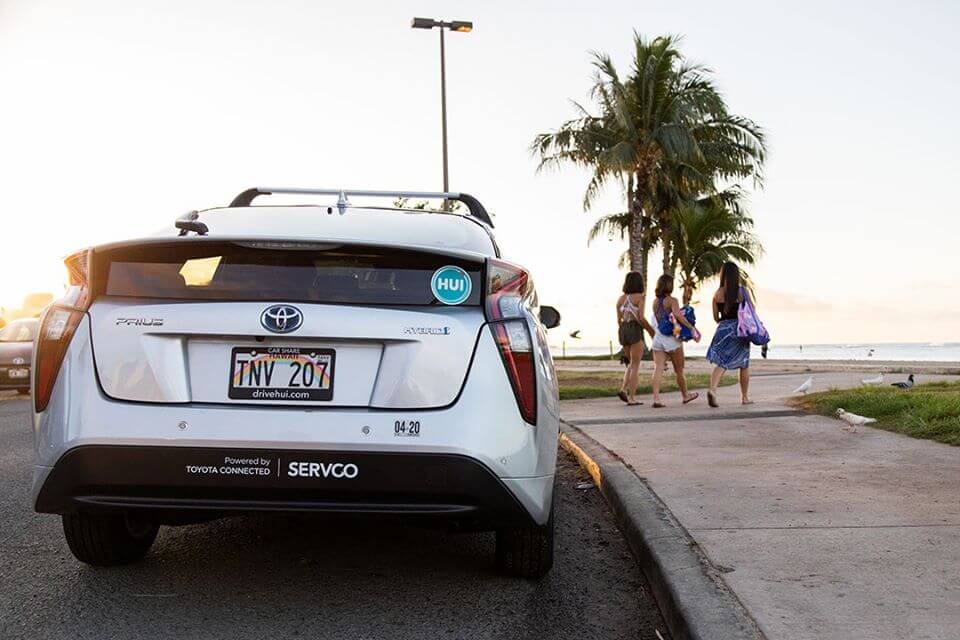
For the budget-conscious traveler or those staying primarily within urban centers, public transportation can be a viable option, particularly on Oahu.
- TheBus in Oahu: Oahu boasts an excellent public bus system called TheBus, which serves most parts of the island, including routes from Waikiki to Honolulu International Airport and even the North Shore. It’s an incredibly affordable way to get around. However, it requires patience, understanding routes and schedules, and can be time-consuming due to multiple stops.
- Limited Options on Other Islands: Other islands have significantly more limited public transport. Maui has a bus system that primarily connects major towns and resorts but isn’t as comprehensive as Oahu’s. The Big Island also has a county bus system, but coverage is sparse, and schedules are infrequent, making it impractical for most tourists. Kauai has a very basic bus system that mostly serves local communities.
- When It’s a Good Choice: TheBus on Oahu is ideal if you’re staying in Waikiki, plan to explore Honolulu and its immediate surroundings, and are not in a hurry. For other islands, public transport is generally not a practical option for tourists.
Ride-Sharing Alternatives: Lyft and Local Options
Uber isn’t the only ride-sharing game in town. Lyft also operates in Hawaii with a similar footprint.
- Lyft and its Similar Presence: Like Uber, Lyft is strongest on Oahu and has a growing, though more limited, presence on Maui and the Big Island. It’s always a good idea to have both apps on your phone to compare prices and availability, especially during peak times or in areas with fewer drivers. Sometimes one service might have better pricing or quicker pick-ups than the other.
- Any Local Ride-Sharing or Shuttle Services: Beyond these two major players, there aren’t widespread local ride-sharing apps. However, some local shuttle services (e.g., speedishuttle or Roberts Hawaii Express Shuttle) offer pre-booked shared rides, primarily for airport transfers, and can be a cost-effective choice for groups or solo travelers who don’t mind sharing.
Optimizing Your Uber Experience in Hawaii
To make the most of Uber during your Hawaiian travels, a few strategic considerations can enhance your experience and avoid potential frustrations.
Best Practices for Tourists
- Check Surge Pricing and Wait Times: Always check the estimated fare and wait time before confirming a ride, especially during peak hours (morning commute, evening rush, late nights, or special events). Dynamic pricing, or “surge,” can significantly increase fares. If the price is too high, wait a few minutes or check Lyft.
- Connectivity: Ensure your phone has reliable cellular data or Wi-Fi. Free public Wi-Fi is available in many hotels, cafes, and some public spaces, but you’ll need data for seamless on-the-go requests. Consider a local SIM card or an international roaming plan.
- Safety Tips: As with any ride-sharing service, confirm your driver’s name, vehicle model, and license plate match the details in the app before getting into the car. Share your trip status with a trusted contact, especially if traveling alone.
Cost Considerations and Tipping
- Factor in Distances and Potential Surge: While often more affordable than taxis, Uber costs can add up quickly, especially for longer distances or if you frequently encounter surge pricing. Compare the estimated cost of multiple Uber rides against the daily rate of a rental car for your planned itinerary.
- Tipping Etiquette: Tipping your Uber driver is highly recommended in Hawaii, as it is customary throughout the service industry in the US. A tip of 15-20% for good service is standard and much appreciated by drivers who navigate tourist routes and often provide local insights.
Airport Transfers: A Key Use Case
Uber provides an efficient way to get to and from Hawaii’s major airports, often quicker and more direct than shuttles, and potentially more economical than taxis.
- Specific Pick-Up Zones:
- Honolulu International Airport (HNL): Follow signs for “Ride Shares” or “Pre-arranged Taxis” to designated pick-up zones located on the second level of the parking structures across from the terminals.
- Kahului Airport (OGG): There are specific areas marked for ride-share pick-ups outside baggage claim.
- Kona International Airport (KOA): Designated ride-share pick-up zones are available outside the terminal.
Always check the Uber app for the most current pick-up instructions, as airport regulations can change.
When to Rely on Uber and When to Look Elsewhere
Making informed transportation decisions can significantly impact your Hawaii travel experience.
Ideal Scenarios for Uber
- Short Distances and Urban Areas: Uber is perfect for navigating short to medium distances within cities like Honolulu or the resort areas of Maui.
- Nightlife and Dining: If you plan to enjoy evening activities, cocktails, or fine dining, Uber offers a convenient and safe way to avoid driving after dark.
- Avoiding Parking Headaches: In congested areas like Waikiki, where parking is scarce and expensive, Uber can save you time and money.
- Airport Transfers (on Oahu, Maui, Big Island): A reliable option for getting to and from the major airports on the more populated islands.
When Alternatives are Superior
- Rural Exploration: For venturing into national parks, remote beaches, or scenic drives outside of urban hubs (especially on Maui, the Big Island, and Kauai), a rental car is almost always a better choice.
- Large Groups or Families: While Uber XL is available, large families or groups might find a rental van or shuttle service more economical and practical for moving everyone and their luggage.
- Specific Tours or Activities: Many tours include transportation, or operate from central pick-up points that may be a short walk from your accommodation.
- Budget Travel (Oahu only): On Oahu, if budget is a primary concern and you have ample time, TheBus is significantly cheaper for daily commutes than frequent Uber rides.

Making Your Hawaii Transportation Choices
In conclusion, Uber is indeed present in Hawaii and can be a valuable part of your transportation strategy, particularly on Oahu and in the main tourist centers of Maui and the Big Island. Its convenience, transparency, and often competitive pricing make it an attractive option for airport transfers, dining out, and exploring urban attractions.
However, a truly seamless Hawaiian travel experience requires a multi-faceted approach to transportation. Don’t solely rely on [Uber](https://lifeoutofthebox.com/uber], especially when exploring the more rural and breathtaking parts of these islands or when visiting Kauai and beyond. For maximum flexibility and access to Hawaii’s natural wonders, a rental car often proves indispensable. For budget-conscious city dwellers on Oahu, public transport is a strong contender.
Before your trip, assess your itinerary, the islands you plan to visit, and your budget. Downloading both the Uber and Lyft apps is a smart move, but also research rental car options and local bus routes. By understanding the nuances of transportation across the Hawaiian Islands, you can craft a travel plan that is both efficient and enjoyable, allowing you to focus on the unparalleled beauty and unique experiences that await you in paradise.
LifeOutOfTheBox is a participant in the Amazon Services LLC Associates Program, an affiliate advertising program designed to provide a means for sites to earn advertising fees by advertising and linking to Amazon.com. Amazon, the Amazon logo, AmazonSupply, and the AmazonSupply logo are trademarks of Amazon.com, Inc. or its affiliates. As an Amazon Associate we earn affiliate commissions from qualifying purchases.