
The digital landscape is a constantly evolving terrain, profoundly influencing how we live, work, and, crucially for our interests, how we travel. In recent years, the popular short-form video application TikTok has emerged as a powerhouse, transforming everything from restaurant discovery to holiday planning. However, this global phenomenon has also become a subject of intense scrutiny, particularly within governmental circles. This brings us to a pressing question for anyone considering a visit to the Lone Star State, or even for residents planning their next local adventure: “Is TikTok banned in Texas?”
The answer, as with many complex policy decisions, is nuanced: yes, and no. While the app remains a vibrant platform for private citizens and tourists across the state, specific restrictions have been implemented, primarily targeting state-issued devices and networks. Understanding these distinctions is crucial, not only for navigating the digital realm but also for appreciating the broader implications for travel, tourism, and lifestyle within Texas.

The Current Landscape: Understanding the Texas TikTok Policy
To clarify the situation, it’s important to differentiate between general public access and governmental use. For the vast majority of people – private citizens, vacationers exploring Texas’s diverse attractions, and those on business trips – TikTok remains fully accessible on their personal devices. Whether you’re sharing a culinary discovery in Austin, showcasing the grandeur of Big Bend National Park, or reviewing a luxury resort in Houston, your personal TikTok experience is unaffected.
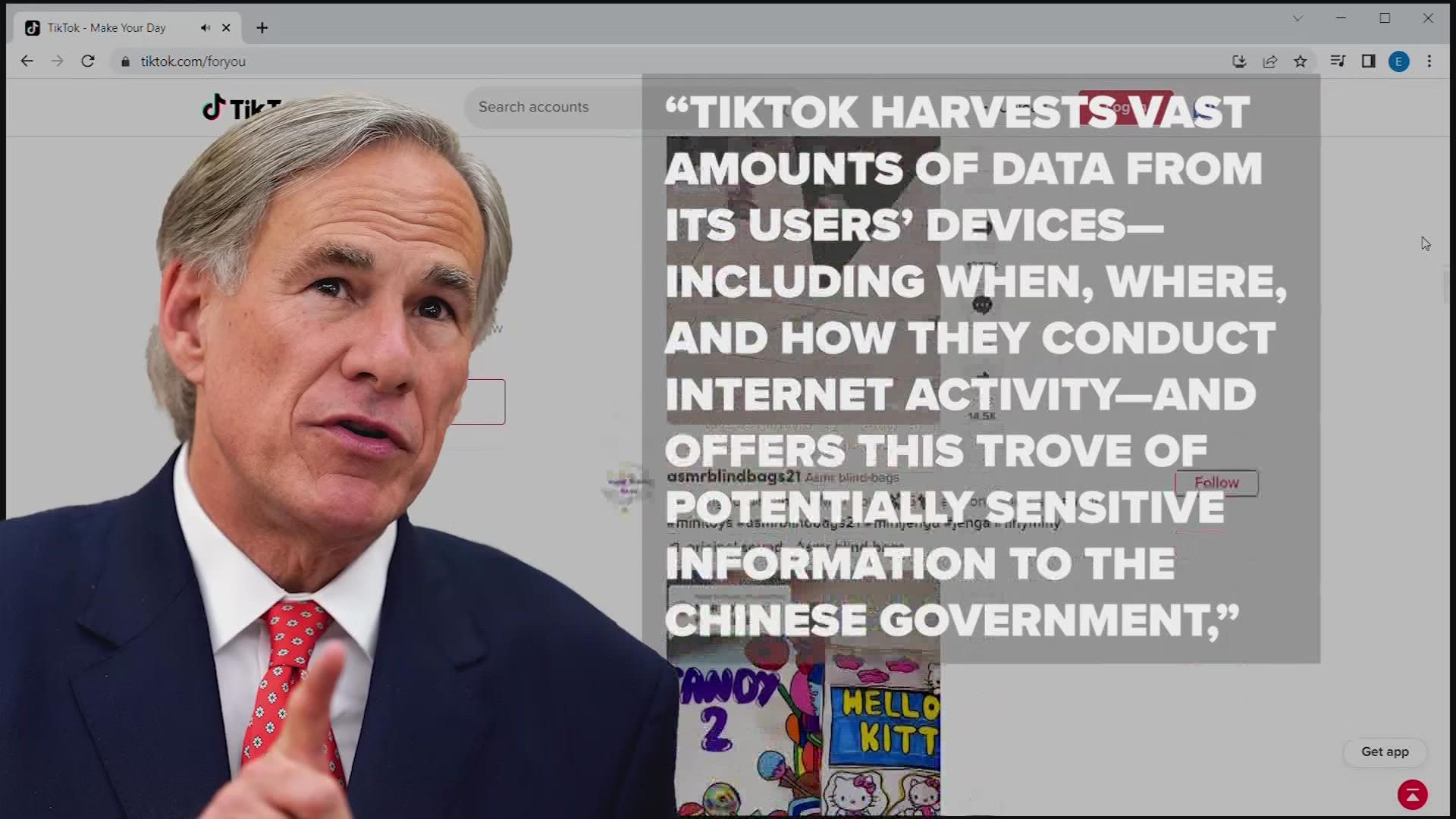
However, the scenario changes dramatically for government employees and state-affiliated entities. In December 2022, Texas Governor Greg Abbott issued a directive prohibiting the download and use of TikTok on all state-issued devices. This ban extends to any network owned or managed by the state. This means that individuals working for state agencies, public universities, and other government-affiliated organizations cannot access the app on their official phones, tablets, or computers. This policy was further solidified in January 2023 with the issuance of a statewide model security plan, effectively standardizing the ban across all state agencies.
This partial ban reflects a broader trend seen across the United States, where states like Florida and Montana have implemented similar restrictions. The primary concern fueling these measures revolves around national security and the potential for data privacy breaches, which we’ll delve into next.
The Rationale Behind the Restrictions: Data Security and Privacy Concerns
The core of the Texas TikTok ban, like those in other states and at the federal level, stems from profound national security and data privacy concerns. TikTok is owned by ByteDance, a technology company based in China. Critics argue that this ownership structure could potentially allow the Chinese government to access user data or influence content on the platform.
For state-issued devices, this concern is amplified. Government employees often handle sensitive information, and the risk of this data being compromised through a foreign-owned application is deemed too high. The fear is that the app could act as a conduit for surveillance, allowing foreign adversaries to gather intelligence on state operations, personnel, or critical infrastructure. While TikTok has repeatedly denied these allegations and has undertaken initiatives like “Project Texas” to safeguard United States user data within the country, these efforts have yet to fully assuage the fears of state and federal lawmakers.
From a travel and lifestyle perspective, these concerns highlight a growing awareness among individuals and institutions about digital security. Travelers are increasingly mindful of the privacy settings on their devices, especially when using public Wi-Fi networks in hotels or cafes, or when sharing personal moments and locations online. This governmental ban serves as a stark reminder of the broader conversation around data protection in our interconnected world, a conversation that inevitably spills over into how we share our travel experiences and personal data with various apps and platforms.
Navigating the Digital Divide: Impact on Texas Travelers and Businesses
While the ban on state devices directly impacts public sector employees and institutions, its indirect effects ripple through the broader ecosystem of travel, tourism, and business within Texas.
TikTok’s Indispensable Role in Travel & Tourism
For private citizens, TikTok has become an indispensable tool for travel planning and inspiration. Its short, engaging videos offer a dynamic alternative to traditional guidebooks, showcasing everything from hidden culinary gems in Dallas to stunning natural landscapes in Big Bend National Park.
- Discovering Destinations: Travelers use TikTok to scout unique destinations, get a feel for the local vibe in cities like San Antonio, and uncover lesser-known attractions that might not appear in conventional travel brochures. The visual nature of the platform makes it perfect for quickly conveying the beauty of landmarks, the excitement of local festivals, or the serene ambiance of a boutique hotel.
- Accommodation Insights: Before booking a stay, many turn to TikTok for authentic reviews and virtual tours. Users share honest opinions on hotel suites, resorts, and even unique apartment rentals, providing a glimpse into amenities, cleanliness, and overall experience that photos alone might not capture. This peer-to-peer recommendation system heavily influences booking decisions, from luxury stays to budget-friendly options.
- Local Culture and Food: The platform excels at promoting local culture and culinary experiences. Food bloggers on TikTok can turn a humble taco truck in Austin into a must-visit spot, or elevate a regional dish to national fame. This organic promotion is invaluable for local restaurants and small businesses, connecting them directly with eager tourists.
- Travel Guides and Tips: From packing hacks to navigating public transport, TikTok creators offer a wealth of practical travel tips. Whether it’s advice on how to save money while exploring Texas, or insights into making a family trip more enjoyable, the platform provides actionable information that enriches the travel lifestyle.
Impact on State Tourism and Business Promotion
While individual travelers remain unrestricted, the state ban does create a potential marketing void for state-run tourism initiatives and public agencies. Previously, state universities might have used TikTok to showcase campus life, attract students from out of state, or highlight local events that contribute to tourism. State parks and wildlife departments might have leveraged the platform to promote outdoor activities and the natural beauty of Texas’ landmarks. Now, these entities must rely on alternative platforms and strategies.
This shift means that public sector efforts to promote Texas as a travel destination might miss out on TikTok’s immense reach, particularly among younger demographics who predominantly use the app for content discovery. While private tourism boards, hotels, and local businesses are still free to use TikTok for their marketing, a coordinated, statewide tourism strategy could be hindered if official channels are cut off from such a powerful medium. This necessitates a strategic pivot towards other social media platforms like Instagram, YouTube, or even traditional travel blogs to ensure that the allure of Texas continues to reach a global audience.
Furthermore, for travel content creators whose livelihood depends on digital engagement, the ongoing debate around TikTok could prompt a diversification of their presence across multiple platforms. This adaptability is crucial in a landscape where digital policies can change rapidly.
Beyond the Ban: How Technology Shapes Travel and Tourism
The TikTok situation in Texas is a microcosm of a much larger conversation about the intersection of technology, governance, and the travel industry. As digital tools become increasingly central to every aspect of a trip – from booking accommodation to navigating unfamiliar cities – the policies surrounding these tools inevitably influence the traveler’s experience and the tourism economy.
The ability to instantly share experiences, gain real-time local insights, and discover unique attractions has fundamentally altered how people approach travel. Platforms like TikTok have democratized travel content, making authentic, user-generated guides more accessible than ever. For hotels, resorts, and local businesses, these platforms offer unparalleled opportunities for direct engagement with potential customers, often at a fraction of the cost of traditional advertising. They can showcase their amenities, highlight local culture, and even respond directly to guest reviews, enhancing their brand presence and fostering a loyal community.
Moreover, the rise of such platforms encourages a more experiential form of tourism, where travelers seek out authentic encounters, local cuisine, and unique activities often recommended by peers online. This emphasis on “living like a local” is perfectly aligned with the type of content that thrives on TikTok, further cementing its influence on contemporary travel lifestyles, whether it’s luxury travel, budget exploration, or family adventures.
What This Means for Your Next Texas Adventure
For individuals planning a trip to Texas, the primary takeaway is reassurance: your personal use of TikTok remains unrestricted. You can continue to use the app to research your destination, find the best barbecue joints in Austin, locate charming hotels in San Antonio, or share your adventures exploring The Alamo or the vibrant arts scene in Houston. The richness of Texas’s attractions, from its bustling cities to its tranquil national parks, is still readily discoverable through this popular platform.
However, the situation serves as a poignant reminder for all digital citizens to be mindful of data privacy and security, regardless of where they travel. Always be aware of the information you share online, the permissions you grant to apps, and the privacy settings on your devices. This vigilance is a good practice for anyone who values their digital footprint and personal security, whether they are a seasoned global traveler or simply exploring their local landmarks.
Looking ahead, the debate surrounding TikTok and similar foreign-owned applications is likely to continue. Potential future developments could see the ban expand, contract, or evolve, depending on legislative action and ongoing geopolitical discussions. For now, the digital landscape in Texas offers a dichotomy: open access for personal exploration and enjoyment, coupled with stringent restrictions for official state use. This balance aims to protect state security while largely preserving the freedom of expression and discovery that modern travelers have come to expect from their digital tools.
Ultimately, Texas remains a welcoming destination, eager to share its unique culture, breathtaking scenery, and unparalleled experiences. And for the vast majority, the digital gateway to discovering these wonders, including TikTok, remains wide open. Just remember to check local regulations and stay informed, as the world of technology and travel continues its rapid, fascinating evolution.
LifeOutOfTheBox is a participant in the Amazon Services LLC Associates Program, an affiliate advertising program designed to provide a means for sites to earn advertising fees by advertising and linking to Amazon.com. Amazon, the Amazon logo, AmazonSupply, and the AmazonSupply logo are trademarks of Amazon.com, Inc. or its affiliates. As an Amazon Associate we earn affiliate commissions from qualifying purchases.