
As adventurers and nature enthusiasts plan their escapades across the United States, a question frequently arises, particularly for those eyeing the majestic peaks of Colorado: “Is Trail Ridge Road open?” This iconic route, often hailed as the “Highway to the Sky,” offers unparalleled views and an unforgettable journey through Rocky Mountain National Park. Its operational status, however, is deeply tied to the rhythms of nature, making it a dynamic aspect of travel planning. Understanding the nuances of its seasonal availability, the factors influencing its access, and what to expect during your visit is crucial for a successful and memorable Colorado experience. From checking real-time conditions to knowing the best times to traverse this engineering marvel, we’ll delve into everything you need to know about navigating one of America’s most breathtaking scenic drives.
Navigating the Seasons: When Trail Ridge Road Opens and Closes
The allure of Trail Ridge Road isn’t just in its dizzying heights and panoramic vistas; it’s also in its ephemeral nature. Unlike many year-round routes, this high-altitude thoroughfare is subject to the whims of severe mountain weather, meaning its accessibility is a seasonal phenomenon. For travelers, this translates into careful planning and a keen eye on the calendar, making the question of its opening status paramount for any Rocky Mountain National Park itinerary.
The Rhythms of Rocky Mountain National Park
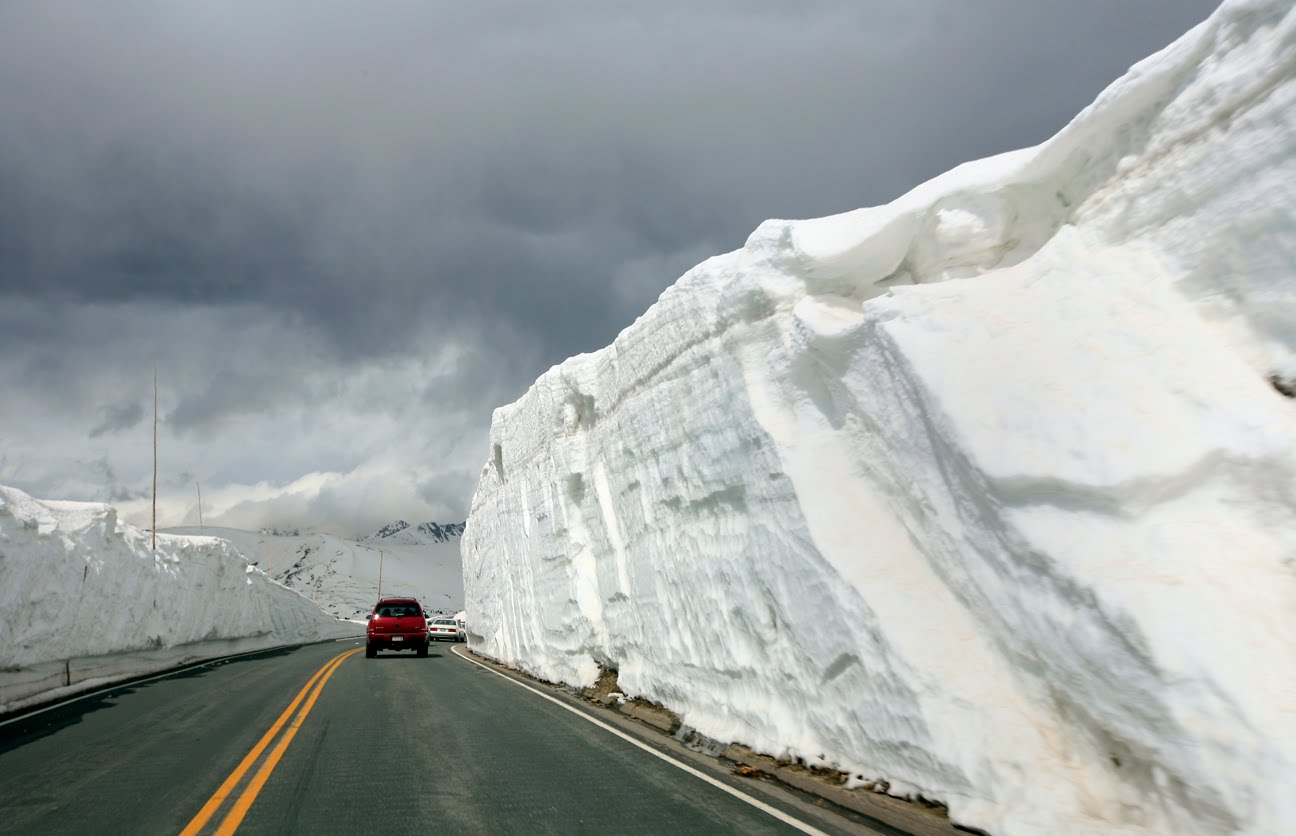
Typically, Trail Ridge Road opens for the summer season in late May or early June, often coinciding with Memorial Day weekend, though this is never a guarantee. The opening is a highly anticipated event, signifying the full embrace of summer in the high country. As the road snakes its way above 12,000 feet, traversing the Continental Divide, it becomes the highest continuous paved road in the United States, offering a unique perspective on the alpine tundra. The season generally extends until mid-October, at which point sustained snowfall and icy conditions force its closure for the winter. This pattern of opening and closing is a fundamental aspect of the park’s natural cycle, allowing the fragile high-alpine ecosystem to rest and recover under a blanket of snow.
However, these dates are merely a guideline. The mountains dictate the actual schedule. Even in peak summer months like July and August, sudden snowstorms can temporarily close sections of the road, sometimes for hours, or even days, until conditions improve. Such closures are for the safety of visitors and to allow park staff to clear snow and assess avalanche risks. Therefore, checking the current status is non-negotiable for anyone planning a drive. The National Park Service (NPS) website for Rocky Mountain National Park is the most reliable source for real-time updates on road conditions, closures, and estimated opening/closing dates. Travelers can also follow park social media channels or call the park’s information line. Planning a trip to Colorado with Trail Ridge Road in mind requires flexibility and an understanding that nature is ultimately in charge.
Factors Affecting Road Access
The decision to open or close Trail Ridge Road is a complex one, driven by a multitude of environmental and operational factors. The most prominent factor is, without a doubt, snow. High-elevation areas within the park, particularly along the road’s upper sections, can receive many feet of snow, often accumulating into massive drifts that require specialized heavy equipment to clear. The sheer volume of snow, coupled with the frequent blizzards that can occur even into late spring and early summer, makes the clearing process a monumental undertaking. This labor-intensive effort involves plows, loaders, and dedicated crews working tirelessly to make the road safe for travel.
Beyond snow depth, other critical factors include ice formation, which can make driving treacherous, and the ever-present danger of avalanches. Park rangers and snow safety experts constantly monitor avalanche terrain along the route, closing sections if the risk level is deemed too high. Wind is another significant player; high winds can quickly drift snow back onto cleared sections, necessitating repeated efforts, and can also create dangerous whiteout conditions. Maintenance and repair work also factor into road closures. The extreme weather conditions take a toll on the asphalt and infrastructure, requiring ongoing upkeep to ensure visitor safety. In recent years, unforeseen events like wildfires or rockslides in the surrounding areas have also led to temporary closures or altered access, underscoring the dynamic nature of managing a route like Trail Ridge Road.
An early closure in the fall or a delayed opening in the spring can significantly impact travel plans, affecting tourism revenue for nearby gateway towns like Estes Park and Grand Lake. Travelers are advised to remain vigilant, checking conditions frequently, especially if their visit is planned during the shoulder seasons (late spring or early fall). This proactive approach ensures a safer and more enjoyable experience, allowing visitors to appreciate the grandeur of the Rocky Mountains without unexpected disruptions.
The Majesty of Trail Ridge Road: America’s Highest Continuous Paved Road
Once open, Trail Ridge Road transforms into a bucket-list destination, a testament to both natural splendor and human ingenuity. Stretching for 48 miles between the towns of Estes Park on the east side and Grand Lake on the west, this incredible thoroughfare transcends mere transportation; it is an experience in itself. Its status as the highest continuous paved road in North America means that over eleven miles of the road traverse above the treeline, entering the rare and fragile alpine tundra ecosystem. This remarkable journey offers visitors an unparalleled opportunity to immerse themselves in a landscape typically only accessible to experienced mountaineers. The road, part of the larger Rocky Mountain National Park, is not just a route but a destination for sightseeing, wildlife viewing, and understanding the unique ecological zones of the Colorado Rockies.

A Scenic Journey Above the Treeline
Driving Trail Ridge Road is an ascent into another world. As you climb from the lush montane and subalpine forests, the trees gradually diminish in size and density, eventually giving way to the stark beauty of the alpine tundra. Here, at elevations exceeding 11,500 feet, tiny, resilient plants hug the ground, enduring fierce winds and extreme temperatures. The panoramic vistas are ceaseless, offering sweeping views of snow-capped peaks, deep valleys, and glacial cirques. Numerous pullouts and designated overlooks provide opportunities to stop, absorb the scenery, and capture stunning photographs.
Among the most iconic viewpoints are Many Parks Curve, offering a broad perspective of Estes Park and the meandering Big Thompson River valley; Forest Canyon Overlook, which provides a dramatic vista into a U-shaped glacial valley; and Lava Cliffs, where ancient volcanic rock formations stand as sentinels against the sky. Near the summit, the Alpine Visitor Center, situated at 11,796 feet, is the highest visitor center in the National Park System, offering exhibits, a gift shop, and restrooms. From here, short interpretive trails lead to even higher elevations, providing breathtaking 360-degree views. Wildlife viewing is another highlight; keep an eye out for bighorn sheep gracefully navigating rocky slopes, elk grazing in alpine meadows, and marmots sunning themselves on rocks. The landscape changes with every mile, from the vibrant greens of summer to the golden hues of autumn, each season painting the mountains in a unique palette.
Connecting Communities and Nature
Beyond its stunning vistas, Trail Ridge Road serves as a vital artery, connecting the popular eastern entrance of Rocky Mountain National Park near Estes Park to the quieter western entrance near Grand Lake. This connectivity allows visitors to experience the full diversity of the park, from the bustling eastern valleys of Larimer County to the serene, lake-studded landscapes of Grand County. Before Trail Ridge Road’s completion in 1932, the only way to traverse the park by car was via the narrow, winding Old Fall River Road, which remains a scenic, one-way gravel alternative today, open during summer.
The road’s historical significance is profound. Its construction was a monumental engineering feat, achieved during the Great Depression, and it quickly became a centerpiece of Rocky Mountain National Park‘s infrastructure. It was designated a National Scenic Byway and an All-American Road by the Federal Highway Administration, recognizing its exceptional scenic, natural, recreational, cultural, and historical qualities. It’s more than just a road; it’s a gateway to understanding the profound geological and ecological processes that shaped the Rocky Mountains. The journey along Trail Ridge Road offers an immersive lesson in natural history, providing accessible entry into one of the most rugged and beautiful alpine environments in the United States. It highlights the delicate balance between providing public access and preserving fragile ecosystems, embodying the core mission of the National Park Service.
Planning Your Adventure: Tips for a Seamless Trail Ridge Experience
Embarking on a journey along Trail Ridge Road is an adventure that requires thoughtful preparation to ensure both safety and enjoyment. Given the road’s high elevation, unpredictable weather, and popularity, a little foresight can go a long way in creating an unforgettable experience. From securing park entry to packing the right gear and knowing where to lay your head after a day of exploration, these tips will help you navigate the complexities of visiting one of Colorado’s most iconic landmarks.
Essential Preparations for Your Visit
First and foremost, during peak season (typically late May through early October), Rocky Mountain National Park implements a timed entry reservation system. This system is designed to manage congestion and enhance the visitor experience. Therefore, securing your timed entry permit well in advance is paramount, in addition to your park entrance pass. Without a reservation, access to the park and Trail Ridge Road may be denied during specific hours. Always check the official National Park Service website for the most up-to-date information on the reservation system, as details can change annually.
Once your entry is secured, focus on practicalities. Weather at high altitudes is notoriously fickle. Even on a warm summer day, temperatures can drop dramatically, and afternoon thunderstorms are common. It’s crucial to dress in layers, including a warm jacket, hat, and gloves, regardless of the forecast at lower elevations. Sunscreen and sunglasses are also a must due to the intense UV radiation at high altitudes. Ensure your vehicle is in good working order, with a full tank of gas, as services are limited once you enter the park. Carry plenty of water and snacks, as staying hydrated is vital to combat the effects of altitude. Speaking of altitude, many visitors experience symptoms of altitude sickness. Take it easy, walk slowly, and drink water. If symptoms worsen, descend to a lower elevation. It’s advisable to spend a night or two at a moderate elevation, such as Estes Park (7,522 feet), before ascending Trail Ridge Road to help your body acclimatize.

Where to Stay and What to Do Nearby
The gateway towns of Estes Park on the east side and Grand Lake on the west offer a variety of accommodation options to suit every traveler’s preference and budget. In Estes Park, visitors can choose from charming historic lodges, modern hotels with mountain views, cozy cabins, and vacation rentals. Options range from luxury resorts offering spa services and gourmet dining to budget-friendly motels and family-oriented suites. Many establishments cater to the outdoor enthusiast, providing amenities like hiking trail access and equipment storage. Similarly, Grand Lake offers a more laid-back, rustic charm with lakeside cabins, boutique hotels, and campgrounds perfect for those seeking tranquility. Booking accommodations in advance, especially during the busy summer and fall foliage seasons, is highly recommended to secure your preferred spot.
Beyond the drive itself, Rocky Mountain National Park and its surrounding areas boast a plethora of activities. Hiking is, of course, a primary draw, with trails ranging from easy strolls around Bear Lake Road to strenuous climbs up demanding peaks. Wildlife photography, fishing in pristine alpine lakes and streams, and picnicking at scenic spots are popular pastimes. Near Grand Lake, visitors can enjoy water sports on Lake Granby or paddle boating on Grand Lake itself. Both Estes Park and Grand Lake offer vibrant downtown areas with unique shops, art galleries, and diverse dining experiences, from casual eateries to fine dining establishments. These towns also host various festivals and events throughout the summer, providing cultural immersion and entertainment. Whether you’re coming from Denver, Boulder, or Fort Collins, a trip to Trail Ridge Road and its environs promises a rich tapestry of travel, tourism, and unforgettable experiences, making the effort to confirm its open status truly worthwhile for any discerning traveler.
LifeOutOfTheBox is a participant in the Amazon Services LLC Associates Program, an affiliate advertising program designed to provide a means for sites to earn advertising fees by advertising and linking to Amazon.com. Amazon, the Amazon logo, AmazonSupply, and the AmazonSupply logo are trademarks of Amazon.com, Inc. or its affiliates. As an Amazon Associate we earn affiliate commissions from qualifying purchases.