
The vibrant hum of a car, especially one customized for personal expression, can be a powerful statement. In Texas, a state known for its sprawling highways and car culture, vehicle modifications are a common sight. Among these, underglow lighting – the colorful illumination emanating from beneath a vehicle – has gained significant popularity. However, as with many automotive customizations, questions often arise regarding their legality. For drivers in Texas, understanding the specific regulations surrounding underglow is crucial to avoid potential citations and ensure a safe, lawful driving experience.
Understanding Texas Vehicle Lighting Regulations
Texas, like all states, has specific statutes governing vehicle lighting to ensure visibility, safety, and to prevent driver distraction. These laws are primarily found within the Texas Transportation Code. While the code addresses various aspects of vehicle lighting, including headlights, taillights, and brake lights, it also touches upon the use of auxiliary and decorative lighting.
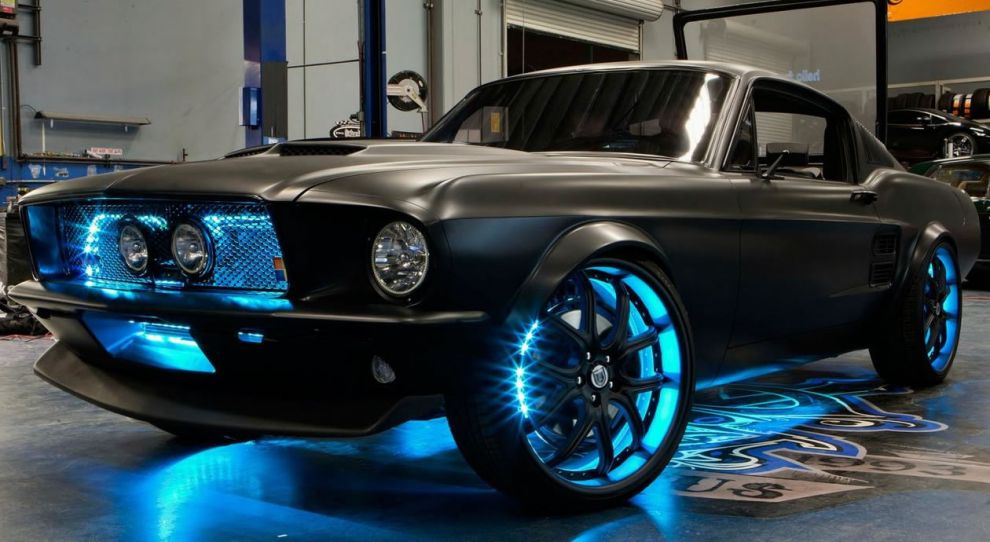
The General Framework for Vehicle Lighting
The core principle behind Texas vehicle lighting laws is to ensure that lights are visible, not misleading, and do not impair the vision of other drivers. This is why specific requirements exist for the color and intensity of certain lights. For instance, red lights are generally reserved for the rear of the vehicle, most notably taillights and brake lights, to indicate stopping. White lights are typically used for forward-facing illumination, such as headlights.
Auxiliary and Decorative Lighting in Texas Law
The Texas Transportation Code provides a framework that, while not always explicitly naming “underglow,” can be interpreted to govern its use. The general prohibition against lights that cast a distracting glare or are of a color not permitted for specific functions is key.
-
Color Restrictions: The law is quite specific about the colors of lights that can be displayed. For example, it generally prohibits displaying red light to the front of a vehicle and blue light to the rear. This is to prevent confusion with emergency vehicle signals. While underglow kits are often available in a wide spectrum of colors, including red and blue, their use in a way that violates these color restrictions is problematic.
-
Intensity and Glare: Another significant aspect is the intensity of the light and the potential for glare. Lights that are excessively bright or cast a disturbing glare on the roadway or into the eyes of other drivers can be deemed illegal. The intent is to maintain clear visibility for all road users.
-
Purpose of the Light: The law often considers the intended purpose of a light. Standard vehicle lighting has a clear safety purpose. Decorative lighting, while aesthetically pleasing, must not interfere with this primary safety function or create a hazard.
Specific Texas Statutes and Their Implications for Underglow
Delving deeper into the Texas Transportation Code, certain sections are particularly relevant when considering the legality of underglow.
Section 547.301: Vehicle Lighting Requirements
This section generally outlines the lighting requirements for vehicles. It mandates that vehicles shall be equipped with and use lights as required by this chapter. While it doesn’t directly ban underglow, it sets the stage for permissible lighting.
Section 547.302: Stoplights and Turn Signals
This section focuses on essential signaling lights. It reinforces the importance of proper red lighting for stop signals. Using underglow that mimics or interferes with these signals could be considered a violation.
Section 547.303: Lighting Equipment Specifications
This section often refers to broader specifications for lighting equipment, including considerations for visibility and intensity. If underglow lights are deemed to be too bright or to emit a distracting glare, they could fall foul of these specifications.
Section 547.305: Red and Amber Lights
This is a crucial section. It states that a vehicle may not be equipped with or display a red light to the front, nor may it display a red light unless it is a stoplight, taillight, or turn signal. Similarly, blue lights are generally restricted to law enforcement vehicles. This explicitly impacts underglow kits that utilize red or blue LEDs, especially if they are illuminated while the vehicle is in motion or if their color is visible from the front.
Common Interpretations and Enforcement in Texas
While the statutes provide a legal basis, the enforcement and interpretation of these laws can sometimes be subjective, depending on the law enforcement officer and the specific circumstances.
The Gray Area of Underglow
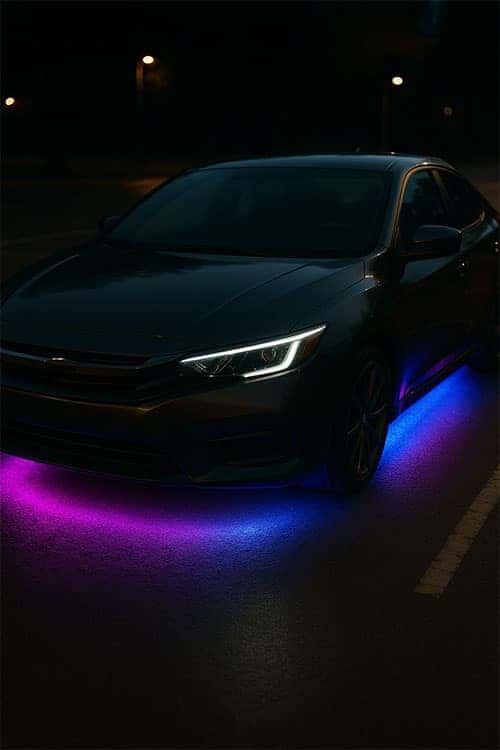
Underglow lighting exists in a bit of a gray area. The law doesn’t typically have a direct, explicit statute that states, “Underglow lighting is illegal.” Instead, its legality hinges on whether the underglow system violates existing statutes related to prohibited colors, excessive glare, or distracting illumination.
-
Solid vs. Flashing: Many jurisdictions, including Texas, are generally stricter with flashing lights. While some underglow kits offer flashing modes, these are far more likely to be deemed illegal as they can be confused with emergency signals or cause significant distraction. Solid illumination is generally less problematic, but color and intensity remain key factors.
-
Visibility from Different Angles: The critical factor often comes down to whether the underglow is visible from angles that could cause confusion or impairment. If the underglow is brightly illuminating the tires and wheels in a way that is visible from the front and appears as a prohibited color (like red), or if it casts a glare onto the roadway, an officer may issue a citation.
-
“Show” vs. “Go”: Law enforcement often distinguishes between modifications meant for show and those that impact safety. Underglow is primarily for aesthetic appeal. If that aesthetic appeal crosses the line into creating a safety hazard or violating lighting codes, it becomes an issue.
Practical Advice for Texas Drivers
Given the nuances, drivers considering or already using underglow in Texas should adopt a cautious approach.
-
Choose Colors Wisely: Opt for colors that are not explicitly restricted. Generally, colors like green, yellow, or purple (when not mimicking emergency signals) are less likely to draw attention from law enforcement than red or blue. Always ensure red is not visible from the front and blue is not visible from the rear.
-
Control Intensity: Ensure the underglow is not excessively bright. The light should not create a significant glare on the road surface or be so intense that it distracts other drivers. Many kits offer adjustable brightness settings, which can be very useful.
-
Avoid Flashing Modes: Stick to solid, steady illumination. Flashing underglow is almost universally frowned upon and more likely to be cited.
-
Consider Local Ordinances: While state law provides the overarching framework, individual cities or counties within Texas might have their own specific ordinances regarding vehicle modifications. It’s always a good idea to be aware of local regulations.
-
Consult with Professionals: If you are unsure about the legality of a specific underglow setup, consider consulting with a reputable automotive customization shop or even seeking clarification from local law enforcement agencies if direct advice is available.
The Driving Experience and Underglow in Texas
Texas is a state that embraces individuality, and for many, their vehicle is a canvas for self-expression. Underglow lighting can be a striking addition, transforming a vehicle’s appearance, especially during evening drives through cities like Austin or Houston. However, this expression must be balanced with responsibility and adherence to the law.
Balancing Aesthetics with Safety
The desire for a unique look is understandable, but it should never come at the expense of public safety. The laws governing vehicle lighting are in place to ensure that roads are safe for everyone. When considering underglow, think about how it might affect other drivers. Could a sudden flash of color disorient someone? Could a bright red glow from the front be mistaken for a brake light? These are the questions that need to be addressed.
The Role of Law Enforcement
Law enforcement officers are tasked with enforcing these regulations. While most officers understand the desire for customization, they are also obligated to address any modifications that violate traffic laws. Citations for illegal lighting can result in fines and potentially require the removal of the offending equipment before the vehicle can be deemed compliant.
Alternatives for Vehicle Enhancement
For those who wish to enhance their vehicle’s appearance without venturing into potentially illegal territory, there are numerous other options. High-quality window tinting (within legal limits), custom wheels, aerodynamic body kits, and tasteful interior lighting can all contribute to a unique look while remaining firmly within legal boundaries.
Conclusion: Navigating Underglow Legality in the Lone Star State
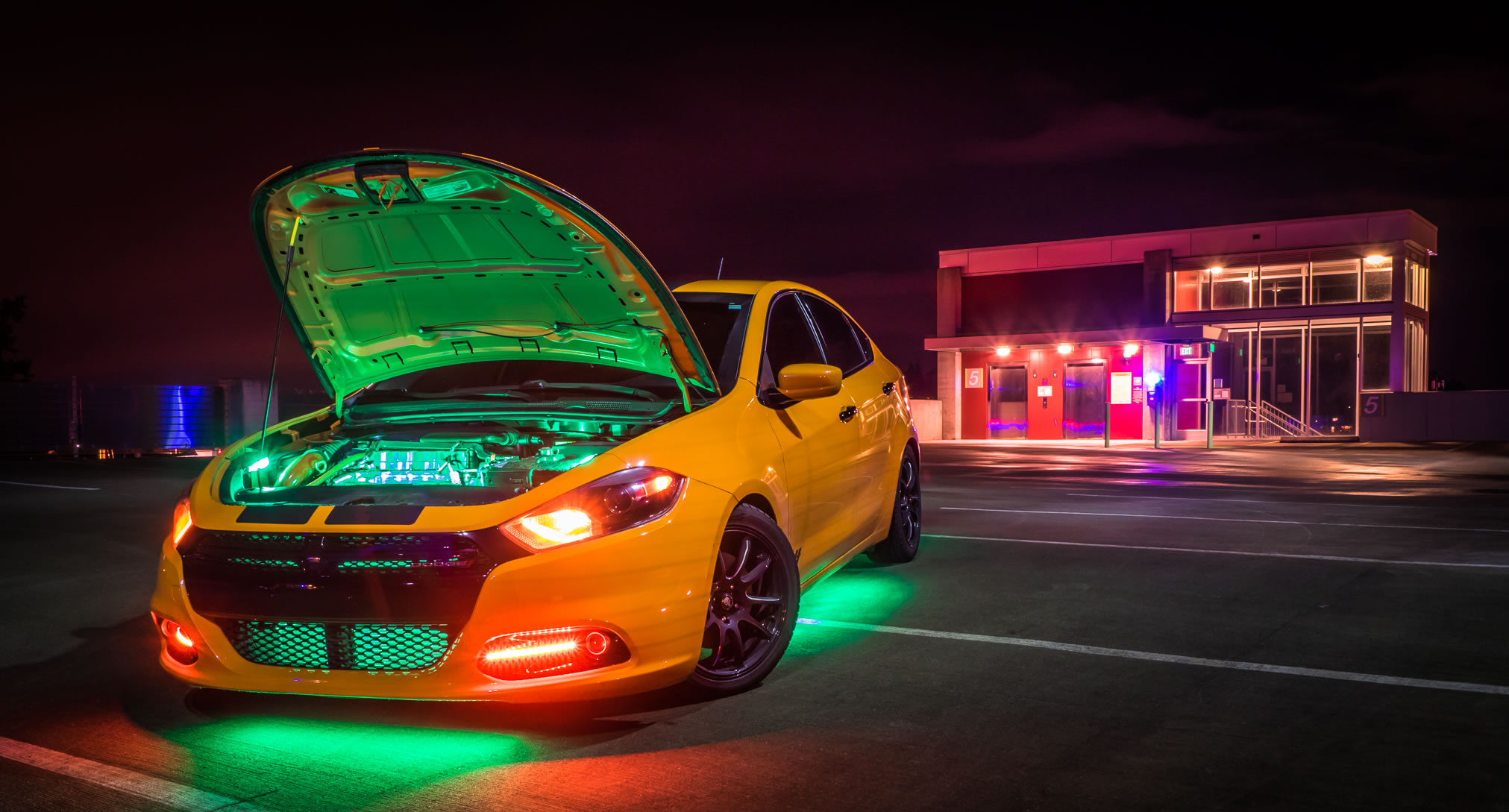
In Texas, the legality of underglow lighting is not a simple yes or no answer. It resides within the existing framework of vehicle lighting regulations, primarily concerning prohibited colors, excessive brightness, and the potential for distraction. While the law may not explicitly ban underglow, it certainly restricts its use if it violates established statutes.
For drivers who wish to add underglow to their vehicles in Texas, the key lies in informed choices and responsible installation. By understanding the relevant sections of the Texas Transportation Code, opting for permissible colors, controlling intensity, and avoiding flashing modes, drivers can significantly reduce the risk of encountering legal issues. Ultimately, the goal is to enjoy the aesthetic appeal of underglow while ensuring that it does not compromise the safety or visual clarity of the roadways for others. Driving legally and safely is paramount, allowing for personal expression within the bounds of the law.
LifeOutOfTheBox is a participant in the Amazon Services LLC Associates Program, an affiliate advertising program designed to provide a means for sites to earn advertising fees by advertising and linking to Amazon.com. Amazon, the Amazon logo, AmazonSupply, and the AmazonSupply logo are trademarks of Amazon.com, Inc. or its affiliates. As an Amazon Associate we earn affiliate commissions from qualifying purchases.