
The University of Chicago, an institution synonymous with intellectual rigor, groundbreaking research, and stunning Gothic architecture, draws visitors from across the globe. From prospective students and their families to academics attending conferences, and tourists eager to explore its historic campus and world-class museums, the allure is undeniable. However, like any major urban university, particularly one situated in a large metropolis with a complex reputation, a fundamental question often arises for travelers: “Is the University of Chicago safe?”
For many, the mention of Chicago might conjure images shaped by media headlines, often focusing on crime statistics. It’s a natural and responsible concern for anyone planning a visit, as personal safety is paramount to a positive travel experience. This article aims to provide a comprehensive and nuanced understanding of safety at the University of Chicago and its surrounding areas, equipping travelers with insights and practical advice to ensure a secure and enjoyable visit to this esteemed academic destination. We will delve into the university’s location, its robust security measures, and essential traveler-specific safety practices, providing a realistic perspective that balances institutional efforts with individual awareness.

Understanding the University of Chicago’s Location and Context
To truly assess the safety of the University of Chicago, it’s crucial to understand its immediate environment and the broader urban landscape of Chicago. The narrative around city safety is often painted with broad strokes, but reality is far more localized and intricate.
The Hyde Park Neighborhood
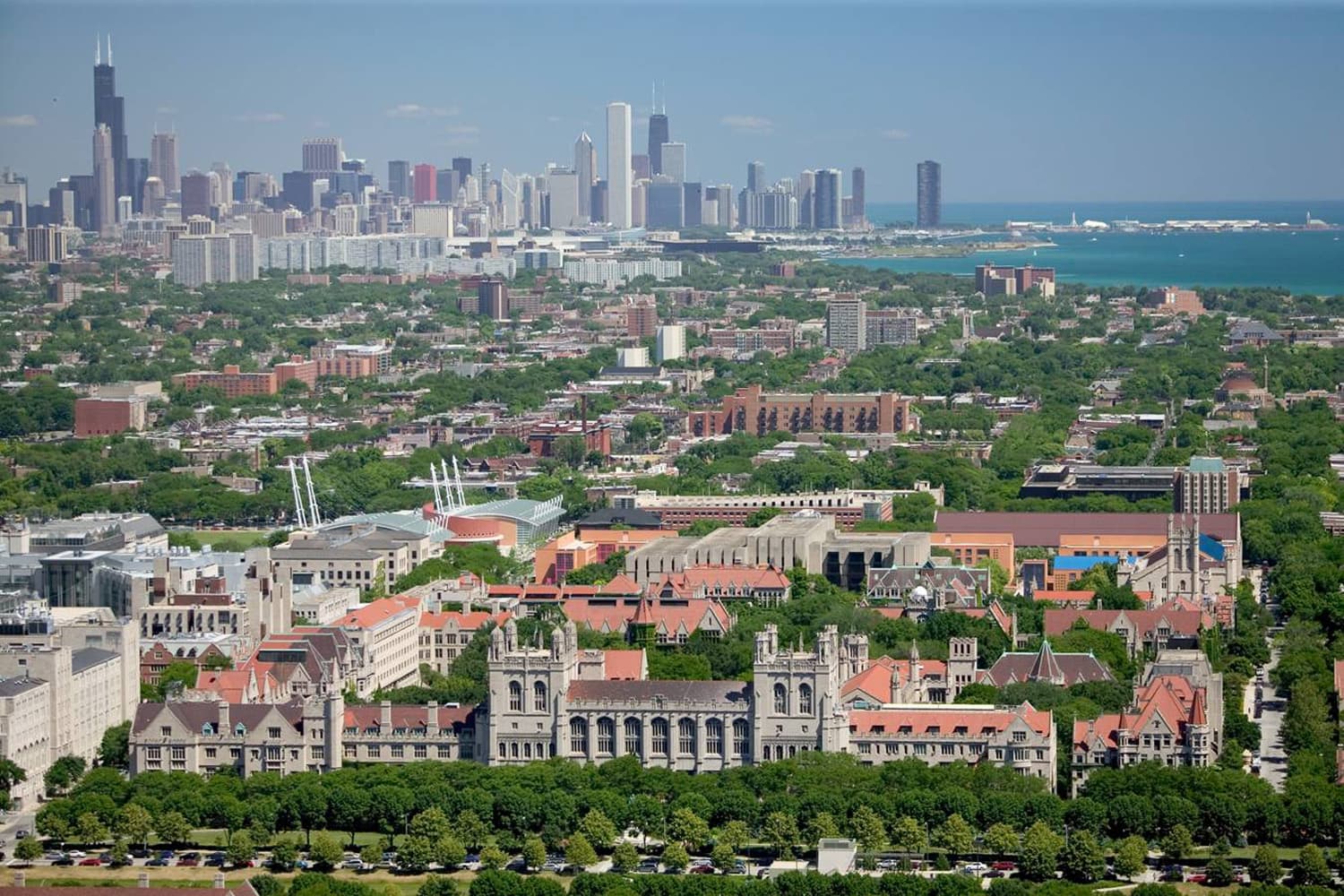
The University of Chicago is nestled within Hyde Park, a historic and culturally rich neighborhood on Chicago’s South Side. Hyde Park is unique among Chicago’s diverse communities. It’s known for its tree-lined streets, architecturally significant homes, numerous parks, and a strong sense of community. The neighborhood has historically been a hub for intellectuals, artists, and political figures, including former President Barack Obama, who taught at the University of Chicago Law School.
The character of Hyde Park is distinct from the bustling downtown Loop or the more affluent North Side neighborhoods. It’s a residential area with a significant university presence, which brings with it a specific dynamic. The community actively participates in local initiatives to maintain safety and vibrancy, and there’s a tangible commitment to preserving its unique atmosphere. While it possesses an urban feel, it often feels more like a self-contained town than a typical city district, thanks to its green spaces, independent businesses, and strong neighborhood associations. This localized effort contributes significantly to the overall sense of security that visitors often experience.
Urban Realities of Chicago
It’s impossible to discuss safety without acknowledging Chicago’s broader reputation. News reports frequently highlight crime rates, which can naturally cause concern for travelers. However, it’s vital to distinguish between city-wide statistics and localized realities. Like most large metropolitan areas, Chicago’s crime is not uniformly distributed. It tends to be concentrated in specific neighborhoods, often those far removed from tourist areas and university campuses.
The University of Chicago and Hyde Park benefit from dedicated resources and community engagement that set them apart. While it’s always prudent to exercise general urban safety precautions—such as being aware of your surroundings, especially at night, and securing valuables—these precautions apply to any major city worldwide, from London to New York. Travelers should approach their visit with an informed perspective, recognizing that the experience of a specific neighborhood like Hyde Park can differ significantly from generalized city statistics. The university, acutely aware of its setting, has invested heavily in creating a secure environment, which benefits not just its students and staff, but also its many visitors.
University-Led Safety Initiatives and Resources
The University of Chicago takes the safety and security of its community and visitors extremely seriously. It has implemented a multi-layered approach to security that integrates personnel, technology, and community engagement, creating one of the most comprehensive university safety programs in the nation.
The UChicago Police Department (UCPD)
At the forefront of these efforts is the UChicago Police Department (UCPD). Unlike typical campus security, the UCPD is a full-service, sworn police force with statutory arrest powers. Its jurisdiction extends beyond the immediate campus grounds, covering a significant portion of the Hyde Park neighborhood surrounding the university. This expansive jurisdiction is a critical factor in enhancing safety, as it allows for immediate response and consistent patrols throughout areas frequented by students, faculty, staff, and visitors.
The UCPD operates 24 hours a day, 7 days a week, employing highly trained officers who are dedicated to community policing principles. They are not only reactive to incidents but also proactive in crime prevention through visible patrols, engagement with residents and businesses, and specialized programs. The presence of the UCPD means that there is a constant, dedicated law enforcement presence focused specifically on the safety of the university community and its environs, providing a significantly higher level of security than many other urban areas. Emergency call boxes, strategically placed across campus and in adjacent areas, provide direct, immediate access to the UCPD in case of an emergency.
Campus Infrastructure and Technology
Beyond personnel, the University of Chicago has invested heavily in state-of-the-art security infrastructure and technology. The campus is well-lit, with extensive lighting systems designed to illuminate pathways, common areas, and building exteriors, enhancing visibility and deterring criminal activity, particularly after dark.
A vast network of high-definition security cameras monitors key areas across campus and in surrounding public spaces. These cameras are monitored by UCPD dispatchers and serve both as a deterrent and a valuable investigative tool if incidents occur. Access control systems are in place for university buildings, restricting entry to authorized personnel, students, and faculty, especially during off-hours, further securing sensitive areas and internal spaces. While visitors generally have access to public areas during business hours, this controlled environment contributes to the overall security bubble. These technological safeguards are continuously updated and maintained, demonstrating the university’s ongoing commitment to a safe environment.
Support Services for the University Community (and Indirectly, Visitors)
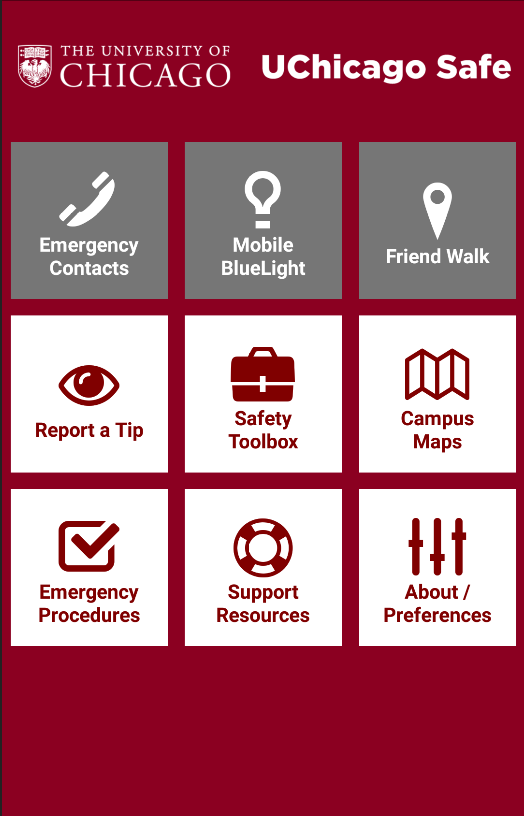
The University of Chicago also offers a range of support services designed primarily for its students and staff, but which indirectly benefit visitors by creating a safer, more navigable environment. These services include extensive shuttle systems that run throughout campus and into the broader Hyde Park area, offering safe transportation, particularly at night. These shuttles are a convenient and secure way for anyone on campus to travel between different points without walking alone after dark.
Additionally, programs like “Safe Ride” or security escorts are available for students and staff, ensuring they can travel safely to their destinations within the service area. While these might not be directly available to all casual visitors, their existence contributes to a robust safety ecosystem that reduces vulnerabilities across the entire campus and neighborhood. The comprehensive nature of these services underscores the university’s holistic approach to safety, extending its reach beyond mere law enforcement to active prevention and support.
Traveler-Specific Safety Advice for Visiting UChicago
While the University of Chicago and the UCPD provide a strong foundation for safety, personal vigilance and smart travel practices are indispensable for any visitor. By adopting a proactive mindset, travelers can significantly enhance their safety and enjoy a worry-free exploration of this distinguished institution and its surroundings.
Navigating Hyde Park
Day vs. Night: During daylight hours, Hyde Park is generally bustling and feels very safe. Enjoy walking through the campus, visiting local shops, and exploring the neighborhood’s attractions like the Smart Museum of Art or the Oriental Institute Museum. As dusk falls, it’s wise to exercise increased awareness. Stick to well-lit, populated streets and pathways. Avoid shortcuts through dimly lit alleys or isolated park areas, especially if you are alone. The campus is very well-lit, but venturing off campus into purely residential streets at night might require more caution.
Public Transportation: Hyde Park is accessible via CTA buses and the Metra Electric Line. While convenient, be mindful of your surroundings when using public transport, particularly late at night. Keep your phone and valuables secure and out of plain sight. Consider using rideshare services (like Uber or Lyft) for late-night travel, especially if you’re heading to or from areas further afield in Chicago. Always verify your ride by checking the car model, license plate, and driver’s name before entering the vehicle.
General Urban Safety Practices
Situational Awareness: This is perhaps the most crucial tip for urban travel. Pay attention to your surroundings. Avoid being overly absorbed in your phone, which can make you an easy target and prevent you from noticing potential threats. Make eye contact with people, project confidence, and walk with purpose.
Protecting Valuables: Minimize the amount of cash you carry. Keep wallets in a front pocket and purses tucked close to your body or worn across your chest. Avoid displaying expensive jewelry, cameras, or electronic devices unnecessarily. If you must carry a bag, choose one with zippers and secure closures. When dining, don’t hang your bag on the back of your chair; keep it on your lap or between your feet.
Trust Your Instincts: If a situation or an individual makes you feel uneasy, remove yourself from it. Your intuition is a powerful safety tool. There’s no need to apologize or explain yourself if you feel the need to walk away or change your route.
Emergency Contacts: Before you visit, familiarize yourself with important emergency numbers. For incidents on campus or within the UCPD’s jurisdiction, call 773-702-8181 (the UCPD dispatch). For city-wide emergencies, dial 911. Knowing these numbers can save critical time in a genuine emergency.
Engaging with the Campus and Community
Visitors are encouraged to fully experience the University of Chicago and Hyde Park. Attend public lectures, explore the campus architecture, and enjoy the local dining scene. These activities are integral to the university experience and generally occur in well-trafficked and secure areas. When planning your itinerary, consider activities that conclude before late evening, especially if you prefer to avoid navigating unfamiliar areas after dark. Embrace the vibrant atmosphere, but always with a conscious awareness of your personal safety.
Dispelling Myths and Setting Realistic Expectations
The conversation around urban safety, particularly in a city like Chicago, is often clouded by sensationalism and generalized anxieties. For travelers, it’s essential to cut through the noise and establish realistic expectations about safety at the University of Chicago.
Beyond Sensational Headlines
Chicago’s media portrayal often focuses on crime statistics, which, while reflecting a real issue in certain areas, rarely provide a comprehensive picture for travelers visiting specific, well-resourced neighborhoods. The overwhelming majority of serious crime in Chicago occurs in specific, often economically disadvantaged, neighborhoods that are geographically distant from the University of Chicago campus and typical tourist routes. Visitors spending time at the university or within Hyde Park are significantly less likely to encounter these issues.
It’s crucial to remember that every major global city, from Paris to Rio de Janeiro, has its challenges and areas where crime is more prevalent. Chicago is no exception. However, the University of Chicago, with its dedicated police force, advanced security infrastructure, and engaged community, has effectively created a highly secure environment for its campus and the immediate surrounding areas. Relying solely on broad, often fear-mongering headlines does a disservice to the specific efforts made to ensure safety in this particular destination.
Individual Responsibility vs. Institutional Security
While the University of Chicago provides an exceptionally robust security apparatus, it’s vital for travelers to understand that institutional security is a foundation, not a substitute for personal vigilance. No university, city, or neighborhood can guarantee absolute immunity from crime, especially in an open urban environment.
Safety is a shared responsibility. The university’s role is to create the safest possible environment, implement proactive measures, and respond effectively to incidents. The traveler’s role is to be aware, make informed choices, and practice common-sense urban safety precautions. This includes being mindful of your belongings, avoiding ostentatious displays of wealth, walking with purpose, and trusting your instincts. By combining the formidable security resources of the University of Chicago with sensible personal safety practices, visitors can significantly mitigate risks and ensure a positive experience. The dynamic nature of urban environments means that safety is a continuous, evolving effort, and collective awareness is its strongest asset.
Conclusion
The question “Is University of Chicago safe?” can be confidently answered with a resounding “yes,” provided travelers approach their visit with an informed perspective and a commitment to personal safety practices. The University of Chicago and its home in Hyde Park represent a vibrant, intellectually stimulating, and historically rich destination. The university has invested profoundly in creating a secure environment through the dedicated efforts of the UCPD, cutting-edge security technology, and a network of support services.
For travelers, a visit to the University of Chicago can be an immensely rewarding experience. By understanding the localized safety context of Hyde Park, appreciating the extensive security measures in place, and diligently applying general urban safety advice, visitors can navigate the campus and its surrounding community with confidence. Focus on enjoying the stunning architecture, engaging with the academic atmosphere, and exploring the cultural gems this unique corner of Chicago has to offer. With thoughtful planning and awareness, your visit to the University of Chicago will be not only safe but truly unforgettable.
LifeOutOfTheBox is a participant in the Amazon Services LLC Associates Program, an affiliate advertising program designed to provide a means for sites to earn advertising fees by advertising and linking to Amazon.com. Amazon, the Amazon logo, AmazonSupply, and the AmazonSupply logo are trademarks of Amazon.com, Inc. or its affiliates. As an Amazon Associate we earn affiliate commissions from qualifying purchases.