
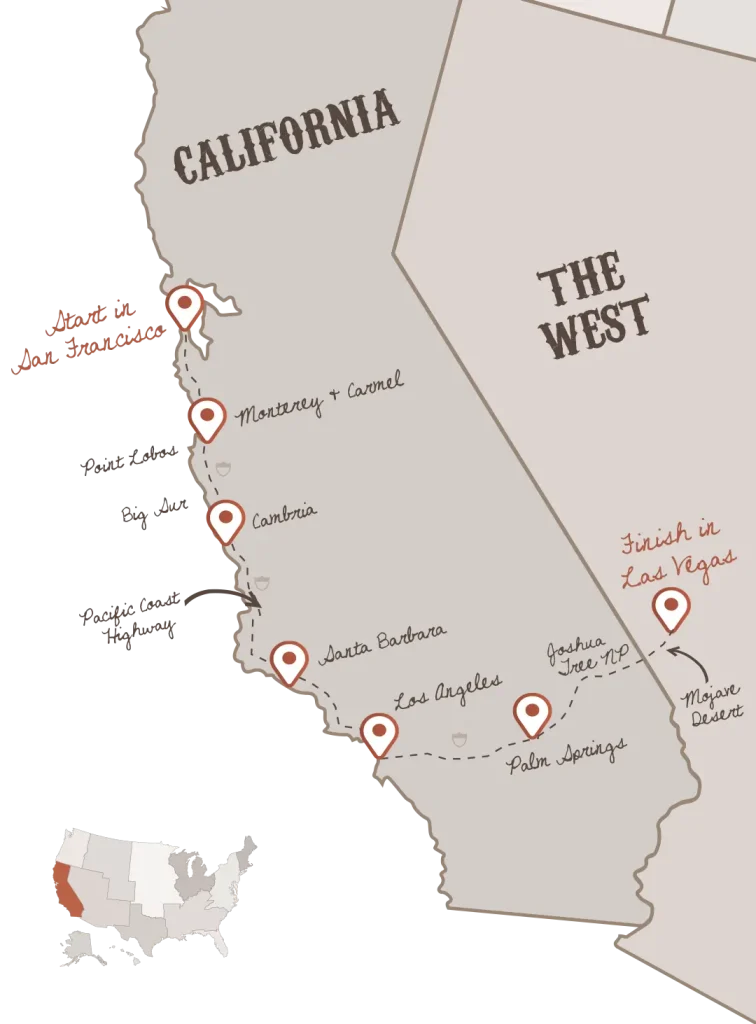
The question “Is Vegas in California?” is a common one, frequently pondered by travelers planning their next getaway or those simply curious about the geography of the American Southwest. The definitive answer is no, Las Vegas is not in California. It is, in fact, the largest city in the state of Nevada and widely recognized as the entertainment capital of the world. This misconception likely stems from its close proximity to California, particularly Southern California, and the frequent travel between the two states.
Understanding the true location of Las Vegas is crucial for anyone planning a visit, as it influences everything from travel routes and local culture to the distinct attractions and experiences available. This article will delve into the geography that places Las Vegas firmly within Nevada, explore why the confusion often arises, and highlight the unique allure of this vibrant desert oasis. We’ll also touch upon the deep connection Las Vegas shares with California despite its separate statehood, offering a comprehensive guide for travelers looking to explore this iconic destination.
Unraveling the Geographic Mystery: Las Vegas’ True Home
For many, Las Vegas conjures images of glittering casinos, extravagant shows, and world-class dining, often without a clear mental map of its exact location. While it’s certainly a major player in the Western United States’ tourism landscape, its precise coordinates firmly place it within the Silver State.
The Heart of Nevada: Where Las Vegas Truly Lies
Las Vegas is nestled in the Mojave Desert, within the Las Vegas Valley, a metropolitan area that includes surrounding cities like Henderson and North Las Vegas. The city serves as the county seat of Clark County, Nevada, solidifying its identity as a quintessential Nevada destination. This desert environment significantly shapes its climate, architecture, and even its entertainment offerings, which often incorporate water features and lush landscaping to create a striking contrast against the arid backdrop.
Geographically, Las Vegas is situated relatively close to the borders of three other states: California to the west, Arizona to the southeast, and Utah to the northeast. This strategic location makes it an accessible hub for travelers from across the Southwest and beyond. The drive from Los Angeles, California, for example, is a straight shot along Interstate 15, typically taking about four to five hours, making it a popular weekend escape for Californians. This proximity, however, does not alter its sovereign state affiliation. Nevada proudly claims Las Vegas as its crown jewel, a testament to its economic and cultural significance for the state.
Why the Common Misconception? Proximity and Shared Landscape
The frequent confusion regarding Las Vegas’ statehood is largely attributable to several key factors. Firstly, its sheer popularity as a travel destination often overshadows specific geographic details in the minds of casual observers. When one thinks of major Western US cities, California cities like Los Angeles or San Francisco often come to mind first, creating an unconscious association.
Secondly, the Mojave Desert landscape, which defines much of the scenery around Las Vegas, extends well into California. Driving from Los Angeles to Las Vegas means traversing miles of this arid terrain, making the state border seamless and easily overlooked by travelers. The visual continuity of the desert might lead some to believe they are still within California’s vast territory.
Furthermore, Las Vegas’ primary tourist demographic heavily includes residents of California. For decades, Californians have flocked to Las Vegas for entertainment, dining, and gaming, solidifying a strong cultural and economic link between the two regions. This constant flow of traffic and shared recreational habits contribute to the perception that Las Vegas is an extension of California’s entertainment offerings, rather than a distinct destination in a neighboring state. However, despite these close ties, the legal, political, and cultural identity of Las Vegas remains uniquely Nevadan.
The Allure of Las Vegas: A Deep Dive into Nevada’s Entertainment Capital
With its geographical location clarified, it’s time to explore what makes Las Vegas such an irresistible magnet for travelers from around the globe. This city is a masterclass in tourism, offering an unparalleled blend of luxury, entertainment, and adventure designed to cater to every taste and budget.
World-Class Hotels and Unrivaled Accommodation
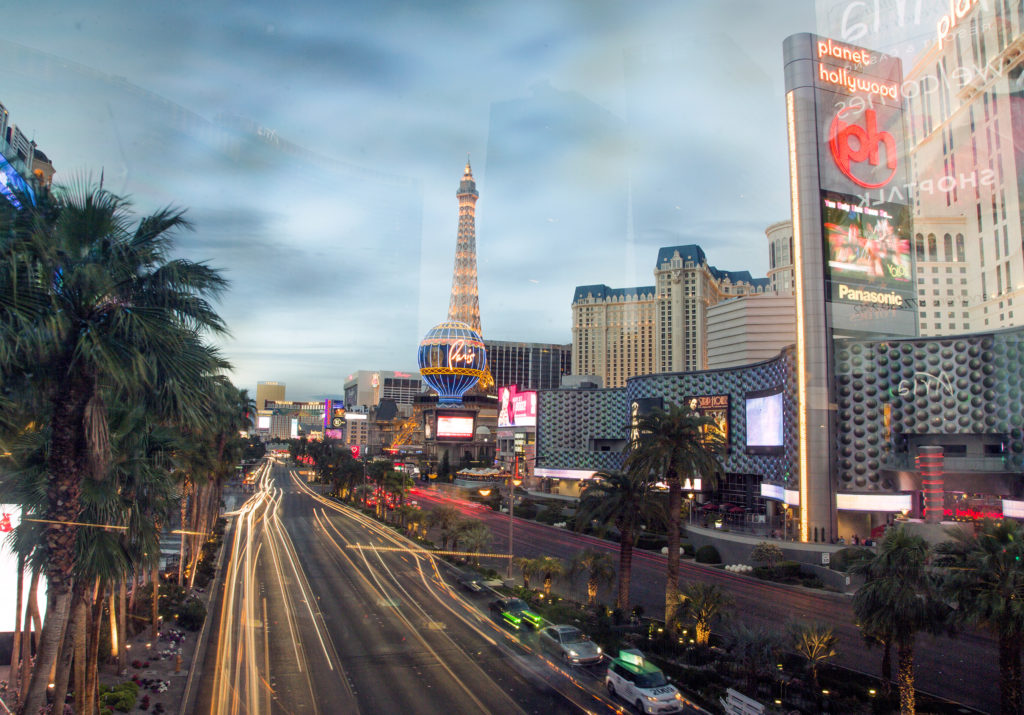
The Las Vegas Strip is synonymous with extravagant hotels and resorts, each a landmark in itself, offering far more than just a place to sleep. These establishments are destinations in their own right, featuring immense casinos, gourmet restaurants, high-end shopping, spas, pools, and live entertainment venues.
For those seeking opulence, iconic resorts like the Bellagio, known for its stunning fountain shows and fine art gallery, or Caesars Palace, with its Roman-inspired architecture and Forum Shops, provide a taste of ultimate luxury. The Venetian Resort Las Vegas offers gondola rides and intricate Italian detailing, while the Wynn Las Vegas and Encore at Wynn Las Vegas boast impeccable service, award-winning dining, and vibrant nightlife. More modern luxury experiences can be found at The Cosmopolitan of Las Vegas or ARIA Resort & Casino, which blend cutting-edge design with sophisticated amenities.
Beyond the ultra-luxury options, Las Vegas also caters to budget-conscious travelers and families. Hotels like the Luxor Hotel and Casino with its distinctive pyramid shape, or the medieval-themed Excalibur Hotel & Casino, offer more affordable rates without sacrificing the essential Vegas experience. Many resorts feature family-friendly pools, arcades, and shows that appeal to all ages, demonstrating the city’s commitment to diverse accommodation needs. From sprawling suites to comfortable standard rooms, the range of choices ensures that every visitor can find the perfect home base for their adventure, often with enticing deals on booking engines.
Beyond the Blackjack Table: Iconic Landmarks and Outdoor Adventures
While gambling is undeniably a major draw, Las Vegas’ appeal extends far beyond the casino floor. The city and its surrounding areas are rich with landmarks and opportunities for outdoor adventure.
Within the city, the Las Vegas Strip itself is a landmark, an illuminated spectacle of architectural wonders and vibrant energy. Downtown Las Vegas offers a different vibe with the Fremont Street Experience, a pedestrian mall famous for its Viva Vision canopy light shows, zip-lining, and live concerts. For those interested in the city’s unique history, the Neon Museum showcases iconic old Vegas signs, while the Mob Museum provides a fascinating, immersive look into organized crime’s influence on the city. The High Roller Observation Wheel offers panoramic views, and The STRAT Hotel, Casino & Skypod (formerly Stratosphere Tower) boasts thrilling rides hundreds of feet above the ground.
However, some of Las Vegas’ most breathtaking attractions lie just outside the city limits. The Red Rock Canyon National Conservation Area, a mere 15-20 minute drive from the Strip, offers stunning red rock formations, hiking trails, and scenic drives, perfect for nature lovers and outdoor enthusiasts. Further afield, the colossal Hoover Dam, a marvel of engineering on the Colorado River bordering Nevada and Arizona, provides fascinating tours and spectacular views of Lake Mead National Recreation Area. The vibrant sandstone landscapes of Valley of Fire State Park, Nevada’s oldest state park, are another must-see, offering incredible photo opportunities and ancient petroglyphs. Day trips to the majestic Grand Canyon or the surreal beauty of Death Valley National Park (straddling California and Nevada) are also popular excursions, showcasing the incredible natural diversity accessible from Las Vegas.

Experiencing the Las Vegas Lifestyle: From Luxury to Budget-Friendly Fun
The Las Vegas lifestyle is about choice and indulgence. Whether you’re seeking a high-roller luxury experience or a fun, budget-friendly trip, the city delivers. Luxury travel here means Michelin-starred dining from celebrity chefs, exclusive pool parties, designer boutiques, and lavish spa treatments. Think private cabanas, VIP access to nightclubs, and suites that redefine opulence. For those with a taste for the finer things, Las Vegas is a playground of extravagance.
However, Las Vegas is also surprisingly accessible for budget travelers. Many hotels offer competitive rates, especially midweek, and there are countless ways to enjoy the city without breaking the bank. Free attractions like the Bellagio Fountains show, the volcano at the Mirage Hotel & Casino, and the vibrant energy of the Fremont Street Experience provide ample entertainment. Happy hour deals, affordable buffets, and discount show tickets are readily available.
For family trips, Las Vegas has evolved significantly. Resorts now feature elaborate pool complexes with lazy rivers and waterslides, arcades, and attractions like the Mandalay Bay Shark Reef Aquarium or the Adventuredome at Circus Circus Hotel & Casino. Business stays are also well-catered for, with state-of-the-art convention centers and hotels offering extensive meeting facilities, making Las Vegas a prime location for conferences and corporate events. The city truly offers a lifestyle for every visitor, making it a dynamic and ever-evolving travel destination.
The California Connection: A Gateway to the Golden State
Despite its distinct identity within Nevada, Las Vegas shares an undeniable and intricate connection with California. This relationship is primarily driven by tourism and geographical proximity, making it a critical aspect of understanding travel patterns in the Western United States.
The Popular Road Trip: California to Las Vegas
One of the most enduring symbols of the Las Vegas-California relationship is the road trip. Millions of Californians make the journey to Las Vegas annually, predominantly from Southern California cities like Los Angeles and San Diego. The primary artery for this migration is Interstate 15, a well-maintained highway that cuts straight through the Mojave Desert. This drive is often considered part of the Vegas experience, with travelers anticipating the shimmering skyline appearing on the horizon after miles of desert landscape.
The accessibility by car makes Las Vegas an ideal weekend getaway for Californians, offering a stark contrast to their home state’s coastal and mountainous scenery. This constant exchange of visitors fuels Las Vegas’ tourism industry and reinforces the perception of it being a natural extension of California’s entertainment options, albeit in a different state. Many travel guides and blogs even combine itineraries for California and Las Vegas, treating them as complementary destinations.
A Tale of Two States: Distinct Charms and Shared Visitors
While Las Vegas in Nevada and California share many visitors, their fundamental appeals are quite distinct. California is renowned for its diverse landscapes, from the iconic beaches of the Pacific Ocean to the towering redwoods, the majestic Yosemite National Park, the vineyards of Napa Valley, and cultural hubs like Hollywood and Disneyland. Its charm lies in its natural beauty, varied climates, and a lifestyle often associated with health, innovation, and outdoor activity.
Nevada, on the other hand, particularly its flagship city Las Vegas, thrives on its unique brand of curated entertainment, a 24/7 atmosphere of excitement, and a sense of escapism. It’s a place where fantasies are indulged, and the ordinary is left behind. While Nevada also boasts stunning natural landscapes, such as Lake Tahoe and numerous state parks, it is Las Vegas that truly defines its international image.
Travelers often combine visits to both, experiencing the glitz and glamour of Las Vegas before heading to California for a change of pace, or vice versa. This symbiotic relationship ensures that both destinations remain popular, each offering a unique set of attractions and experiences that appeal to a wide array of tourists. The perceived connection, therefore, is less about shared geography and more about a shared tourist base and complementary travel experiences.
Planning Your Ultimate Las Vegas Getaway
Now that we’ve definitively established Las Vegas’ place in Nevada and explored its vibrant offerings, it’s time to consider how to plan an unforgettable trip. A successful Las Vegas experience requires a bit of foresight, especially when it comes to booking accommodation, managing your budget, and choosing activities.
Best Time to Visit: The desert climate of Las Vegas means hot summers and mild winters.
- Spring (March to May) and Fall (September to November) are generally considered the best times to visit, with pleasant temperatures perfect for exploring the Strip and nearby outdoor attractions like Red Rock Canyon.
- Summer (June to August) brings extreme heat (often exceeding 100°F/38°C), but it’s also when pool parties are in full swing, and hotel rates can be lower.
- Winter (December to February) offers cooler temperatures, ideal for indoor activities and shows, but pool season is limited.
Budgeting Tips: Las Vegas can be as expensive or as affordable as you make it.
- Accommodation: Weekday stays are significantly cheaper than weekends. Look for hotel-casino loyalty programs for discounts. Booking in advance, especially during peak seasons or major events, is always recommended. Comparison websites are invaluable for finding the best deals on apartments, villas, or traditional resort rooms.
- Food: While fine dining is abundant, you can save money by taking advantage of happy hour specials, food courts, and a plethora of casual dining options. Buffets, while often pricey at major resorts, can offer good value for an all-you-can-eat experience.
- Entertainment: Many shows offer discounted tickets through various outlets. Look for free attractions like the Bellagio Fountains or the Mirage Volcano eruption.
Family Travel Considerations: Las Vegas has become increasingly family-friendly.
- Choose the right resort: Many hotels, particularly those further from the central Strip or with specific family amenities, cater well to children. Look for large pool areas, entertainment complexes (like the Adventuredome at Circus Circus Hotel & Casino), and unique attractions like the Shark Reef Aquarium.
- Activities: Plan non-gambling activities such as magic shows, acrobatic performances, museum visits, or outdoor excursions to Red Rock Canyon or Hoover Dam.
Booking Accommodation: Utilizing online travel agencies or direct hotel websites allows for easy comparison of reviews, amenities, and prices. Consider your travel style:
- Resorts for a full-service experience with casinos, dining, and entertainment on-site.
- Suites for more space, often with kitchenettes, ideal for longer stays or families.
- Apartments or Villas for those seeking a more residential feel or long-term accommodation options, often found in areas surrounding the Strip.
Ultimately, a trip to Las Vegas is about crafting your own experience. From luxury travel to budget-conscious adventures, family-friendly fun to sophisticated business stays, the city offers a diverse canvas for travelers. Its unique appeal, set firmly in the heart of Nevada’s Mojave Desert, promises an unforgettable experience regardless of where you’re coming from.
In conclusion, while the question “Is Vegas in California?” frequently arises, the answer remains clear: Las Vegas is proudly located in Nevada. Its proximity to California and shared travel routes contribute to the occasional confusion, but the city’s distinct character, world-class attractions, and vibrant tourism industry are undeniably Nevadan. For any traveler seeking an exhilarating and unique destination, Las Vegas offers an unparalleled experience, standing as a shining beacon of entertainment and adventure in the American Southwest.
LifeOutOfTheBox is a participant in the Amazon Services LLC Associates Program, an affiliate advertising program designed to provide a means for sites to earn advertising fees by advertising and linking to Amazon.com. Amazon, the Amazon logo, AmazonSupply, and the AmazonSupply logo are trademarks of Amazon.com, Inc. or its affiliates. As an Amazon Associate we earn affiliate commissions from qualifying purchases.