
For anyone planning a trip to the bustling metropolis of New York City, a common and entirely valid question often arises amidst the excitement of sightseeing and itinerary planning: Is the tap water safe to drink? Travelers, particularly those from countries with different water quality standards, frequently harbor concerns about local water sources. Given that hydration is paramount for comfortable and enjoyable travel, especially when exploring a city as vast and dynamic as New York, understanding the safety of its water is crucial.
The short, reassuring answer is a resounding yes. New York City boasts some of the cleanest and safest tap water in the United States, consistently ranking among the best globally. This exceptional quality isn’t merely a matter of luck; it’s the result of a sophisticated, meticulously maintained system and rigorous testing protocols that ensure every drop meets and often exceeds stringent health standards. For tourists and residents alike, knowing that high-quality, potable water is readily available from any faucet alleviates a significant concern, allowing visitors to fully immerse themselves in the city’s unique local culture, vibrant food scene, and countless attractions without a second thought about their drinking water.
The Unfiltered Truth: New York City’s Water Source and Quality
To truly appreciate the safety and quality of New York City’s drinking water, one must look upstream, far beyond the city’s concrete jungle, to its pristine natural origins. The journey of water to millions of taps across the five boroughs is a testament to sophisticated engineering, environmental stewardship, and continuous vigilance.
Where Does NYC’s Water Come From?
New York City’s water supply is sourced primarily from a vast, protected watershed system located in the Catskill Mountains and the Delaware River basin, extending up to 125 miles northwest of the city. This expansive system captures rainfall and snowmelt from a 2,000-square-mile area, funneling it into a network of reservoirs and controlled lakes. The system is naturally protected, with strict regulations governing land use within the watershed to minimize pollution.
There are three main watershed systems contributing to the city’s supply:
- The Catskill Watershed: This system, including the enormous Ashokan Reservoir and the Schoharie Reservoir, provides about 40% of the city’s water.
- The Delaware Watershed: Comprising reservoirs like the Pepacton, Cannonsville, and Neversink Reservoirs, this system supplies roughly half of the city’s drinking water.
- The Croton Watershed: The oldest of the three, located closest to the city, provides the remaining portion, primarily through the Kensico Reservoir, which acts as a holding tank for water from both the Catskill and Delaware systems before it enters the city’s aqueducts.
What makes New York City’s water supply almost unique among major United States cities is that roughly 90% of its drinking water is so naturally pure that it doesn’t require filtration. The extensive protection of the watersheds, combined with the sheer volume of water and the natural filtration provided by the soil and rock, maintains its high quality. The water undergoes disinfection (with chlorine and UV light) and pH adjustment before it’s sent through a vast network of tunnels and mains to consumers.
The Rigorous Testing Regime
Maintaining this high standard requires constant vigilance. The New York City Department of Environmental Protection (NYC DEP) is responsible for monitoring and protecting the city’s water supply. Their testing regime is incredibly comprehensive, surpassing even federal requirements.
- Frequency and Scope: The NYC DEP collects thousands of water samples annually from points throughout the watershed, reservoirs, and distribution system (including individual taps across the five boroughs: Manhattan, Brooklyn, Queens, the Bronx, and Staten Island). These tests occur daily, weekly, and monthly, depending on the location and specific parameters.
- Parameters Tested: Water samples are analyzed for a wide array of contaminants, including bacteria (like coliform), viruses, protozoa (like Giardia and Cryptosporidium), organic and inorganic chemicals, heavy metals (such as lead and copper), pesticides, and other potential pollutants. Physical properties like pH, turbidity (cloudiness), temperature, and dissolved oxygen are also continuously monitored.
- Compliance: The testing protocols and water quality standards strictly adhere to or exceed the requirements set by the Environmental Protection Agency (EPA) under the Safe Drinking Water Act. Regular reports are published, detailing the results and ensuring transparency for both residents and visitors. This commitment to water safety means that when you turn on a tap in New York City, you can be confident that the water is not only clean but also among the safest globally. This peace of mind is invaluable for any traveler, allowing them to focus on enjoying their destinations and experiences.
Dispelling Common Myths and Addressing Concerns for Travelers
Despite its impeccable quality, New York City’s tap water often faces scrutiny from visitors. These concerns typically stem from a combination of global travel experiences, subjective perceptions, and occasionally, misconceptions about urban infrastructure. Addressing these directly can help travelers feel more at ease.
Myth vs. Reality: Why Tourists Might Worry
Many international travelers are accustomed to purchasing bottled water due to unreliable tap water quality in other parts of the world. This habit, while prudent in some destinations, is unnecessary and costly in New York City.
- Subjective Taste: Some visitors might find the taste of New York City tap water slightly different from what they are used to back home. This is often due to variations in mineral content, pH levels, or the minimal chlorine used for disinfection. However, “different” does not equate to “unsafe.” The subtle taste variations are entirely normal and safe.
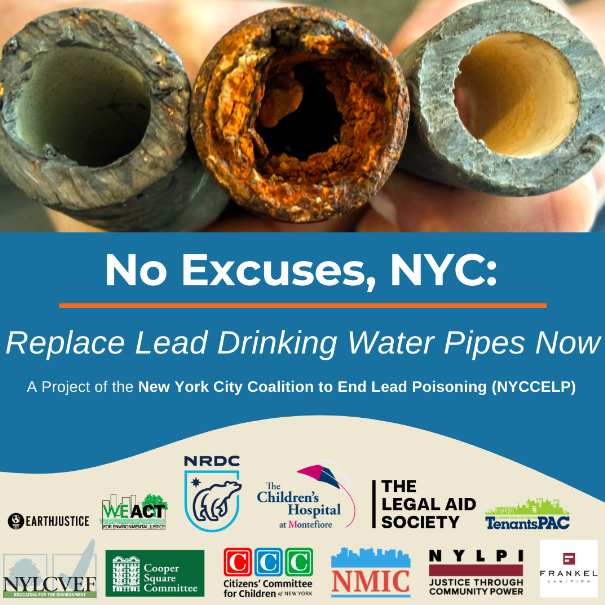
- Aging Infrastructure Concerns: A common worry revolves around older buildings and the potential for lead pipes. While some very old buildings in New York City might have lead service lines connecting to the main, the city has been actively working on replacing these for decades. Furthermore, the water is treated with orthophosphate, a corrosion inhibitor that creates a protective coating inside pipes, preventing lead from leaching into the water. For an extra layer of caution, especially if staying in an older accommodation, it’s advised to let the cold water run for 30 seconds to a minute in the morning or after an extended period of non-use. This flushes out any water that might have been sitting in the pipes.
Practical Tips for Hydration During Your New York City Adventure
Embracing New York City’s tap water is not just safe; it’s also economical and environmentally friendly, aligning perfectly with sustainable lifestyle choices for conscious travelers.

- Bring a Reusable Water Bottle: This is perhaps the best piece of advice for staying hydrated in New York City. A reusable bottle is a sustainable alternative to single-use plastics, saves money, and ensures you always have water on hand.
- Where to Refill:
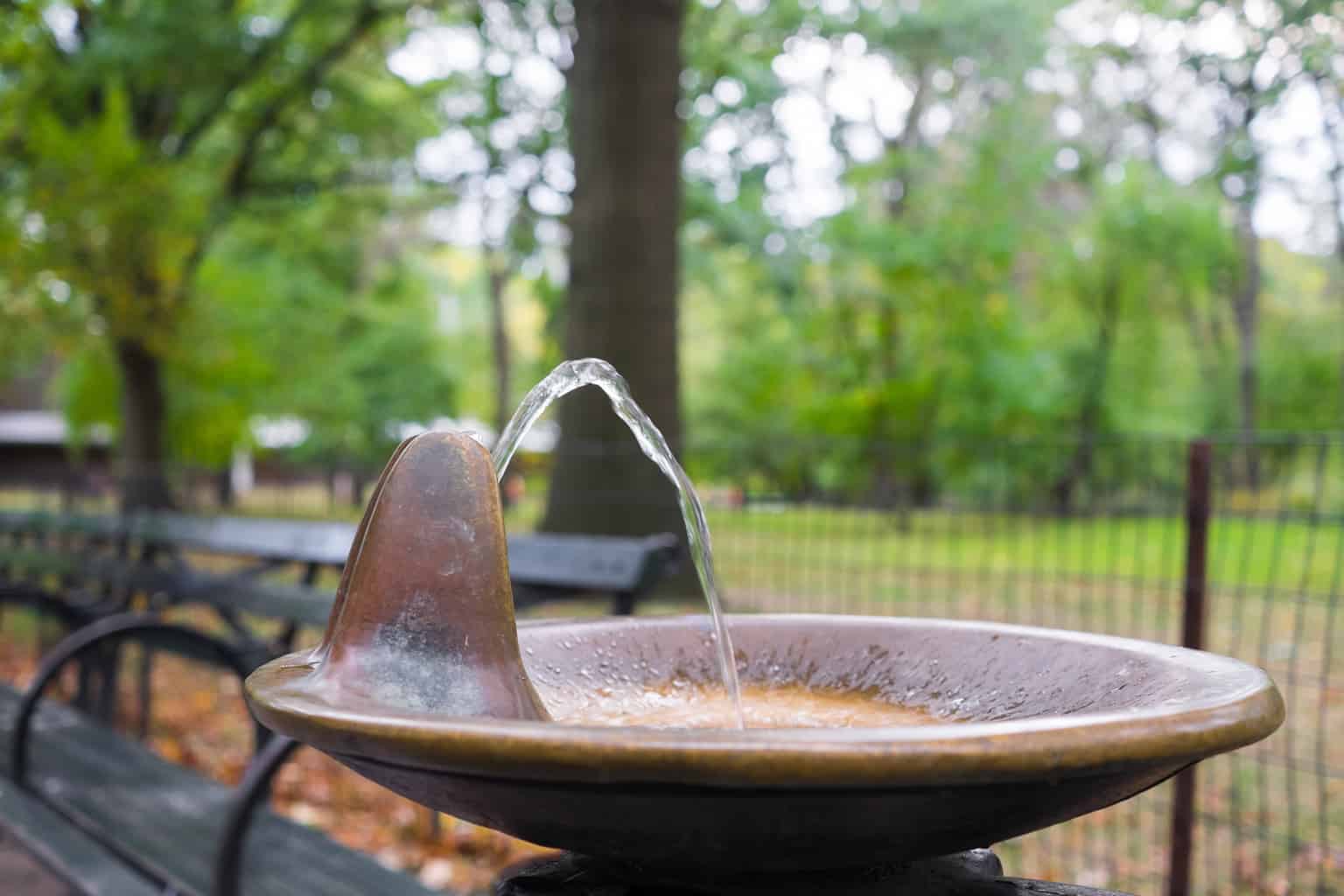
- Public Water Fountains: You’ll find drinking fountains in many parks, such as the iconic Central Park, and along some public walkways, especially during warmer months.
- Cafes and Restaurants: Most cafes and restaurants are happy to refill a water bottle, especially if you’re a customer. Don’t hesitate to ask!
- Hotels and Public Buildings: Many modern hotels and public landmarks now have filtered water stations in lobbies or fitness centers. Even if not, simply asking for a tap water refill at the front desk or in the dining area is usually met with a helpful response.
- Museums: Major institutions like the Metropolitan Museum of Art and the Museum of Modern Art often have water fountains or bottle-filling stations.
- Consider a Filtered Pitcher (for longer stays): If you’re staying in an apartment or villa for an extended period, a simple water filter pitcher can enhance the taste further by removing chlorine, though it’s not strictly necessary for safety.
- Bottled Water as a Last Resort: While widely available in delis, grocery stores, and tourist traps, purchasing bottled water is significantly more expensive and contributes to plastic waste. Opt for tap water whenever possible.
By adopting these practices, visitors can ensure they stay comfortably hydrated while exploring all that New York City has to offer, from the historic streets of Greenwich Village to the bustling energy of Times Square.
Beyond the Tap: Water Quality in NYC’s Diverse Hospitality Scene
When traveling, the quality of water extends beyond what comes directly from a residential tap. Visitors often wonder about the water served in restaurants, offered in hotels, and used in public facilities. In New York City, the answer remains consistently reassuring.
Hotels, Restaurants, and Public Spaces: What to Expect
The excellent water quality enjoyed by residents is the same water supplied to virtually every establishment within New York City’s limits. This means travelers can have full confidence in the water they encounter throughout their stay.
- Hotels: Whether you’re staying in a luxurious suite at The Plaza Hotel, a modern room at the Four Seasons Hotel New York Downtown, or a centrally located spot like Hyatt Centric Times Square New York, the tap water in your room is safe to drink. Hotels frequently invest in additional filtration systems for their dining establishments or in-room amenities, not because the municipal water is unsafe, but to enhance taste or cater to guests’ preferences for ultra-filtered water. Ice served in drinks at these establishments is also made from this same safe tap water.
- Restaurants and Cafes: Any reputable restaurant or cafe in New York City serves tap water as a default, often presenting it in a carafe or glass upon request. This water is perfectly safe. Similarly, the water used for cooking, preparing coffee and tea, and making ice is all sourced from the municipal supply and meets the highest safety standards.
- Public Restrooms and Attractions: From the public facilities at Rockefeller Center to the restrooms at the Empire State Building, Statue of Liberty, or the 9/11 Memorial & Museum, the water is safe for handwashing and drinking from fountains where available. Concerns about hygiene in public spaces might lead some to avoid public water, but the water itself is regulated and safe.
Staying Hydrated While Exploring New York’s Landmarks and Neighborhoods
Exploring New York City involves a lot of walking, from traversing the Brooklyn Bridge to wandering through the historic streets of the Upper East Side or navigating the labyrinthine passages of Grand Central Terminal. Staying hydrated is vital for maximizing your tourism experience and enjoying every landmark.
- Plan Ahead for Long Walks: If your itinerary includes extensive walking tours or visiting multiple distant attractions, always start with a full water bottle. Refill points can be intermittent, so having a personal supply is smart.
- Weather Considerations: New York City experiences distinct seasons. Summers can be hot and humid, necessitating frequent hydration. Even in colder months, indoor heating can be dehydrating, making consistent water intake important for overall health and energy levels.
- Embrace the Urban Lifestyle: Drinking tap water is part of the authentic New York City lifestyle. Locals confidently drink from their taps, and visitors should feel just as comfortable doing so. This not only saves money but also integrates you into the city’s sustainable habits. Being hydrated helps maintain energy for navigating crowded streets, enduring long museum visits, or enjoying a Broadway show without feeling fatigued. It allows you to fully engage with the city’s vibrant energy.
The Economic and Environmental Benefits of Drinking Tap Water in NYC
Choosing tap water over bottled water in New York City isn’t just about safety; it’s a decision that carries significant economic and environmental advantages, benefiting both the traveler and the city as a whole. For those interested in responsible tourism and sustainable lifestyle choices, this is a simple yet impactful way to contribute positively during their travels.
A Sustainable Choice for Travelers and Locals
In an era where environmental consciousness is increasingly important, opting for tap water aligns perfectly with sustainable travel principles.
- Reduce Plastic Waste: Every bottle of water purchased generates plastic waste. While New York City has recycling programs, reducing consumption at the source is always the most effective approach. By refilling a reusable bottle with tap water, visitors significantly cut down on their plastic footprint, helping to keep the city’s parks, streets, and waterways, including the Hudson River and the Atlantic Ocean, cleaner. This small act contributes to the global effort to combat plastic pollution.
- Cost Savings: Bottled water in New York City can be surprisingly expensive, especially in tourist areas. A single bottle might cost anywhere from $2 to $5. Over the course of a multi-day trip, these costs can quickly add up, eating into a travel budget that could otherwise be spent on attractions, food, or unique experiences. Tap water, by contrast, is virtually free. This is a simple and effective way to manage budget travel without compromising on safety or hydration.
- Support Local Infrastructure: By utilizing the municipal water supply, visitors indirectly support the continuous operation and maintenance of New York City’s world-class water infrastructure. This system is a critical public service, and its sustained quality relies on widespread usage and public trust.
How NYC’s Water Management Contributes to a Better Travel Experience
The high standard of New York City’s water supply is not merely a utility; it’s an integral part of what makes the city a premier travel destination.
- Reliability and Health Assurance: Knowing that the water is consistently safe provides a fundamental level of comfort and security for travelers. It eliminates the worry about waterborne illnesses that can disrupt a trip, allowing visitors to fully enjoy their activities and attractions without health concerns. This assurance frees up mental space, letting you focus on the wonders of Manhattan or the charm of Brooklyn.
- Ease of Access: The ubiquitous availability of safe tap water means you don’t need to constantly search for bottled water, carry heavy bottles, or worry about running out. This convenience contributes to a smoother, more enjoyable travel experience. Whether you’re at a hotel, a restaurant, or simply in a public park, safe water is just a tap away.
- Showcasing Public Health Commitment: The city’s dedication to maintaining such high water quality reflects a broader commitment to public health and welfare. This is a hallmark of a well-managed and responsible global city, enhancing its appeal as a destination for travelers seeking both adventure and peace of mind. The infrastructure behind this excellent water supply, including the vast network of aqueducts and reservoirs, is an engineering marvel that visitors often overlook but deeply benefit from.
In conclusion, for those wondering “Is water in New York City safe to drink?”, the answer is unequivocally yes. The city’s water supply is a model of environmental protection, stringent testing, and reliable delivery, consistently meeting and often exceeding national and international standards set by organizations like the World Health Organization and the Environmental Protection Agency. Embrace the opportunity to drink directly from the tap, refill your reusable bottle, and enjoy the myriad benefits this provides – from staying healthy and hydrated to saving money and supporting sustainable tourism. So, go ahead and sip confidently as you embark on your unforgettable New York City adventure; your water is safe, clean, and refreshing.
LifeOutOfTheBox is a participant in the Amazon Services LLC Associates Program, an affiliate advertising program designed to provide a means for sites to earn advertising fees by advertising and linking to Amazon.com. Amazon, the Amazon logo, AmazonSupply, and the AmazonSupply logo are trademarks of Amazon.com, Inc. or its affiliates. As an Amazon Associate we earn affiliate commissions from qualifying purchases.