
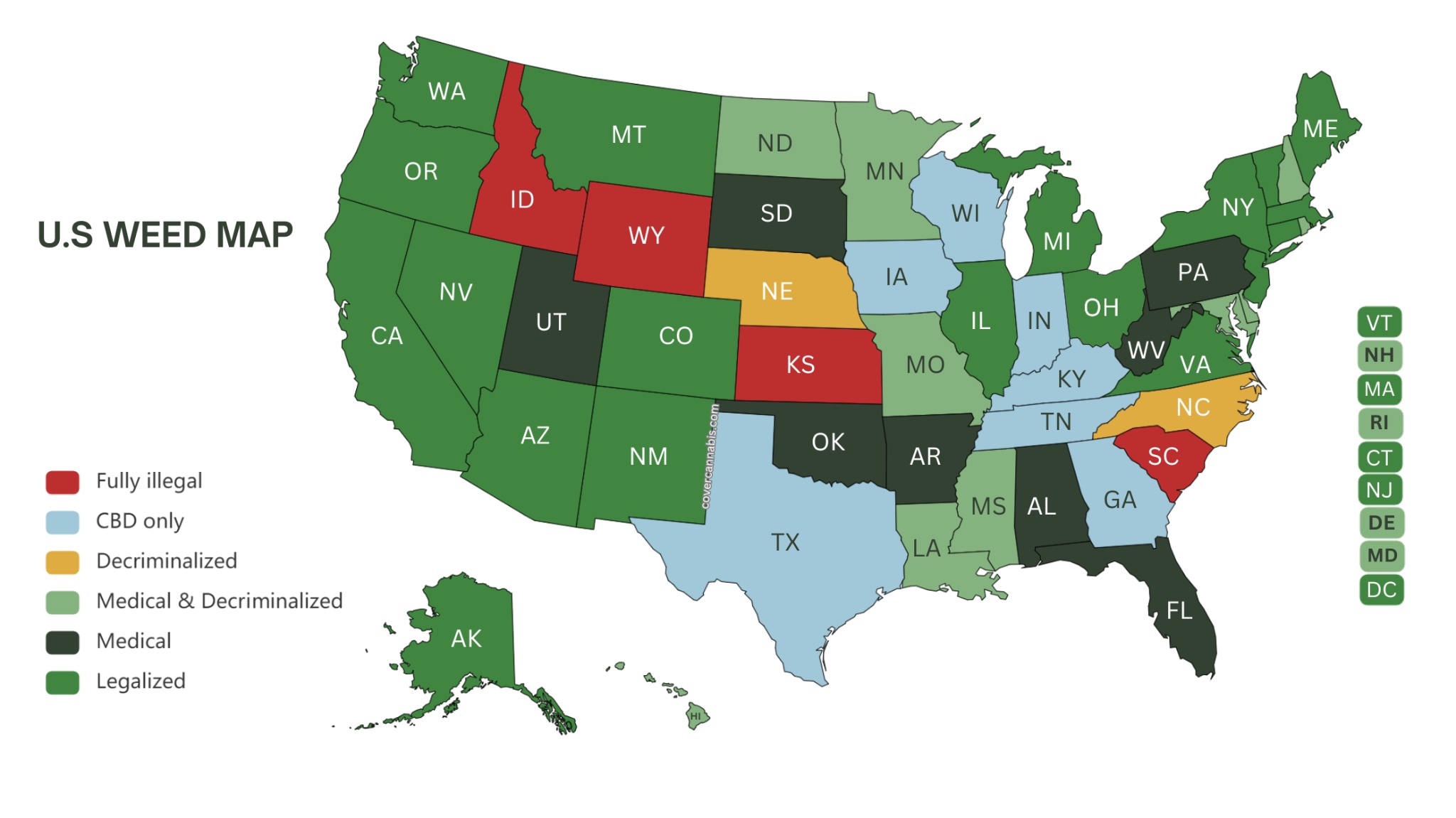
Visiting a new city often involves understanding its unique customs, attractions, and, crucially, its laws. For many travelers eyeing Boston in 2024, a common question arises regarding the legal status of cannabis. The straightforward answer is yes: recreational cannabis is legal for adults 21 and over in Boston, Massachusetts. However, like many laws surrounding cannabis in the United States, legality comes with a specific set of rules and regulations that travelers must understand to ensure a smooth, enjoyable, and compliant visit. This comprehensive guide will navigate the intricacies of cannabis legality in Boston for 2024, offering essential insights for responsible tourism.
The Legal Landscape of Cannabis in Boston
To truly grasp the current situation, it’s helpful to understand how Massachusetts arrived at its present cannabis policies. The journey from prohibition to adult-use legalization reflects a broader national trend but with distinct local characteristics that shape today’s legal framework.
A Brief History of Legalization in Massachusetts
The path to legal cannabis in Massachusetts began with medical marijuana. In 2012, voters approved Question 3, the Massachusetts Medical Marijuana Initiative, which legalized medical cannabis for patients with qualifying conditions. This established a regulated framework for dispensaries and patient access, paving the way for broader reforms. Building on this foundation, in 2016, Massachusetts residents once again went to the polls and approved Question 4, which legalized recreational marijuana for adults 21 and older. This landmark vote made Massachusetts one of the first East Coast states to embrace adult-use cannabis, ushering in a new era for both residents and visitors. The implementation and oversight of this new industry fell to the Massachusetts Cannabis Control Commission, which continues to refine and enforce the regulations governing the cultivation, production, sale, and use of cannabis across the Commonwealth.
What “Legal” Actually Means for Adults
While the headline “weed is legal” is exciting for many, it’s crucial to understand the specifics. For adults aged 21 and older, the law permits certain activities related to cannabis, but it also imposes strict limitations.
- Age Restrictions: The most fundamental rule is that you must be at least 21 years old to purchase, possess, or consume cannabis. Valid government-issued identification (such as a driver’s license or passport) is required for entry into dispensaries and for any cannabis-related transaction.
- Possession Limits: Adults may legally possess up to one ounce of cannabis flower or five grams of cannabis concentrate on their person. In a private residence, individuals are permitted to possess up to ten ounces of cannabis flower. This distinction is vital for travelers, as carrying large quantities while out and about can lead to legal issues.
- Cultivation Limits: For residents, the law allows for home cultivation of up to six cannabis plants per person, with a maximum of twelve plants per household. This specific provision primarily applies to residents and is generally not a concern for short-term travelers.
- Purchase Limits: Dispensaries adhere to specific purchase limits per transaction, mirroring the possession limits. You can buy up to one ounce of flower, 5 grams of concentrate, or edibles containing up to 100mg of THC per package (with a total limit on THC per transaction as well). These limits are in place to prevent bulk purchases that could facilitate illegal distribution.
Understanding these parameters is essential for any traveler planning to explore Boston’s legal cannabis market. Compliance ensures a hassle-free experience and demonstrates respect for local laws.
Where You Can and Cannot Use Cannabis in Boston
Perhaps the most critical distinction for travelers is not if cannabis is legal, but where it can be consumed. Massachusetts has clear guidelines on public versus private consumption, and misunderstanding these can quickly turn a legal purchase into a legal problem.
Public Consumption: A Strict No-Go
Despite being legal to possess, it is unequivocally illegal to consume cannabis in public places in Massachusetts. This includes smoking, vaping, or consuming edibles in parks, sidewalks, streets, public transportation, restaurants, bars, or any other area accessible to the public. The law treats public cannabis consumption similarly to public alcohol consumption, which is also prohibited.
- Why This is Important for Travelers: Many visitors, particularly from regions where cannabis is fully illegal, might assume that if it’s legal to buy, it’s legal to use anywhere. This is a common misconception that can lead to fines and legal penalties. Law enforcement in Boston takes public consumption seriously.
- Penalties: Individuals caught consuming cannabis in public can face civil fines, typically around $100. While not a criminal offense, it’s an unnecessary disruption to a vacation and can lead to confiscation of the product.
The key takeaway here is simple: if you wouldn’t drink a beer on a park bench, you shouldn’t smoke a joint there either. Discretion and adherence to this rule are paramount.
Private Property and Designated Areas
So, if public consumption is out, where can one legally use cannabis? The answer primarily lies in private property, with some important caveats.
- Using on Private Residential Property: The most straightforward and legal place to consume cannabis is on private residential property, provided you have the permission of the property owner. If you’re staying with friends or family, ensure they are comfortable with your consumption before partaking.
- Hotel Policies: This is where it gets tricky for many travelers. While hotels are private property, they have their own policies. The vast majority of hotels in Boston (and across the state) explicitly prohibit cannabis use on their premises, including in guest rooms, balconies, and common areas. This is often due to federal banking regulations (cannabis is still federally illegal) and concerns about smoke damage, odors, and other guests’ comfort. Always check with your hotel directly before assuming consumption is allowed. Ignoring hotel policy could lead to fines, eviction, or other undesirable consequences.
- Rental Properties (Airbnb, VRBO): Similarly, if you’re staying in a short-term rental through platforms like Airbnb or VRBO, the host’s rules are paramount. Many hosts explicitly state “no smoking” or “no cannabis use” in their listings. Always review the house rules carefully or contact the host directly to inquire about their policy before booking or consuming.
- The Absence of “Consumption Lounges”: As of 2024, Boston and Massachusetts do not widely feature licensed public cannabis consumption lounges. While the Massachusetts Cannabis Control Commission has discussed and slowly begun to develop frameworks for such establishments, they are not a common sight for travelers in 2024. Therefore, visitors should not expect to find dedicated public spaces for cannabis use beyond private residences where permission has been granted.
Purchasing Cannabis in Boston: A Traveler’s Guide

Once you understand the “where,” the next step for many travelers is the “how” – how to legally purchase cannabis in Boston. The process is designed to be safe, regulated, and accessible, but knowing what to expect can streamline your experience.
Licensed Dispensaries: Your Only Legal Option
In Boston and throughout Massachusetts, the only legal way to acquire recreational cannabis is through a state-licensed adult-use dispensary. These establishments are heavily regulated to ensure product safety, accurate labeling, and compliance with all state laws.
- How to Find Them: A quick online search for “adult-use dispensaries Boston” will yield several options. Many dispensaries are located within the city limits, while others are in easily accessible surrounding towns. Dispensary websites typically list their menus, hours, and specific requirements.
- What to Bring: You must present a valid, government-issued photo ID proving you are 21 years or older. This includes passports, driver’s licenses from any U.S. state, or military IDs. The ID will be scanned to verify age and ensure it hasn’t been flagged.
- Types of Products Available: Licensed dispensaries offer a wide array of cannabis products, catering to various preferences. This includes:
- Flower: Traditional cannabis buds, available in different strains (sativa, indica, hybrid) and potencies.
- Edibles: Gummies, chocolates, beverages, and other food items infused with THC or CBD. These are known for delayed onset and longer-lasting effects, so caution is advised, especially for first-time users.
- Vapes/Concentrates: Vape cartridges and dab concentrates offer a more potent and often discreet consumption method.
- Topicals and Tinctures: Non-intoxicating or sublingually absorbed products for various uses.
- Cash vs. Card: Due to federal banking regulations, many dispensaries operate primarily on a cash-only basis. While some may accept debit cards, credit cards are rarely accepted. Most dispensaries have ATMs on-site for customer convenience, but it’s always wise to bring cash to avoid potential transaction fees or issues.
Understanding Taxes and Pricing
Cannabis in Massachusetts is subject to several taxes, which will affect the final price you pay. Understanding these can help manage expectations.
- State Sales Tax: A standard 6.25% Massachusetts sales tax.
- Cannabis Excise Tax: An additional 10.75% excise tax specifically on recreational cannabis.
- Local Option Tax: Cities and towns can levy a local option tax of up to 3% on cannabis sales. Boston typically applies this.
Combined, these taxes can add a significant percentage to the base price of cannabis products, typically ranging from 17% to 20%. Prices can also vary between dispensaries and by product type, with concentrates and edibles often being more expensive per dose than flower.
Avoid Illegal Purchases and Delivery Services
While it might seem tempting to look for cheaper alternatives or more convenient options, purchasing cannabis from unlicensed sources is illegal and carries significant risks.
- Risks of Unlicensed Sources: Unregulated products may contain harmful contaminants, pesticides, or inaccurate potency labeling. There’s no quality control, and purchasing from the black market can lead to legal troubles. Stick to licensed dispensaries for safety and legality.
- Legality of Delivery Services: Some licensed dispensaries in Massachusetts offer delivery services. However, these are highly regulated and often have specific rules regarding delivery zones and verification. For travelers staying in hotels or short-term rentals, coordinating delivery can be complex and may not be feasible or permissible by your accommodation provider. Always verify the legality and licensing of any delivery service you consider.
Navigating Cannabis and Travel Logistics
Travelers must also consider how cannabis interacts with other aspects of their journey, particularly transportation and overall health and safety.
Transportation Rules
Carrying cannabis while traveling within Boston and Massachusetts is permissible within the legal possession limits, but specific rules apply, especially concerning vehicles and air travel.
- Driving Under the Influence (DUID Laws): It is strictly illegal and dangerous to drive under the influence of cannabis. Massachusetts has robust DUID laws, and penalties are severe, including fines, license suspension, and potential jail time. If you plan to consume cannabis, arrange for alternative transportation like ride-shares, taxis, or public transport.
- Open Container Laws in Vehicles: Similar to alcohol, cannabis products (flower, edibles, concentrates) must be transported in a sealed container in the trunk or a locked glove compartment of a vehicle. It cannot be readily accessible to the driver or passengers.
- Public Transport: While you can carry legal amounts of cannabis on public transport, consumption on any form of public transportation (subways, buses, commuter rail) is strictly prohibited and can result in fines.
- Air Travel (Logan International Airport): This is perhaps the most critical rule for travelers to remember: Do not bring cannabis to Logan International Airport or any other airport. Despite being legal in Massachusetts, cannabis remains illegal under federal law. Airports, including Logan International Airport, are governed by federal regulations. Transporting cannabis across state lines, even to another state where it is legal, is a federal offense. The Transportation Security Administration (TSA) may defer to local law enforcement regarding small amounts, but it is best practice to assume all cannabis must be consumed or disposed of before entering the airport.
Health and Safety Considerations
Responsible consumption is paramount, especially for those new to cannabis or unfamiliar with the potency of legal market products.
- Responsible Consumption: Start low and go slow, particularly with edibles. Edibles can take anywhere from 30 minutes to two hours to take effect, and their effects can be more intense and long-lasting than inhaled cannabis. Overconsumption can lead to anxiety, paranoia, or discomfort. Always consume in a safe and comfortable environment.
- Keeping Cannabis Out of Reach of Minors: All cannabis products must be stored securely and out of the reach of anyone under 21, especially children. Edibles, in particular, often resemble regular candy or treats and pose a risk to minors if not stored properly.
- Interactions with Medication: If you are taking any prescription medications, it is advisable to consult with a healthcare professional before consuming cannabis to understand potential interactions.
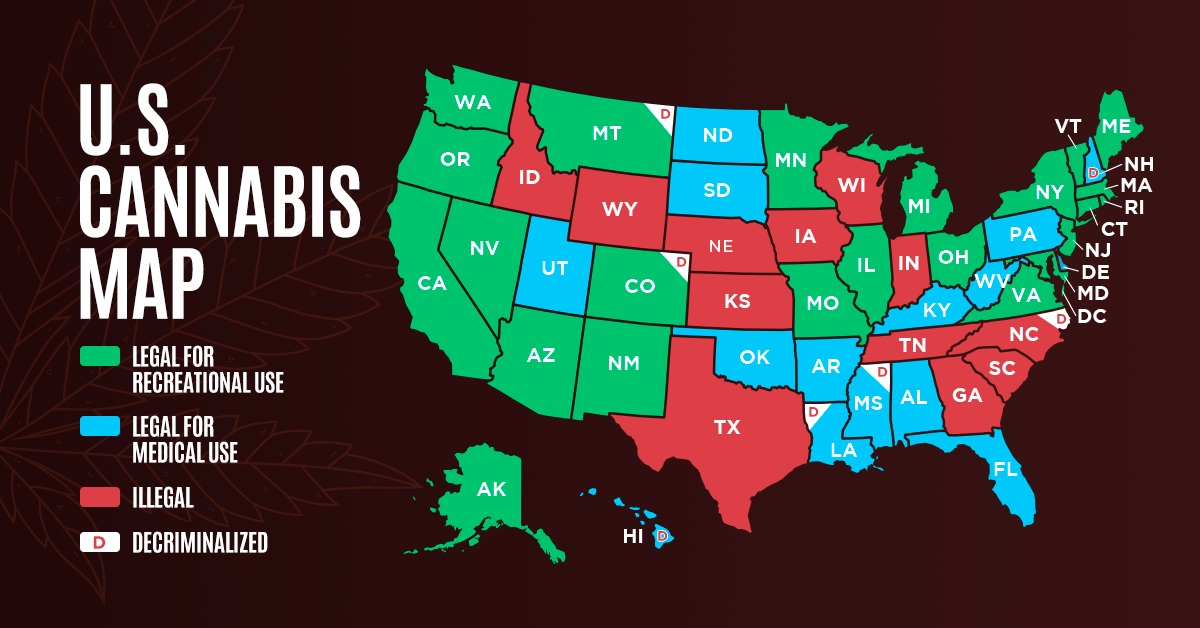
In conclusion, Boston in 2024 offers a legal and regulated cannabis market for adults 21 and over. While the availability is clear, responsible and informed use is the cornerstone of a trouble-free experience. By understanding the legal possession limits, strictly adhering to public consumption bans, purchasing solely from licensed dispensaries, and being mindful of transportation rules, particularly regarding federal airspace, travelers can safely and legally explore this aspect of Boston’s evolving landscape. Enjoy your visit to Boston, and remember to consume responsibly and respectfully within the local laws.
LifeOutOfTheBox is a participant in the Amazon Services LLC Associates Program, an affiliate advertising program designed to provide a means for sites to earn advertising fees by advertising and linking to Amazon.com. Amazon, the Amazon logo, AmazonSupply, and the AmazonSupply logo are trademarks of Amazon.com, Inc. or its affiliates. As an Amazon Associate we earn affiliate commissions from qualifying purchases.