
California, the Golden State known for its sun-drenched beaches, towering redwoods, and vibrant cities, has long been a trailblazer in various aspects of lifestyle and culture. For many travelers, particularly those from regions with more restrictive cannabis laws, a common question arises when planning a trip to this diverse state: “Is weed legal in California?” The short answer is yes, but the longer, more nuanced explanation is crucial for anyone looking to navigate its cannabis landscape responsibly and enjoyably, especially when planning travel, accommodation, and exploring local tourism offerings.
The legalization of cannabis in California has opened up new dimensions for tourism and lifestyle experiences. It’s no longer just about world-class vineyards or iconic landmarks; for a growing segment of visitors, understanding the rules around cannabis is an integral part of their travel itinerary. This guide aims to demystify the legalities, offer practical advice for tourists, and highlight how cannabis fits into the broader travel and leisure ecosystem across California, from the bustling streets of Los Angeles to the serene landscapes of Palm Springs.
Navigating Cannabis Legality for Travelers in the Golden State
Understanding the legal framework surrounding cannabis in California is the first step for any visitor. While the state has embraced legalization, a patchwork of federal, state, and local regulations means that certain rules still apply, particularly for travelers.
The Golden State’s Green Light: A Brief History
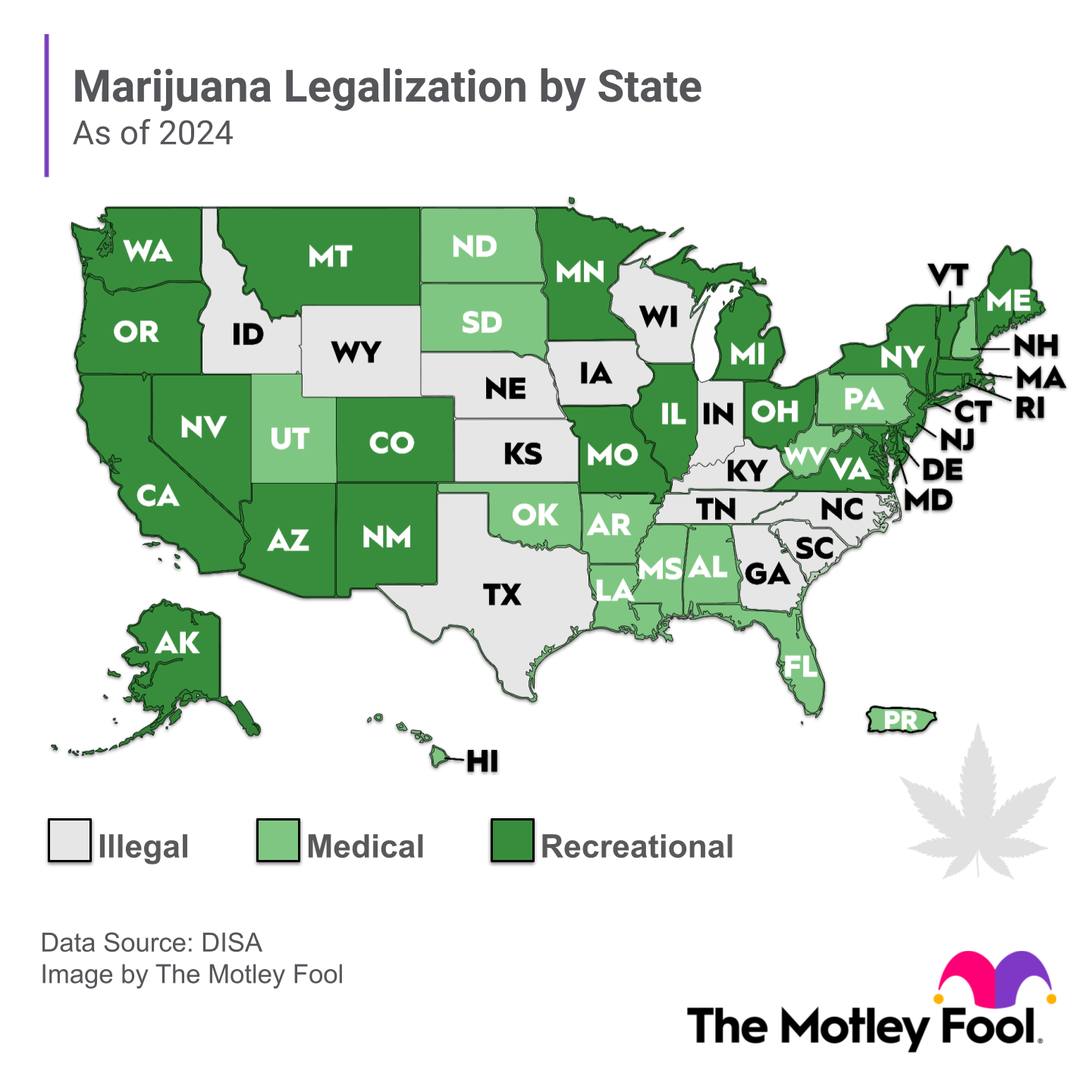
California has been at the forefront of cannabis reform for decades. In 1996, it became the first state to legalize medical cannabis with the passage of Proposition 215. This groundbreaking move set the stage for further reforms. Two decades later, in 2016, voters approved Proposition 64, officially known as the Adult Use of Marijuana Act. This landmark legislation legalized the recreational use of cannabis for adults aged 21 and over, effective January 1, 2018.
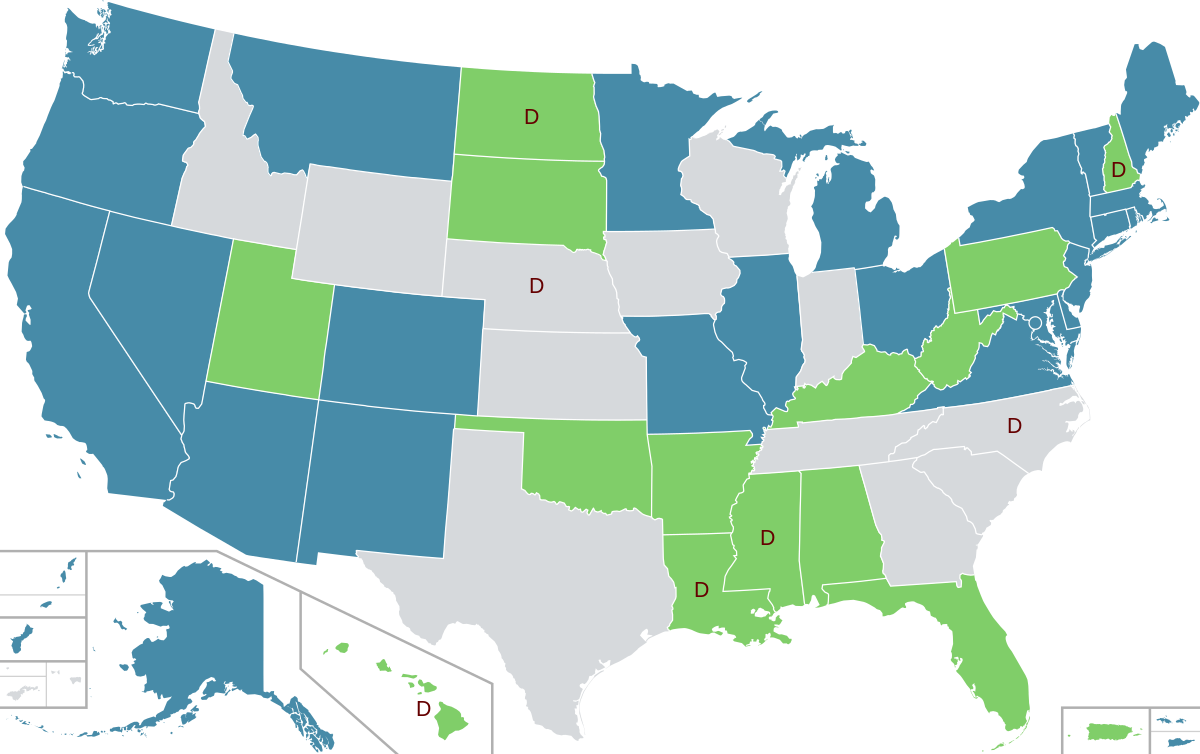
This shift dramatically changed the landscape for residents and tourists alike. Under Proposition 64, adults can possess up to 28.5 grams (one ounce) of cannabis flower and up to 8 grams of concentrated cannabis. They can also cultivate up to six cannabis plants for personal use at their private residence. However, it’s critical for travelers to remember that while state law permits these activities, cannabis remains illegal under federal law. This federal prohibition has significant implications, especially concerning travel across state lines or through federal property, such as national parks or airports. As such, any transportation of cannabis out of California, even to another legal state, is strictly prohibited and can lead to severe penalties.
Where to Buy: Licensed Dispensaries and Safe Access
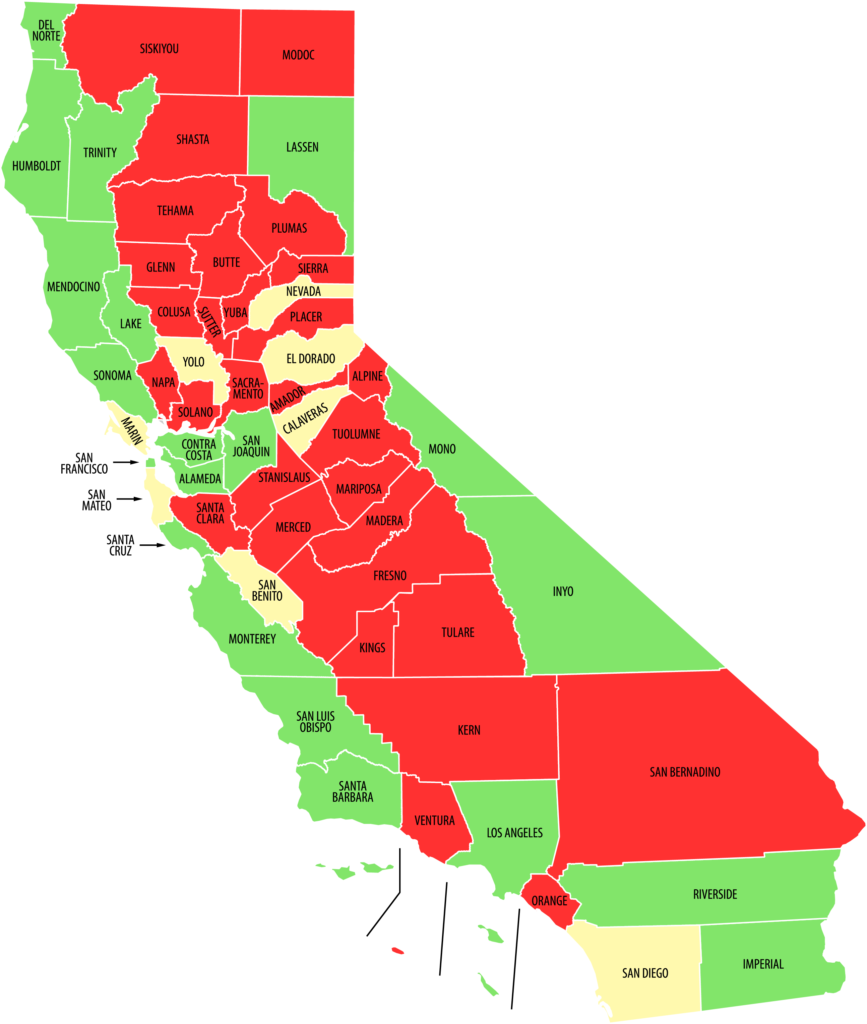
For tourists looking to purchase cannabis, the process is straightforward but strictly regulated. All cannabis products must be purchased from licensed dispensaries. These establishments are easily identifiable by their official state licensing and often have knowledgeable staff (budtenders) who can guide consumers through the various strains, products, and consumption methods.
You’ll find a wide array of products, from traditional flower to edibles, vapes, tinctures, and topicals. Each product category caters to different preferences and experiences, making it part of the adventure for many travelers exploring new lifestyle options. When visiting a dispensary, you’ll need to present a valid government-issued ID proving you are 21 years or older. This strict age verification process is non-negotiable, just like purchasing alcohol.
It is crucial to avoid purchasing cannabis from unlicensed sources. The illicit market, while sometimes cheaper, does not adhere to the strict testing and safety regulations mandated for licensed products in California. This means products from unlicensed sources could contain harmful pesticides, heavy metals, or inaccurately labeled potency, posing significant health risks. For a safe and authentic experience, always opt for a state-licensed dispensary, which typically displays its license prominently. Many major cities, including San Francisco, Oakland, and San Diego, have numerous licensed dispensaries that cater to both medical patients and recreational users, making access convenient for tourists staying in these urban centers.
Consumption Guidelines and Public Etiquette
Once you’ve legally purchased cannabis, understanding where and how you can consume it is paramount. California’s laws are quite specific about public consumption, driving under the influence, and the policies of various accommodation types. Respecting these rules ensures a pleasant experience for everyone and avoids legal complications.
Public vs. Private: Understanding Consumption Zones
One of the most common misconceptions among travelers is that if cannabis is legal, it can be consumed anywhere. This is not the case. In California, it remains illegal to consume cannabis in public places. This includes sidewalks, parks, beaches, restaurants, bars, and any federal land, such as national parks like Yosemite or federal buildings. Violating these rules can result in fines and other penalties.
The primary legal place for cannabis consumption is private property, out of public view. This means you can consume cannabis in a private residence, assuming the property owner permits it. For travelers, this often means considering their accommodation options carefully. Some cannabis-friendly private residences or specially licensed consumption lounges are emerging, particularly in tourist hotspots, offering designated spaces for consumption. However, these are still relatively rare and operate under strict local regulations. Always verify the specific rules of your accommodation before consuming any cannabis products.
Staying Smart: Driving and Public Transportation
Similar to alcohol, driving under the influence of cannabis is illegal and extremely dangerous. California has strict DUI laws that apply to cannabis. If you are impaired by cannabis, you cannot legally operate a vehicle, and doing so can lead to severe penalties, including fines, license suspension, and even jail time. The advice is simple: if you plan to consume cannabis, do not drive. Utilize ride-sharing services, taxis, or public transportation instead.
Furthermore, it is illegal to consume cannabis in a vehicle, whether you are a driver or a passenger. Open containers of cannabis are also prohibited in vehicles, similar to open containers of alcohol. All cannabis products must be stored in a sealed container in the trunk or a place that is not readily accessible to the driver or passengers. These rules are crucial for maintaining road safety and are vigorously enforced by law enforcement across the state.
Accommodation Considerations: Hotels and Vacation Rentals
When it comes to accommodation, policies regarding cannabis vary widely. Most hotels, resorts, and even many vacation rentals in California maintain a strict non-smoking policy, which typically extends to cannabis. This is often due to fire safety regulations, concerns about lingering odors, and the comfort of other guests.
Major hotel chains, such as Marriott, Hilton, or Hyatt, generally prohibit cannabis consumption on their premises, whether in rooms, balconies, or public areas. Attempting to consume cannabis in such establishments might lead to significant cleaning fees, fines, or even eviction. This is an important aspect of planning your travel and selecting suitable lodging.
However, a growing niche of cannabis-friendly accommodations is emerging. These might include boutique hotels, private villas, or specific Airbnb rentals that explicitly state their cannabis policies. Some may allow vaping or edibles but prohibit smoking, while others might offer designated consumption areas. For travelers whose lifestyle includes cannabis, it’s advisable to research and book such specialized accommodation in advance. Websites and travel guides dedicated to cannabis tourism often list these options, helping you find a comfortable and compliant place to stay. Always confirm the specific policies directly with the accommodation provider to avoid any misunderstandings during your trip.
Cannabis and California Tourism: A New Frontier
The legalization of cannabis has ushered in a new era for California’s tourism industry. Beyond merely enabling personal use, it has fostered a unique cannabis tourism sector, offering specialized experiences, tours, and lifestyle products that integrate with the state’s existing attractions.
Exploring Cannabis-Friendly Destinations
Certain regions and cities in California have become hubs for cannabis culture and tourism. Los Angeles, with its progressive attitude and diverse offerings, boasts numerous high-end dispensaries, cannabis-infused dining experiences, and even wellness retreats that incorporate cannabis. Similarly, San Francisco, a historic center of counterculture, has embraced cannabis with various lounges and educational tours that delve into its history and current landscape.
Further north, the “Emerald Triangle” – comprising Humboldt, Mendocino, and Trinity counties – has long been renowned for its cannabis cultivation. While direct farm tourism might be limited due to regulations, the region offers a unique opportunity to understand the agricultural side of cannabis, often alongside existing tourism focused on nature and outdoor activities. Palm Springs is another destination rapidly developing its cannabis tourism, with an increasing number of cannabis-friendly hotels and wellness offerings, blending its iconic mid-century modern architecture with a relaxed, adult-oriented atmosphere.
These destinations offer not just access to legal products but also experiences that weave cannabis into the broader tourism narrative, from cannabis-themed cooking classes to art exhibitions and even “ganja yoga” sessions. This integration allows travelers to explore a different facet of California’s diverse lifestyle.
Beyond Consumption: Cannabis Experiences and Lifestyle
Cannabis tourism in California extends far beyond simply purchasing and consuming the plant. It encompasses a growing range of lifestyle experiences designed to educate, entertain, and offer unique insights into the world of cannabis. For example, visitors can embark on guided cannabis tours that explore cultivation facilities, learn about the science behind different strains, and understand the intricate process from seed to sale. These tours often highlight the agricultural heritage and the economic impact of the cannabis industry on local communities.
The wellness sector has also embraced cannabis, offering spa treatments, meditation sessions, and holistic therapies that incorporate CBD (cannabidiol) or even low-dose THC products. This trend reflects a broader shift towards natural wellness and mindfulness, appealing to tourists seeking unique relaxation and rejuvenation experiences. Foodies can explore the burgeoning world of cannabis-infused cuisine, where chefs creatively incorporate cannabis into gourmet meals, often emphasizing specific effects or flavors. These dining experiences, usually held in private settings or specially licensed venues, provide a sophisticated way to enjoy cannabis.
Furthermore, the retail landscape itself offers a unique tourism experience. Many dispensaries are designed with impressive architecture and curated product selections, resembling high-end boutiques or art galleries rather than traditional stores. Exploring these establishments can be an attraction in itself, offering insights into modern retail trends and the evolving perception of cannabis. For travelers interested in a unique lifestyle, California’s cannabis scene provides a rich tapestry of options that blend seamlessly with other tourism activities like visiting landmarks, exploring local culture, and indulging in fine dining.
Essential Tips for Responsible Visitors
To ensure a smooth and enjoyable trip, any traveler planning to engage with California’s legal cannabis market should keep a few key tips in mind. Responsible tourism benefits everyone and helps maintain the positive advancements made in cannabis legislation.
First and foremost, always carry your valid government-issued ID. This is essential for entering dispensaries and proving you are of legal age. Secondly, purchase cannabis only from licensed dispensaries. This cannot be stressed enough, as it ensures product safety, quality, and compliance with state regulations. Avoid street vendors or unofficial sources, which pose significant health and legal risks.
Thirdly, know your limits and consume responsibly. Especially for those new to cannabis, starting with a low dose and waiting to understand the effects is crucial. Edibles, in particular, can have a delayed and more intense effect compared to smoking. Pay close attention to the dosage information provided on packaging.
Finally, be mindful of federal law. Despite state legality, cannabis remains federally illegal. This means you cannot take cannabis across state lines, through airports (even if flying within California, as airports are federal jurisdiction), or onto federal lands like national parks. Always consume cannabis within California and dispose of any remaining products responsibly before leaving the state or entering federal property.
By following these guidelines, travelers can fully and safely enjoy the unique opportunities presented by California’s progressive cannabis laws. Whether you’re interested in the plant’s history, its wellness applications, or simply curious about its recreational use, the Golden State offers a dynamic and evolving landscape that enriches its already diverse travel, tourism, and lifestyle appeal. From luxury resorts to budget-friendly apartments, navigating the specific rules regarding cannabis is key to a seamless and memorable experience in this pioneering state.
LifeOutOfTheBox is a participant in the Amazon Services LLC Associates Program, an affiliate advertising program designed to provide a means for sites to earn advertising fees by advertising and linking to Amazon.com. Amazon, the Amazon logo, AmazonSupply, and the AmazonSupply logo are trademarks of Amazon.com, Inc. or its affiliates. As an Amazon Associate we earn affiliate commissions from qualifying purchases.