
Miami, the dazzling gem of South Florida, beckons travelers with its vibrant nightlife, pristine beaches, art-deco architecture, and a rich tapestry of cultural experiences. From the pulsating energy of South Beach to the artistic flair of Wynwood Walls and the historic charm of Little Havana, the city offers an unparalleled escape. As visitors plan their dream Miami getaway, a common question often arises, especially with the evolving landscape of cannabis laws across the United States: “Is weed legal in Miami?”
The answer, like the city itself, is nuanced and requires careful understanding for anyone looking to enjoy their Florida vacation without legal complications. While the perception of cannabis legality is shifting globally, and many states have embraced recreational use, Florida’s approach remains somewhat conservative, particularly for non-residents. This comprehensive guide will delve into the current legal status of cannabis in Miami and the broader Sunshine State, providing essential information for travelers, tourists, and anyone considering a visit. We’ll explore medical marijuana laws, local decriminalization policies, potential legal consequences, and what the future might hold, ensuring you can make informed decisions and enjoy a worry-free experience in this magnificent destination.
Navigating Florida’s Cannabis Landscape: What Every Miami Visitor Needs to Know
Understanding the legal status of cannabis in Florida is crucial for any visitor to Miami. The state has a layered approach, with a significant distinction between medical and recreational use, further complicated by local ordinances and overarching federal law. This creates a complex environment that can be confusing for even seasoned travelers accustomed to more straightforward regulations in other destinations. For those planning their Florida itinerary, whether it involves lounging on the sands of Fort Lauderdale Beach or exploring the vibrant Art Deco Historic District, being aware of these specifics is paramount to a seamless and enjoyable trip.
The Current Legal Framework: Medical vs. Recreational
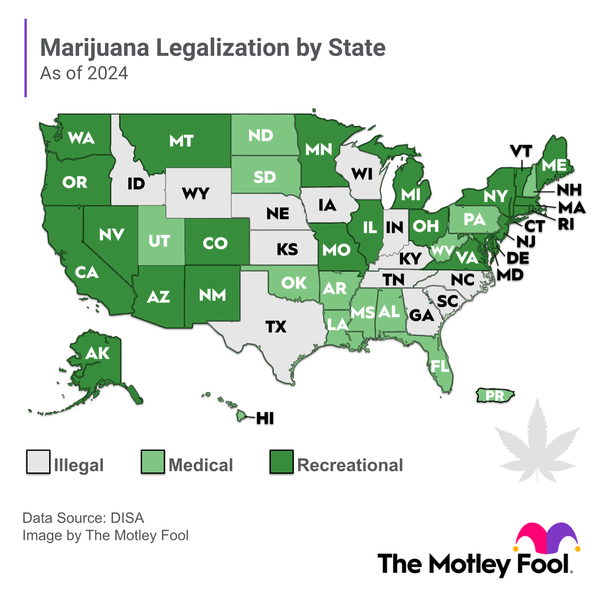
In Florida, medical cannabis has been legal since the passage of Amendment 2 in 2016, a voter-approved initiative that established the Florida Medical Marijuana Program. This program allows qualifying patients with specific debilitating conditions to obtain a medical marijuana card and purchase cannabis products from licensed dispensaries. However, it’s critical to emphasize that recreational marijuana remains illegal throughout the state of Florida. This means that for the vast majority of tourists visiting Miami, the purchase or use of cannabis for non-medical purposes is against state law.
The state’s medical program is regulated by the Florida Department of Health and has strict guidelines concerning eligible conditions, the physician certification process, and product types. While this provides a legal pathway for residents needing cannabis for therapeutic purposes, it does not extend to casual use by tourists. The federal government, meanwhile, still classifies cannabis as a Schedule I controlled substance, making it federally illegal. This federal prohibition creates a significant conflict, especially concerning transportation across state lines or use on federal property within Florida, such as national parks or airports. For travelers, this federal stance means that even if a state has legalized cannabis, carrying it across state borders or through federal checkpoints like at Miami International Airport can lead to serious legal repercussions.
Miami-Dade’s Decriminalization Policy: A Local Nuance
Adding another layer to Florida’s cannabis laws is the decriminalization policy enacted by Miami-Dade County in 2015. This local ordinance significantly changed how law enforcement handles possession of small amounts of marijuana within the county. Under this policy, possession of 20 grams or less of cannabis by an adult is generally treated as a civil infraction rather than a criminal offense. Instead of an arrest, individuals may face a civil penalty, such as a fine of $100 and/or required participation in a drug education program.
It is crucial for visitors to understand that decriminalization is not legalization. While it can reduce the severity of penalties compared to state-level misdemeanor charges, it does not make possession or use legal. Law enforcement officers still have the discretion to issue citations, and depending on the circumstances, they could still pursue criminal charges under state law, particularly if other offenses are involved. Furthermore, this policy applies specifically to Miami-Dade County and does not extend to other parts of Florida, where possession of even small amounts could result in an arrest and a misdemeanor charge carrying potential jail time and significant fines. Therefore, while Miami offers a slightly less punitive approach, the underlying illegality of recreational cannabis remains a critical point for any tourist planning to explore the city’s vibrant streets or relax on its famous beaches.
Medical Marijuana in Florida: Access and Eligibility for Travelers
For many visitors, especially those coming from states where medical marijuana programs are more broadly accessible, the question of obtaining medical cannabis in Florida might arise. The Sunshine State’s medical cannabis program is robust and well-regulated, designed to provide relief for qualified patients. However, its structure presents significant hurdles for short-term travelers seeking to utilize it during their stay. Understanding these limitations is key to avoiding disappointment and potential legal issues while enjoying your vacation, perhaps at a luxurious South Beach resort or a charming boutique hotel in Coral Gables.
Can Tourists Obtain a Medical Marijuana Card?
Unfortunately, for most tourists, the answer is a resounding no. The Florida Medical Marijuana Program strictly mandates that only permanent residents of Florida are eligible to receive a medical marijuana card. This residency requirement is a non-negotiable aspect of the program. To prove residency, individuals typically need to provide documents such as a Florida driver’s license or state identification card, along with other supporting proofs like utility bills or voter registration.
This means that even if you have a medical marijuana card from another state, it will not be recognized or valid in Florida. The program is designed to serve Florida residents and requires a long-term relationship with a certifying physician who can monitor the patient’s condition over time. Therefore, international visitors or those from other U.S. states planning a short trip to Miami will not be able to legally purchase or possess medical cannabis through Florida’s program. This limitation underscores the importance of not attempting to circumvent the law by trying to purchase cannabis recreationally, which remains illegal.
Understanding Approved Conditions and the Certification Process
While tourists cannot qualify, it’s helpful to understand the general process for Florida residents. Patients seeking a medical marijuana card must be diagnosed with at least one of the state’s qualifying conditions. These include, but are not limited to: cancer, epilepsy, glaucoma, HIV/AIDS, PTSD, ALS, Crohn’s disease, Parkinson’s disease, multiple sclerosis, and chronic nonmalignant pain. The process involves an in-person consultation with a qualified Florida physician who is registered with the Office of Medical Marijuana Use. This physician must then certify that the patient’s condition qualifies for medical cannabis treatment and input an order into the Medical Marijuana Use Registry.
Following the physician’s certification, the patient must apply to the Florida Department of Health for a medical marijuana card, providing proof of residency and paying an application fee. Once approved, the patient receives an ID card that allows them to purchase medical cannabis from licensed dispensaries. This entire process typically takes several weeks, further highlighting its unsuitability for temporary visitors. The stringent nature of the program ensures that medical cannabis is provided responsibly and exclusively to residents with genuine medical needs, aligning with Florida’s cautious approach to cannabis regulation.
Where to Purchase Medical Cannabis: Licensed Dispensaries
For qualified Florida patients, medical cannabis can only be purchased from licensed Medical Marijuana Treatment Centers (MMTCs), commonly known as dispensaries. These facilities are strictly regulated by the state, ensuring product quality, safety, and proper dispensing practices. In Miami and across Florida, MMTCs operate under strict guidelines, including verifying patient ID cards and adhering to purchase limits. Examples of prominent MMTCs in Florida include Trulieve, Curaleaf, and Surterra Wellness, all of which have multiple locations throughout the state.
These dispensaries offer a variety of medical cannabis products, including oils, edibles, tinctures, topicals, and smokable flower, all subject to state-mandated potency and testing requirements. However, without a valid Florida medical marijuana card, tourists will be denied service at these establishments. Attempting to purchase from unlicensed sources or individuals is not only illegal but also incredibly risky, as the products are unregulated and could contain harmful contaminants. For visitors to Miami, the message is clear: the legal pathway to cannabis is restricted to Florida residents with medical needs, and all other forms of purchase and possession are subject to legal penalties.
The Risks of Recreational Cannabis Use in Miami
Despite Miami-Dade County’s decriminalization policy, the recreational use of cannabis in Miami carries significant risks for travelers. It’s imperative for visitors to understand that while a small amount might result in a civil fine, numerous other scenarios can lead to far more severe consequences. These risks extend beyond simple possession, encompassing public consumption, impaired driving, and, crucially, travel with cannabis, especially across state lines or through federal jurisdictions. A fun-filled vacation exploring the Art Basel exhibits or enjoying the vibrant nightlife of Brickell can quickly turn sour if one disregards the local laws.
State vs. Local vs. Federal Penalties: A Complex Web
The legal framework surrounding cannabis in Florida is a complex interplay of state, local, and federal laws, each carrying its own set of penalties.
- State Law: Under Florida state law, possession of 20 grams or less of cannabis is considered a first-degree misdemeanor, punishable by up to one year in jail and a fine of up to $1,000. Possession of more than 20 grams but less than 25 pounds is a third-degree felony, carrying a potential sentence of up to five years in prison and a $5,000 fine. The intent to sell or distribute, cultivation, and trafficking offenses carry even harsher penalties, including mandatory minimum sentences.
- Miami-Dade County Decriminalization: As discussed, within Miami-Dade County, possession of 20 grams or less is typically treated as a civil infraction, resulting in a $100 fine or drug education. However, this is at the discretion of the officer, and other factors (such as being near a school or public nuisance) could still elevate it to a state-level criminal charge.
- Federal Law: Cannabis remains illegal under federal law. This is particularly relevant in areas controlled by the federal government, such as Miami International Airport, PortMiami, and national parks like Everglades National Park or Biscayne National Park. Possession or use of cannabis in these areas, regardless of state or local laws, can lead to federal charges, which are often far more severe than state or local penalties. Federal offenses can include hefty fines, lengthy prison sentences, and a permanent criminal record, significantly impacting future travel and employment.
Understanding this tiered system is critical. A traveler might mistakenly believe Miami is lenient, only to find themselves facing serious federal charges if caught with cannabis in an airport or national park. The perceived leniency in one jurisdiction does not negate the stricter laws of another, making constant vigilance essential for visitors.
Public Consumption and Impaired Driving Laws
Even if one were to legally obtain medical cannabis (which is not possible for tourists), Florida has strict rules against public consumption. Smoking or consuming cannabis in public places, including beaches, parks, sidewalks, and any establishment where smoking is prohibited, is illegal. This aligns with broader public health regulations and societal norms, treating cannabis consumption similarly to alcohol in terms of public display. Violation of public consumption laws can lead to fines and other penalties.
Perhaps even more critically, driving under the influence of cannabis is strictly prohibited and carries severe consequences. Florida’s DUI laws are robust, and law enforcement is trained to identify impaired drivers. Even if cannabis is medically authorized for a Florida resident, driving while impaired is illegal. For tourists, a DUI arrest can lead to significant fines, impoundment of rental vehicles, suspension of driving privileges (even for out-of-state licenses), mandatory drug education, and potential jail time. This can derail a vacation entirely, leading to unexpected expenses and legal troubles that extend far beyond the duration of the trip. The stunning scenic drives along Overseas Highway to Key West should be enjoyed with a clear head.
Traveling With Cannabis: A Federal Felony
One of the most significant risks for travelers is attempting to bring cannabis into or out of Florida. Because cannabis remains illegal under federal law, transporting it across state lines, even between states where it is legal, is a federal offense. This applies to all forms of transport: driving, flying, or even shipping.
- Air Travel: Taking cannabis through Miami International Airport or any other airport is a federal crime, regardless of the departure or destination state’s laws. The Transportation Security Administration (TSA) operates under federal jurisdiction and, while primarily focused on security threats, will refer cannabis possession to law enforcement if discovered. This can lead to arrest, significant federal charges, and being placed on “no-fly” lists.
- Driving: Crossing state borders with cannabis, even a small amount, is also a federal offense. Checkpoints and routine traffic stops near state lines can expose travelers to federal prosecution.
- Cruises: For those embarking on a cruise from PortMiami, bringing cannabis on board is strictly prohibited. Cruise lines operate under international maritime law and have zero-tolerance policies for illegal substances, even if departing from a port in a cannabis-legal state. Violation can lead to disembarkation, fines, and potential criminal charges.
The repercussions of traveling with cannabis can be devastating, impacting not just your current trip but also future travel, immigration status (for international visitors), and criminal record. The allure of convenience or personal preference pales in comparison to the severe penalties associated with federal cannabis violations.
Looking Ahead: The Future of Cannabis in the Sunshine State
The discussion around cannabis legality in Florida is far from static. As public opinion continues to evolve and more states across the U.S. move towards full recreational legalization, the Sunshine State finds itself at a crossroads. For travelers who frequent Miami or dream of visiting iconic Florida attractions like Walt Disney World Resort or the beaches of Sarasota, understanding the potential future landscape of cannabis laws can offer insight into what might change for their future travel experiences.
The 2024 Ballot Initiative and Potential for Recreational Legalization
There is a significant movement underway to bring recreational cannabis legalization to the ballot in Florida for the 2024 general election. A proposed constitutional amendment, spearheaded by the campaign “Smart & Safe Florida,” aims to legalize the recreational use of marijuana for adults aged 21 and older. This initiative seeks to allow existing licensed medical marijuana treatment centers to sell cannabis products to adults, with the state legislature retaining the authority to regulate these operations.
Proponents of legalization argue that it would generate substantial tax revenue for the state, create new jobs, reduce arrests for minor cannabis offenses, and align Florida with the growing number of states that have already legalized recreational use. They point to the success of medical marijuana, showing a demand for regulated cannabis products. Opponents, including some state officials and law enforcement, express concerns about potential public health impacts, increased impaired driving, and the broader societal effects of recreational cannabis availability.
As of early 2024, the initiative has garnered significant support and successfully cleared several legal hurdles, making its inclusion on the 2024 ballot highly probable. If approved by voters – which requires at least 60% of the vote – Florida would become one of the largest states in the U.S. to legalize recreational cannabis, potentially reshaping the state’s tourism landscape. While full implementation would take time, possibly extending into 2025 or beyond due to regulatory development, it would fundamentally alter how travelers approach cannabis in Florida. However, until such a change occurs and is fully implemented, the current laws prohibiting recreational use remain in effect, and visitors must continue to adhere to them.
Essential Advice for Responsible Travel to Miami
Miami is a city of unparalleled excitement, culture, and relaxation, offering everything from world-class dining in Brickell Key to tranquil moments on the shores of Key Biscayne. To ensure your travel experience is nothing short of perfect, it’s essential to approach the topic of cannabis with caution and respect for local laws. The goal of any traveler is to create lasting positive memories, not to encounter unexpected legal challenges.
Prioritizing Legal Compliance and Personal Safety
For tourists visiting Miami, the simplest and safest advice regarding cannabis is to assume it is illegal for recreational purposes and act accordingly. While Miami-Dade County has a decriminalization policy, this does not grant permission to use or possess cannabis. The federal prohibition remains a significant risk, particularly for those traveling through airports or visiting national parks.
Here are key takeaways for responsible travel:
- Do Not Bring Cannabis to Florida: Avoid bringing cannabis products, including edibles, vapes, or flower, into Florida from other states or countries. This is a federal offense, carrying severe penalties.
- Do Not Purchase Recreational Cannabis: As a tourist, you are not eligible for a medical marijuana card in Florida. Any recreational purchase or acquisition of cannabis is illegal and risky.
- Avoid Public Consumption: Even if you somehow acquire cannabis, public use is prohibited and can lead to fines or other legal issues.
- Never Drive Under the Influence: Florida’s DUI laws are strict. Driving while impaired by cannabis is a serious offense that can ruin your trip and have long-term consequences.
- Be Aware of Your Surroundings: While Miami is a bustling city, staying vigilant and avoiding situations that could lead to legal trouble is always wise.
- Focus on Legal Pleasures: Miami offers a plethora of legitimate and exhilarating activities. Indulge in its culinary scene, dance the night away in Wynwood, explore the Vizcaya Museum and Gardens, or simply relax on the beach with a refreshing (non-alcoholic) drink.
By respecting Florida’s current laws regarding cannabis, you can ensure your visit to Miami remains a fantastic adventure, free from legal worries. The city’s charm lies in its diverse offerings, and there’s an abundance of legal ways to experience the magic of the Magic City. Plan your trip wisely, adhere to the regulations, and immerse yourself in the vibrant culture and breathtaking beauty that Miami so generously offers.
LifeOutOfTheBox is a participant in the Amazon Services LLC Associates Program, an affiliate advertising program designed to provide a means for sites to earn advertising fees by advertising and linking to Amazon.com. Amazon, the Amazon logo, AmazonSupply, and the AmazonSupply logo are trademarks of Amazon.com, Inc. or its affiliates. As an Amazon Associate we earn affiliate commissions from qualifying purchases.