
Texas, the second-largest state in the United States, is a land of vast plains, vibrant cities, and a rich cultural heritage. From the bustling metropolises of Houston and Dallas to the historic charm of San Antonio and the live music scene in Austin, the Lone Star State offers an incredible array of experiences for every type of traveler. Whether you’re exploring the natural beauty of Big Bend National Park, relaxing on the Gulf Coast beaches of South Padre Island, or delving into the history at the Alamo, Texas promises an unforgettable journey. However, amidst planning your itinerary, booking your preferred accommodation – be it a luxury resort, a charming boutique hotel, or a cozy vacation rental – and researching local attractions and dining, there’s a crucial aspect that often comes up for modern travelers: the legality of cannabis.
Given the evolving landscape of cannabis laws across the United States, it’s natural for visitors to wonder about the rules in Texas. While some states have embraced full recreational legalization and others permit broad medical use, Texas remains one of the more conservative states when it comes to cannabis. The answer to “Is weed legal in Texas?” is generally no, not for recreational use, and its medical program is highly restrictive. This reality is vital for any tourist or resident to understand to ensure a smooth and enjoyable trip, free from legal complications. Navigating this complex legal environment is key, especially for those accustomed to more lenient cannabis laws in their home states or countries. This comprehensive guide will delve into the current legal status of marijuana, CBD, and other cannabis-derived products in Texas, detail the potential consequences for visitors, and offer practical advice for a responsible and trouble-free exploration of all that Texas has to offer.
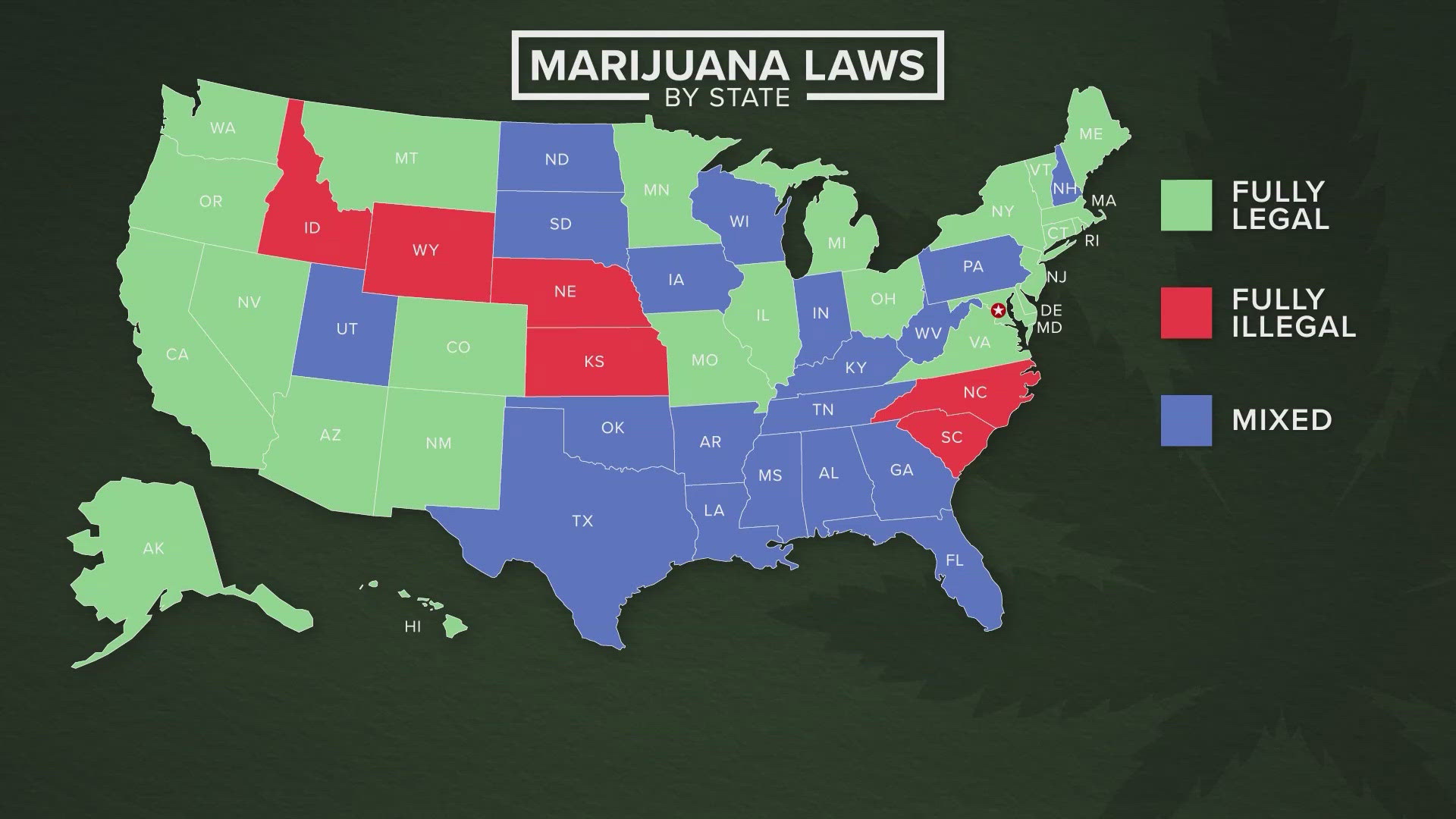
The Current Legal Landscape of Cannabis in Texas
Texas has a long-standing history of strict drug laws, and cannabis is no exception. While there have been incremental changes and ongoing discussions about reform, the state’s stance remains largely prohibitive, particularly concerning marijuana with significant THC content. For travelers accustomed to states where recreational cannabis is openly sold, the legal framework in Texas can be a stark contrast and requires careful attention. Understanding these regulations is paramount, whether you’re passing through for a brief visit to the NASA Johnson Space Center in Houston or planning an extended stay to explore the art installations of Marfa.
Marijuana: Penalties and Enforcement
In Texas, marijuana containing more than 0.3% Delta-9 THC (tetrahydrocannabinol) is classified as a Schedule I controlled substance. This means that possession, sale, cultivation, or distribution of marijuana is illegal and carries significant penalties. The severity of these penalties depends largely on the amount of marijuana involved:
- Possession of 2 ounces or less: This is typically a Class B misdemeanor, punishable by up to 180 days in jail and/or a fine of up to $2,000. For tourists, this could mean an immediate disruption to travel plans, potential detention, and a criminal record that could impact future travel.
- Possession of 2 to 4 ounces: This escalates to a Class A misdemeanor, with potential penalties of up to one year in jail and/or a fine of up to $4,000.
- Possession of 4 ounces to 5 pounds: This is a state jail felony, carrying a minimum of 180 days to two years in state jail and a fine of up to $10,000.
- Larger quantities: Possession of amounts exceeding 5 pounds, as well as cultivation or sale, can lead to much more severe felony charges, including lengthy prison sentences and hefty fines.
It’s important to note that even minor infractions can have serious implications beyond immediate legal consequences. A criminal record can affect employment, housing, and even the ability to travel internationally, particularly for non-United States citizens. When staying at a hotel or resort, any illegal activity, including cannabis possession, could lead to immediate eviction and further legal action. Many accommodations, like the luxurious Four Seasons Hotel Austin or the family-friendly Great Wolf Lodge Grapevine, have strict policies against illegal substances on their premises to ensure guest safety and compliance with state law. Therefore, when exploring landmarks like the San Antonio Riverwalk or attending events at AT&T Stadium (I’ll avoid this link as it wasn’t on my initial list and isn’t a city/country/landmark/hotel), it is crucial to remain vigilant and avoid any activities that could lead to legal trouble related to cannabis.
The Nuances of CBD and Hemp-Derived Products
While marijuana remains largely illegal, Texas has made significant strides in legalizing hemp and certain hemp-derived products, particularly after the passage of the 2018 Farm Bill at the federal level. In 2019, Texas followed suit by enacting House Bill 1325, which officially legalized the cultivation, processing, and sale of hemp.
The key distinction lies in the THC content. Hemp is defined as cannabis with less than 0.3% Delta-9 THC on a dry weight basis. Products derived from hemp, such as CBD (cannabidiol) oils, edibles, topicals, and tinctures, are legal in Texas as long as they adhere to this THC threshold. This means that visitors can find and purchase a variety of CBD products in health stores, pharmacies, and specialty shops across the state, from Houston’s Museum District to the charming boutiques of Fredericksburg.
However, the legal status of Delta-8 THC and other “novel” cannabinoids (like Delta-10, HHC) derived from hemp has been more contentious. While initially widely available due to perceived loopholes in the law, the Texas Department of Public Safety attempted to classify Delta-8 as a Schedule I controlled substance in 2021. This led to ongoing legal battles and a period of uncertainty. As of late 2023, while some retailers continue to sell Delta-8 products under injunctions or interpretations of the law, their legal status remains in a grey area and is subject to change. Travelers are strongly advised to exercise caution and thoroughly research the current legal standing of any specific cannabinoid product before purchasing or possessing it, especially if it’s not pure CBD isolate. When enjoying a luxurious stay at the Hotel ZaZa Dallas or exploring the unique shops in Austin’s South Congress Avenue, remember that ignorance of the law is not a defense.
Understanding Medical Cannabis in Texas
Texas has a medical cannabis program, but it is one of the most restrictive in the United States. Known as the Texas Compassionate Use Program (TCUP), it was established in 2015 and has been incrementally expanded since then. Initially, it only covered intractable epilepsy, but subsequent amendments have added conditions such as multiple sclerosis, spasticity, autism, terminal cancer, and certain neurological disorders.
However, a critical limitation of TCUP is that it primarily allows for low-THC cannabis products, specifically those with less than 0.5% THC by weight. This is a far cry from the full-spectrum medical marijuana programs found in many other states, which often permit higher THC strains, a wider range of qualifying conditions, and various consumption methods. In Texas, medical cannabis is typically prescribed in the form of oils or tinctures, not as smokable flower.
For travelers, this means that even if you possess a medical marijuana card from another state, it is not recognized in Texas. Visitors are subject to Texas state laws, and possessing medical marijuana from out-of-state can lead to the same penalties as recreational possession. This is a significant point of confusion for many, especially those who travel frequently to states with reciprocal medical cannabis laws. Therefore, if you are visiting Texas for business or pleasure, perhaps staying at the Omni Dallas Hotel for a conference or enjoying a family trip to Six Flags Over Texas, it is imperative to leave any cannabis products at home, even if medically prescribed elsewhere.
Decriminalization Efforts and Local Variations
While state law in Texas remains firm on cannabis prohibition for recreational use, several local jurisdictions have taken steps to implement more lenient enforcement policies, primarily through decriminalization efforts. These efforts typically aim to reduce the severe consequences of minor marijuana possession, often converting what would be a state misdemeanor into a non-arrestable offense or a low-priority citation.
City-Specific Approaches and “Cite and Release” Policies
Over the past few years, a number of Texas cities have adopted “cite and release” policies or similar local ordinances for minor marijuana possession (typically under 2 or 4 ounces). This means that instead of being arrested and booked into jail, individuals found with small amounts of marijuana may receive a citation and be released, akin to a traffic ticket. While still illegal and carrying potential fines and a court appearance, these policies significantly reduce the immediate impact on individuals by preventing an arrest and the associated criminal justice process.
Notable cities that have implemented such policies include:
- Austin: The capital city has been a leader in decriminalization, with voters approving a proposition in 2022 to essentially end arrests and fines for low-level marijuana possession.
- Dallas: The Dallas Police Department has a “cite and release” policy for misdemeanor marijuana offenses, aiming to save resources and reduce jail overcrowding.
- Houston: Similarly, Houston has implemented a “cite and release” program for small amounts of marijuana.
- San Antonio: While not a full decriminalization, San Antonio has a similar policy in place to issue citations rather than making arrests for minor possession.
- Other cities like El Paso, College Station, Denton, Killeen, and Plano have also adopted varying forms of “cite and release” or have local prosecutors who deprioritize marijuana possession cases.
It is crucial for travelers to understand that these local policies do not legalize marijuana. They simply change the enforcement mechanism. Marijuana remains illegal under state law, and even in cities with “cite and release” policies, law enforcement officers still have the discretion to arrest, especially if other offenses are involved or if they deem it necessary. Furthermore, these policies can vary greatly from one city to another, and even within different law enforcement agencies (e.g., city police versus county sheriffs versus state troopers).
For visitors exploring vibrant areas like Austin’s Sixth Street or Dallas’s Deep Ellum, it’s easy to be lulled into a false sense of security. Even if a local policy suggests a lesser consequence, a legal issue can still severely impact your travel experience, leading to fines, court appearances, and significant inconvenience. Always err on the side of caution and remember that state law still reigns supreme.
Navigating Texas as a Responsible Traveler
Exploring Texas is an adventure, offering everything from natural wonders like Palo Duro Canyon State Park and the Rio Grande to world-class museums, delicious BBQ, and thrilling sports events featuring teams like the Dallas Cowboys, Houston Astros, and Texas Rangers. To ensure your trip is memorable for all the right reasons, it’s essential to be a responsible traveler, especially concerning local laws and regulations. This applies not just to cannabis, but to all aspects of your journey, from respecting local customs to adhering to traffic laws.
What Travelers Need to Know About Cannabis Laws
The primary takeaway for any visitor to Texas regarding cannabis is simple: it is best to assume all forms of marijuana are illegal and avoid them entirely. Even if you come from a state or country where cannabis is legal, those laws do not apply once you cross into Texas borders. Here are some key points for travelers:
- No Recreational Use: Recreational marijuana is illegal throughout Texas. Do not purchase, possess, or consume it.
- Medical Cards Not Recognized: Your medical marijuana card from another state has no legal standing in Texas. Leave your medical cannabis products at home.
- CBD is Legal (with caution): Hemp-derived CBD products with less than 0.3% Delta-9 THC are legal. You can generally buy and use these without issue. However, be cautious with Delta-8 THC or other novel cannabinoids, as their legal status is ambiguous and could lead to complications.
- No Public Consumption: Even in areas with “cite and release” policies, public consumption of cannabis is generally not tolerated and can lead to legal issues.
- Hotels and Accommodations: Hotels, resorts, and vacation rentals typically have strict no-smoking policies, and these extend to cannabis. Using cannabis on their property, even if you believe it falls under a decriminalized category, can lead to eviction and other penalties.
- Crossing State Lines/Airports: Never attempt to bring cannabis across state lines into Texas or through airports. Federal law prohibits cannabis transport across state lines and on airplanes, regardless of state laws.
When planning your accommodation, whether it’s a chic hotel in Fort Worth or a rustic cabin near Caddo Lake, always check their specific policies. While the focus on this site is usually on luxury stays, family resorts, or budget-friendly options, understanding the legal environment adds another layer to ensuring a comfortable and worry-free experience.
Avoiding Legal Pitfalls During Your Texas Trip
To ensure your travel experience in Texas remains positive and free from legal troubles related to cannabis, consider the following practical advice:
- Do Not Bring Cannabis into Texas: This is the most crucial piece of advice. Do not transport any marijuana or high-THC products into the state, whether by car, bus, or plane. This includes edibles, vapes, and flower.
- Avoid Purchasing Illicit Products: Do not buy cannabis from unlicensed sources. This exposes you to legal risks and potentially unsafe products.
- Be Mindful of Odor: The distinctive smell of cannabis can attract unwanted attention from law enforcement. Even if you believe you only possess legal CBD products, avoid creating a situation where confusion could arise.
- Do Not Drive Under the Influence: Driving under the influence of any intoxicating substance, including cannabis, is illegal and extremely dangerous, carrying severe penalties.
- Stay Informed: While this article provides current information, laws can change. Before your trip, do a quick check for any recent updates on Texas cannabis laws.
- Focus on Texas’s Legal Delights: Instead of seeking out cannabis, immerse yourself in the incredible, legal experiences Texas has to offer. Enjoy a BBQ tour in Austin, explore the State Capitol, go stargazing at the McDonald Observatory, or enjoy the vibrant nightlife of Houston and Dallas – all without the risk of legal complications.
By exercising caution and respecting Texas laws, you can fully enjoy the diverse destinations, attractions, and unique lifestyle experiences that make the Lone Star State a premier travel destination.
The Future of Cannabis in the Lone Star State
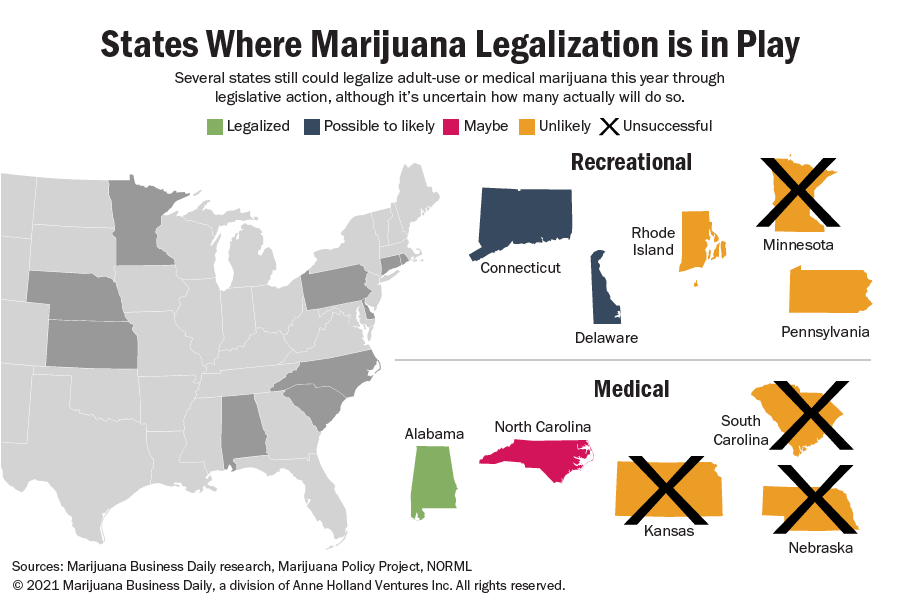
The discussion around cannabis legalization in Texas is far from over. Despite its conservative stance, there is growing public support for cannabis reform, driven by shifts in national opinion, the economic benefits seen in other states, and the desire for criminal justice reform. Legislative sessions in Austin regularly see bills introduced to expand the medical cannabis program, decriminalize recreational use, or even move towards full legalization.
Advocacy groups continue to push for change, highlighting the potential tax revenues, job creation, and the disproportionate impact of current laws on certain communities. While progress has been slow, the trend towards greater cannabis acceptance across the United States suggests that Texas may eventually move towards more liberal cannabis policies. However, the exact timeline and scope of future reforms remain uncertain.
For now, and for the foreseeable future, travelers planning their adventures, from exploring the natural beauty of Guadalupe Mountains National Park to indulging in the culinary delights of Houston, must operate under the current legal framework. The responsible approach is to remain aware of and adhere to existing laws. As cannabis laws continue to evolve both federally and at the state level, staying informed will be key for residents and visitors alike, ensuring that your experience in the Lone Star State is as smooth and enjoyable as possible. Until such a time as Texas fully embraces recreational cannabis, the best policy for travelers is always caution and compliance.
LifeOutOfTheBox is a participant in the Amazon Services LLC Associates Program, an affiliate advertising program designed to provide a means for sites to earn advertising fees by advertising and linking to Amazon.com. Amazon, the Amazon logo, AmazonSupply, and the AmazonSupply logo are trademarks of Amazon.com, Inc. or its affiliates. As an Amazon Associate we earn affiliate commissions from qualifying purchases.