
For travelers planning a visit to the expansive and diverse Lone Star State, understanding the local laws and regulations is paramount to ensure a smooth, enjoyable, and trouble-free experience. Among the many questions visitors might have, the legality of cannabis, often referred to as “weed,” frequently arises, especially given the evolving legal landscape across the United States. When it comes to Texas, the answer to “Is weed legal?” is nuanced, complex, and crucially, different from many other states that have embraced full recreational or even broad medical cannabis programs. For anyone traveling through Texas, whether for a bustling city break in Houston or Dallas, a quirky cultural exploration in Austin, or a serene escape to Big Bend National Park, knowing these distinctions is essential for a worry-free trip.
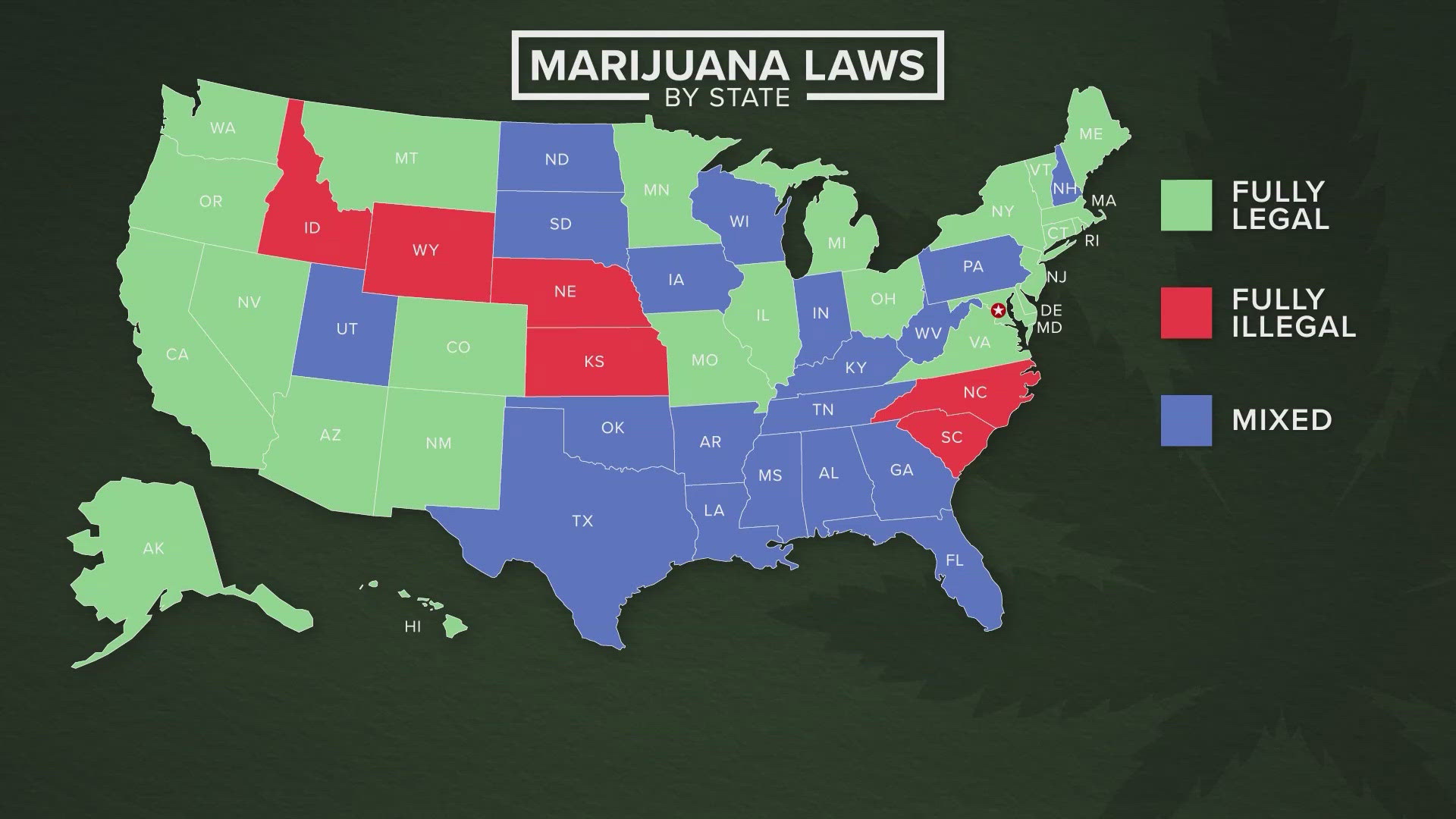
The state of Texas maintains some of the most stringent cannabis laws in the nation. Unlike states such as Colorado or California, recreational marijuana remains largely illegal across Texas. This strict stance can often catch unsuspecting travelers off guard, particularly those accustomed to more lenient cannabis policies elsewhere. The implications for tourists extend beyond simply avoiding legal trouble; they touch upon choices regarding accommodation, activities, and overall travel lifestyle within the state. As you pack your bags for a Texas adventure, understanding the specific legal framework surrounding cannabis is just as important as knowing where to find the best barbecue or the most iconic landmarks. This guide aims to demystify Texas’s cannabis laws, offering practical advice for travelers to ensure their journey through the state is memorable for all the right reasons.
Navigating Cannabis Laws for Travelers in Texas
Understanding the legalities of cannabis in Texas requires a clear distinction between state law, federal law, and local ordinances, as well as a critical understanding of the different types of cannabis products. For travelers, this can feel like navigating a maze, but clarity is key to avoiding potential legal complications that could derail an otherwise fantastic vacation.
The Current Legal Landscape: State vs. Local Ordinances
At the state level, marijuana remains illegal for recreational use in Texas. Possession of even small amounts can lead to significant penalties, ranging from misdemeanor charges with fines and potential jail time to felony charges for larger quantities or intent to distribute. The Texas Department of Public Safety rigorously enforces these laws, and ignorance of the law is never an acceptable defense. This uniform state policy means that, regardless of where you are in Texas – from the bustling streets of San Antonio to the quiet beaches of South Padre Island – recreational marijuana use and possession are prohibited.
However, the picture becomes slightly more nuanced when considering local ordinances. In recent years, several major Texas cities have adopted “cite and release” or “deflection” policies for low-level marijuana possession. Cities like Austin, Dallas, Houston, El Paso, San Antonio, and Denton have implemented measures that, in some cases, allow law enforcement officers to issue a citation for small amounts of marijuana (typically under 2 or 4 ounces) instead of making an arrest. Some policies even direct officers not to spend resources on such cases if the individual is not committing other crimes. While these local policies may seem to decriminalize marijuana, it is crucial to understand that they do not change state law. Marijuana possession is still illegal; these policies merely alter how local law enforcement chooses to handle certain offenses. Travelers should not misinterpret these local initiatives as a sign of legalization or permission to use cannabis. A citation still carries legal consequences, and an officer always retains the discretion to make an arrest based on the specific circumstances. This patchwork approach means that while you might face a lighter immediate consequence in Austin, crossing into a neighboring county or city without such an ordinance could lead to a full arrest and prosecution.
Understanding the Difference: Marijuana vs. Hemp/CBD
A significant area of confusion for many travelers, particularly since the 2018 federal Farm Bill, is the distinction between marijuana and hemp-derived products, such as CBD. This federal legislation legalized hemp by removing it from the definition of marijuana, provided it contains less than 0.3% Delta-9 THC (tetrahydrocannabinol), the psychoactive compound in cannabis. Texas followed suit, aligning its state laws with the federal definition.
This means that products derived from hemp, including CBD oils, edibles, and topical creams, are legal to possess and sell in Texas, provided they meet the stringent 0.3% THC threshold. You will find numerous shops and pharmacies selling these products across the state, from specialized wellness stores in Fort Worth to health food aisles in Waco. However, the critical caveat for travelers is that law enforcement officers, when encountering a cannabis-like substance, may not be able to immediately distinguish between legal hemp and illegal marijuana without laboratory testing. This can still lead to temporary detainment or even arrest until the substance’s THC content is verified. Furthermore, the market has seen a rise in “Delta-8 THC” products, which are derived from hemp but can produce psychoactive effects. While Texas initially moved to ban Delta-8 products, a series of legal challenges have left its status in a grey area, with products often available for purchase. Travelers are strongly advised to exercise extreme caution with any product that promises a “high,” as its legality could be contested, leading to legal issues. Sticking to well-established CBD products with verified lab results showing less than 0.3% Delta-9 THC is the safest approach.
Medical Cannabis in the Lone Star State
Texas does have a medical cannabis program, known as the Texas Compassionate Use Program (TCUP), but it is one of the most restrictive in the nation. Unlike states with broad medical marijuana programs that cover a wide range of conditions and allow access to higher THC products, TCUP is limited to specific debilitating medical conditions and primarily allows for low-THC cannabis products (up to 0.5% THC by weight). Qualifying conditions typically include epilepsy, multiple sclerosis, spasticity, autism, terminal cancer, and certain neurological disorders.
Crucially for travelers, TCUP does not offer reciprocity with medical marijuana cards from other states. This means that if you possess a medical marijuana card from California or Nevada, it holds no legal standing in Texas. Bringing cannabis across state lines, even if you have a valid medical card in your home state, is a federal offense and is also illegal under Texas state law. This is a common pitfall for medical patients, and it’s imperative to understand that your out-of-state medical status provides no protection within Texas borders. Visitors requiring medical relief should consult with a Texas-licensed physician to understand if they qualify for TCUP and to explore legal alternatives, such as hemp-derived CBD products.
Potential Pitfalls for Tourists and Visitors
For travelers, the complexities of Texas’s cannabis laws translate into several significant risks if not properly understood and respected. From legal repercussions to unexpected issues with accommodation, being aware of these potential pitfalls is crucial for a stress-free travel experience.
Consequences of Possession and Use
The penalties for marijuana possession in Texas are severe and can vary significantly based on the amount. Possession of two ounces or less is generally a Class B misdemeanor, punishable by up to 180 days in jail and a fine of up to $2,000. While some cities may issue a citation, the underlying illegality and potential for arrest remain. As the quantity increases, so do the penalties, quickly escalating to felony charges that carry years in state prison and substantial fines.
Beyond possession, actual use in public places is highly discouraged and illegal. Even in cities with relaxed enforcement policies for small amounts, public consumption is still a criminal offense. This includes parks, beaches like those in Galveston, near landmarks such as The Alamo, or even just walking down a bustling street like Austin’s Sixth Street. Such activities can lead to public intoxication charges in addition to drug possession, further complicating a legal situation. For tourists, a run-in with the law can lead to immediate arrest, impoundment of vehicles, costly legal fees, court appearances, and potentially a criminal record that could affect future travel or employment. This is a severe disruption to any vacation, turning an exciting trip into a stressful ordeal.
Hotel Policies and Accommodation Considerations
When choosing accommodation in Texas, travelers accustomed to more permissive cannabis laws in their home states or other destinations need to be particularly mindful of hotel policies. Even if cannabis were legal for recreational use, most hotels, resorts, and vacation rentals have strict “no smoking” policies, often extending to vaping. These policies are in place for various reasons, including fire safety, guest comfort, and property damage prevention. Many establishments enforce these rules rigorously, and violations can result in hefty cleaning fees, often hundreds of dollars, charged to your room.
Beyond smoking, the possession or consumption of cannabis, even non-smoked forms like edibles or oils, is typically prohibited on hotel property, regardless of its legal status (or lack thereof) in Texas. Hotels, whether independent boutiques or major chains, have the right to set their own rules to maintain a safe and comfortable environment for all guests. If hotel staff detect the smell of cannabis or discover it in your room, they have the right to ask you to leave the premises, often without a refund. In more serious cases, especially if state laws are being violated, they may contact local law enforcement. For travelers using platforms like Airbnb or Vrbo for longer stays or unique experiences, it’s crucial to check the specific house rules of each listing. Property owners have absolute discretion to forbid cannabis on their premises, and violating these rules can lead to immediate eviction and negative reviews, impacting future bookings. Always assume that cannabis use or possession is prohibited in your accommodation unless explicitly stated otherwise by the establishment, and even then, remember state law prevails.
Driving Under the Influence: A Serious Offense
Driving under the influence of any impairing substance, including marijuana, is strictly illegal in Texas and carries severe penalties. Similar to alcohol, operating a vehicle while impaired by cannabis can lead to charges of Driving While Intoxicated (DWI). These charges can result in immediate arrest, suspension of your driver’s license (even if it’s from out-of-state), significant fines, mandatory jail time, and increased insurance rates. For tourists, a DWI conviction can have long-lasting consequences, impacting future travel plans and professional opportunities.
Unlike alcohol, where a specific blood alcohol content (BAC) provides a clear legal threshold, determining cannabis impairment can be more complex due to varying individual tolerances and the lingering presence of THC in the body. However, Texas law broadly prohibits driving if your mental or physical faculties are impaired by any amount of a drug. Law enforcement officers are trained to identify signs of impairment, and refusal to submit to field sobriety tests or blood tests can lead to automatic license suspension and other penalties. The safest and only legal advice is never to drive after consuming cannabis or any other impairing substance. If you are exploring Texas cities or heading to attractions, plan alternative transportation like ride-sharing services, taxis, or designated drivers. Your safety and the safety of others on the road are paramount.
Exploring Texas Responsibly: Travel Tips and Lifestyle Choices
Traveling through Texas offers an incredible array of experiences, from its vibrant cities to its stunning natural landscapes. To ensure your trip is memorable for all the right reasons, adopting a responsible approach to travel, especially concerning cannabis laws, is paramount.
Staying Informed in Major Texas Cities
While the general rule throughout Texas is that recreational marijuana is illegal, awareness of local nuances in major urban centers can be beneficial. Cities like Austin, known for its “Keep Austin Weird” ethos and vibrant music scene, have passed local ordinances aiming to reduce arrests for low-level possession. Similarly, Dallas, a hub for business and culture, and Houston, a sprawling metropolis with the NASA Johnson Space Center, have explored or implemented similar “cite and release” or “deflection” policies. San Antonio, home to the historic River Walk and The Alamo, has also adopted strategies to minimize arrests for small amounts.
However, it is critical to reiterate that these local policies do not equate to legalization. They are discretionary enforcement guidelines for local police departments and do not override state law. A visitor could still be arrested, face a fine, or deal with legal repercussions, especially if other offenses are involved or if a state agency, such as the Texas Rangers, becomes involved. Travelers should never assume that because a city has a more lenient local policy, cannabis use is permissible. The safest and most legally sound approach for any visitor to Texas is to abstain entirely from possessing or using recreational marijuana. If you are unsure about the specifics of a particular city or county, consulting local government websites or legal resources is advisable, but the general rule of thumb for visitors should always be caution.
Prioritizing Safety and Legal Compliance
For an enjoyable and worry-free vacation, prioritizing safety and legal compliance should be at the top of every traveler’s list. When it comes to cannabis, this means making informed decisions and avoiding situations that could lead to legal trouble. Familiarize yourself with all state and local laws before your trip. Avoid purchasing or consuming cannabis products from unregulated sources, as these may contain illegal levels of THC or harmful contaminants. If you choose to use legal hemp-derived CBD products, ensure they come from reputable vendors with accessible lab testing results verifying their THC content is below 0.3%. Keep these products in their original packaging to demonstrate their legality if questioned.
Remember that federal law still classifies marijuana as an illegal Schedule I controlled substance. This means that transporting any marijuana product across state lines, even between two states where it is legal, is a federal crime. Flying with cannabis, even through airports in Texas cities like Dallas/Fort Worth International Airport or George Bush Intercontinental Airport in Houston, is prohibited and can lead to federal charges. By adhering to these guidelines, you can significantly reduce your risk of legal issues and ensure your focus remains on experiencing the best of what Texas has to offer.
Enjoying Texas Landmarks and Attractions Legally
Texas boasts an incredible array of attractions and landmarks that cater to every interest, from historical sites to vibrant entertainment districts and breathtaking natural wonders. Enjoying these experiences legally and responsibly means respecting local laws and the environments you visit. Whether you’re exploring the historic missions of San Antonio, marveling at the State Capitol in Austin, wandering through the Dallas Arts District, or enjoying the family-friendly attractions in Grapevine, your conduct should always be in line with state laws.
Public consumption of cannabis is illegal and socially unacceptable in Texas. This includes all public spaces, federal lands (such as Big Bend National Park), state parks, beaches, and event venues. Even if you mistakenly believe a local ordinance offers leniency, consuming cannabis in view of the public or near families is inappropriate and can lead to police intervention. Instead, immerse yourself in the rich culture, diverse cuisine, and unique activities that Texas provides. Indulge in authentic Texas BBQ, explore the vibrant music scenes, or simply relax by the coast in Corpus Christi. Texas offers an abundance of enriching experiences that do not involve cannabis. By staying informed and making responsible choices, travelers can fully embrace the spirit of the Lone Star State and create lasting memories without legal complications. Your journey through Texas should be an adventure filled with discovery and enjoyment, free from the worries that come with legal infringements.
LifeOutOfTheBox is a participant in the Amazon Services LLC Associates Program, an affiliate advertising program designed to provide a means for sites to earn advertising fees by advertising and linking to Amazon.com. Amazon, the Amazon logo, AmazonSupply, and the AmazonSupply logo are trademarks of Amazon.com, Inc. or its affiliates. As an Amazon Associate we earn affiliate commissions from qualifying purchases.