
Texas, a state steeped in tradition and known for its sprawling landscapes and independent spirit, presents a complex and evolving picture when it comes to cannabis. For travelers and residents alike, the question of whether weed is recreational in Texas is a nuanced one, with legal frameworks that are still catching up to shifting public perceptions. Understanding these nuances is crucial for anyone planning a trip or considering their options within the Lone Star State. This exploration delves into the current legal status, the burgeoning medical program, and what this means for visitors interested in cannabis culture.

The Current Legal Landscape of Cannabis in Texas
Texas has historically maintained some of the strictest drug laws in the United States. However, in recent years, there has been a gradual, albeit slow, movement towards reform. The journey from complete prohibition to limited access has been marked by legislative action and a growing public discourse. For those considering Texas as a travel destination, or for those living within its borders, grasping the distinctions between medical and recreational cannabis is paramount.
Decriminalization vs. Legalization: A Critical Distinction
It’s vital to differentiate between decriminalization and legalization. Decriminalization typically means that possession of small amounts of cannabis is treated as a minor civil infraction, similar to a parking ticket, rather than a criminal offense. This can result in fines but avoids the severe penalties associated with a criminal record, such as arrest, jail time, and a permanent criminal record. Legalization, on the other hand, allows for the regulated sale and possession of cannabis for recreational purposes, with specific age restrictions and tax structures in place, similar to alcohol.
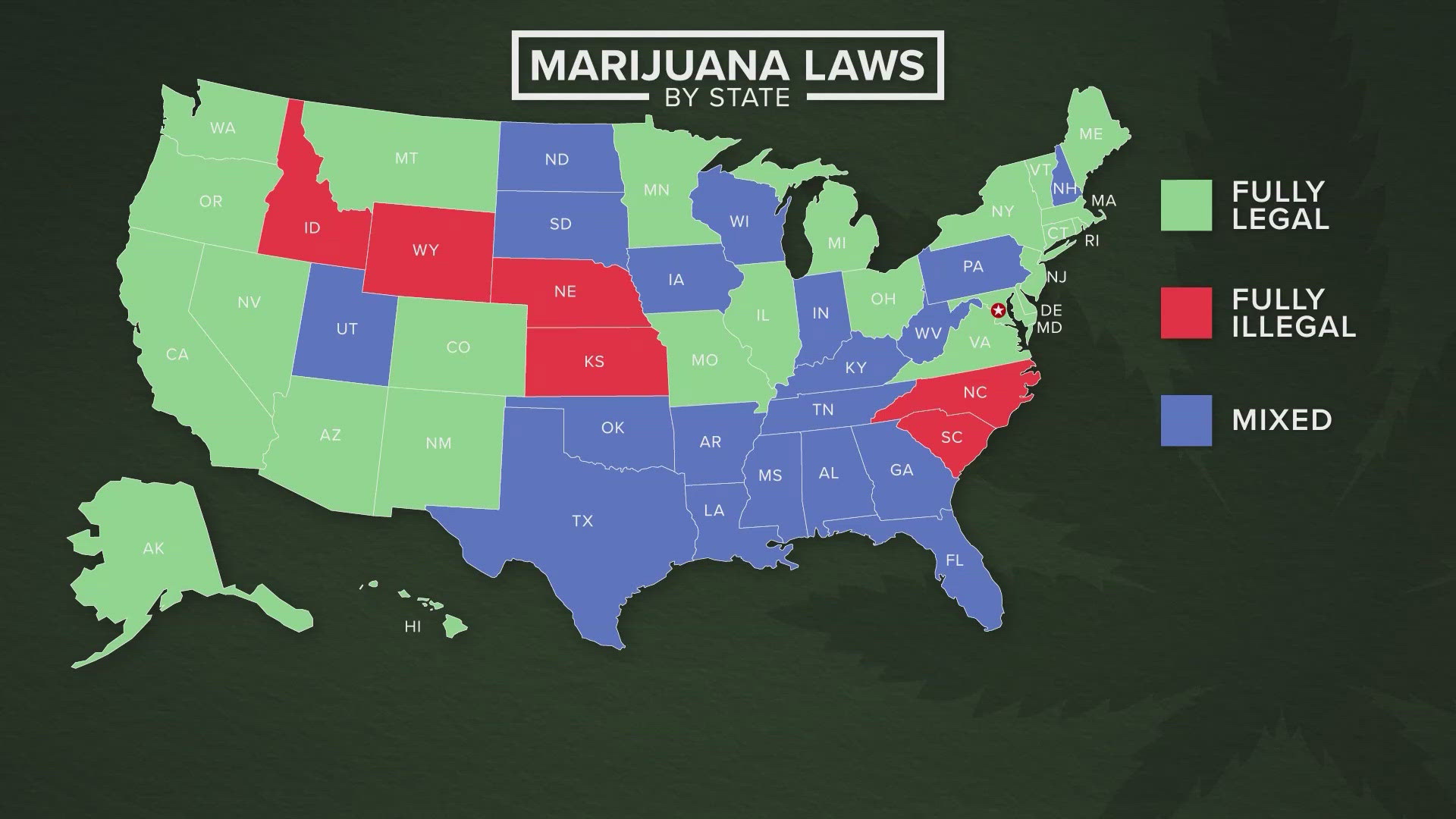
In Texas, the situation leans more towards decriminalization in some urban areas through local ordinances, rather than statewide legalization. While state law still technically prohibits recreational use, many major cities like Austin, Houston, Dallas, and San Antonio have passed measures that reduce the enforcement of low-level marijuana possession charges. These local policies mean that while it remains illegal under state law, the likelihood of facing serious consequences for possessing a small amount may be reduced in these specific municipalities. However, this is not a guarantee, and travelers should exercise extreme caution. Law enforcement officers can still issue citations or make arrests based on state statutes. This patchwork of local enforcement and state law creates a confusing environment, particularly for those accustomed to states where recreational cannabis is fully legal.
What State Law Says About Recreational Use
As of the latest legislative sessions, Texas has not legalized recreational marijuana. Possession of any amount of marijuana that is not part of the state’s medical program can lead to arrest and criminal charges. The penalties vary significantly based on the quantity of marijuana found. For instance, possession of less than two ounces can be a Class B misdemeanor, carrying a potential jail sentence of up to 180 days and a fine of up to $2,000. Possession of larger quantities can escalate to felony charges, with much more severe consequences.
This strict adherence to state law means that even in cities with decriminalization ordinances, travelers are still at risk if they possess cannabis outside of the very narrow medical allowances. The Texas Department of Public Safety maintains a clear stance against recreational marijuana. Therefore, while the atmosphere in some Texas cities might feel more relaxed regarding cannabis, the legal framework remains prohibitive for recreational use.
Texas’s Compassionate Use Program: A Medical Pathway
While recreational marijuana remains out of reach in Texas, the state has established a medical cannabis program, known as the Texas Compassionate Use Program (TCUP). This program offers a lifeline for specific patients suffering from qualifying medical conditions. It represents a significant step forward from complete prohibition, albeit a highly regulated one.
Qualifying Conditions and Access
TCUP allows patients with certain debilitating medical conditions to obtain low-THC cannabis. Initially, the program was very restrictive, covering only epilepsy and other seizure disorders. Over time, legislative updates have expanded the list of qualifying conditions to include:
- Spasticity
- Multiple Sclerosis
- Autism
- Terminal Cancer
- Incurable Neurological Disease
- Post-Traumatic Stress Disorder (PTSD)
It is important to note that “low-THC” is a key term here. The cannabis available through TCUP must contain no more than 0.5% tetrahydrocannabinol (THC) by weight and must have at least 10% cannabidiol (CBD) by weight. This focus on CBD and low THC content means that the products available under TCUP are not intended for the psychoactive effects typically associated with recreational marijuana. They are designed to offer therapeutic benefits for conditions like chronic pain, inflammation, and seizure control.
Obtaining Medical Cannabis in Texas
To access low-THC cannabis in Texas, patients must be evaluated by a physician registered with the Compassionate Use Registry of Texas (CURT). This physician must diagnose the patient with a qualifying condition. Once the physician enters the prescription into the CURT system, the patient can then purchase the prescribed low-THC cannabis products from one of the licensed dispensing organizations in Texas. Currently, Texas has a limited number of these licensed dispensaries, ensuring a highly controlled supply chain.
For individuals traveling to Texas who rely on medical cannabis, it’s crucial to understand that their out-of-state medical marijuana card is not valid in Texas. They would need to establish residency or consult with a Texas-licensed physician to see if they qualify for TCUP. This restriction further emphasizes the controlled nature of cannabis access in the state.
Implications for Travelers and Lifestyle Choices
The legal status of cannabis in Texas has significant implications for travelers, influencing where they might choose to stay, what activities they can engage in, and their overall lifestyle choices while visiting. The distinction between state law and local enforcement, coupled with the limited medical program, creates a unique environment.
Navigating Texas with Cannabis Laws in Mind
For visitors, the primary takeaway is to err on the side of extreme caution. Possessing or consuming marijuana for recreational purposes anywhere in Texas can lead to serious legal trouble, regardless of any local decriminalization efforts. This means:
- No Public Consumption: Consumption of cannabis, even if legally obtained for medical purposes, is generally prohibited in public spaces. This includes parks, streets, and any area accessible to the public.
- Accommodation Rules: Most hotels, including luxury resorts like the Ritz-Carlton Dallas or budget-friendly options like La Quinta Inn & Suites, have strict no-smoking policies that apply to cannabis. Violating these policies can result in significant fines or eviction.
- Driving Under the Influence: Driving under the influence of cannabis is illegal in Texas, just as it is with alcohol. Law enforcement is vigilant, and the penalties for DUI are severe.
- Federal Lands: It’s also important to remember that cannabis remains illegal under federal law. This applies to national parks and federal buildings within Texas.
Travelers seeking cannabis-friendly destinations might find Texas to be a challenging locale. While the state offers world-class attractions, from the historic Alamo in San Antonio to the vibrant music scene in Austin, the legal restrictions on marijuana must be respected.
The Rise of CBD and Alternative Experiences
In the absence of widespread recreational cannabis legalization, Texas has seen a rise in the popularity of CBD products. These products, derived from hemp and containing less than 0.3% THC, are legal at the federal level and are widely available across the state. You can find CBD tinctures, edibles, topicals, and vape pens in numerous shops, from specialized dispensaries to health food stores and even some boutiques. This allows individuals to explore the potential wellness benefits of cannabinoids without violating state law.
This trend has also influenced the tourism and hospitality sectors. Some businesses are catering to a wellness-focused clientele, offering experiences that incorporate CBD products as part of a broader lifestyle approach. This could include spa treatments using CBD-infused oils or wellness retreats that emphasize relaxation and holistic health. While not directly related to recreational cannabis, it reflects a growing interest in plant-based wellness and alternative therapies.
For those planning a trip to Texas, whether for business or leisure, and are interested in accommodations, exploring options from luxury suites in downtown Houston to charming villas in the Hill Country can provide a fantastic experience. The key is to remain informed about the local laws and regulations concerning substances like cannabis. The current legal status makes Texas a destination where travelers must be mindful and adhere strictly to the existing laws to ensure a smooth and enjoyable visit. The future of cannabis in Texas is a topic of ongoing debate, and legislative changes could alter the landscape in the years to come. However, for now, recreational use remains prohibited.
LifeOutOfTheBox is a participant in the Amazon Services LLC Associates Program, an affiliate advertising program designed to provide a means for sites to earn advertising fees by advertising and linking to Amazon.com. Amazon, the Amazon logo, AmazonSupply, and the AmazonSupply logo are trademarks of Amazon.com, Inc. or its affiliates. As an Amazon Associate we earn affiliate commissions from qualifying purchases.