
Navigating the complex legal landscape surrounding cannabis can be a challenge for travelers, especially when planning a trip to a new destination. The Sunshine State, with its allure of pristine beaches, vibrant cities, and world-class attractions, often prompts visitors to inquire about local marijuana laws. Understanding these regulations is paramount to ensuring a smooth, enjoyable, and legally compliant journey. This comprehensive guide will delve into the current status of cannabis in Florida, providing essential insights for travelers looking to explore this popular American state without encountering unexpected legal issues.
Navigating Cannabis Laws in the Sunshine State
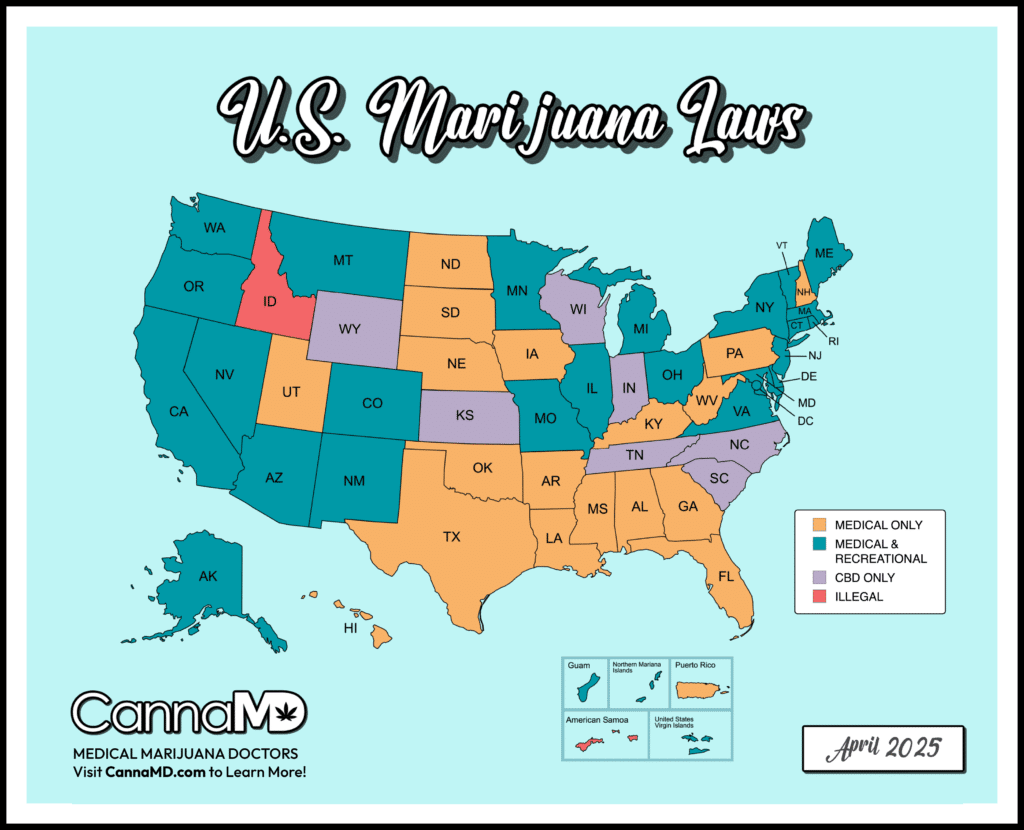
Florida’s stance on cannabis has evolved significantly over the past decade, moving from strict prohibition to a robust medical marijuana program. However, the distinction between medical and recreational use remains critical, particularly for visitors. As of now, recreational marijuana is not legal in Florida. This means that possessing, purchasing, or consuming cannabis for non-medical purposes carries legal penalties, which can range from fines to jail time, depending on the amount and specific circumstances. For travelers, this is the most crucial piece of information to grasp before arriving.

The state’s approach reflects a broader national trend where individual states are grappling with cannabis reform while federal law still classifies marijuana as an illegal Schedule I controlled substance. This dichotomy creates a unique set of challenges and considerations, particularly for those crossing state lines or flying into Florida. The legal framework is dynamic, with ongoing legislative efforts and ballot initiatives frequently reshaping the conversation around cannabis access. Staying informed about the most current laws is therefore essential for any responsible traveler.
The Current Legal Status: A Clear Distinction
To reiterate, recreational cannabis remains illegal in Florida. This applies to all forms of cannabis, including flower, edibles, concentrates, and vapes, if possessed without a valid Florida medical marijuana card. The state treats unauthorized possession seriously. Small amounts, typically less than 20 grams, are generally classified as a misdemeanor, punishable by up to one year in jail and a $1,000 fine. Possession of larger quantities or intent to distribute can lead to felony charges with much more severe penalties.
This strict stance contrasts with a growing number of states that have legalized recreational cannabis. Therefore, travelers coming from states where recreational marijuana is legal must be particularly mindful of Florida’s differing laws. Ignorance of the law is not a valid defense, and visitors are expected to adhere to local statutes regardless of where they reside or what their home state’s laws permit. Law enforcement in cities like Miami, Orlando, and Tampa generally enforce these regulations consistently, ensuring that visitors understand the boundaries.
Federal Law vs. State Law: A Traveler’s Dilemma
Beyond state-level prohibitions, travelers must also contend with federal law. Despite the medical marijuana program in Florida, and even in states where recreational use is legal, cannabis remains illegal under federal law. This has significant implications for travel, especially air travel. The Transportation Security Administration (TSA), while primarily focused on security threats, will refer any discovered cannabis to local law enforcement if found during security screenings. Similarly, the Drug Enforcement Administration (DEA) operates under federal statutes, meaning that crossing state lines with cannabis, even between two states where it’s legal, technically violates federal law. This creates a precarious situation for any traveler attempting to transport cannabis. It is strongly advised to avoid traveling with cannabis, regardless of its legal status in your origin or destination state, to prevent federal complications.
Medical Marijuana in Florida: What Travelers Need to Know
While recreational cannabis is off-limits, Florida has a well-established medical marijuana program that allows qualified patients to legally access cannabis for therapeutic purposes. This program, enshrined in the state constitution by voters in 2016, offers a lifeline for residents suffering from specific debilitating conditions. However, for most travelers, accessing this program presents significant hurdles.
Eligibility and Obtaining a Medical Marijuana Card
To qualify for a medical marijuana card in Florida, an individual must be diagnosed with one of the state’s qualifying conditions by a Florida licensed physician. These conditions include cancer, epilepsy, glaucoma, HIV/AIDS, PTSD, ALS, Crohn’s disease, Parkinson’s disease, multiple sclerosis, and other comparable debilitating medical conditions. The process involves an in-person examination by a certified physician, followed by registration with the Florida Department of Health‘s Medical Marijuana Use Registry.
The primary challenge for travelers is the residency requirement. Generally, only Florida residents are eligible to receive a medical marijuana card. While there are some narrow exceptions for seasonal residents who reside in Florida for at least 31 consecutive days and provide proof of temporary residency (e.g., utility bills, mail), these exceptions are typically not practical for short-term tourists or business travelers. Attempting to obtain a card for a brief visit is usually not feasible due to the time and documentation required.
Dispensaries and Products for Registered Patients
For those who are validly registered Florida medical marijuana patients, the state offers a network of licensed dispensaries where a variety of cannabis products can be purchased. These dispensaries are regulated by the Department of Health and provide products such as smokable flower, edibles, oils, tinctures, vapes, and topicals. Patients must present their medical marijuana use registry card to purchase products.
It’s important to note that even for registered patients, there are regulations regarding possession limits and where cannabis can be consumed. Public consumption of medical marijuana is generally prohibited, and its use is typically restricted to private residences or properties where it is explicitly permitted. Traveling with medical marijuana, even within Florida, requires adherence to these rules, and crossing state lines with it remains a federal offense.
Recreational Cannabis: The Path Ahead and Its Implications for Visitors
While recreational cannabis is currently illegal, the conversation around its potential legalization in Florida is ongoing and gaining momentum. This is a crucial area for travelers to monitor, as future changes could significantly alter the landscape.
Future Legalization Efforts: Amendment 3
A significant development for 2024 is the presence of Amendment 3 on the ballot. This citizen-initiated constitutional amendment, if approved by 60% of Florida voters, would legalize recreational marijuana for adults 21 and older. If passed, it would permit existing licensed medical marijuana treatment centers to sell cannabis products to adults, and the Department of Health would be tasked with regulating the industry.
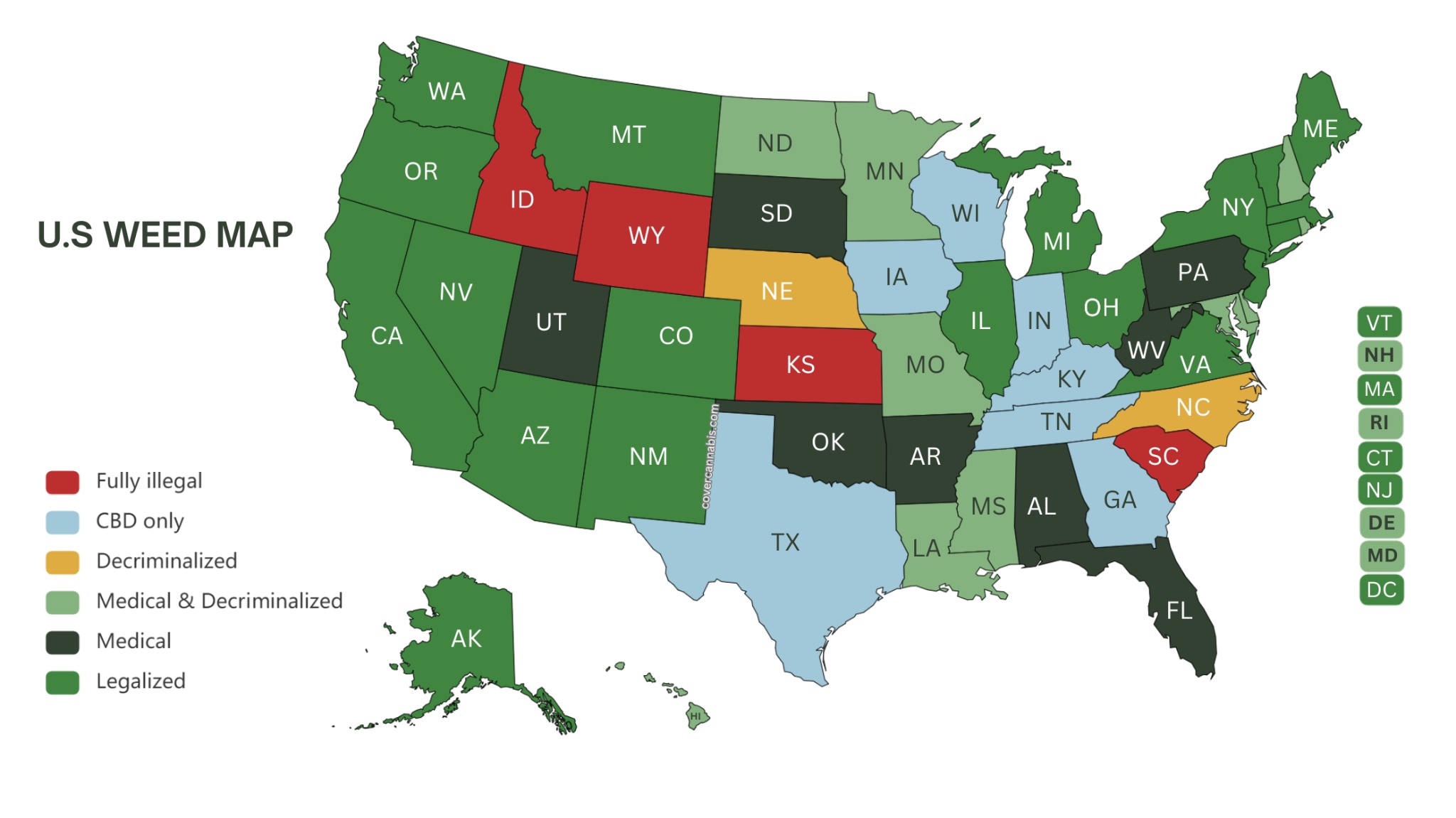
Should Amendment 3 pass, the implementation process would likely take several months, if not longer, to establish the necessary regulations, licensing frameworks, and retail infrastructure. Therefore, even if passed, recreational sales would not begin immediately. Travelers should not anticipate instant access to recreational cannabis upon a successful ballot measure. Furthermore, even with state legalization, federal prohibition would still apply, impacting interstate travel and certain federal properties within Florida.
What Legalization Could Mean for Tourism
The legalization of recreational cannabis in other states has often led to a new facet of tourism, sometimes referred to as “cannabis tourism.” Visitors are drawn to destinations where they can legally purchase and consume cannabis products. If Florida were to legalize recreational marijuana, it could potentially open up new avenues for its tourism industry, particularly in popular destinations like Miami, Orlando, and Key West.
However, specific regulations on public consumption, designated consumption areas, and limitations on purchasing by non-residents would be critical details that would shape the experience for travelers. It’s likely that, similar to alcohol, there would be restrictions on where cannabis can be consumed (e.g., no public consumption) and strict penalties for impaired driving. Travelers should always anticipate that even in a legalized market, responsible and lawful consumption will be paramount. Until such changes occur, the current prohibition on recreational use remains the definitive rule for all visitors.
Consequences for Travelers: Don’t Get Caught Off Guard
For travelers, understanding the legal ramifications of cannabis possession in Florida is crucial. A simple misunderstanding of the law can lead to significant disruptions to a vacation and long-term legal problems.
Penalties for Possession
As mentioned, possessing even small amounts of recreational cannabis in Florida without a valid medical card is a misdemeanor. While many cities, like Miami or Orlando, have introduced “civil citation” programs for minor marijuana offenses, offering fines instead of arrests, this is at the discretion of law enforcement. There is no guarantee that a traveler will receive a civil citation over an arrest, especially if there are other contributing factors or if the officer chooses to enforce the stricter misdemeanor statute.
An arrest, even for a minor offense, can lead to:
- Immediate detention: Leading to missed flights, hotel reservations, and disruption of travel plans.
- Bail requirements: Which can be costly and difficult to arrange from out of state.
- Court appearances: Potentially requiring return trips to Florida at a later date.
- A criminal record: Which can impact future travel, employment, and professional licenses.
- Driving Under the Influence (DUI): Operating a vehicle under the influence of cannabis, even if medically prescribed, is illegal and carries severe penalties, including fines, license suspension, and jail time.
It is always better to err on the side of caution and completely avoid possession if you do not possess a valid Florida medical marijuana card.
Understanding Decriminalization
Some jurisdictions within Florida have passed local ordinances to decriminalize small amounts of marijuana, turning what would typically be a criminal misdemeanor into a civil infraction (like a traffic ticket). This means offenders might receive a fine instead of an arrest and a criminal record. Popular tourist destinations and major cities such as Miami, Orlando, Tampa, Key West, and Jacksonville have, at various points, considered or implemented such measures.
However, it is crucial for travelers to understand that:
- Decriminalization is a local ordinance, not state law. This means it may vary significantly from city to city, and some areas, especially smaller towns or counties, may not have adopted such measures.
- Law enforcement officers still retain the discretion to arrest an individual under state law, even in a decriminalized jurisdiction. This means a civil citation is not guaranteed.
- Decriminalization only applies to small amounts, typically under 20 grams, and usually does not cover concentrates or edibles, which can still lead to felony charges based on their weight or count.
- Public consumption is rarely covered by decriminalization and can still lead to arrests or more significant fines.
Always research the specific local laws of your destination within Florida and remember that state law always supersedes local ordinances if an officer chooses to enforce it.
Planning Your Trip: Travel Tips for Cannabis-Aware Visitors
Given the current legal framework, travelers to Florida who are accustomed to more lenient cannabis laws in their home states or countries need to adjust their expectations and plan accordingly. Responsible travel means adhering to local laws, regardless of personal opinions on the matter.
Practical Advice for Adhering to Florida Law
- Do Not Bring Cannabis into Florida: This is the most straightforward and safest advice. Do not attempt to transport cannabis, even medical marijuana, across state lines into Florida, whether by car or plane. Federal law prohibits this, and you risk severe penalties.
- Do Not Purchase Recreational Cannabis: Avoid purchasing cannabis from unregulated or illegal sources. These transactions not only carry legal risks but also health risks due to unregulated products.
- Respect Public Spaces: Even if you were a Florida medical marijuana patient, public consumption is generally prohibited. Avoid using cannabis in public parks, beaches, restaurants, or any common areas.
- Understand Hotel Policies: While not directly a state law, many hotels, resorts, and vacation rentals have strict no-smoking policies, which often extend to cannabis, even in states where it’s legal. Always check with your accommodation provider if you are a medical patient and need to consume on-site.
- Be Aware of Federal Property: Even if Florida were to legalize recreational cannabis, federal lands and facilities within the state (e.g., national parks, federal courthouses, airports) would still operate under federal law, where cannabis is illegal.
- Stay Informed: The legal landscape is subject to change. Before your trip, check the latest updates from official Florida government sources or reputable legal news outlets, especially concerning Amendment 3 or any new legislation.
Exploring Cannabis-Friendly Alternatives (CBD)
For travelers seeking wellness products related to cannabis without the legal risks, Florida does permit the sale and use of CBD products derived from hemp, provided they contain less than 0.3% Delta-9 THC. CBD (cannabidiol) is non-intoxicating and widely available in various forms, including oils, edibles, and topicals, from reputable retailers across the state. These products are legal under both state and federal law as long as they meet the specific THC threshold.
It’s important to differentiate between hemp-derived CBD and marijuana-derived products. Always purchase from trusted sources that provide third-party lab testing to confirm THC content and product purity. Be cautious of “Delta-8 THC” or other alternative cannabinoids that might be marketed similarly but can have intoxicating effects and exist in a legal grey area, potentially leading to issues. For the safest travel experience, sticking to pure CBD products that clearly state their THC content is the recommended approach for visitors.
In conclusion, for those planning a trip to Florida, the answer to “Is weed legal in Florida?” for recreational purposes remains a firm “no.” While the state has a comprehensive medical marijuana program, it is generally not accessible to short-term visitors. Staying informed about current laws, respecting local regulations, and exercising caution are key to ensuring a trouble-free and enjoyable visit to the Sunshine State’s many attractions.
LifeOutOfTheBox is a participant in the Amazon Services LLC Associates Program, an affiliate advertising program designed to provide a means for sites to earn advertising fees by advertising and linking to Amazon.com. Amazon, the Amazon logo, AmazonSupply, and the AmazonSupply logo are trademarks of Amazon.com, Inc. or its affiliates. As an Amazon Associate we earn affiliate commissions from qualifying purchases.