
Alaska, a land of unparalleled natural beauty and rugged wilderness, offers a unique bounty to those who understand its flora. Among the many conifer species that grace its vast landscapes, the white spruce ( Picea glauca ) stands out. Revered for its resilience and distinctive aroma, it’s a tree deeply woven into the fabric of Alaskan life, from traditional uses to its presence in modern homesteads. This has led many to inquire about its potential as a culinary ingredient, particularly in the form of tea. The question of whether white spruce is safe to make tea with in Alaska is not just about palatability, but also about understanding its properties, historical context, and how to best prepare it, offering a glimpse into the rich tapestry of Alaskan tourism and its connection to the natural world.
Exploring the Botanical Landscape of Alaska
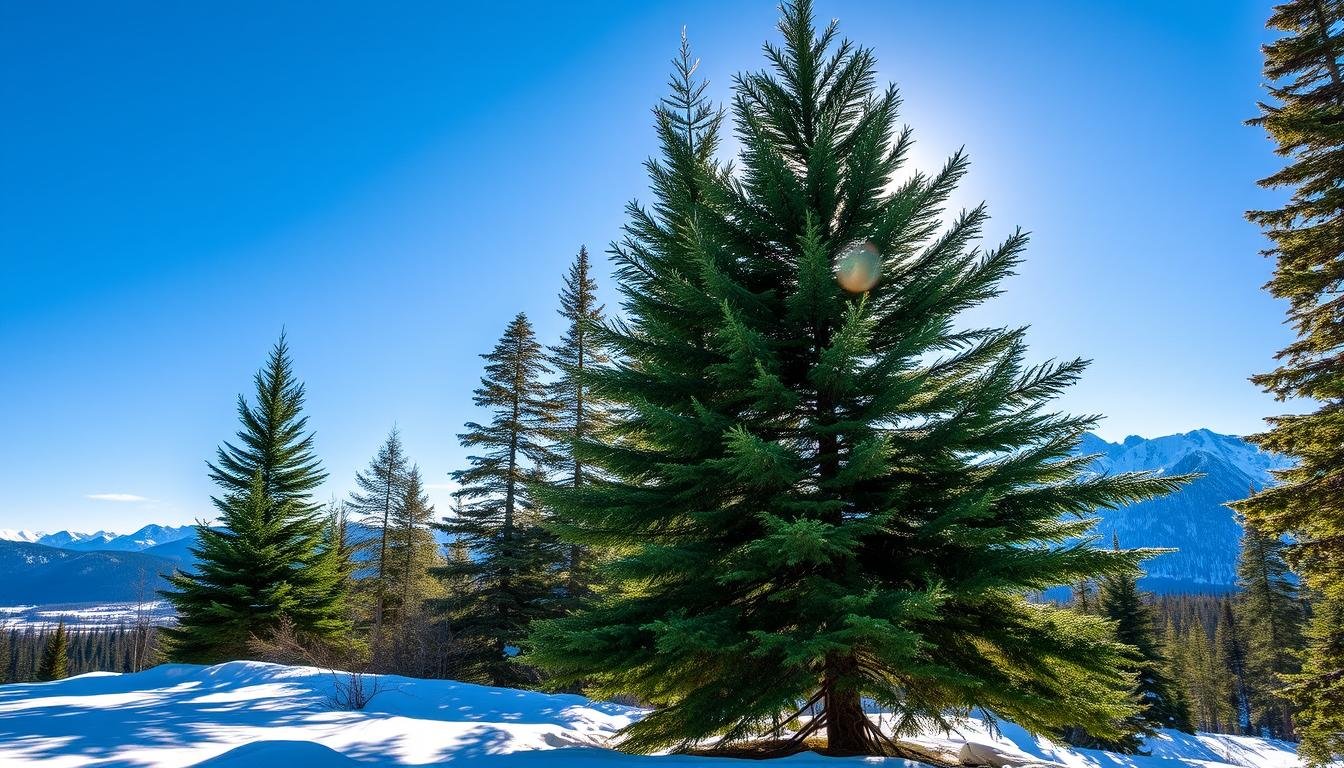
Alaska’s forests are a testament to its extreme climate and diverse ecosystems. Dominating many of these landscapes, especially in the interior and boreal regions, is the white spruce. This majestic coniferous tree is characterized by its slender, conical shape, often reaching impressive heights. Its needles are typically short, stiff, and four-sided, giving them a somewhat prickly feel, and they emit a pleasant, resinous fragrance when crushed. The white spruce is a keystone species, providing habitat and sustenance for a wide array of wildlife, from the smallest insects to large mammals. Its adaptability allows it to thrive in conditions that would challenge many other tree species, making it a ubiquitous and iconic element of the Alaskan wilderness. Understanding this botanical context is crucial for anyone interested in experiencing Alaska beyond the typical tourist trails.
Identifying White Spruce in the Wild
For visitors and locals alike, the ability to correctly identify white spruce is a fundamental skill when exploring Alaska’s natural attractions. While it shares its habitat with other conifers, such as black spruce and various fir species, white spruce possesses distinguishing features. Its needles are generally a lighter green, hence the “white” in its name, and they are borne singly on small woody pegs. The cones are typically cylindrical and pendulous, often remaining on the tree for extended periods. It’s important to note that while white spruce is widespread, its collection for personal use, especially in protected areas or national parks, may be subject to regulations. Responsible foraging is key to preserving Alaska’s delicate ecosystems for future generations of tourists to enjoy.
The Role of Conifers in Alaskan Culture
Coniferous trees, including the white spruce, have played an indispensable role in the lives of Alaska’s indigenous peoples for millennia. Beyond providing essential materials for shelter, tools, and fuel, these trees also offered medicinal and nutritional benefits. The bark, needles, and resin were utilized in various traditional remedies, showcasing a deep understanding of the natural world. The scent of spruce needles, for instance, is often associated with the crisp, clean air of an Alaskan forest, a sensory experience that many visitors seek out. This connection between the flora and the cultural heritage of Alaska is a significant aspect of its tourism appeal, offering a richer, more immersive experience.
The Culinary and Medicinal History of White Spruce
The idea of consuming parts of the white spruce is not new; it’s a practice rooted in the historical and traditional uses by the indigenous populations of Alaska and Canada. Their knowledge of the forest’s offerings provided sustenance and healing, and spruce was an integral part of this. This historical context enriches the understanding of why modern-day Alaskans and visitors might consider using white spruce, adding a layer of authenticity to any exploration of local cuisine and natural remedies.
Traditional Uses of Spruce
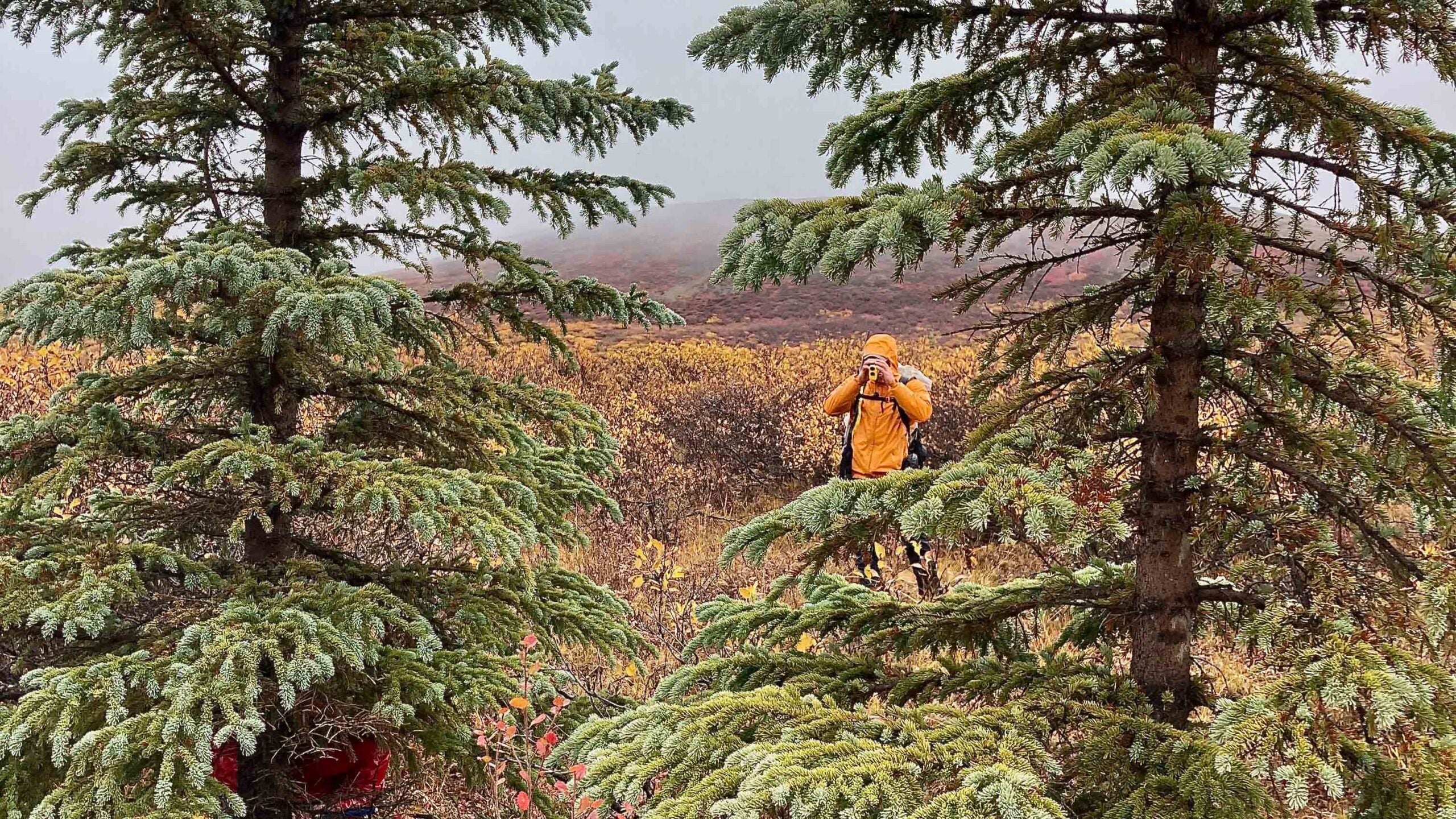
For centuries, indigenous communities in Alaska and across the northern regions utilized white spruce in a variety of ways. The inner bark, or cambium layer, was a source of nutrients and could be dried and ground into flour or eaten fresh, particularly during times of scarcity. Spruce gum, a natural resin, was chewed as a form of confectionary and also used for its adhesive properties. The needles, rich in vitamin C, were historically brewed into a tea or infusion to prevent and treat scurvy, a common ailment during long, harsh winters when fresh produce was unavailable. This historical precedent highlights the nutritional value and relative safety of incorporating spruce into one’s diet.
Vitamin C Content and Health Benefits
The prominent vitamin C content of white spruce needles is a significant factor in its historical use as a medicinal plant. Vitamin C is a powerful antioxidant crucial for immune function, skin health, and collagen production. In regions where fresh fruits and vegetables were scarce during winter months, spruce tea provided a vital source of this essential nutrient, helping to ward off deficiency diseases. Beyond vitamin C, spruce needles are believed to contain other beneficial compounds, though scientific research into these is ongoing. The refreshing, slightly citrusy flavor of spruce tea also makes it a pleasant and invigorating beverage, especially when enjoyed amidst the natural beauty of Alaska.
Preparing White Spruce Tea Safely and Effectively
When venturing into the realm of foraging and preparing wild edibles, safety and proper technique are paramount. The white spruce, while generally considered safe for consumption in moderation when properly prepared, requires a mindful approach. Understanding the distinctions between different spruce species and employing the correct preparation methods will ensure a positive and beneficial experience, allowing you to fully appreciate this natural offering of Alaska.
Distinguishing White Spruce from Other Conifers
It is crucial to be able to differentiate white spruce from other conifer species, some of which may not be safe for consumption or can have adverse effects. As mentioned earlier, white spruce needles are four-sided and can be rolled between the fingers. They are generally about half an inch to an inch long and attach to the branch on small, woody pegs. In contrast, the needles of black spruce are often shorter and more densely packed. Some other conifers, like yew, are toxic and must be avoided entirely. If there is any doubt about the identification of a plant, it is always best to err on the side of caution and refrain from consuming it. Consulting with local experts or field guides specific to Alaskan flora is highly recommended before attempting to harvest any wild plants.
Harvesting and Preparation Techniques
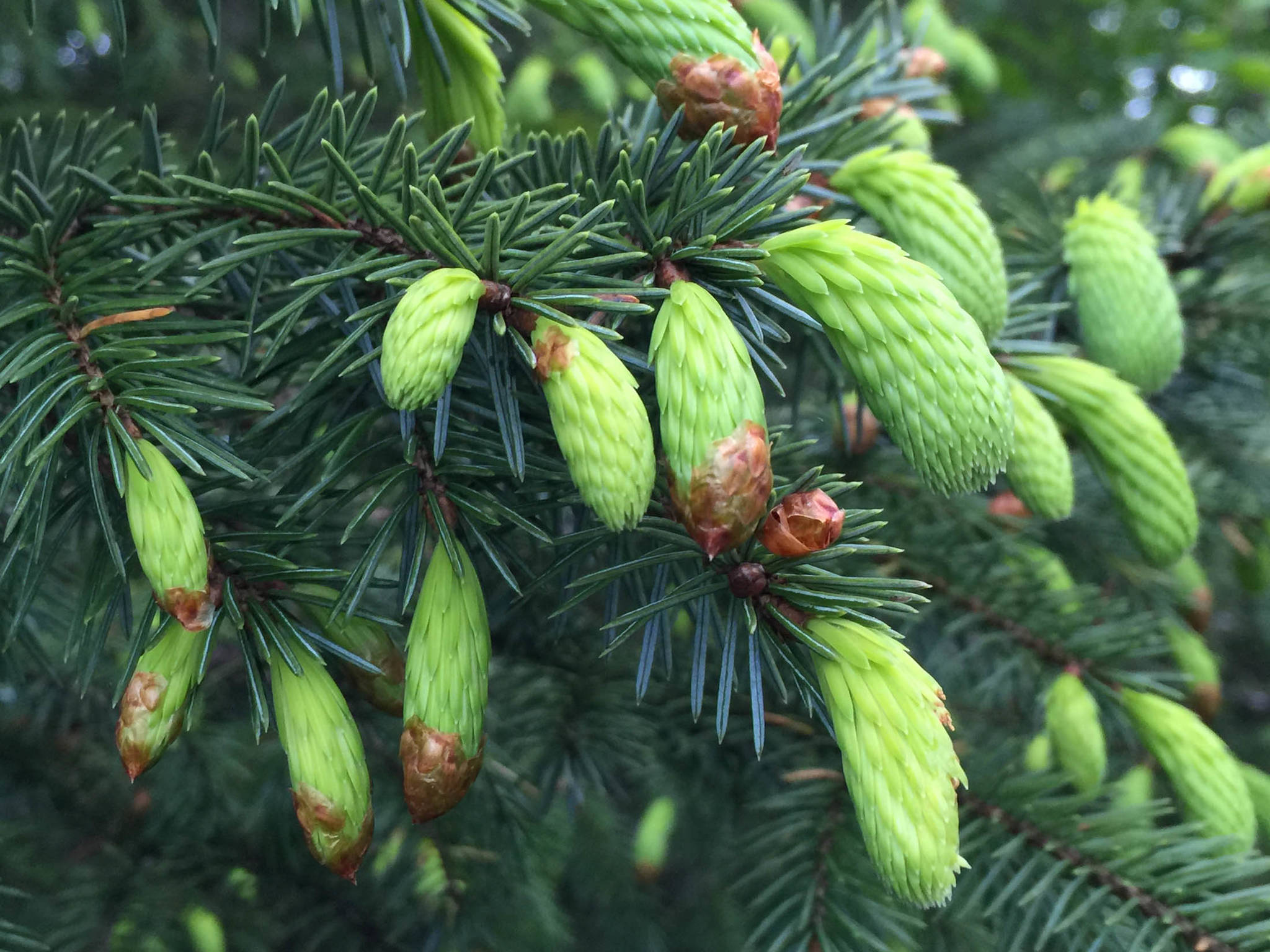
When harvesting white spruce needles for tea, it is best to select young, tender needles, often found at the tips of branches. These are typically more flavorful and less tough. Avoid collecting needles from areas that may have been sprayed with pesticides or are near busy roads. To prepare the tea, gather a handful of fresh needles, rinse them thoroughly under cold water, and then lightly crush or snip them to release their essential oils. Place the prepared needles in a mug or teapot and pour hot, but not boiling, water over them. Steep for 5-10 minutes, or longer for a stronger flavor. The resulting tea will have a light, refreshing, and slightly citrusy taste. Some may prefer to add a touch of honey, especially local Alaskan wildflower honey, to enhance the flavor.
Potential Risks and Precautions
While white spruce tea is generally considered safe, it is always wise to be aware of potential risks. As with any new food or beverage, it is advisable to consume it in moderation, especially for the first time, to gauge individual sensitivity. Pregnant or breastfeeding women, as well as individuals with pre-existing medical conditions, should consult with a healthcare professional before incorporating any wild plant remedies into their diet. Furthermore, ensuring proper identification of the plant is paramount; misidentification can lead to consuming toxic species. Adhering to ethical foraging practices – taking only what you need and leaving plenty for the ecosystem – is also a critical aspect of enjoying Alaska’s natural bounty responsibly. By following these guidelines, visitors can safely and respectfully experience the unique flavors and potential benefits of white spruce tea while exploring the stunning landscapes of Alaska.
LifeOutOfTheBox is a participant in the Amazon Services LLC Associates Program, an affiliate advertising program designed to provide a means for sites to earn advertising fees by advertising and linking to Amazon.com. Amazon, the Amazon logo, AmazonSupply, and the AmazonSupply logo are trademarks of Amazon.com, Inc. or its affiliates. As an Amazon Associate we earn affiliate commissions from qualifying purchases.