
For the modern traveler seeking an immersive blend of sport and exploration, the world of angling offers unparalleled experiences. Beyond simply catching fish, it’s about the journey to pristine waters, the thrill of the chase, and the serene connection with nature. Among the myriad techniques that promise success, the Texas Rig stands out as a fundamental, highly versatile, and incredibly effective method for targeting bass, making it a favorite among both seasoned pros and aspiring anglers. Whether you’re planning a dedicated fishing expedition or looking to add a unique outdoor activity to your travel itinerary, understanding the Texas Rig is your gateway to some of the most exciting freshwater adventures across the United States and beyond. This comprehensive guide will not only demystify the mechanics of this iconic rig but also weave it into a broader narrative of travel, tourism, and lifestyle, helping you discover premier destinations and accommodations that elevate your fishing journey into an unforgettable escape.
The Versatile Texas Rig: An Angler’s Essential Tool
The Texas Rig is more than just a way to present a lure; it’s a cornerstone technique rooted in its exceptional ability to navigate dense cover without snagging. This weedless design is precisely what makes it indispensable for bass anglers who often find their quarry lurking within submerged vegetation, brush piles, or rocky structures. Its simplicity belies its effectiveness, offering a nuanced presentation that can entice even the most wary fish. For travelers venturing into new fishing grounds, mastering this rig means less time frustrated with snags and more time enjoying the fight.
Decoding the Components: What You’ll Need
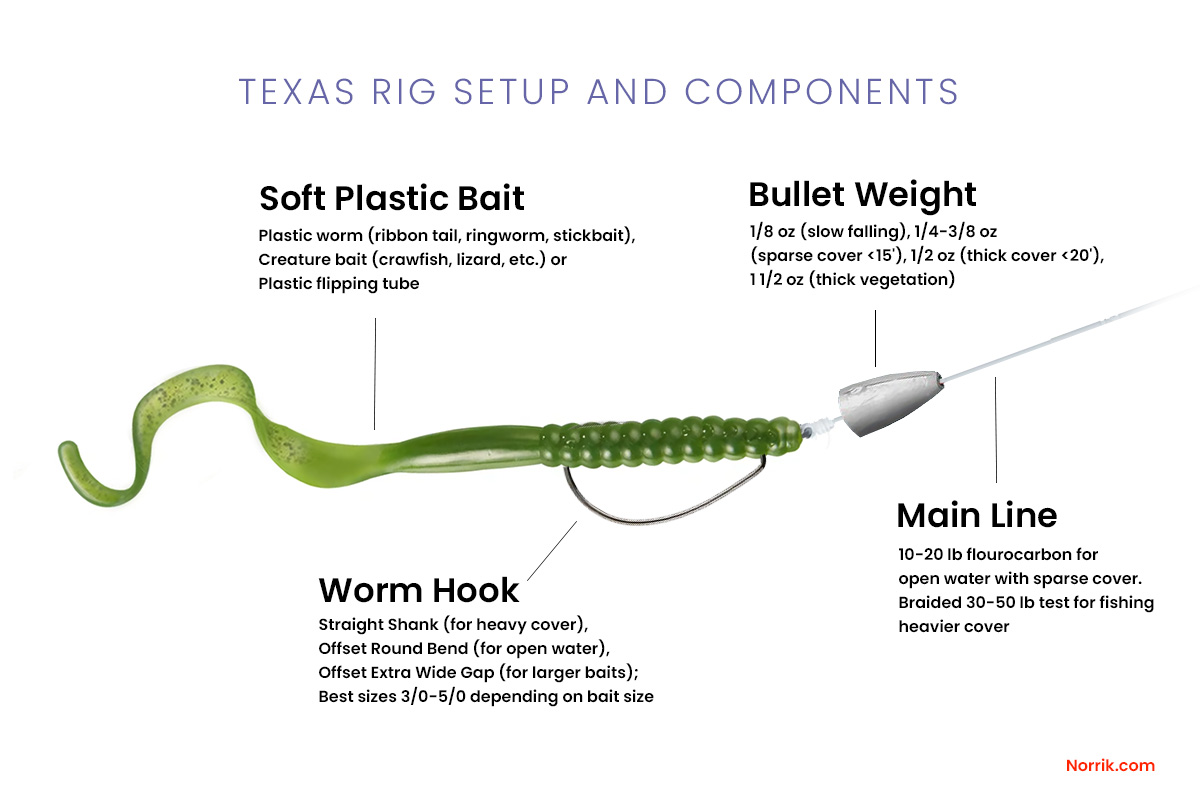
To assemble a basic yet highly effective Texas Rig, you’ll need just a few key components, each playing a critical role in its performance. Understanding these elements is the first step towards rigging it correctly and maximizing your success on the water.
- The Hook: The choice of hook is paramount. An Extra Wide Gap (EWG) hook is generally preferred due to its design, which allows soft plastic baits to be threaded on and remain weedless while providing ample gap for a solid hookset. The size will vary depending on the size of your soft plastic lure, typically ranging from 3/0 to 5/0 for most bass applications.
- The Weight: A bullet-shaped worm weight is the hallmark of the Texas Rig. These weights are designed to slip through cover easily, preceding your lure. They come in various sizes, measured in ounces (e.g., 1/8 oz, 1/4 oz, 3/8 oz, 1/2 oz, and heavier). The weight you choose will depend on the depth you’re fishing, the density of the cover, and wind conditions. Heavier weights provide better feel in deep water or thick vegetation, while lighter weights offer a more subtle presentation. Tungsten weights are increasingly popular over lead due to their smaller profile, increased sensitivity, and environmental benefits.
- The Soft Plastic Lure: This is where creativity meets effectiveness. The Texas Rig can be used with a vast array of soft plastic baits, including worms, creature baits, craws, and even flukes. Each lure type mimics different prey and offers a distinct action in the water. For instance, a straight-tail worm like a 7-inch “Berkley Power Worm” is incredibly versatile, while a creature bait such as a “Zoom Brush Hog” excels at imitating crayfish or other aquatic critters. Your choice often depends on local forage, water clarity, and the fish’s mood.
- The Peg (Optional but Recommended): A small rubber peg or toothpick inserted into the bullet weight, pinning it against the hook eye, creates a “pegged” Texas Rig. This prevents the weight from sliding up the line independently of the lure, which is especially useful when fishing heavy cover or pitching into tight spots, as it keeps your presentation compact and snag-resistant.
When considering your gear, think about the local conditions of your chosen destination. If you’re heading to the dense hydrilla beds of Lake Okeechobee in Florida, you’ll want heavier weights and sturdy EWG hooks. Conversely, a more open water scenario in a clear Ozark reservoir might call for lighter weights and a more natural-looking worm.
Step-by-Step Rigging: Precision for Success
Rigging a Texas Rig correctly is a straightforward process that requires a bit of practice but pays off immensely in performance.
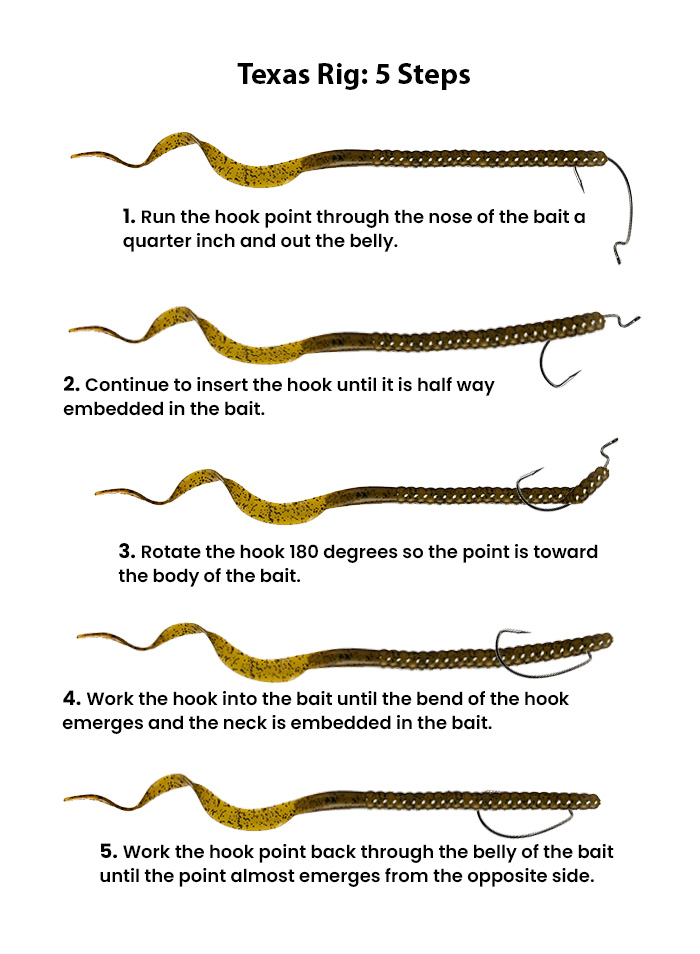
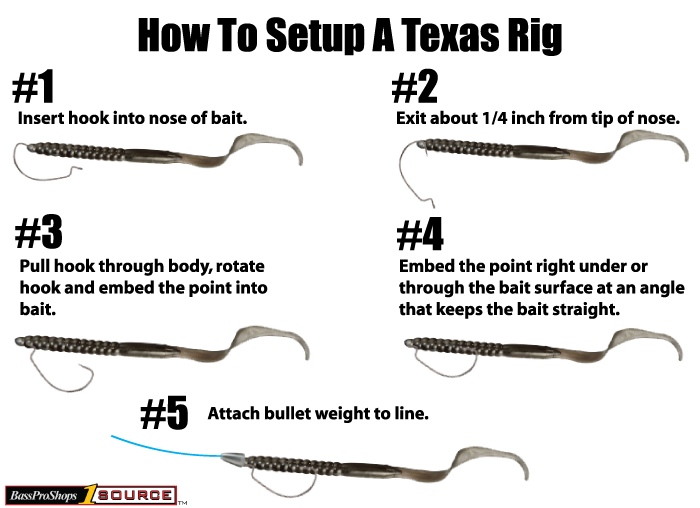
- Thread the Weight: Start by threading your bullet weight onto your main fishing line, with the narrow, pointed end facing towards your rod tip.
- Tie the Hook: Tie your chosen EWG hook to the end of your line. A Palomar knot is highly recommended for its strength and reliability, especially when fishing for powerful bass in heavy cover.
- Insert the Hook Point: Take your soft plastic lure and insert the hook point into the very tip (head) of the bait, just about a quarter to half an inch deep.
- Push Through and Rotate: Push the hook through the head of the lure and out the bottom. Then, rotate the hook 180 degrees so the point is now facing the body of the lure.
- Thread the Lure Up: Slide the lure up the hook shank until the eye of the hook is snugly embedded within the lure’s head, creating a seamless connection with the weight (if pegged).
- “Skin Hook” the Point: Lay the lure flat alongside the hook to determine where the hook bend naturally aligns with the body of the bait. Carefully insert the hook point back into the body of the plastic lure, ensuring the point is just barely buried beneath the surface, or “skin-hooked.” This makes the lure weedless. The goal is to keep the lure straight and natural-looking, avoiding any kinks or unnatural bends that could impede its action.
Proper rigging ensures that your lure moves naturally, penetrates cover effortlessly, and remains weedless, providing you with the best chance to entice and land those trophy bass.
Techniques for Taming the Waters: Fishing the Texas Rig Effectively
Once your Texas Rig is expertly tied, the next step is to master the techniques that bring it to life in the water. The versatility of this rig allows for various presentations, each suited to different conditions, types of cover, and the mood of the fish. This adaptability is part of what makes it such a vital tool for anglers exploring diverse fishing environments as they travel.
Mastering the Retrieve: Presentation Strategies
The way you retrieve your Texas Rig can make all the difference between a frustrating outing and a memorable catch. The key is to impart action that mimics natural prey while maintaining contact with the bottom or cover.
- Dragging: This is perhaps the simplest and most common technique, particularly effective when fish are less active or spread out. After your cast, let the rig sink to the bottom. Then, slowly drag it along the bottom using your rod tip, often with slight pauses. Imagine a crawfish scurrying or a worm wriggling. The bullet weight will kick up puffs of silt, attracting curious bass. This method is excellent for covering water and feeling for subtle bites.
- Hopping/Bouncing: A more active presentation involves lifting your rod tip from a 9 o’clock to 11 o’clock position, causing the lure to hop off the bottom, then letting it fall back on a semi-slack line. The fall is often when bass strike, as the lure looks like a dying or fleeing creature. Vary the height and speed of your hops. This technique is particularly effective around rocky areas, ledges, or shell beds.
- Pitching and Flipping: These are close-quarters techniques designed for targeting specific pieces of heavy cover such as submerged timber, lily pads, or thick brush. Pitching involves a pendulum-like swing that sends your lure quietly and accurately to a target. Flipping uses minimal line from your rod tip, gently dropping the bait into incredibly tight spaces. Once the lure is in the cover, let it sink, then gently shake your rod tip to make the lure quiver. This subtle movement can be irresistible to bass ambushing prey in thick vegetation. These techniques demand precision and stealth, turning fishing into an art form.
- Swimming: While not its primary application, a Texas Rigged worm or creature bait can be lightly “swum” just above the bottom or through sparse vegetation. This involves a slow, steady retrieve with occasional twitches, mimicking a baitfish or a creature moving through the water column. This can be effective in clearer water or when fish are suspended slightly off the bottom.
Regardless of the retrieve, always pay close attention to your line for subtle taps, jumps, or sudden slack, as these are often indicators of a bite. A good quality rod and reel with excellent sensitivity are crucial for detecting these nuances, particularly when exploring new fishing destinations.
Target Acquired: Where and When to Cast Your Rig
The Texas Rig’s primary strength lies in its ability to be fished in places where other lures would snag instantly. Understanding where and when to deploy it is key to successful angling and can greatly inform your travel plans.
Where to Fish:
- Heavy Cover: This is the Texas Rig’s natural habitat. Think lily pads, hydrilla mats, thick weeds, submerged brush piles, fallen trees, and boat docks. Bass use these areas for ambush points and protection. The weedless design allows you to penetrate these zones with confidence.
- Rocky Bottoms and Ledges: Dragging a Texas Rig across rocky points, humps, and ledges can effectively imitate crawfish, a primary forage for bass. The weight bumping off the rocks creates enticing vibrations.
- Docks and Piers: Bass often relate to man-made structures. Pitching a Texas Rig under docks, particularly those with shade or submerged structure, can be highly productive.
- Transition Areas: These are spots where different types of cover meet, such as a weed line bordering open water, or a rocky bank transitioning to mud. Bass frequently patrol these zones.
When to Fish:
- All Seasons: The Texas Rig is effective year-round, but its dominance shines in certain conditions.
- Spring: As bass move shallow for spawning, the Texas Rig is excellent for pitching to isolated cover, shallow grass beds, or spawning pockets.
- Summer: When bass retreat to deeper, cooler water and dense cover to escape the heat and bright sun, pitching and flipping heavy Texas Rigs into thick vegetation or deep timber become go-to tactics. This is a prime time for destinations like Lake Fork in Texas or Lake Guntersville in Alabama.
- Fall: As bass feed aggressively before winter, they can be found in a variety of places. The Texas Rig remains versatile for targeting cover along migration routes.
- Winter: Though bass activity slows, they still feed. A slow-dragged Texas Rig in deep water, near structure, can tempt sluggish fish.
Knowing these optimal times and places can help you choose the best season for your fishing trip, aligning your travel plans with peak angling opportunities.
Beyond the Cast: Crafting Your Ultimate Fishing Travel Experience
Fishing with a Texas Rig is more than just a technique; it’s an invitation to explore stunning natural landscapes, immerse yourself in local cultures, and enjoy a lifestyle that balances adventure with relaxation. For the discerning traveler, a fishing trip becomes a holistic experience, blending the thrill of the catch with the comforts of fine accommodation and the discovery of new destinations.
Premier Destinations for Texas Rig Enthusiasts
The United States boasts an incredible array of bass fishing destinations where the Texas Rig truly shines. These locations offer not only world-class fishing but also unique travel experiences.
- Texas: The Lone Star State’s Bass Havens. No discussion of the Texas Rig is complete without acknowledging its namesake state. Lakes like Lake Fork are legendary for giant bass, often found lurking in submerged timber and hydrilla. A trip here can combine intense angling with exploring small-town Texas charm. Other notable Texas lakes include Sam Rayburn Reservoir and Toledo Bend Reservoir, both offering vast expanses of water and diverse cover perfect for Texas Rig fishing. Imagine spending your days pursuing trophy bass and your evenings enjoying authentic Texas barbecue.
- Florida: The Sunshine State’s Freshwater Giants. Beyond its famous beaches and theme parks, Florida is a mecca for bass anglers. Lake Okeechobee is globally renowned for its prolific bass fishing, with vast fields of cattails and hydrilla providing ideal cover for pitching and flipping a Texas Rig. The Kissimmee Chain of Lakes offers a similar experience, often with less pressure. A fishing trip to Florida can easily be part of a broader family vacation, combining angling adventures with visits to Orlando’s attractions or relaxing on the coast.
- Alabama: Southern Hospitality and Bass Fishing Excellence. Lake Guntersville is consistently ranked among the top bass lakes in the nation, famous for its giant hydrilla mats where big bass hide. The Tennessee River impoundments, including Lake Guntersville, offer diverse fishing opportunities. An angling tour through Alabama provides a taste of authentic Southern culture, from historic Birmingham to charming lakeside towns.
- California: West Coast Wonders. Don’t overlook the Golden State for bass fishing. Lake Shasta and Clear Lake are known for their impressive bass populations and picturesque backdrops. Fishing here can be combined with exploring California’s diverse landscapes, from redwood forests to vineyards.
Each of these destinations offers unique challenges and rewards, making them ideal for a dedicated fishing trip or as part of a larger travel adventure.
Accommodations and Amenities for the Modern Angler
Your choice of accommodation can significantly enhance your fishing trip. Whether you prefer rustic charm or luxury amenities, there’s an option for every angler’s lifestyle.
- Lakeside Resorts and Fishing Lodges: Many premier fishing destinations offer specialized resorts that cater directly to anglers. These often provide amenities such as boat ramps, private docks, cleaning stations, and even on-site guides. Imagine waking up at a resort on Lake Fork, having your boat ready, and being on the water within minutes. Examples might include independent fishing lodges or larger chains like a Wyndham Hotels & Resorts property located near a prime fishing spot.
- Vacation Rentals: For families or groups, renting a private lakeside cabin or a house through platforms like Airbnb or VRBO offers flexibility, privacy, and often more space for gear. Many rentals come with fully equipped kitchens, allowing you to prepare your catch or enjoy home-cooked meals. This option provides a “home away from home” experience, ideal for longer stays or family trips.
- Hotels and Suites: If you prefer convenience and professional service, major hotel chains like Marriott International or Hilton Worldwide often have properties in towns near popular fishing lakes. While they might not offer dedicated fishing amenities, they provide comfortable rooms, dining options, and access to other local attractions. A Holiday Inn Express in Guntersville provides a reliable base for exploring the lake. For a more upscale experience, a Hyatt Regency in a nearby city could offer a luxurious retreat after a day on the water.
- RV Parks and Campgrounds: For the budget-conscious traveler or those who enjoy a more rugged experience, many state parks and private campgrounds near top fishing lakes offer sites for RVs and tents. This allows for direct access to nature and a truly immersive outdoor lifestyle, blending adventure with affordability.
When booking, always inquire about specific fishing-related amenities and proximity to launch points. Some establishments, recognizing the value of fishing tourism, even offer special packages for anglers.
Embracing the Local Angling Lifestyle and Tourism
A fishing trip with a Texas Rig is also an opportunity for broader cultural immersion and tourism. These destinations are often rich in local charm, unique culinary experiences, and other attractions.
- Local Culture and Cuisine: Each fishing destination offers a distinct regional flavor. In Texas, you can savor authentic BBQ and listen to live country music. In Florida, fresh seafood, Cuban influences, and vibrant nightlife are often nearby. Alabama promises soulful Southern comfort food and historical landmarks. Exploring local diners, farmers’ markets, and festivals enriches the travel experience beyond just the fishing.
- Beyond the Water: Consider activities for non-fishing companions or for days when you’re not on the water. Many fishing lakes are close to hiking trails, national parks, historical sites, or even small-town boutiques and antique shops. For example, after fishing Lake Shasta, you could explore the nearby Shasta Caverns or visit the Sundial Bridge in Redding. In Florida, a day off fishing could mean a trip to Kennedy Space Center or one of the many state parks.
- Fishing Guides and Charters: For those new to a destination or looking to maximize their fishing time, hiring a local guide is invaluable. A guide not only puts you on fish but also teaches you local techniques and provides insights into the region’s fishing culture and ecosystem. This is particularly useful for learning the nuances of presenting a Texas Rig in unfamiliar waters. Many guides offer half-day or full-day charters, providing all necessary equipment.
- Community and Events: Participate in local fishing tournaments or simply visit a tackle shop to get a pulse on the local angling community. You might stumble upon a local “fish fry” or a regional festival celebrating the area’s natural bounty. These interactions enhance the overall lifestyle experience of your trip.
The Texas Rig, while a simple fishing setup, unlocks a world of travel, adventure, and cultural discovery. By understanding its mechanics and integrating it into a broader travel plan, you transform a mere fishing trip into a luxurious or adventurous lifestyle experience, tailored to your desires. From the rugged beauty of Texas lakes to the vibrant ecosystems of Florida’s waterways, your next angling adventure, perfected by the Texas Rig, awaits.
LifeOutOfTheBox is a participant in the Amazon Services LLC Associates Program, an affiliate advertising program designed to provide a means for sites to earn advertising fees by advertising and linking to Amazon.com. Amazon, the Amazon logo, AmazonSupply, and the AmazonSupply logo are trademarks of Amazon.com, Inc. or its affiliates. As an Amazon Associate we earn affiliate commissions from qualifying purchases.