
The Golden State, a dream destination for countless travelers, often brings up a seemingly simple yet crucial question for those planning a visit: “Is California EST or PST?” The answer is unequivocally PST, or Pacific Standard Time. While a basic fact, understanding California’s time zone and its nuances is paramount for anyone embarking on a journey through its diverse landscapes, from the bustling streets of Los Angeles to the serene vineyards of Napa Valley or the majestic redwoods of Northern California. This knowledge isn’t just about setting your watch; it’s about optimizing your travel itinerary, managing jet lag, and fully immersing yourself in the unique lifestyle and rhythm of this vibrant state. For anyone exploring California’s rich tapestry of destinations, from iconic landmarks to hidden gems, understanding PST is your first step towards an unforgettable experience.
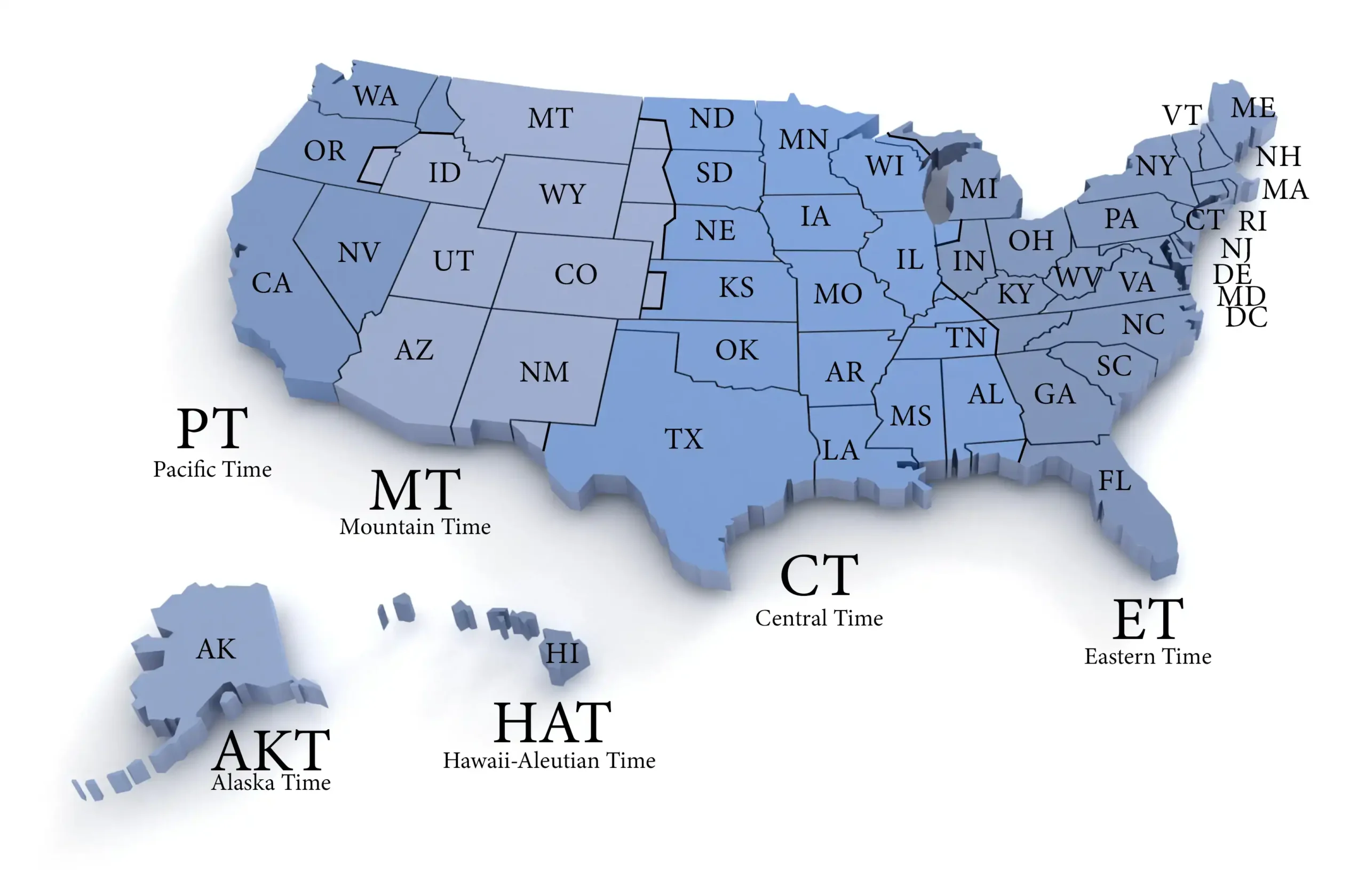
The Pacific Time Zone Explained: A Traveler’s Primer
At its core, California operates on Pacific Time. During the winter months, this is observed as Pacific Standard Time (PST), which is UTC-8. However, like much of the United States, California observes Daylight Saving Time (DST) from early March to early November. During this period, the time shifts forward by one hour, becoming Pacific Daylight Time (PDT), which is UTC-7. This seemingly small shift has significant implications for travelers, particularly those arriving from time zones further east. For instance, if you’re flying in from New York City (on EST or EDT), you’ll experience a three-hour time difference. From Chicago (CST or CDT), it’s a two-hour difference, and from Denver (MST or MDT), a one-hour difference. Understanding this difference is not just for knowing what time it is, but for how your body and your schedule will adapt.
Navigating Daylight Saving Time in California
The transition between PST and PDT typically occurs on the second Sunday in March (spring forward) and the first Sunday in November (fall back). If your travel dates coincide with these changes, be extra vigilant. For instance, flying into California on the “spring forward” Sunday means you’ll lose an hour, compounding any jet lag you might already be experiencing. Conversely, the “fall back” Sunday grants you an extra hour, potentially easing the transition.
For tourism operators and attractions, these changes are seamless, as their operating hours are always aligned with local California time. However, for international travelers, or those making crucial connections, double-checking flight times and hotel check-ins during these transitional weeks is a vital travel tip. Many hotels and resorts in California are well-versed in assisting guests with time zone adjustments, often offering flexible check-in/out options or recommendations for overcoming [jet lag]. Whether you’re staying at a luxurious suite in Beverly Hills or a cozy villa overlooking the Pacific Ocean, understanding the time shift can make your arrival and departure smoother.
Planning Your California Itinerary: Time Zone Considerations for Every Traveler
The time zone in California doesn’t just affect when you arrive; it shapes your entire travel experience. From booking flights and accommodation to scheduling your visits to world-famous landmarks and enjoying the local cuisine, PST plays a silent yet significant role.
Booking Flights and Accommodation with PST in Mind
When searching for flights to California, pay close attention to the arrival and departure times listed, noting whether they are in local time for each airport. A flight departing New York at 9 AM EST and arriving in Los Angeles at 12 PM PST is a 6-hour flight, not 3 hours. Similarly, when booking hotels or apartments for your stay, confirm check-in and check-out times. Most California hotels, whether a budget-friendly stay or a luxury resort, adhere strictly to [PST/PDT].
For those considering long-term stays or business travel, the time difference can impact virtual meetings or communication with colleagues in different time zones. California’s thriving tech industry, for instance, often navigates collaboration across all U.S. time zones and beyond. If you’re planning to work remotely from a coastal villa or a downtown apartment, setting up your schedule to accommodate partners in EST or even GMT is crucial. Many accommodations now boast excellent Wi-Fi and dedicated workspaces, making them ideal for a productive business stay while enjoying the California lifestyle.
Overcoming Jet Lag: Tips for a Smooth Transition
Jet lag is perhaps the most significant challenge presented by time zone differences, especially for travelers from the east. To minimize its effects, several strategies can be employed. Begin adjusting your sleep schedule a few days before departure, shifting it closer to California time. Once you arrive, try to embrace the local schedule immediately. Exposure to natural light during the day, especially the California sunshine, can help reset your body clock. Avoid heavy meals and excessive caffeine or alcohol, opting for light, healthy food options. Many California hotels and resorts understand this challenge and provide amenities like blackout curtains, comfortable bedding, and even in-room spa services to aid relaxation. Engaging in light activities such as a stroll along Santa Monica Beach or a swim in your hotel’s pool can also help you acclimate.

Experiencing California: PST’s Influence on Attractions and Lifestyle
The fact that California operates on PST/PDT significantly influences the rhythm of daily life and, consequently, your tourism experiences. The later sunrises and sunsets compared to the East Coast create a distinctly different feel for exploring.
Popular Destinations and Their PST Rhythms
In Southern California, cities like Los Angeles and San Diego truly come alive in the afternoon and evening. A visit to Disneyland Park or Universal Studios Hollywood can feel more relaxed in the mornings as the crowds often build later. The vibrant nightlife in West Hollywood or Gaslamp Quarter in San Diego naturally extends well into the PST hours, allowing for late dinners and entertainment. When visiting the iconic Hollywood Sign or strolling along the Walk of Fame, the morning light can be perfect for photos, and the longer evenings provide ample time for exploration before [sunset].
Up north, San Francisco embraces its own PST charm. The famous Golden Gate Bridge is often shrouded in morning fog, creating dramatic photo opportunities as the sun eventually burns through it. Visiting Alcatraz Island requires timed tickets, making time zone awareness crucial for your booking. The city’s renowned food scene, from Michelin-starred restaurants to bustling Ferry Building Marketplace vendors, often features later dining hours, characteristic of a West Coast schedule. Whether you’re enjoying wine tasting in Sonoma or exploring the natural wonders of Yosemite National Park, the PST framework means longer daylight hours for outdoor activities in summer, and cozy, earlier evenings in winter, perfect for enjoying the warmth of a hotel fireplace or a local brew.
Beyond the Clock: Embracing the California Lifestyle
The California lifestyle is synonymous with outdoor living, wellness, and a relaxed pace, elements that are subtly intertwined with its time zone. The later sunrises mean mornings can start a bit slower, perhaps with a beachfront yoga session in Malibu or a leisurely breakfast at a trendy café. The extended daylight hours in summer (PDT) mean more time for surfing at Huntington Beach, hiking in the Santa Monica Mountains, or exploring the vibrant art districts.
Many luxury travel experiences in California, such as exclusive resort amenities or private tours of celebrity homes, are designed to maximize this PST rhythm. For family trips, the ability to enjoy outdoor attractions or theme parks later into the evening can be a huge benefit, especially with younger children. The later sunsets create breathtaking golden hours, ideal for photography along the Big Sur coastline or from Griffith Observatory overlooking [Los Angeles]. This appreciation for natural light and outdoor living is a fundamental part of the local culture, and by understanding and adapting to PST, travelers can truly integrate into the California way of life.
Maximizing Your California Trip: Practical Tips for Time Zone Management
Beyond just knowing the time, strategically managing your schedule around PST/PDT can elevate your entire California adventure. From communication to booking, a few simple strategies can make a big difference.
Communication and Connectivity Across Time Zones
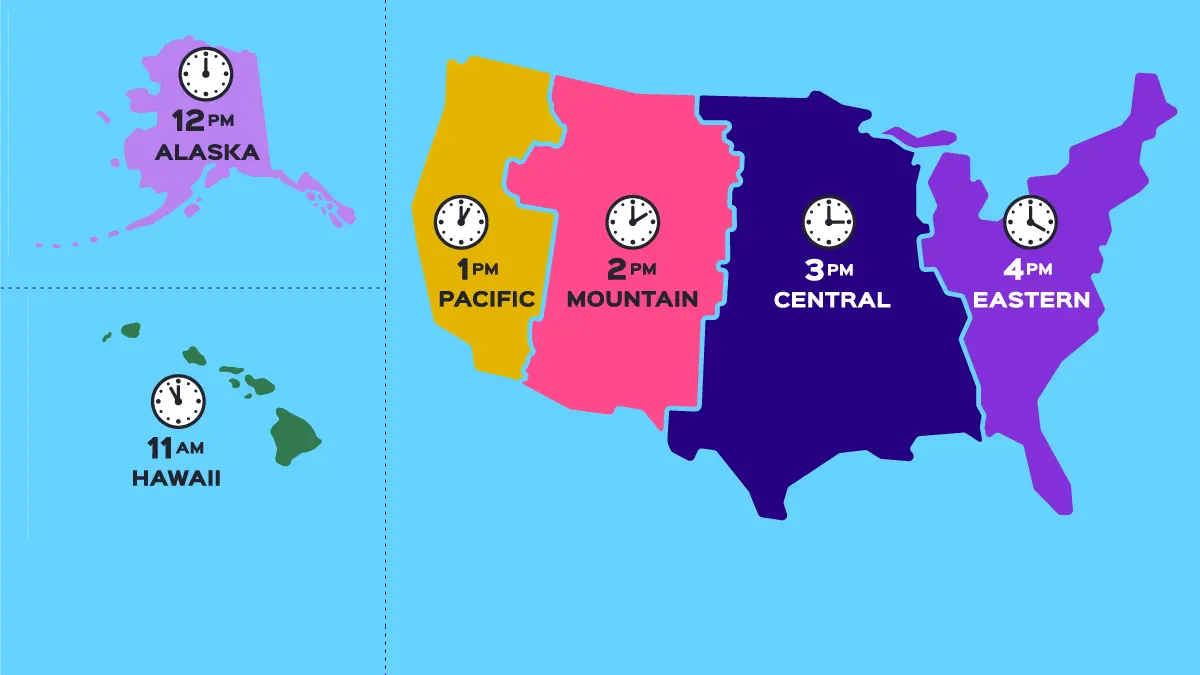
For international visitors or those with responsibilities back home, communication needs careful planning. Schedule important calls or video conferences taking into account the time difference. Many hotels and accommodations in California offer excellent Wi-Fi, making it easy to stay connected, but respecting time zones will ensure your interactions are productive and considerate. Remember that if it’s 9 AM in California, it’s already 12 PM in New York and 5 PM in London. Utilize world clock apps to keep track of multiple time zones effortlessly. This is especially crucial for business travelers or those on family trips needing to coordinate with relatives far away.
Scheduling Activities and Restaurant Reservations
With the later rhythm of California, especially during PDT, many attractions, restaurants, and shows might have operating hours that differ from what you’re used to. Research specific opening and closing times for landmarks like the Getty Center or museums in San Francisco. Booking popular restaurants in advance, especially for dinner, is highly recommended, as prime PST dining slots fill up quickly. Many tourism guides and hotel concierges can offer insights into the best times to visit certain attractions to avoid crowds, or to catch the perfect sunset view from Point Reyes National Seashore. Whether you’re planning a luxury dining experience or a casual food truck feast, synchronizing with the local time ensures you don’t miss out.
In conclusion, while the question “Is California EST or PST?” has a straightforward answer – PST/PDT – its implications for travelers are far-reaching. By understanding and proactively planning around California’s time zone, you can mitigate jet lag, efficiently schedule your travel activities, and fully immerse yourself in the unique rhythm of the Golden State. This fundamental knowledge is an essential tool in your travel guide, ensuring your journey through California is as seamless and enjoyable as the breathtaking landscapes themselves.
LifeOutOfTheBox is a participant in the Amazon Services LLC Associates Program, an affiliate advertising program designed to provide a means for sites to earn advertising fees by advertising and linking to Amazon.com. Amazon, the Amazon logo, AmazonSupply, and the AmazonSupply logo are trademarks of Amazon.com, Inc. or its affiliates. As an Amazon Associate we earn affiliate commissions from qualifying purchases.