
Embarking on an Alaskan cruise is an adventure unlike any other, a journey through a realm of majestic glaciers, pristine wilderness, and captivating wildlife. For many modern travelers, however, the call of the wild is often accompanied by the persistent hum of the digital world. The question of how to stay connected while traversing the remote beauty of Alaska becomes a crucial consideration. This is where the Norwegian Cruise Line (NCL) WiFi package comes into play, promising a bridge between the unparalleled natural splendor outside your window and the digital demands of everyday life. Understanding the efficacy and value of these onboard internet services is paramount for anyone planning to sail through the Inside Passage or beyond, seeking to balance the thrill of exploration with the convenience of connectivity.
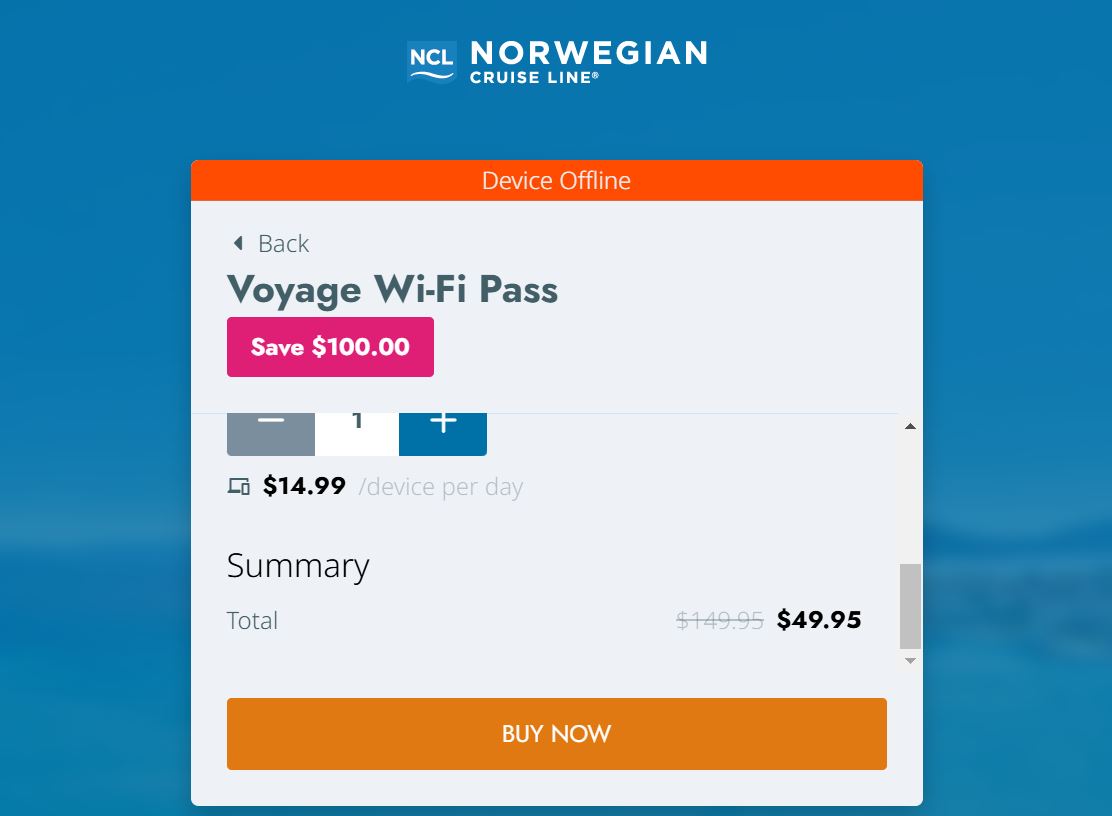
The contemporary travel landscape has profoundly reshaped our expectations, even in the most remote destinations. What was once considered a luxury—internet access at sea—is now often viewed as a necessity, whether for sharing breathtaking photos, keeping up with work emails, or simply staying in touch with loved ones back home. NCL, like many cruise lines, offers various WiFi packages designed to cater to different needs and budgets, from basic browsing to high-speed streaming. This comprehensive guide will delve deep into the real-world performance, practicalities, and overall value of these services, helping you decide if an Alaska WiFi package on a Norwegian Cruise Line voyage is truly worth the investment for your journey into the Last Frontier.
The Allure of an Alaskan Cruise: Why Connectivity Matters
An Alaskan cruise is more than just a vacation; it’s an immersive experience that often redefines one’s connection to nature. Passengers flock to this region to witness the calving of glaciers, spot whales breaching in icy waters, and explore charming frontier towns. Yet, even amidst such profound natural beauty, the desire for connectivity persists. This section explores why staying connected, even intermittently, is a significant aspect of the modern Alaskan cruise experience.
Experiencing the Wilderness Without Disconnecting
The very essence of an Alaskan cruise lies in its ability to transport travelers away from the hustle and bustle, offering a rare opportunity to disconnect from daily routines. However, for many, true disconnection doesn’t mean total isolation. It means the freedom to choose when and how to engage with the digital world. Imagine capturing a stunning photo of a bald eagle soaring over Juneau, or a humpback whale breaching near Icy Strait Point. The immediate impulse for many is to share these moments with friends and family, making the onboard WiFi a gateway for instant storytelling.
Moreover, for travelers interested in local culture and history, access to the internet can enhance the experience. While cruising past the dramatic cliffs of the Tracy Arm Fjord or marveling at the colossal Hubbard Glacier, a quick search can provide historical context, geological facts, or information about the local flora and fauna. This ability to augment real-world experiences with digital insights enriches the overall journey, transforming passive observation into active learning and engagement. It allows passengers to dive deeper into the destinations they visit, whether it’s understanding the Gold Rush history of Skagway or the Tlingit heritage of Ketchikan. The internet facilitates this seamless blend of exploration and education, ensuring that even in the vast wilderness, knowledge is always at your fingertips.
Balancing Adventure with Remote Work and Family Stays
The modern lifestyle often demands flexibility, and travel is no exception. For many, a two-week cruise to Alaska isn’t just a leisure trip; it might involve remote work obligations or the need to stay closely connected with family members who aren’t traveling with them. The concept of “workation” is increasingly popular, allowing professionals to enjoy unique travel experiences without completely disengaging from their responsibilities. An effective WiFi package on Norwegian Cruise Line can make this balancing act possible.
Families, too, find immense value in reliable internet access. Parents might need to check in on children left with grandparents, or young adults might want to connect with friends. Emergency communication, while hopefully unnecessary, is another vital consideration that makes a robust internet connection more than just a convenience. For those traveling with teenagers, the expectation of being able to stream content, game online, or use social media is almost a given. The quality of the onboard WiFi directly impacts the satisfaction of these travelers, influencing everything from peaceful family dynamics to the ability to manage crucial personal or professional commitments while exploring the stunning landscapes of Sitka or the Glacier Bay National Park and Preserve. Without adequate connectivity, the dream of combining adventure with the demands of modern life can quickly become a source of stress rather than relaxation.
Deconstructing Norwegian Cruise Line’s WiFi Offerings
Norwegian Cruise Line understands that one size does not fit all when it comes to internet access at sea. To address the diverse needs of its passengers, NCL typically offers several tiers of WiFi packages. Understanding the nuances of these offerings—their speeds, reliability, and pricing—is crucial for making an informed decision before or during your Alaska voyage.
Understanding the Packages: From Basic to Premium Streaming
NCL’s internet service, often branded as Connect@Sea, usually comes in distinct packages, each designed for different levels of usage. While the exact names and features can vary slightly by ship (such as the Norwegian Bliss or Norwegian Encore) or itinerary, they generally fall into three categories:
- Social Plan: This is typically the most basic and affordable option, designed primarily for access to popular social media platforms like Facebook, Instagram, Twitter, and WhatsApp. It usually excludes video streaming, email, or general web browsing outside these specific applications. It’s ideal for those who simply want to share updates and stay in touch via messaging.
- Unlimited WiFi Plan: This mid-tier package offers broader access to the internet, allowing for general web browsing, email, and social media. It might include light video streaming, but high-definition streaming or heavy downloads are generally not supported or are very slow. This plan is suitable for individuals who need to check emails, do some casual browsing, and stay updated.
- Unlimited Premium WiFi Plan (or Stream Plan): This is the highest-tier package, promising the fastest available speeds and supporting most internet activities, including high-definition video streaming, online gaming, video calls, and VPN access for remote work. It’s designed for power users or those who cannot afford to compromise on connectivity, even at sea.
Many passengers acquire these packages through NCL’s popular Free at Sea promotion, which often includes a complimentary internet package as part of bundled perks. However, it’s vital to check the specifics of the Free at Sea offer, as it might only cover the basic “Unlimited WiFi” plan for one device, requiring an upgrade fee for the premium tier or additional devices. Always review the terms and conditions carefully before assuming full connectivity.
Speed, Reliability, and Bandwidth: What to Expect at Sea
The golden rule for internet at sea is: manage your expectations. Unlike land-based internet, cruise ship WiFi relies on satellite technology, which inherently faces limitations. The signal has to travel vast distances to geostationary satellites orbiting thousands of miles above Earth, then back down to ground stations, and finally through the ship’s internal network to your device. This journey introduces latency and significantly reduces bandwidth compared to what you might be accustomed to at home or in major cities like Seattle or Vancouver.
- Speed: Even the “Premium” plan on Norwegian Cruise Line will likely feel slower than typical home internet. While sufficient for checking emails, browsing websites, and social media, streaming HD video can still experience buffering, especially during peak usage times (e.g., evenings when most passengers are online). Video calls might suffer from occasional dropouts or pixelation.
- Reliability: The connection can be intermittent. Factors like weather conditions, the ship’s position relative to the satellite, and the number of active users can all affect reliability. Sailing through narrow fjords, dense fog, or areas with mountainous terrain (common in Alaska) can temporarily block satellite signals, leading to service interruptions. While NCL invests in advanced satellite systems, the geographical challenges of Alaska are significant.
- Bandwidth: Bandwidth is shared among all users. When the ship is full and many passengers are simultaneously attempting to stream or download, speeds will inevitably decrease for everyone. This is a common complaint across all cruise lines and highlights the importance of managing usage expectations, especially if you plan to rely on it for critical tasks.
It’s also worth noting that the “number of devices” included in a package typically refers to the number of devices that can be logged in simultaneously. You can usually log out of one device and log into another if your plan only covers one or two devices, offering some flexibility.
Pricing Structure and Value Proposition
Norwegian Cruise Line WiFi packages are typically purchased for the entire duration of the cruise, although daily passes might be available on some voyages. Pricing varies significantly based on the length of the cruise, the package tier, and whether it’s part of a promotional bundle like Free at Sea.
For a standard 7-day Alaska cruise, expect the Unlimited WiFi package to cost anywhere from $15-$20 per day, with the Premium tier costing $25-$35 per day. Discounts are often available if purchased pre-cruise online or for the entire voyage compared to daily rates. While these costs can add up, especially for longer cruises or multiple devices, many travelers consider it a worthwhile expense for the convenience and peace of mind it offers.
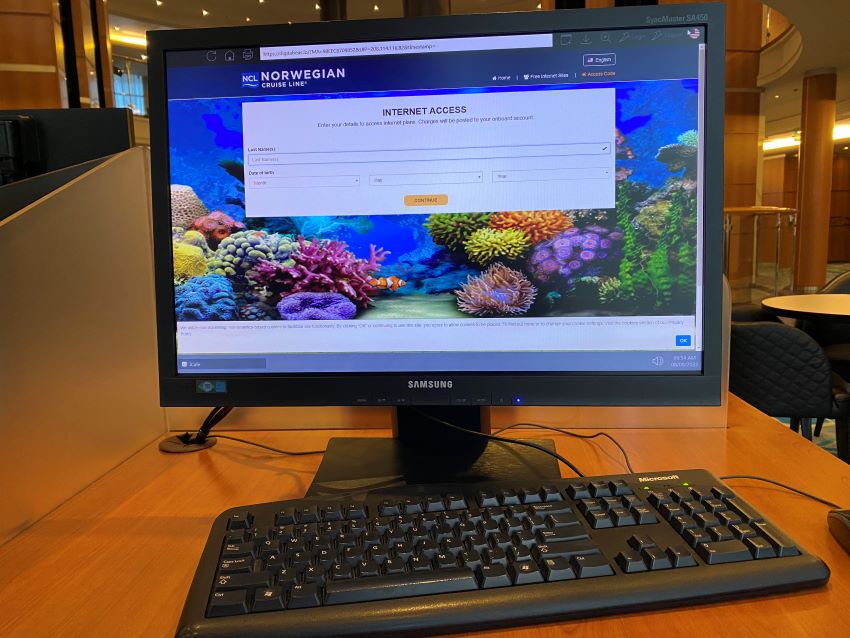
The “value proposition” of the WiFi package is highly subjective. For a digital nomad needing to check in with clients while visiting Fairbanks or Anchorage, or a family wanting to share their experiences in Denali National Park after a pre-cruise land extension, the Premium package might be indispensable. For someone seeking a complete digital detox and only needing to send a few messages, the Social Plan or even no plan at all might suffice, relying instead on shore-based WiFi in port towns. The key is to assess your personal connectivity needs versus the cost, factoring in the inherent limitations of satellite internet at sea.
Real-World Experience: User Perspectives and Practical Tips
The technical specifications of Norwegian Cruise Line’s WiFi packages offer a theoretical baseline, but the real-world experience often presents a more nuanced picture. Passenger reviews and practical tips can provide invaluable insights into navigating connectivity challenges, especially when sailing through the unique geographical conditions of Alaska.
Navigating Signal Challenges in Remote Alaskan Waters
One of the most frequently cited challenges with cruise ship WiFi, particularly in Alaska, is the variability of the signal. The sheer remoteness and rugged landscape of the region play a significant role. As the ship navigates through narrow fjords, deep inlets, and between towering mountains, line-of-sight to satellites can be obstructed, leading to signal degradation or complete loss. Passengers often report that speeds fluctuate dramatically, sometimes within minutes, depending on the ship’s precise location.
For instance, while sailing through the Inside Passage, renowned for its breathtaking scenery, passengers might experience intermittent service. Areas close to shore or within particularly deep fjords like Tracy Arm Fjord are notorious for connectivity drop-offs. Conversely, when the ship is in open waters or docked in a major port city like Juneau or Ketchikan, the signal typically improves. This inconsistency means that relying on the onboard WiFi for time-sensitive tasks, such as critical work calls or large file uploads, can be risky. Travelers should plan accordingly, perhaps scheduling important communications for port days or allocating extra time to complete tasks. Some passengers even report that the WiFi performs better in public areas like the ship’s atrium or library compared to cabins, possibly due to stronger internal network access points.
Maximizing Your Connectivity: Device Management and Usage Strategies
To get the most out of your Norwegian Cruise Line WiFi package, particularly in Alaska, adopting smart device management and usage strategies is essential.
- Prioritize and Manage Devices: If your package limits the number of simultaneous devices, be strategic. Log out of devices not currently in use. Turn off automatic updates, cloud syncing, and background app refreshes on all devices, as these can consume significant bandwidth without your direct knowledge.
- Download Content Offline: Before your cruise, download movies, TV shows, podcasts, e-books, and even maps of port cities to your devices. This allows for entertainment and information access without consuming precious onboard bandwidth. Many streaming services offer offline download options.
- Optimize for Communication: For video calls, use apps known for lower bandwidth consumption, and consider turning off video for audio-only calls if the connection is struggling. Text-based messaging apps like WhatsApp or iMessage (without heavy media) are generally the most reliable for staying in touch.
- Time Your Usage: Try to use the internet during off-peak hours. Early mornings, late nights, or during dinner service often see fewer users, potentially leading to better speeds. Avoid logging on right after excursions return when many people are trying to upload photos and videos.
- Utilize Port WiFi: In most Alaskan port cities like Skagway, Sitka, or Icy Strait Point, you’ll find cafes, libraries, and visitor centers offering complimentary or low-cost WiFi. These connections are typically much faster and more reliable than satellite internet. Plan to send large emails, upload photos, or download updates during these shore stops.
Alternatives and Offline Preparations
While the onboard WiFi package is the primary option for connectivity at sea, it’s wise to consider alternatives and make offline preparations.
- Cellular Roaming (Caution Advised): Your cellular provider might offer international roaming packages. However, these often only work when the ship is close enough to shore to pick up a local cell tower, which is not always the case in the vastness of Alaska. More importantly, “cellular at sea” services, which use satellite-connected towers on the ship, are extremely expensive and should generally be avoided unless for absolute emergencies, as charges can quickly rack up to hundreds or thousands of dollars.
- Offline Entertainment and Information: Embrace the opportunity to disconnect. Bring physical books, journals, travel guides, and puzzles. Engage in onboard activities, attend lectures, or simply enjoy the passing scenery. Prepare by downloading all necessary travel documents, reservation details, and entertainment before you embark.
- Starlink Integration (Future Outlook): Some cruise lines are beginning to implement Starlink satellite internet, which promises significantly faster speeds and lower latency due to its low-Earth orbit satellite constellation. As of now, Norwegian Cruise Line has stated plans to roll out Starlink across its fleet, with ships like the Norwegian Jewel already benefiting. While this is a game-changer for internet at sea, it’s essential to confirm if your specific ship and sailing date will have Starlink enabled and what package tiers will be available, as the rollout is gradual. Starlink has the potential to dramatically improve the connectivity experience, especially for high-bandwidth activities.
Beyond the Internet: The Holistic Travel Experience with NCL
While a functional WiFi package certainly enhances the cruise experience, it’s crucial to remember that it’s just one facet of the overall journey. Norwegian Cruise Line offers a holistic travel experience, blending the awe-inspiring destinations of Alaska with a vibrant onboard lifestyle and meticulous planning support.
Exploring Alaska’s Iconic Destinations
The true stars of any Alaskan cruise are the destinations themselves. NCL itineraries are carefully crafted to showcase the best of the region, from the bustling state capital of Juneau to the historic Gold Rush town of Skagway, and the charming “Salmon Capital of the World,” Ketchikan. Beyond these popular ports, ships often sail through protected wilderness areas like Glacier Bay National Park and Preserve, where the raw power of nature is on full display, or past the magnificent Hubbard Glacier, one of Alaska’s most active tidewater glaciers. The dramatic Tracy Arm Fjord offers unparalleled views of steep cliffs, waterfalls, and icebergs.
These experiences are the primary draw, and for many, the time spent exploring ashore or gazing at the magnificent landscapes from the ship’s deck far outweighs the need for constant digital immersion. Excursions range from whale watching and bear viewing to helicopter tours over glaciers and kayaking among icebergs. NCL provides a diverse array of shore excursions, allowing travelers to customize their adventure and truly connect with the local culture and natural environment. Whether you’re panning for gold in Fairbanks on a pre-cruise land tour or discovering the rich Tlingit culture in Sitka, the opportunities for authentic exploration are endless.
Onboard Amenities and Lifestyle Integration
Norwegian Cruise Line is renowned for its “Freestyle Cruising” concept, which emphasizes flexibility and choice in dining, entertainment, and activities. This philosophy extends to the overall lifestyle onboard, catering to a wide range of preferences, from luxury seekers to budget-conscious families. Ships like the Norwegian Bliss and Norwegian Encore are equipped with an impressive array of amenities: multiple specialty restaurants, Broadway-style shows, casinos, spas, fitness centers, and even racetracks or laser tag arenas.
Integrating the WiFi package into this lifestyle means being able to research dining options, book shore excursions, or check showtimes using the NCL app without needing to visit guest services. It facilitates sharing moments of relaxation by the pool, celebrating a gourmet meal, or capturing the thrill of an onboard activity. For business travelers, the ability to discretely check emails or attend to urgent matters means they can still enjoy the ship’s amenities and the cruise experience without falling behind professionally. For families, children and teens can stay entertained with their devices during downtime, allowing parents to unwind. The WiFi becomes an enabler, allowing travelers to shape their cruise experience to their individual lifestyle, whether that’s constant connectivity or a digital detox punctuated by essential check-ins.

Planning Your Connected Cruise: A Seamless Journey
Ultimately, a successful and enjoyable Alaskan cruise, especially regarding connectivity, hinges on careful planning. Before booking your Norwegian Cruise Line voyage, research the specific ship you’ll be on and any recent reviews regarding its WiFi performance, as technology is constantly evolving (e.g., the phased rollout of Starlink). Understand the different WiFi packages available and determine which best fits your anticipated usage needs. Factor the cost of the package into your overall travel budget, especially if you’re not utilizing the Free at Sea promotion.
Consider your personal travel style. Are you someone who needs to be constantly online for work or social reasons, or do you view the cruise as an opportunity for a true digital detox, only needing occasional contact? For those envisioning an extended Alaska adventure that includes land tours to places like Anchorage or Denali National Park, planning connectivity for both the land and sea portions of your trip is crucial.
In conclusion, while Norwegian Cruise Line’s Alaska WiFi package may not always match the speeds and reliability of land-based internet, it offers a valuable service for those who wish to stay connected while exploring one of the world’s most breathtaking regions. By understanding its limitations, choosing the right package, and employing smart usage strategies, you can ensure that your journey through the Last Frontier is as connected or disconnected as you desire, allowing you to fully immerse yourself in the adventure while maintaining a link to the world beyond the horizon.
LifeOutOfTheBox is a participant in the Amazon Services LLC Associates Program, an affiliate advertising program designed to provide a means for sites to earn advertising fees by advertising and linking to Amazon.com. Amazon, the Amazon logo, AmazonSupply, and the AmazonSupply logo are trademarks of Amazon.com, Inc. or its affiliates. As an Amazon Associate we earn affiliate commissions from qualifying purchases.