
The New York steak, a culinary icon synonymous with the vibrant, ceaseless energy of New York City, represents far more than just a cut of beef. It embodies a rich history of American cuisine, a testament to the pursuit of exceptional flavor, and a cornerstone of the sophisticated lifestyle that discerning palates around the globe aspire to. For those who travel to the metropolis, experiencing a perfectly cooked New York strip at one of its legendary steakhouses is often a pilgrimage. But what if you could recreate that unparalleled dining experience in the comfort of your own home, bringing a piece of the Big Apple’s gastronomic prowess to your kitchen?
This comprehensive guide not only unveils the secrets to mastering the New York steak but also delves into its cultural significance, allowing you to appreciate the journey from farm to fork, or more aptly, from the bustling streets of Manhattan to your very own dining table. Whether you’re a seasoned home cook looking to elevate your skills or a culinary adventurer seeking to impress, understanding this classic cut will transform your perception of steak. It’s about more than just cooking; it’s about crafting an experience, celebrating a landmark dish, and indulging in the very essence of American culinary heritage. Prepare to embark on a delicious journey that connects you to the heart of New York City’s food scene, one savory bite at a time.
The Iconic New York Strip: A Cut Above the Rest
Before we dive into the sizzling details of preparation, it’s essential to understand what makes the New York strip steak such a revered choice among connoisseurs and casual diners alike. This particular cut, known by various names across the United States – including Kansas City strip, shell steak, or simply strip steak – is celebrated for its perfect balance of tenderness, robust flavor, and satisfying texture. Originating from the short loin of the cattle, it boasts a fine grain and a generous cap of fat along one side, which, when rendered properly, contributes immense depth of flavor and succulence.
The appeal of the New York strip lies in its versatility and consistency. Unlike a more tender but less flavorful tenderloin, or a more marbled but sometimes overly rich ribeye, the strip offers a harmonious middle ground. It’s substantial enough to hold up to high heat cooking methods, yet forgiving enough to remain juicy and tender, provided it’s treated with respect. This inherent quality makes it a favorite for steakhouses aiming for a consistent, high-quality product, and equally ideal for the home chef seeking reliable results. Its presence on menus from upscale hotels with Michelin-starred restaurants to cozy bistros underscores its universal appeal.
Understanding the Marbled Masterpiece
The secret to any great steak, and particularly the New York strip, lies in its marbling – the intramuscular fat that appears as delicate white streaks woven throughout the lean muscle. This marbling is crucial for flavor and moisture. As the steak cooks, this fat renders, basting the meat from within, preventing it from drying out, and infusing it with a buttery richness. Higher quality cuts, often graded as Prime or Choice by the United States Department of Agriculture (USDA), will exhibit more abundant and evenly distributed marbling.
Beyond marbling, the beef’s origin and breed also play a significant role. While many excellent New York strips come from traditional Angus cattle, you might occasionally encounter premium versions from specialized breeds or regional farms. Some high-end steakhouses even feature cuts from Wagyu cattle or dry-aged selections, which intensify the beef’s natural flavors through a controlled aging process. Understanding these nuances can significantly enhance your appreciation and selection process. It’s this dedication to quality and detail that aligns with the premium accommodation and lifestyle experiences championed by discerning travelers.
Its Storied Origins in the Big Apple
The New York strip’s moniker isn’t merely a marketing ploy; it’s deeply rooted in the culinary history of New York City. While the exact origins are often debated, many food historians trace its popularization to iconic establishments like Delmonico’s, one of America’s first fine dining restaurants, established in 1837. Delmonico’s was renowned for its “Delmonico steak,” which many believe was an early incarnation of what we now recognize as the New York strip.
As the city grew into a global hub for business and culture, so too did its culinary scene. Steakhouses became integral to the urban landscape, offering opulent settings for power lunches and celebratory dinners. Places like Peter Luger Steak House in Brooklyn and Keens Steakhouse in Manhattan cemented the New York strip’s legendary status, attracting diners from all corners of the world, making it a key part of tourism experiences. These establishments, often landmarks in their own right, perfected the art of selecting, aging, and cooking this steak, setting a benchmark for quality and inspiring generations of chefs. To cook a New York steak is to participate in this rich legacy, bringing a piece of New York City’s grand culinary tradition directly into your home kitchen.
Embarking on Your Culinary Journey: Selecting the Perfect Steak
The foundation of an unforgettable New York steak experience begins long before you even turn on the stove. It starts with a discerning eye and a commitment to quality when selecting your cut. Just as travelers seek out the finest hotels or most authentic local experiences, a chef – whether professional or amateur – must prioritize the ingredients. Compromising on the steak itself is akin to visiting Paris and skipping the Eiffel Tower; you’re missing the essential, defining element.
Beyond the cut, consider the thickness. For optimal results and ease of cooking, aim for a steak that is at least 1.5 inches thick, ideally 2 inches. Thicker steaks allow for a beautiful, crusty sear without overcooking the interior, providing a more even doneness and a superior mouthfeel. A thinner steak risks cooking through too quickly, making it challenging to achieve that coveted gradient of doneness from a perfectly seared exterior to a juicy, pink center. This meticulous selection process is part of the lifestyle of a true food enthusiast, mirroring the careful planning that goes into a luxurious travel itinerary.
Quality Matters: Prime, Choice, or Select?
When purchasing a New York strip, you’ll encounter various USDA grades, which are indicators of quality based primarily on marbling and the animal’s maturity.
- USDA Prime: This is the highest grade, characterized by abundant and well-distributed marbling. Prime steaks are incredibly tender, juicy, and flavorful, often found in high-end steakhouses and specialty butcher shops. If you’re looking to replicate a true fine-dining experience, Prime is your top choice.
- USDA Choice: This is a high-quality grade that is widely available. Choice steaks still have good marbling and are very flavorful and tender, though slightly less so than Prime. Many excellent New York strips fall into this category, offering superb value.
- USDA Select: This grade has the least marbling, resulting in a leaner and less juicy steak. While still palatable, it won’t deliver the same rich flavor and tenderness as Prime or Choice.
For the best results, always aim for Prime or Choice. Don’t hesitate to engage with your butcher – they are a wealth of knowledge and can help you select the best piece of meat, perhaps even recommending a dry-aged option for an intensified flavor profile, an indulgence akin to booking a suite in a five-star hotel. Similarly, understanding the sourcing, whether from local farms or renowned regions, speaks to an appreciation for the journey and provenance of your meal, much like exploring local culture and food is central to meaningful tourism.
The Art of the Sear: Essential Equipment
Having the right tools is just as important as having the right ingredients. To achieve that coveted, deep brown crust on your New York strip, a high-quality, heavy-bottomed pan is indispensable.
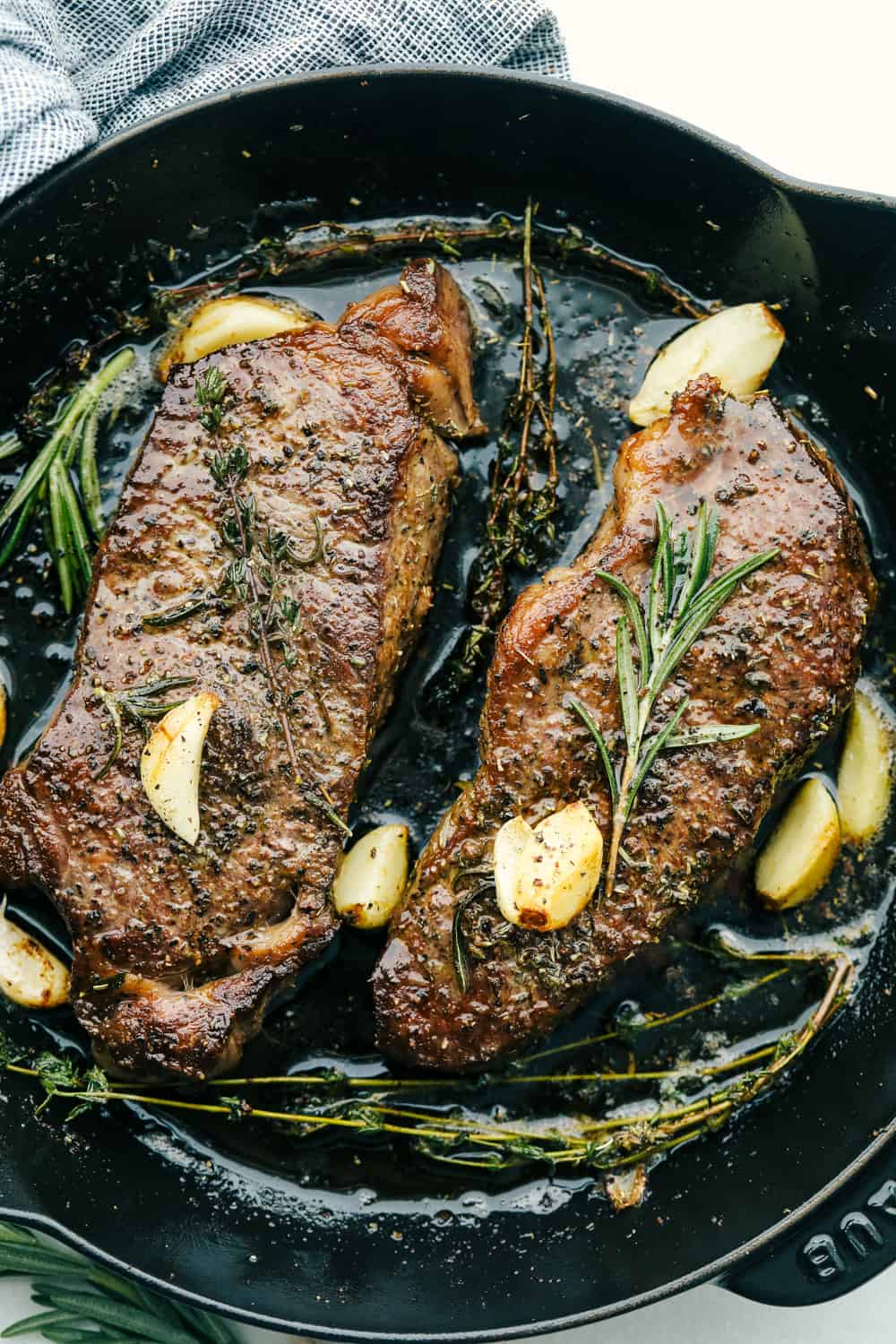
- Cast Iron Skillet: This is the undisputed champion for searing steaks. Cast iron retains and distributes heat exceptionally well, leading to an incredibly even and dark crust. Its ability to withstand very high temperatures also makes it perfect for transferring from stovetop to oven.
- Heavy Stainless Steel Pan: While not quite as good as cast iron for heat retention, a heavy stainless steel pan can also achieve an excellent sear. Look for one with a thick base to prevent hot spots.
Beyond the pan, a few other items will elevate your steak-cooking game:
- Instant-Read Meat Thermometer: This is non-negotiable for perfectly cooked steak. Guessing doneness is a recipe for disappointment. An accurate thermometer ensures you hit your desired temperature every time.
- Tongs: Essential for safely handling and flipping the steak in a hot pan.
- Wire Rack: Crucial for resting the steak, allowing air circulation and preventing the bottom from becoming soggy.
- High Smoke Point Oil: Oils like grapeseed, avocado, or canola are ideal for searing as they can withstand high heat without burning, preventing off-flavors. Avoid olive oil, which has a lower smoke point.
Investing in these tools is an investment in your culinary lifestyle, allowing you to consistently produce restaurant-quality meals, transforming your home kitchen into a personal Michelin-starred experience.
Mastering the Sizzle: Step-by-Step Cooking Guide
Now for the exciting part: cooking your New York steak to perfection. This process involves a combination of precision, patience, and a touch of culinary flair. The goal is to create a gorgeously seared exterior that locks in the juices, while the interior cooks evenly to your preferred doneness. This technique, practiced by top chefs from Tokyo to New York City, is a testament to the fact that simplicity, when executed flawlessly, yields extraordinary results. Forget complicated marinades or elaborate sauces; a great New York strip shines brightest when its natural flavors are allowed to take center stage.
We will focus primarily on the pan-searing method, often finished in the oven, as it provides the most control and consistently delivers that desirable crust and juicy interior, much like the precision involved in planning flawless travel logistics. This approach is highly adaptable and can be scaled for entertaining guests, making it a valuable skill for any home cook who embraces an elevated lifestyle.
Preparation is Key: Seasoning and Temperature
Proper preparation sets the stage for a spectacular steak.
- Bring to Room Temperature: Remove your steak from the refrigerator at least 30-60 minutes before cooking. A cold steak hitting a hot pan will cook unevenly, resulting in a gray band around the edges. Allowing it to warm slightly ensures a more consistent cook.
- Pat Dry: This step is crucial for achieving a good sear. Moisture on the surface of the steak will steam rather than sear, hindering the formation of that delicious crust. Use paper towels to thoroughly pat both sides of the steak dry.
- Season Generously: For a New York strip, simplicity is best. A liberal application of coarse sea salt and freshly cracked black pepper is usually all you need. Don’t be shy with the salt; much of it will form part of the crust. Some chefs like Gordon Ramsay or Salt Bae even advocate for seasoning well in advance, even overnight, to allow the salt to penetrate and tenderize the meat.
- Preheat Your Oven: If you’re using the stovetop-to-oven method, preheat your oven to 375-400°F (190-200°C) before you start searing.
- Preheat Your Pan: Place your cast iron or heavy-bottomed pan over high heat for 3-5 minutes until it’s smoking slightly. This intense heat is vital for an immediate, aggressive sear. Add a high smoke point oil (grapeseed, avocado, or canola) to the pan just before adding the steak, ensuring it’s shimmering and ready.
Achieving Perfect Doneness: Pan-Searing, Grilling, and Beyond
Here’s how to cook your New York strip using the popular pan-sear method:
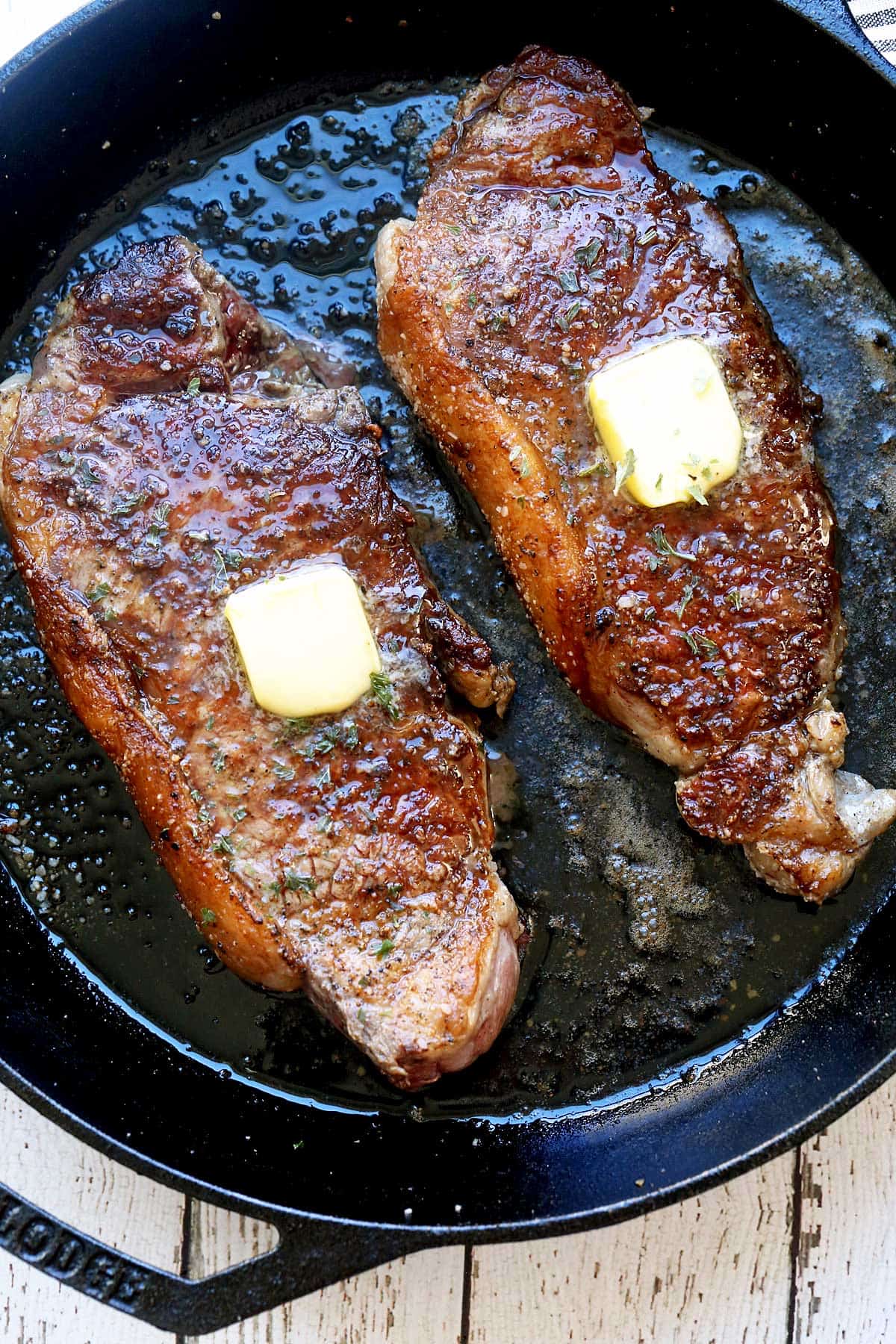
- Sear the Steak: Carefully place the seasoned steak into the hot, oiled pan. Do not overcrowd the pan if cooking multiple steaks. Sear for 2-3 minutes per side until a deep, dark brown crust forms. Use tongs to flip the steak.
- Add Aromatics (Optional but Recommended): After flipping, you can add a knob of butter, a few cloves of smashed garlic, and sprigs of fresh rosemary or thyme to the pan. Tilt the pan slightly and, using a spoon, continuously baste the steak with the melted butter and infused aromatics for about 30-60 seconds. This adds incredible flavor and helps create a beautiful golden-brown finish.
- Finish in the Oven (for thicker cuts): For steaks thicker than 1.5 inches, transfer the pan (if oven-safe) to your preheated oven. Cook until the internal temperature reaches about 5-10°F below your target doneness (see temperature guide below), typically 5-10 minutes depending on thickness and desired doneness.
- Grilling (Alternative Method): For those who prefer a grilled steak, ensure your grill grates are clean, oiled, and preheated to high heat (450-500°F / 230-260°C). Sear the steak for 2-4 minutes per side, then move to a cooler part of the grill or lower the heat to finish cooking to your desired internal temperature. The key is to achieve great grill marks while maintaining juiciness.
Doneness Temperature Guide (Internal Temperature, taken with an instant-read thermometer):
- Rare: 120-125°F (49-52°C) – Cool red center
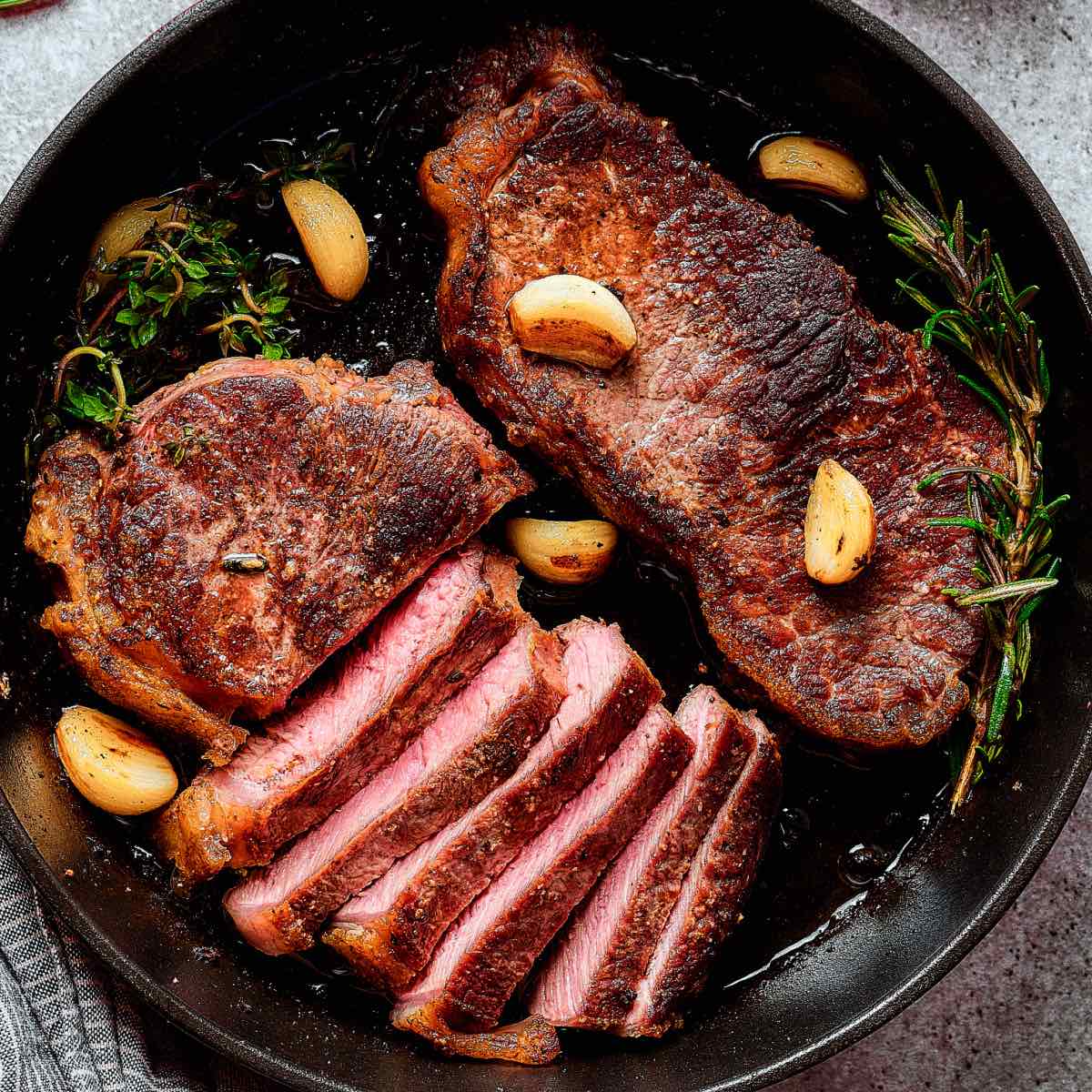
- Medium-Rare: 130-135°F (54-57°C) – Warm red center (often considered ideal for a New York strip)
- Medium: 135-140°F (57-60°C) – Warm pink center
- Medium-Well: 145-150°F (63-66°C) – Slightly pink center
- Well-Done: 150°F+ (66°C+) – Little to no pink
Remember, the steak will continue to cook a few degrees as it rests, so pulling it slightly before your target temperature is essential for perfect results.
The Crucial Resting Period
This is arguably the most overlooked yet vital step in cooking any steak. Once your New York strip reaches your desired temperature, remove it from the pan or grill and transfer it to a cutting board or wire rack. Tent it loosely with foil. Allow the steak to rest for at least 5-10 minutes (longer for thicker cuts).
During cooking, the muscle fibers contract, pushing the juices towards the center of the steak. Resting allows these juices to redistribute throughout the meat, resulting in a consistently tender and succulent bite. Cutting into a steak too soon will cause all those precious juices to run out onto your board, leaving you with a dry, less flavorful experience. This patient waiting is a mark of a truly accomplished chef, akin to savoring the last few moments of a luxurious hotel stay before check-out, ensuring maximum enjoyment. After resting, slice against the grain for maximum tenderness, and prepare to indulge in your masterpiece.
Beyond the Plate: Pairing and the New York Lifestyle
With your perfectly cooked New York steak now ready, the final flourish involves pairing it with complementary sides and beverages that elevate the entire meal. This is where the culinary experience transcends mere sustenance and becomes a celebration, a deliberate act of embracing a refined lifestyle. Just as a curated travel itinerary includes thoughtfully chosen accommodation and attractions, a well-planned steak dinner rounds out the sensory journey.
Consider the ambiance too. Recreating the feel of a classic New York City steakhouse can involve setting the table with your best china, dimming the lights, and perhaps playing some jazz or classic crooner tunes. This holistic approach to dining transforms a meal into an event, making it an experience that rivals any found in a world-class restaurant, truly bringing a slice of the Big Apple’s tourism and culinary grandeur right to your home.
Elevating Your Meal: Classic Accompaniments
Classic pairings for a New York strip are time-tested for a reason – they enhance the rich flavors of the beef without overpowering it.
- Potatoes: From creamy mashed potatoes to crispy duck fat roasted potatoes, or classic steakhouse fries, potatoes are a quintessential accompaniment. A twice-baked potato loaded with cheese, bacon, and chives offers a decadent touch.
- Creamed Spinach: This rich, savory side is a staple at virtually every New York City steakhouse. Its creamy texture and earthy flavor provide a wonderful contrast to the robust steak.
- Asparagus: Lightly grilled or roasted asparagus with a drizzle of olive oil and a sprinkle of sea salt offers a fresh, vibrant counterpoint.
- Sautéed Mushrooms: Mushrooms sautéed with garlic and herbs add an umami depth that perfectly complements beef.
- Sauces (Optional): While a well-cooked New York strip needs no adornment, a classic Béarnaise sauce, a red wine reduction, or even a simple horseradish cream can provide an extra layer of complexity and indulgence.
For beverages, a robust red wine is the traditional choice. A Cabernet Sauvignon from Napa Valley, a Malbec from South America, or a Syrah/Shiraz offers the tannins and dark fruit notes that stand up beautifully to the richness of the steak. For beer enthusiasts, a hearty stout or a strong ale can be equally satisfying.
Bringing the Big Apple Experience Home
Cooking a New York steak is more than just following a recipe; it’s about embracing a culinary philosophy that celebrates quality, tradition, and the sheer joy of eating well. It allows you to tap into the essence of what makes New York City a world-renowned food destination, even if you’re thousands of miles away. It’s an extension of the desire for authentic experiences that drives modern travel, where the journey and the destination are equally important.
By mastering this iconic dish, you gain the confidence to entertain, to experiment, and to appreciate the nuances of fine ingredients. You transform your kitchen into a private restaurant, offering a bespoke dining experience that rivals any Michelin-starred establishment. Whether you’re planning your next trip to explore the landmarks and culinary delights of New York City, dreaming of staying in its luxurious hotels, or simply seeking to enrich your daily lifestyle with exceptional food, the New York strip stands as a testament to timeless flavor and culinary excellence. So, fire up that pan, sharpen your knife, and prepare to savor the city that never sleeps, one perfect steak at a time.
LifeOutOfTheBox is a participant in the Amazon Services LLC Associates Program, an affiliate advertising program designed to provide a means for sites to earn advertising fees by advertising and linking to Amazon.com. Amazon, the Amazon logo, AmazonSupply, and the AmazonSupply logo are trademarks of Amazon.com, Inc. or its affiliates. As an Amazon Associate we earn affiliate commissions from qualifying purchases.