
Florida, the Sunshine State, beckons millions of visitors each year with its pristine beaches, world-class theme parks, vibrant cities, and lush natural landscapes. From the magical realm of Walt Disney World Resort in Orlando to the bustling nightlife of Miami and the historic charm of St. Augustine, there’s an endless array of experiences waiting to be discovered. Whether you’re planning a luxurious escape, a budget-friendly family trip, a business stay, or considering a long-term relocation, understanding the local tax landscape is a crucial step in budgeting and ensuring a smooth, stress-free adventure.
Beyond the advertised prices for hotels, resorts, and attractions, various taxes can add a significant amount to your overall expenses. These taxes aren’t just an arbitrary levy; they play a vital role in funding the infrastructure, tourism marketing, and public services that make Florida such an appealing destination. This guide will demystify the tax structure in Florida, offering insights into what you can expect to pay on everything from your accommodation and dining to shopping and transportation. By grasping the specifics of sales tax, tourist development taxes, and other applicable fees, you’ll be better equipped to plan your finances and fully immerse yourself in all that the Sunshine State has to offer.
Navigating Sales Tax Across the Sunshine State
The most ubiquitous tax you’ll encounter in Florida is the sales tax. This tax applies to the sale of most goods, various services, and prepared food items, making it an essential consideration for every aspect of your trip, from souvenirs to restaurant meals.
Statewide Sales Tax and Local Variations
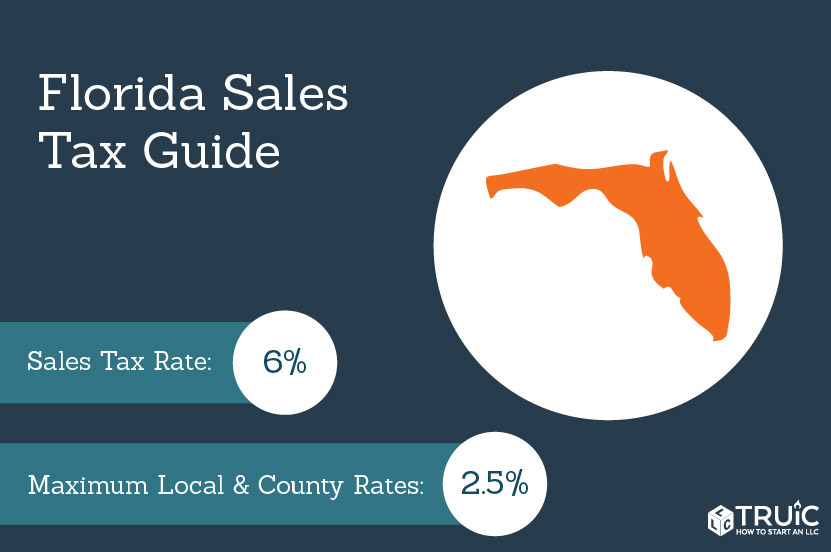
Florida imposes a statewide sales tax rate of 6%. This is the baseline you’ll pay on taxable purchases across all 67 counties. However, many counties also levy an additional local option sales tax, often referred to as a “discretionary sales surtax.” These surtaxes vary significantly by county, ranging from 0% to as high as 2.5%, meaning the combined sales tax rate can climb to 7.5% or even 8.5% in certain areas.
For example, popular tourist hubs like Orange County (home to Orlando’s major theme parks) and Miami-Dade County (encompassing Miami and South Beach) typically have a higher combined sales tax rate. This means that a purchase made at a boutique in the Art Deco Historic District of Miami Beach will incur a different total sales tax than the same item bought in a smaller town in a county without a local surtax. It’s always a good idea to check the specific county’s sales tax rate when planning major purchases or budgeting for daily expenses.
What is Taxed and What is Exempt?
The Florida sales tax applies to most tangible personal property, meaning most physical goods you buy. This includes clothing, electronics, gifts, souvenirs, and even items purchased from grocery stores that are not considered “food products” (e.g., paper towels, cleaning supplies).
Common taxable items for tourists include:
- Restaurant Meals and Drinks: Dining out, whether at a casual diner, an upscale eatery, or a trendy bar, will always include sales tax on your bill.
- Retail Purchases: Shopping for fashion, electronics, beachwear, or gifts will incur sales tax.
- Admission Tickets: Entrance fees to attractions, theme parks, museums, concerts, and sporting events are typically subject to sales tax.
- Rental Items: This includes items like bicycles, beach chairs, boats, and other recreational equipment you might rent for a day or a week.
Notable exemptions that can help travelers save include:
- Groceries: Most unprepared food items purchased at a grocery store for home consumption are exempt from sales tax. This means buying ingredients for a meal at your vacation rental can be a cost-effective choice.
- Prescription Medicines: Essential healthcare items are typically exempt.
- Certain Services: While some services are taxed, many professional services are not, though this is less relevant for the average tourist’s daily spending.
Understanding these distinctions can help you make informed decisions, especially when deciding between dining out and preparing meals in your apartment or villa.
Accommodation Taxes: Understanding Your Stay’s True Cost
One of the most significant tax considerations for any visitor to Florida revolves around where they choose to stay. Beyond the nightly rate, hotels, resorts, vacation rentals, and other forms of accommodation are subject to specific taxes that can notably impact your total bill.
Florida Tourist Development Tax (TDT) / “Bed Tax”
The Florida Tourist Development Tax, often colloquially known as the “bed tax” or “resort tax,” is a local option tax levied by counties on short-term rentals. Its primary purpose is to fund tourism promotion, beach renourishment projects, and convention center operations, directly benefiting the tourism industry. This tax is applied to rentals of six months or less and is a crucial revenue stream for county tourism boards like Visit Florida.
Key aspects of the TDT:
- County-Specific Rates: The TDT rate varies widely from county to county, typically ranging from 2% to 6%. For instance, Orange County and Miami-Dade County often have higher TDT rates (e.g., 6%) due to their immense tourism volumes. Other counties like Pinellas County (St. Pete/Clearwater area) or Monroe County (Key West) also impose significant TDTs.
- Applicability: This tax applies to virtually all types of transient accommodation, including traditional hotels and motels, timeshare units, vacation rentals (like those booked through Airbnb or VRBO), and even campgrounds offering temporary lodging.
- What it Funds: The revenue generated by the TDT is directly reinvested into the tourism ecosystem. This includes advertising campaigns to attract visitors, maintaining public landmarks and attractions, and improving tourism-related infrastructure. These investments ultimately enhance the visitor experience and sustain the industry.
When booking your stay, whether it’s a luxury suite in Fort Lauderdale, a family villa near Busch Gardens Tampa Bay, or a cozy apartment on Anna Maria Island, make sure to look for the “taxes and fees” breakdown, as the TDT will be listed there.
State Sales Tax on Accommodations
In addition to the county-specific Tourist Development Tax, the statewide 6% sales tax also applies to the rental of living or sleeping accommodation. This means you’ll pay both the state sales tax and the local TDT on your lodging bill.
Combined Impact:
Let’s consider an example. If you’re staying in Orlando (Orange County), you might encounter a 6.5% county sales surtax and a 6% TDT, in addition to the state’s 6% sales tax. This means for every dollar spent on your nightly rate, you could be paying approximately 18.5% in combined taxes (6% state sales tax + 0.5% county sales surtax + 6% TDT). This can significantly increase the actual cost of your hotel room, resort stay, or vacation rental.
Always factor these taxes into your budget when comparing prices for accommodation. The headline price you see on booking websites often doesn’t include these taxes until the final checkout page, leading to sticker shock if you’re not prepared.
Transportation and Leisure: Additional Tax Considerations
Beyond the essentials of lodging and dining, other aspects of your Florida trip also come with their own tax implications, particularly concerning transportation and leisure activities.
Rental Car Surcharges and Taxes
Exploring Florida’s diverse regions, from the Gulf Coast to the Atlantic Coast, often involves renting a car. While immensely convenient, rental cars come with a unique set of taxes and fees that can inflate the advertised daily rate.
Key rental car taxes and fees:
- State Sales Tax: The standard 6% Florida sales tax, plus any applicable local surtaxes, applies to the rental car charge itself.
- State Surcharge: Florida levies a mandatory $2.00 per day surcharge on all rental cars for the first 30 days of the rental period. This specific fee contributes to the state’s transportation infrastructure.
- County Rental Car Surcharges: Some counties may impose additional local surcharges on rental cars. These are less common than general sales surtaxes but can appear in high-traffic tourist areas.
- Airport Concession Fees/Customer Facility Charges: While not a tax in the strictest sense, these fees are often mandated by airports and passed on to the customer by rental car companies. They typically cover the cost of airport facilities and operations.
The cumulative effect of these charges can significantly increase the actual price of your rental car, sometimes by 20% or more above the base rate. Always review the full breakdown of charges before confirming your booking to avoid surprises at the counter.
Amusement and Entertainment Taxes
Florida is synonymous with world-class entertainment, from the enchanting parades at Walt Disney World Resort to the thrilling rides at Universal Orlando Resort and the natural wonders of Everglades National Park. Most tickets for these attractions are subject to Florida’s sales tax.
Examples of taxed entertainment:
- Theme Park Tickets: Whether you’re visiting Magic Kingdom, Epcot, Universal Studios, Islands of Adventure, Busch Gardens Tampa Bay, or SeaWorld Orlando, the admission price will have sales tax added.
- Museums and Galleries: Entry fees to cultural institutions, such as The Ringling in Sarasota or the Kennedy Space Center Visitor Complex, are generally subject to sales tax.
- Concerts and Sporting Events: Tickets to live performances, music festivals, or professional sports games in cities like Tampa or Miami will also include sales tax.
- Boat Tours and Excursions: Many recreational tours, such as airboat rides in the Everglades or dolphin-watching cruises off Key West, will have sales tax applied to their cost.
It’s crucial to remember that the advertised price for these experiences often excludes taxes, which are calculated at checkout. Accounting for this extra percentage will help prevent overspending on your entertainment budget.
Budgeting for Your Florida Adventure: Smart Planning Tips
A fantastic Florida trip begins with thorough planning, and a significant part of that is understanding and accounting for taxes. By adopting a proactive approach, you can ensure your budget accurately reflects the true cost of your journey.
Research and Verification are Key
- Check County-Specific Rates: Before booking accommodation or planning major purchases, research the specific sales tax and Tourist Development Tax rates for the counties you plan to visit. Websites for county tax collectors or local tourism boards (like Visit Florida) are excellent resources. For example, Palm Beach County will have different rates than Collier County or Duval County.
- Scrutinize Booking Confirmations: When booking hotels, vacation rentals, or rental cars, always review the “taxes and fees” section before finalizing your payment. Many online travel agencies or direct booking sites display a base price, with taxes and other surcharges only appearing on the final summary page. This ensures you’re aware of the all-inclusive price rather than just the tempting nightly rate.
- Factor in for Everything: Don’t just think about taxes on big-ticket items. Every time you buy a coffee, a snack, a souvenir, or a drink at a bar, the sales tax will be added. While individually small, these add up over a multi-day trip. Budgeting an extra 7-8% on daily expenses like food and casual shopping is a good rule of thumb.
Long-Term Stays and Property
For those considering extended stays, perhaps renting an apartment or villa for several months, or even purchasing a vacation home in a place like Sanibel Island, additional tax implications arise. While short-term rentals are subject to the TDT and sales tax, rentals exceeding six months are generally considered long-term and are typically exempt from these specific transient taxes. However, longer-term residents or property owners will encounter other taxes, such as property taxes, which are collected at the county level and can vary significantly based on location, property value, and homestead exemptions. For individuals considering property investment or very long-term stays, consulting with a local real estate agent or tax advisor is highly recommended.
Enjoying Florida Responsibly
Ultimately, a small investment of time in understanding Florida’s tax structure can yield significant peace of mind and help you avoid unexpected costs. The taxes you pay contribute directly to maintaining the beautiful environment, world-class attractions, and exceptional infrastructure that make Florida a dream destination for so many. By being informed, you can allocate your resources wisely and focus on creating unforgettable memories, whether you’re lounging on the beaches of Destin, exploring the vibrant culture of Miami, or finding adventure in The Florida Keys. Plan ahead, budget smartly, and prepare to soak up all the sun and fun the Sunshine State has to offer!
LifeOutOfTheBox is a participant in the Amazon Services LLC Associates Program, an affiliate advertising program designed to provide a means for sites to earn advertising fees by advertising and linking to Amazon.com. Amazon, the Amazon logo, AmazonSupply, and the AmazonSupply logo are trademarks of Amazon.com, Inc. or its affiliates. As an Amazon Associate we earn affiliate commissions from qualifying purchases.