
Planning a trip to a vibrant city like Seattle, Washington, involves meticulous preparation, from securing the perfect accommodation and planning your itinerary to understanding the local culture and transportation. One often-overlooked yet critically important detail, particularly for travelers crossing multiple longitudes, is the local time zone. Knowing the time zone in Seattle is not just a matter of curiosity; it’s essential for coordinating flights, hotel check-ins, tour schedules, business meetings, and even managing the dreaded jet lag.
Seattle, the largest city in Washington State, operates within the Pacific Time Zone. This means it observes two distinct time settings throughout the year: Pacific Standard Time (PST) during the cooler months and Pacific Daylight Time (PDT) for the spring and summer. This article delves into the specifics of Seattle’s time zone, its implications for travelers and residents alike, and offers practical advice for navigating time differences to ensure your visit is as smooth and enjoyable as possible.
Decoding Seattle’s Time Zone: Pacific Standard Time and Daylight Saving
Understanding Seattle’s position within the global timekeeping framework begins with recognizing its primary time zone and how it adapts throughout the year. The Pacific Time Zone is a fundamental aspect of life on the United States‘ west coast, impacting daily routines and national schedules.
What is the Pacific Time Zone?
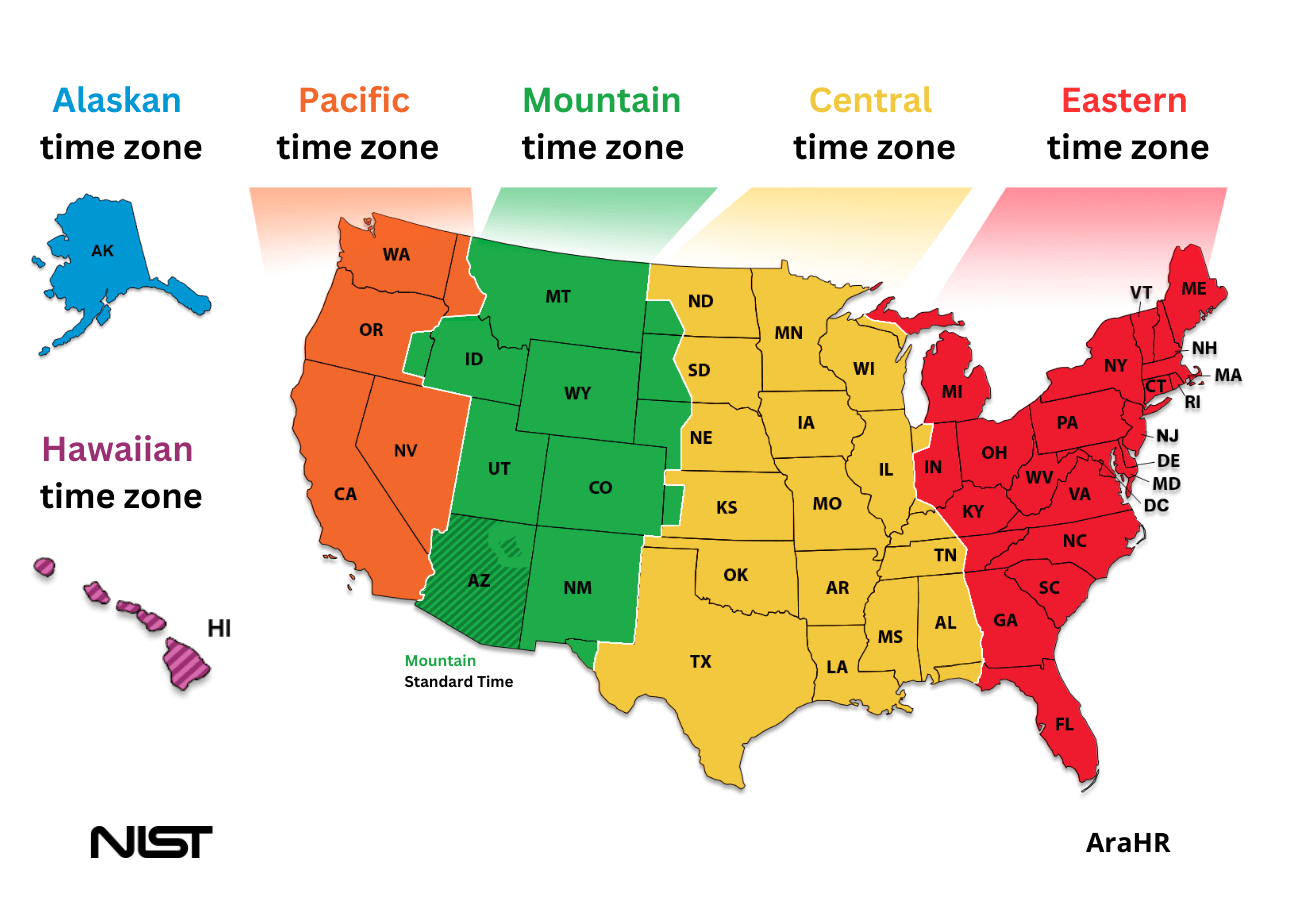
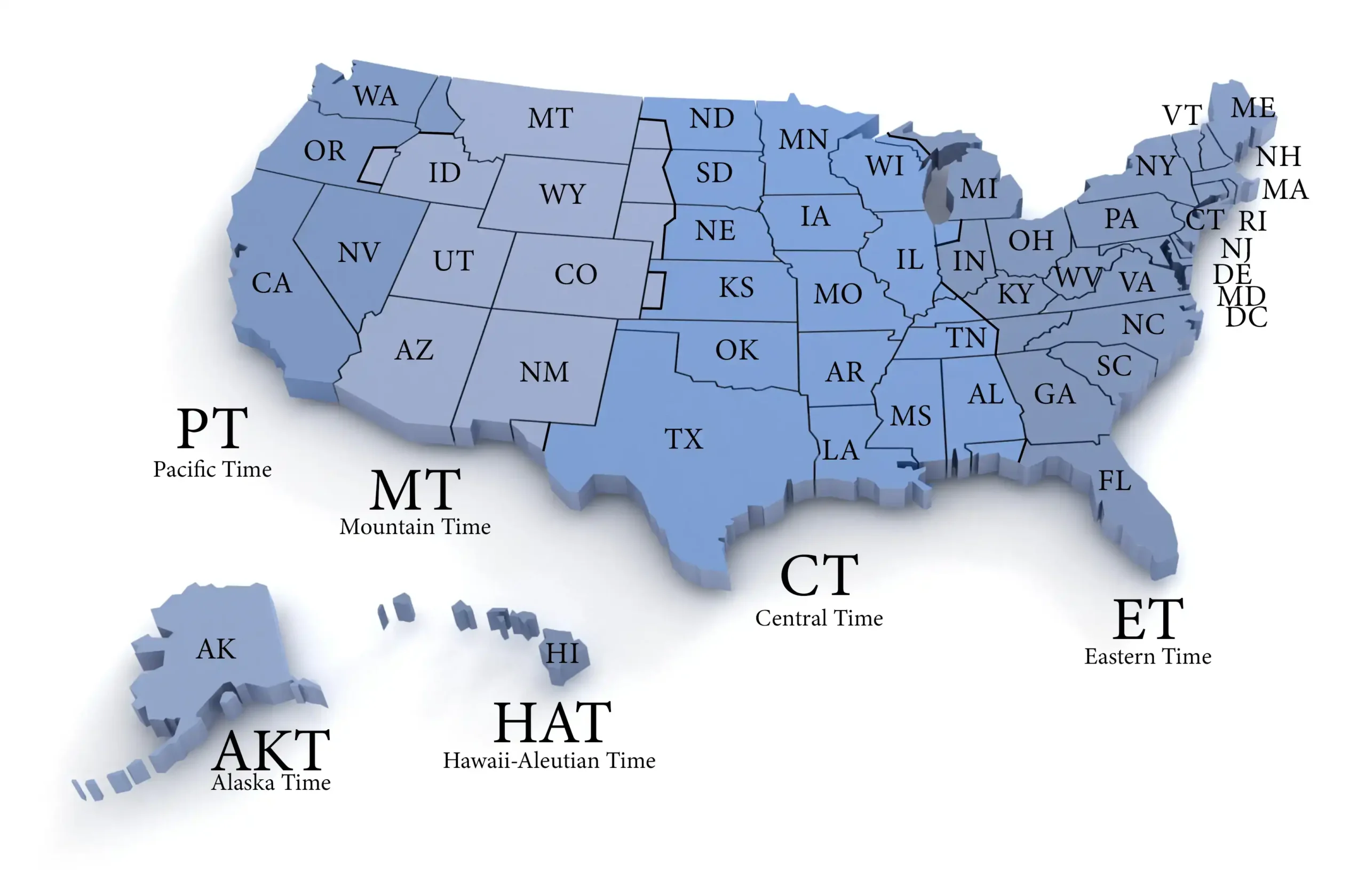
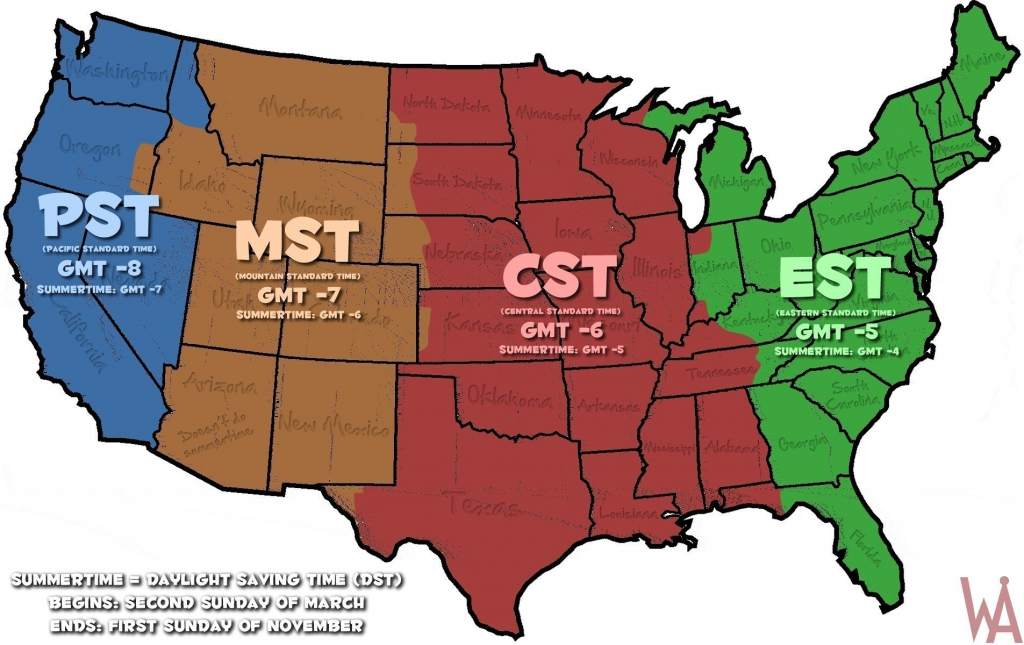
The Pacific Time Zone encompasses the westernmost states of the contiguous United States, along with parts of Canada and Mexico. When observing Pacific Standard Time (PST), Seattle is eight hours behind Coordinated Universal Time (UTC) – often expressed as UTC-8. UTC, formerly known as Greenwich Mean Time (GMT), serves as the world’s primary time standard, against which all other time zones are offset. This UTC offset means that if it’s noon UTC, it would be 4:00 AM in Seattle during PST.
The adoption of standardized time zones across the globe in the late 19th century revolutionized communication and travel. Before their implementation, each locality used its own local solar time, leading to immense confusion for railway schedules and intercity coordination. The United States was instrumental in this shift, dividing the country into four primary time zones: Eastern, Central, Mountain, and Pacific. The Pacific Time Zone covers the states of Washington, Oregon, California, and Nevada, along with a sliver of Idaho. Other North American regions, such as British Columbia in Canada and Baja California in Mexico, also adhere to this time standard, fostering seamless cross-border interactions.
The Transition to Pacific Daylight Time
Like most of the United States, Seattle observes Daylight Saving Time (DST). This annual practice involves advancing clocks by one hour during warmer months to make better use of natural daylight. When Daylight Saving Time is in effect, Pacific Standard Time transitions to Pacific Daylight Time (PDT). During PDT, Seattle is seven hours behind UTC (UTC-7).
The change occurs twice a year:
- Spring Forward: On the second Sunday in March, clocks “spring forward” one hour at 2:00 AM local time. So, 2:00 AM becomes 3:00 AM, effectively “losing” an hour of sleep but gaining an hour of daylight in the evening.
- Fall Back: On the first Sunday in November, clocks “fall back” one hour at 2:00 AM local time. This means 2:00 AM becomes 1:00 AM, allowing for an extra hour of sleep and shifting daylight to the morning.
It’s important to note that while most of the United States observes Daylight Saving Time, there are exceptions. Arizona (with the exception of the Navajo Nation) and Hawaii, for instance, do not participate in DST, maintaining a consistent time offset year-round. This makes understanding the specific practices of your destination, such as Seattle’s commitment to Daylight Saving Time, crucial for accurate planning.
Why Time Zones are Crucial for Seattle Travelers
For anyone planning a visit to Seattle, a comprehensive understanding of its time zone is not just a trivial detail but a cornerstone for a successful and stress-free trip. It directly impacts everything from initial travel logistics to daily activities and communication with those back home.
Seamless Travel Planning and Accommodation Bookings
Imagine booking a flight, a luxury suite at a downtown hotel, or a guided tour, only to miss it because of a time zone miscalculation. This scenario, while seemingly avoidable, is a common pitfall for many travelers. When arranging flights to Seattle, all arrival and departure times will be listed in local time. If you’re flying from the East Coast, a three-hour time difference means a 9:00 AM flight departure on Eastern Time will land you in what feels like early morning in Seattle relative to your body clock.
Similarly, booking accommodations requires strict adherence to local time. Hotel check-in times, typically in the afternoon, and check-out times, usually around noon, are always based on the local time zone. Arriving too early or too late without prior arrangement can lead to extra charges, waiting for your room, or even losing your reservation. Whether you’ve opted for a boutique hotel, a spacious apartment rental, or a cozy villa, confirming these times in advance, always referencing Seattle’s PST or PDT, ensures a smooth transition from arrival to settling into your chosen haven. For long-term stays, particularly for business travelers, managing meeting schedules across different time zones is paramount for effective communication and productivity.
Maximizing Your Seattle Experience: Attractions and Activities
Seattle is brimming with iconic landmarks, cultural attractions, and unique experiences. From ascending the Space Needle to exploring the bustling stalls of Pike Place Market, or marveling at the glass artistry at Chihuly Garden and Glass, each activity operates on a local schedule. Misjudging the time could mean arriving after closing hours, missing the start of a timed entry, or being too late for the last ferry departure to Bainbridge Island.
Many popular attractions, such as the Museum of Pop Culture (MoPOP) or the Seattle Art Museum (SAM), have specific opening and closing times that vary by day or season. Tour operators, whether for a scenic cruise on Puget Sound, a whale-watching excursion, or a day trip to Mount Rainier or Olympic National Park, adhere to strict departure schedules. Arriving even a few minutes late can result in missing your slot and potentially losing your booking fee. By staying cognizant of Seattle’s current time, travelers can perfectly orchestrate their daily adventures, ensuring they experience all the city has to offer without unnecessary hiccups. This level of planning is crucial for both leisure tourists seeking immersive cultural experiences and those on business trips looking to explore during downtime.
Practical Strategies for Navigating Time Differences
Traveling across time zones can be exhilarating, but it also presents challenges, primarily in the form of jet lag and the need for meticulous time management. Employing a few strategic approaches can significantly smooth your transition into Seattle’s local rhythm.
Combating Jet Lag for a Refreshed Arrival
Jet lag, a temporary sleep disorder caused by rapid travel across multiple time zones, can significantly dampen the initial days of your trip. The body’s internal clock, or circadian rhythm, struggles to adjust to the new light-dark cycle, leading to fatigue, irritability, and difficulty concentrating. While you can’t entirely eliminate jet lag, you can certainly mitigate its effects:
- Adjust Before You Go: A few days before your departure for Seattle, gradually shift your sleep schedule by an hour or two in the direction of your destination. If traveling west, try to stay up later and wake up later.
- Stay Hydrated: Dehydration can exacerbate jet lag symptoms. Drink plenty of water before, during, and after your flight, and limit alcohol and caffeine intake, as they can disrupt sleep patterns.
- Embrace Natural Light: Upon arrival in Seattle, expose yourself to natural daylight as much as possible, especially in the morning. This helps reset your body clock to the local time. Conversely, avoid bright lights in the evening.
- Strategic Sleep: Try to stick to Seattle’s local sleep schedule from day one. If you arrive early in the morning, resist the urge to nap for too long; instead, push through until a reasonable bedtime.
- Light Exercise: Gentle physical activity can help alleviate fatigue and promote better sleep at night.
By proactively addressing jet lag, you’ll be better prepared to enjoy Seattle’s vibrant lifestyle, from its world-class museums to its bustling waterfront, without feeling constantly drained.
Essential Tools and Tips for Time Management
In today’s interconnected world, managing time differences has become far simpler thanks to technology and readily available information.
- Time Zone Converter Apps: Your smartphone is an invaluable tool. Numerous apps and built-in features allow you to instantly convert times between your home location and Seattle. This is particularly useful for scheduling calls with family or colleagues who are in different time zones.
- Dual Time Zone Watches: For those who prefer analog solutions, a watch with a dual time zone display can be a convenient way to keep track of both local time and your home time simultaneously.
- Confirm All Reservations: Before embarking on your journey, double-check all your bookings – flights, hotels, restaurant reservations, tour times – and explicitly confirm they are understood in Seattle’s local time. It’s also wise to verify if Daylight Saving Time will be in effect during your travel dates, as this will change the UTC offset.
- Communication Protocols: If you’re traveling for business or need to coordinate with people in vastly different time zones, establish clear communication protocols. Agree on a common time zone for scheduling (e.g., all times listed in UTC or Pacific Time) to avoid misunderstandings.
- Local Time Awareness: Simply make it a habit to constantly refer to the local time on your phone or watch. When making plans with locals or consulting schedules, always confirm you are referencing the current Seattle time.
These straightforward tips will ensure that your visit to Seattle remains organized and efficient, allowing you to focus on the unique experiences the city offers rather than being bogged down by time-related anxieties.
Seattle Beyond the Clock: Embracing the Local Lifestyle
While understanding Seattle’s time zone is practical, the ultimate goal is to immerse yourself in the city’s vibrant culture and diverse offerings. From its renowned culinary scene to its proximity to breathtaking natural beauty, Seattle provides a rich tapestry of experiences that cater to every type of traveler.
From Iconic Landmarks to Culinary Delights
Seattle’s identity is shaped by a fascinating blend of urban sophistication and natural splendor. The city is home to several iconic landmarks that draw visitors from around the globe. Beyond the aforementioned Space Needle and Pike Place Market, visitors can explore the aquatic wonders at the Seattle Aquarium, delve into the history of flight at the Museum of Flight, or enjoy a peaceful stroll through the Woodland Park Zoo. Each of these destinations offers unique insights into the city’s history, innovation, and commitment to conservation, all operating within the local time framework, making your awareness of PST or PDT critical for a well-planned visit.
Beyond the sights, Seattle is a culinary paradise, famous for its fresh seafood, artisanal coffee culture, and diverse restaurant scene. From gourmet dining experiences in Pioneer Square to casual eateries in Fremont and the international flavors of the International District, there’s something to tantalize every palate. Enjoying these experiences, whether it’s a reservation at a popular restaurant or an impromptu coffee break, relies on being present and synchronized with the local time. The ability to seamlessly navigate the city’s schedule allows you to fully engage with its food, art, and community, transforming a simple trip into a memorable journey.
Furthermore, Seattle’s proximity to stunning natural landscapes provides unparalleled opportunities for outdoor adventures. Day trips to the majestic Mount Rainier or the rugged coastlines of Olympic National Park require early starts and careful planning, where every hour counts. Even a simple ferry ride across Puget Sound offers breathtaking views and a refreshing escape, with departure times strictly adhering to the local clock. Whether your lifestyle leans towards luxury travel with curated experiences or budget-friendly explorations, syncing with Seattle’s time zone is the first step to unlocking all these adventures.
In conclusion, knowing that Seattle, Washington, operates on Pacific Standard Time (UTC-8) and Pacific Daylight Time (UTC-7) is more than just a piece of geographical trivia. It’s a fundamental aspect of travel planning that impacts every facet of your visit, from the moment your plane touches down to your final departure. By understanding the nuances of Seattle’s time zone and applying practical strategies for managing time differences, you can ensure a smooth, enjoyable, and deeply immersive experience in this captivating Pacific Northwest gem.
LifeOutOfTheBox is a participant in the Amazon Services LLC Associates Program, an affiliate advertising program designed to provide a means for sites to earn advertising fees by advertising and linking to Amazon.com. Amazon, the Amazon logo, AmazonSupply, and the AmazonSupply logo are trademarks of Amazon.com, Inc. or its affiliates. As an Amazon Associate we earn affiliate commissions from qualifying purchases.