
Imagine this: You’ve just booked your dream vacation to Florida, the Sunshine State, envisioning pristine beaches, thrilling theme parks, and serene natural escapes. You picture yourself lounging by a pool in Miami, exploring the magic of Walt Disney World Resort in Orlando, or discovering the historic charm of St. Augustine. The last thing you want is a barrage of unsolicited phone calls, telemarketing pitches, or the looming threat of travel scams interrupting your peace of mind before, during, or after your trip. For many travelers, the idea of a “Do Not Call List” extends beyond just unwanted sales calls at home; it encapsulates the desire for an undisturbed, genuine travel experience.
Florida is a global magnet for tourism, drawing millions each year with its diverse attractions, luxurious resorts, and vibrant culture. Unfortunately, this popularity also makes it a prime target for opportunistic individuals and companies looking to exploit travelers’ excitement and aspirations. From high-pressure timeshare pitches to misleading vacation club memberships and outright fraudulent travel deals, the landscape can be fraught with potential pitfalls. This comprehensive guide aims to empower you with the knowledge and tools to effectively navigate these challenges, ensuring your Florida getaway is as tranquil and enjoyable as you envision. We’ll delve into how the Do Not Call List works, specific Florida-centric issues, common travel scams, and proactive steps you can take to protect your vacation and your wallet.
The Florida Experience: Sunshine, Scams, and Solicitations
Florida holds an undeniable allure. Whether it’s the family-friendly excitement of Universal Orlando Resort, the dazzling nightlife of South Beach, or the natural wonders of the Everglades, the state promises an unforgettable experience. However, with such a massive influx of visitors comes a less desirable phenomenon: a heightened potential for unwanted solicitations and scams targeting tourists. Travelers, often in a relaxed and trusting mindset, can become vulnerable to schemes that promise too much for too little.
One of the most pervasive forms of unwanted solicitation in Florida comes in the guise of timeshare presentations. Visitors to popular destinations like Orlando, Tampa, or Fort Lauderdale are frequently approached with offers of free theme park tickets, restaurant vouchers, or discounted accommodations in exchange for attending a sales pitch. While not all timeshare companies are disreputable, the high-pressure sales tactics employed by some can turn a vacation into a stressful ordeal. Beyond timeshares, travelers might encounter unsolicited calls or emails promoting “exclusive” vacation packages, often at unbelievably low prices, or inviting them to join various “travel clubs” that promise lifelong discounts. These can range from legitimate (but often overpriced) memberships to outright fraudulent schemes designed to take your money without delivering on their promises. The sheer volume of tourism in Florida means a greater likelihood of encountering these types of pitches, making it essential for every visitor to be vigilant and informed. Understanding how to block these interruptions, metaphorically and literally, is key to preserving your peace.
Safeguarding Your Serenity: Understanding the Do Not Call List in Florida
The concept of a “Do Not Call List” is a powerful tool designed to give consumers control over telemarketing calls. While primarily aimed at domestic telemarketing, its principles and the protections it offers are highly relevant to anyone planning a trip to a popular destination like Florida, where travel-related solicitations are common.
Registering Your Number: The First Line of Defense
The National Do Not Call Registry is the federal government’s official list for consumers who want to reduce the number of telemarketing calls they receive. Registering your phone number on this list is a simple, free process that can significantly cut down on unwanted interruptions. You can register both your home and mobile phone numbers, and once registered, they remain on the list permanently. Most legitimate telemarketers are required by law to check the registry and refrain from calling registered numbers.
However, it’s important to understand the limitations. The National Do Not Call Registry primarily applies to legitimate businesses. It does not block calls from political organizations, charities, or companies with whom you have an existing business relationship (e.g., your airline, hotel chain like Marriott International or Hilton Worldwide, or a cruise line like Carnival Cruise Line you’ve previously sailed with). Furthermore, it doesn’t stop illegal robocalls or scam calls, as criminals don’t adhere to these regulations. Nevertheless, it’s an indispensable first step in filtering out a large portion of unwanted solicitations that could otherwise disrupt your pre-travel planning or even follow you while you’re enjoying the beaches of Sarasota or the theme parks of Kissimmee.
Florida’s Specific Protections and Beyond
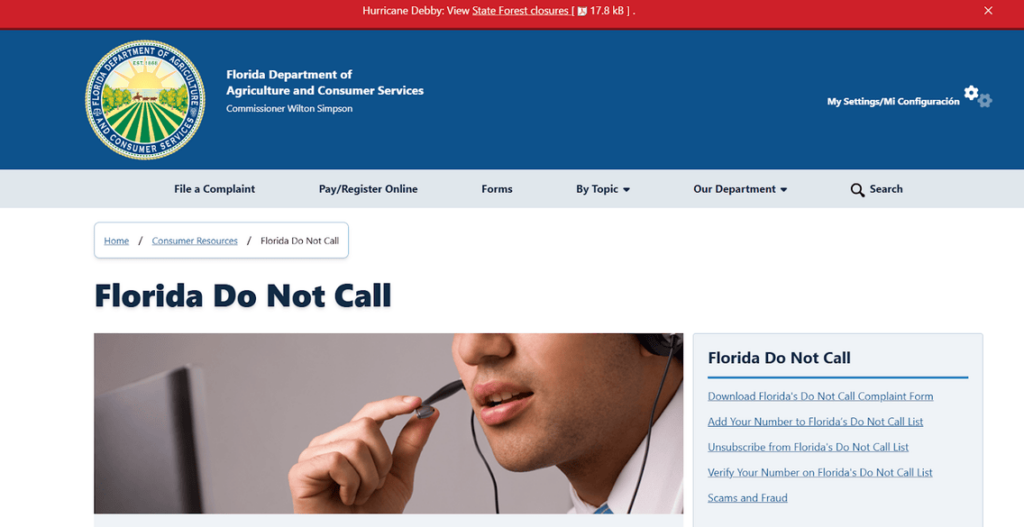
Beyond the federal registry, Florida has its own specific consumer protection laws, often managed by entities like the Florida Department of Agriculture and Consumer Services. These state-level protections can offer additional layers of defense against telemarketing abuses and fraudulent practices, sometimes covering areas not fully addressed by federal law. It’s always a good idea to be aware of local regulations, especially when dealing with high-value transactions or persistent solicitations during your stay.
For instance, Florida’s robust tourism industry means that local authorities are often proactive in addressing issues that tarnish the state’s reputation as a premier travel destination. Organizations like Visit Florida work to promote legitimate tourism and can be a resource for information on reputable businesses. In addition to official registries and laws, technology offers immediate solutions. Most smartphones today come with robust call-blocking features, allowing you to manually block numbers that repeatedly call you or report them as spam. There are also third-party apps available that identify and block spam calls automatically. While these solutions are not a replacement for legal protections, they provide an immediate barrier against digital intrusions, letting you focus on your itinerary, whether it’s exploring Key West’s charm or delving into the history of Castillo de San Marcos in St. Augustine. Staying informed and utilizing these tools ensures your travel planning and actual vacation remain undisturbed by unwanted solicitations.
Common Travel Scams and How to Spot Them
While the Do Not Call List helps with telemarketing, it doesn’t cover all forms of travel-related fraud. In a high-traffic tourist destination like Florida, various scams proliferate, preying on travelers’ excitement and desire for a good deal. Recognizing these common schemes is crucial for protecting your financial and personal information, allowing you to enjoy your visit to Busch Gardens Tampa Bay or the beaches of Panama City Beach without regret.
The Timeshare Trap: A Persistent Florida Peril
Timeshare presentations are perhaps the most notorious form of solicitation in Florida. Often, tourists are approached in high-traffic areas, like near theme parks or shopping centers, with seemingly irresistible offers: free tickets to Epcot, a complimentary stay at a luxury resort like The Breakers Palm Beach, or significant discounts on other attractions. The catch? You must attend a “brief” timeshare presentation, which often turns into several hours of high-pressure sales tactics. While purchasing a timeshare can be a legitimate investment for some, many travelers find themselves pressured into signing contracts they don’t fully understand, committing to long-term financial obligations that far outweigh the initial “freebies.”
Tips for navigating timeshare offers: Be wary of anyone offering something for “free” in exchange for your time. If you decide to attend, go in with a firm “no” and stick to it. Never sign anything under pressure, and always take the contract to review it thoroughly elsewhere. Understand that the initial offer is designed to get you in the door, and the sales pitch is designed to wear down your resistance. Remember, a vacation at Disney’s Contemporary Resort should be about enjoyment, not commitment to a long-term property.
Discounted Deals That Are Too Good to Be True
The promise of an incredibly cheap vacation package, cruise, or airline ticket is a classic scam tactic. You might receive unsolicited calls, emails, or even social media messages promoting deals that seem too good to be true – often because they are. These scams often demand immediate payment to secure the “deal,” pressure you into providing personal financial information, or direct you to dubious websites. They might claim to represent reputable companies like Delta Air Lines or Royal Caribbean International but are in fact phishing for your data or simply taking your money without providing any actual travel services.
How to avoid these scams: Always book travel through reputable websites (e.g., Booking.com, Expedia), directly with the airline, hotel chain (like Hyatt Hotels Corporation), or cruise line, or through a trusted travel agent. If you receive an unsolicited offer, independently verify its legitimacy by contacting the actual company directly using their official contact information, not the one provided in the suspicious message. Be suspicious of requests for payment via wire transfer, gift cards, or unconventional methods.
Vacation Clubs and Membership Scams
Similar to timeshares but often with less tangible assets, vacation clubs and travel memberships promise exclusive access to discounted travel, concierge services, and luxurious accommodations for a one-time fee or recurring dues. While some legitimate travel clubs exist, many are elaborate schemes where members pay significant upfront costs only to find that the “exclusive deals” are unavailable, significantly marked up, or simply don’t exist. These often involve high-pressure sales presentations in a setting away from your chosen destination, such as near St. Pete Beach or Naples, aiming to capitalize on your vacation excitement.
Protect yourself: Scrutinize all contracts carefully. Research the company thoroughly on sites like the Better Business Bureau or TripAdvisor. Look for reviews and complaints, especially concerning hidden fees, availability issues, or difficulty cancelling. If it sounds like an incredible deal for an annual fee, ask yourself why major travel platforms aren’t offering the same. Real value often comes from transparency and verifiable benefits, not secrets or exclusive access that can’t be confirmed.
Proactive Measures for a Peaceful Florida Getaway
Beyond understanding and avoiding scams, adopting a proactive approach to your travel planning can significantly enhance your experience in Florida, ensuring it’s free from disturbances and full of positive memories. This isn’t just about avoiding unwanted calls, but about curating an uninterrupted lifestyle during your vacation.
Researching Accommodation and Activities Wisely
The internet is an invaluable resource for planning your trip, but it also requires discernment. When booking hotels, villas, or apartments, always use reputable platforms like Booking.com, Expedia, or directly through well-known hotel brands such as Hyatt Hotels Corporation or Hilton Worldwide. For unique stays, Airbnb can be great, but always check host reviews and ratings diligently. Be wary of deals advertised on lesser-known sites or via unsolicited emails that seem drastically cheaper than elsewhere.
For activities and attractions, whether it’s planning a day at Magic Kingdom or a trip to the Kennedy Space Center Visitor Complex, purchase tickets from official vendor websites or trusted resellers. Always read recent reviews on sites like TripAdvisor to get a real sense of other travelers’ experiences. This due diligence helps you avoid not only financial scams but also disappointing experiences that can taint your vacation. Understanding what to expect ensures that your precious time in Florida is spent on genuine enjoyment.
Digital Detox and Setting Boundaries
One of the most profound ways to achieve an uninterrupted Florida getaway is to intentionally disconnect. While registering for the National Do Not Call Registry helps prevent unsolicited calls to your phone, consider a broader “digital detox.” Inform close contacts of your vacation dates and set an out-of-office reply for work emails. Utilize the “Do Not Disturb” function on your phone, or even airplane mode during designated relaxation times, perhaps while exploring Diagon Alley at Universal Studios Florida or the tranquil beaches of Amelia Island.
Many hotels, from boutique resorts to large chains like Hyatt, offer “Do Not Disturb” signs for your door. Use them without hesitation. The goal is to create a physical and digital barrier against interruptions, allowing you to fully immerse yourself in the local culture of Miami Beach‘s Art Deco Historic District, the thrills of Islands of Adventure, or the serene beauty of Dry Tortugas National Park. Your vacation is your time to recharge, and setting clear boundaries with the outside world is a powerful step towards achieving true relaxation.

What to Do If You’re Targeted
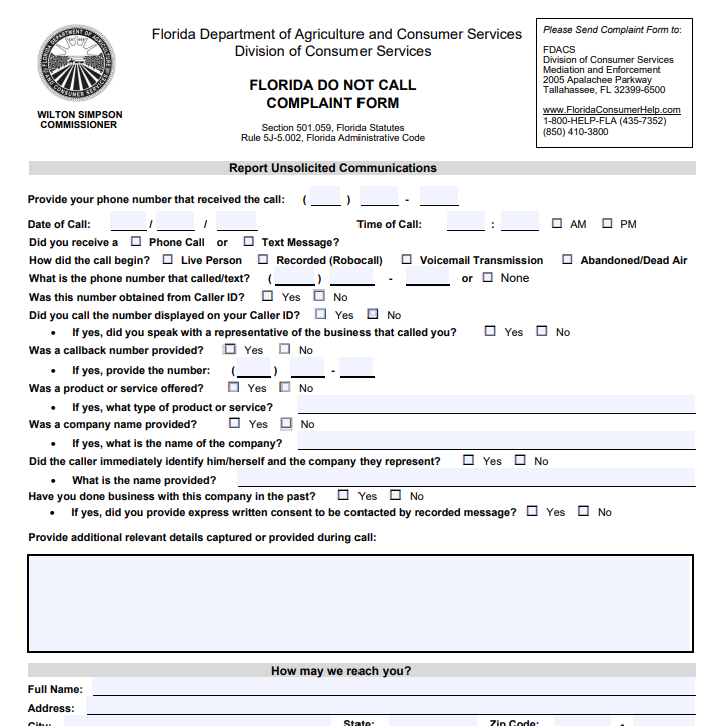
Despite all precautions, you might still encounter unwanted calls or suspicious offers. If you receive telemarketing calls after your number has been on the National Do Not Call Registry for over 31 days, you can file a complaint with the Federal Trade Commission (FTC). The FTC investigates these complaints, and consistent reports can lead to enforcement actions against violating companies.
For travel-specific scams or fraudulent activity within Florida, also consider reporting to the Florida Department of Agriculture and Consumer Services or the Better Business Bureau. It’s crucial to document everything: dates and times of calls, names of companies or individuals, phone numbers, and any specific details of the offer or scam. While reporting might not immediately retrieve lost funds, it contributes to a larger database that helps authorities track and prosecute offenders, protecting future travelers. Empowering yourself with this knowledge ensures that even if an attempt is made to disrupt your vacation, you know how to respond effectively and advocate for your rights as a consumer in the United States.
By being informed, vigilant, and proactive, your Florida vacation can truly be a time of uninterrupted bliss. Enjoy the sunshine, the attractions, and the unique experiences the state has to offer, confident that you’ve taken the necessary steps to keep unwanted disturbances at bay.
LifeOutOfTheBox is a participant in the Amazon Services LLC Associates Program, an affiliate advertising program designed to provide a means for sites to earn advertising fees by advertising and linking to Amazon.com. Amazon, the Amazon logo, AmazonSupply, and the AmazonSupply logo are trademarks of Amazon.com, Inc. or its affiliates. As an Amazon Associate we earn affiliate commissions from qualifying purchases.