
The year is 1774. Tensions are simmering in Colonial America, particularly in the bustling port city of Boston. This vibrant hub of commerce and culture, a focal point for trade and a burgeoning center of revolutionary sentiment, was about to be brought to its knees by an act of Parliament that would irrevocably alter the course of history: The Boston Port Act. More than just a punitive measure, this legislation was a declaration of war on a city, transforming its lively harbor into a silent expanse and sparking a unity among the colonies that would ultimately lead to the birth of a nation.

For today’s travelers exploring the historical richness of Boston, understanding the Boston Port Act offers a profound appreciation for the resilience of its early inhabitants and the foundational struggles that shaped American identity. From the cobblestone streets that once hummed with mercantile activity to the iconic landmarks that stood witness to these events, the story of the Boston Port Act is woven into the very fabric of the city’s tourism experience, offering a compelling narrative that transcends mere historical dates and speaks to the spirit of a people.
The Crucible of Conflict: Precursors to the Blockade
To fully grasp the significance of the Boston Port Act, one must first appreciate the volatile atmosphere that preceded it. Decades of escalating grievances between Great Britain and its American colonies had created a powder keg, with Boston often at the epicenter of colonial defiance.
Seeds of Revolution and Economic Control
The roots of discontent ran deep, fueled by a series of parliamentary acts designed to exert greater control over colonial economies and extract revenue to pay for imperial wars. Measures like the Sugar Act (1764), the Stamp Act (1765), and the Townshend Acts (1767) were met with fervent opposition, as colonists argued against taxation without representation. These acts not only curtailed economic freedoms but also severely impacted the lifestyle of merchants and common citizens, raising the cost of living and making once-common goods luxury items. Trade, the lifeblood of port cities like Boston, was increasingly constrained, affecting everything from local markets to international shipping routes. The constant interference with colonial trade also made travel for business incredibly difficult and unpredictable, discouraging entrepreneurial endeavors and causing widespread financial strain. This continuous friction set a dangerous precedent, establishing a pattern of British imposition followed by colonial resistance.
The Boston Tea Party: A Bold Act of Defiance
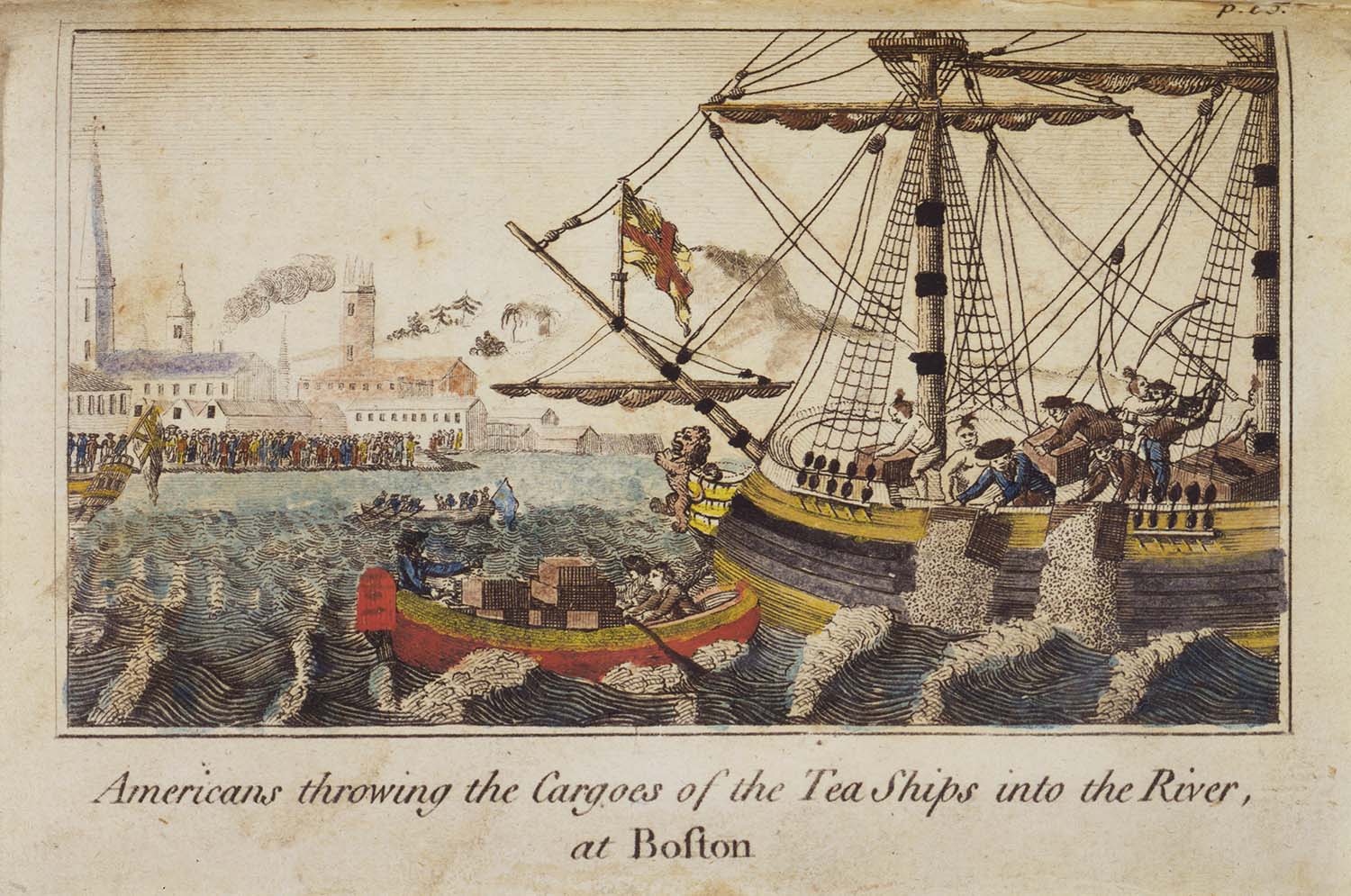
The immediate catalyst for the Boston Port Act was the audacious Boston Tea Party of December 16, 1773. This iconic act of rebellion was a direct response to the Tea Act of 1773, which granted the struggling British East India Company a monopoly on tea sales in the colonies, effectively cutting out colonial merchants and forcing colonists to buy tea that was, though cheaper, still subject to the hated Townshend tax. In a powerful demonstration against perceived tyranny, a group of Sons of Liberty, disguised as Mohawk Indians, boarded three ships – the Dartmouth, the Eleanor, and the Beaver – moored at Griffin’s Wharf in Boston Harbor, dumping 342 chests of tea into the frigid waters.
This dramatic event, carried out under the very noses of British authorities, was more than just property destruction; it was a profound symbolic rejection of parliamentary authority. The British East India Company’s ships, once symbols of global trade and luxury goods, became the stage for a defiant stand. For the British government, led by Prime Minister Lord North, the Boston Tea Party was an intolerable act of insubordination that demanded severe retribution. The punitive measures that followed would be swift, harsh, and aimed squarely at crippling Boston’s economy and spirit.
The Boston Port Act: Parliament’s Retribution
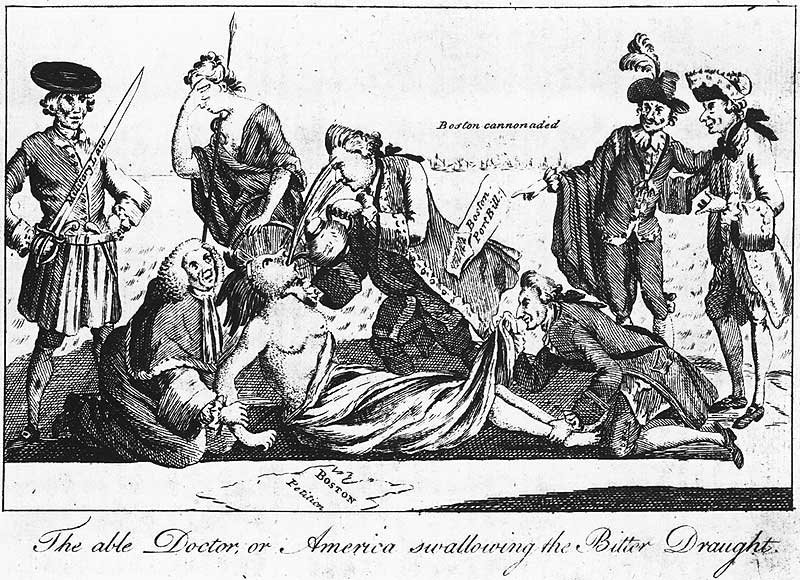
Enraged by the destruction of valuable tea and the blatant disrespect for royal authority, the British Parliament swiftly passed a series of coercive measures in the spring of 1774, collectively known by the colonists as the “Intolerable Acts.” The first and perhaps most devastating of these was the Boston Port Act.
Key Provisions and Draconian Implementation
The Boston Port Act, officially titled “An Act to discontinue, in such manner, and for such time as are therein mentioned, the landing, and discharging, lading or shipping, of goods, wares, and merchandise, at the town, and within the harbour, of Boston, in North America,” received royal assent on March 31, 1774. Its provisions were chillingly clear and designed to inflict maximum economic pain. The Act mandated the closure of the Port of Boston to all commercial traffic, both incoming and outgoing, effective June 1, 1774. No ships were allowed to enter or leave with cargo until the colonists paid for the destroyed tea and reimbursed the Crown for the duties lost. Furthermore, the seat of the Massachusetts colonial government was moved from Boston to Salem, and the primary customs house was relocated to Plymouth.
To enforce this blockade, the Royal Navy, under the command of Vice-Admiral Samuel Graves, established a formidable presence in Boston Harbor, effectively severing the city’s vital connection to the sea. The arrival of General Thomas Gage, appointed as the new military governor of Massachusetts, along with thousands of additional British troops, underscored the gravity of Parliament’s intent. This military occupation transformed the cityscape, with soldiers patrolling the streets and barracks becoming a new, unwelcome form of accommodation for the occupying force. The usual vibrant scene of international vessels, bustling wharves, and goods being transferred, a snapshot of historical tourism and trade, vanished overnight, replaced by an eerie stillness and the oppressive presence of naval warships.
An Economic Blockade and its Immediate Impact
The economic consequences of the Boston Port Act were immediate and devastating for Boston. A city built on maritime trade, its entire economy, and indeed the lifestyle of its inhabitants, depended on the free flow of goods. Merchants, once thriving, faced bankruptcy. Sailors and dockworkers were left unemployed. Food and supplies, previously arriving by sea, became scarce and expensive, leading to widespread hardship. The absence of ships meant no imports, no exports, and no revenue, crippling businesses from ship chandleries to taverns. The vibrant commercial landmarks, such as Long Wharf and Commercial Street, which once epitomized the city’s prosperity, now lay dormant.
Accommodation providers, from inns to boarding houses, saw their business plummet as travel to and from Boston ceased. Even the basic needs of life, such as food and fuel, became challenges. What was once a bustling port of call for travelers and traders became an isolated, besieged community. The intent of the British Parliament was clear: to punish Boston severely enough to deter other colonies from similar acts of defiance. They aimed to make an example of Boston, to break its spirit and reassert imperial authority. However, the outcome was precisely the opposite, setting the stage for greater unity rather than submission.
Ripple Effects and the Genesis of Colonial Unity
Far from isolating Boston and quelling the revolutionary spirit, the Boston Port Act and the other “Intolerable Acts” had an unintended, profound effect: they galvanized the colonies into unprecedented unity.
Sympathy and Resistance Across the Colonies
The plight of Boston resonated deeply across the American colonies. Rather than viewing Boston’s suffering as a localized punishment, many recognized it as an attack on colonial liberties as a whole. News of the blockade traveled quickly, stirring widespread sympathy and outrage. From Virginia to South Carolina, communities organized committees to send aid to the beleaguered city. Caravans of wagons, laden with food, fuel, and supplies, embarked on challenging journeys, representing early forms of inter-colonial “logistics” and “travel” driven by solidarity. Cities like Philadelphia and Charleston, themselves significant port cities, understood the devastating implications of such a blockade for their own future.
Notable figures emerged, championing Boston’s cause. George Washington, for instance, was deeply moved, contributing generously to relief efforts. This outpouring of support demonstrated a nascent American identity, a sense of shared grievance and a collective resolve to resist British overreach. The act of sending aid, though challenging given the travel infrastructure of the time, became a powerful symbol of defiance against arbitrary authority and a precursor to the Continental Army’s logistical challenges. This unprecedented cooperation laid crucial groundwork for a unified front against Great Britain.
The Road to the First Continental Congress
The shared indignation over the Boston Port Act directly led to a call for a unified colonial response. On September 5, 1774, delegates from twelve of the thirteen colonies (excluding Georgia) converged in Philadelphia for the First Continental Congress. This landmark gathering, a pivotal event in American history, brought together many of the future leaders of the revolution. They met at Carpenter’s Hall, a significant historical landmark in its own right, to debate grievances and formulate a collective response to the “Intolerable Acts.”
The First Continental Congress issued a Declaration of Rights and Grievances, asserting the colonies’ right to self-governance. More significantly, it established the Continental Association, a widespread boycott of British goods. This economic measure aimed to put pressure on British merchants and manufacturers, hoping they would, in turn, lobby Parliament to repeal the offensive acts. The formation of the First Continental Congress represented a dramatic escalation of the conflict. What began as an act to punish Boston for its defiance had inadvertently forged a bond among the colonies, transforming regional disputes into a unified resistance movement that would soon erupt into armed conflict, marking the true beginning of the American Revolution.
A Legacy of Resilience: Boston’s Enduring Story
The Boston Port Act ultimately failed in its objective to quell colonial dissent. Instead, it became a significant catalyst, pushing the colonies towards open rebellion and etching an indelible mark on American history. Its legacy continues to resonate, particularly in Boston itself, where the spirit of defiance and resilience is celebrated.
A Catalyst for Revolution
The Boston Port Act, alongside the other “Intolerable Acts” (the Massachusetts Government Act, the Administration of Justice Act, and the Quartering Act), served as the final straw for many colonists. These punitive measures stripped Massachusetts of its self-governance, allowed British officials accused of crimes to be tried in Great Britain, and compelled colonists to house British soldiers. Such blatant attacks on fundamental liberties convinced many that reconciliation with Great Britain was no longer possible. The Act pushed moderate voices towards the revolutionary cause, accelerating the path towards independence. It highlighted the fundamental clash between imperial control and colonial aspirations for self-determination, a conflict that could only be resolved through force.
Boston Today: A Living Landmark of History
For modern travelers, the historical impact of the Boston Port Act is palpable throughout the city. Boston has masterfully preserved its revolutionary heritage, transforming it into a vibrant destination for cultural tourism. Walking the Freedom Trail offers a direct connection to these pivotal events, guiding visitors through 16 historically significant sites that tell the story of the American Revolution.
Visitors can explore the Old South Meeting House, where thousands of colonists gathered before marching to Griffin’s Wharf for the Boston Tea Party. The site of the Boston Tea Party itself is now home to the Boston Tea Party Ships & Museum, offering immersive exhibits and reconstructions of the ships that carried the infamous tea. Nearby, Faneuil Hall, known as the “Cradle of Liberty,” once buzzed with debates and protests against British policies, and today remains a vibrant marketplace and meeting hall. Even the Boston Common, the nation’s oldest park, served as an encampment for British troops during the occupation, an ironic twist for a place now synonymous with freedom.
When booking accommodation in Boston, consider staying in historic neighborhoods like the North End or Beacon Hill to immerse yourself in the ambiance of colonial times. Hotels like the Omni Parker House or The Langham Boston are themselves situated amidst rich history, offering a blend of luxury and convenient access to these remarkable landmarks. Exploring Boston is more than just sightseeing; it’s a journey back in time, a chance to understand the sacrifices made for the freedoms we often take for granted.
Lessons for Future Travel and Trade
The story of the Boston Port Act offers a timeless lesson about the critical importance of open ports, free trade, and respect for local governance. In an era of global travel and interconnected economies, the principles of unrestricted movement and commerce remain fundamental. The blockade of Boston serves as a stark reminder of how quickly vital arteries of trade and travel can be severed, and the devastating impact this can have on communities.
For the modern traveler, this historical episode underscores the fragility of peace and the value of cultural exchange facilitated by open borders and efficient transportation networks. It highlights how political decisions, even those from centuries ago, can shape the physical and economic landscape of destinations we visit today. As we enjoy the ease of international travel and the abundance of goods from around the world, the legacy of the Boston Port Act prompts reflection on the enduring struggles for liberty and the fundamental freedoms that underpin our modern globalized world. Visiting Boston is not just a vacation; it’s an educational experience that enriches one’s understanding of history, lifestyle, and the power of unity in the face of adversity.
LifeOutOfTheBox is a participant in the Amazon Services LLC Associates Program, an affiliate advertising program designed to provide a means for sites to earn advertising fees by advertising and linking to Amazon.com. Amazon, the Amazon logo, AmazonSupply, and the AmazonSupply logo are trademarks of Amazon.com, Inc. or its affiliates. As an Amazon Associate we earn affiliate commissions from qualifying purchases.