
Navigating the intricacies of landlord-tenant law is crucial for any property owner or renter in Mississippi. While landlords possess certain rights and responsibilities, Mississippi law also places significant limitations on their actions. Understanding these restrictions is vital for fostering fair and lawful rental agreements, protecting both parties involved, and ensuring a harmonious living environment. This guide delves into the key areas where Mississippi landlords cannot legally operate, offering clarity for those seeking to manage their rental properties responsibly or understand their rights as tenants.
Prohibited Entry and Privacy Violations
One of the most fundamental rights a tenant possesses is the right to privacy and quiet enjoyment of their rented property. In Mississippi, landlords are prohibited from entering a tenant’s dwelling unit without proper justification and notice. This protection is enshrined to prevent unwarranted intrusions and to ensure tenants feel secure in their homes.
Notice Requirements for Entry
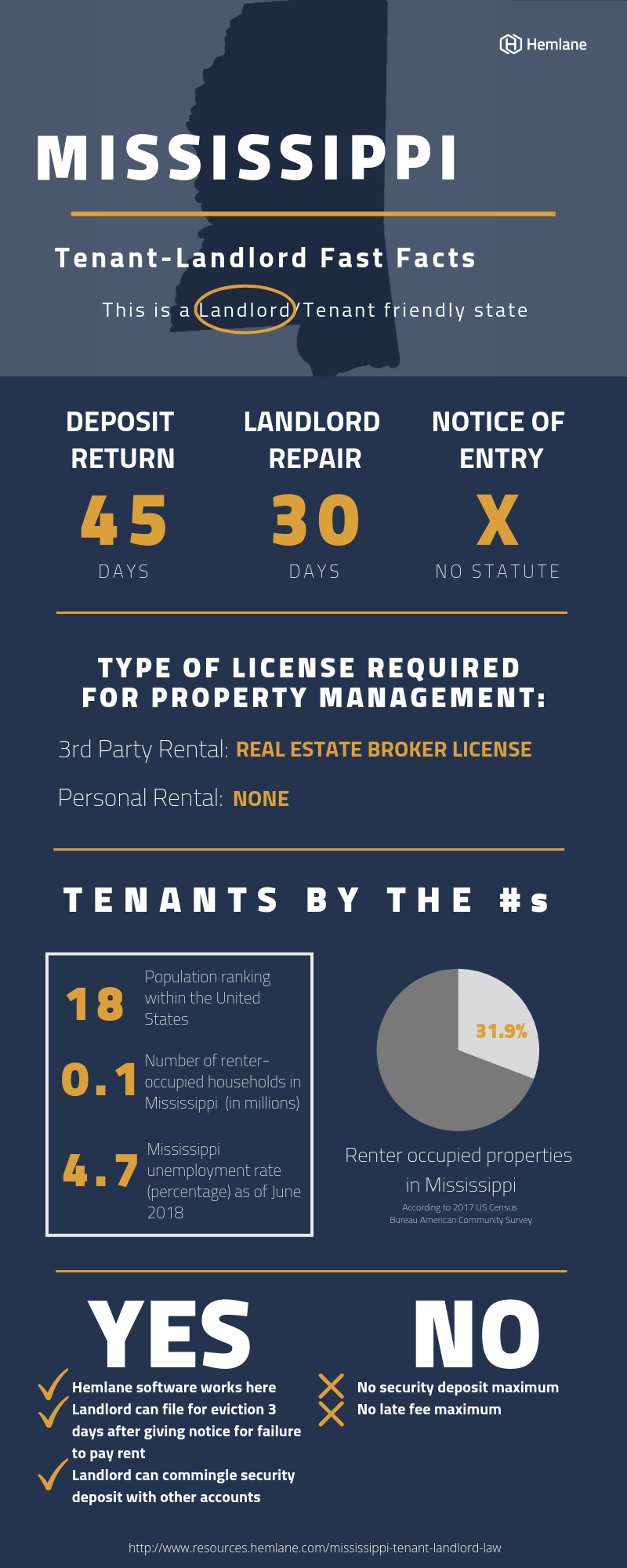
Unless there is an emergency, a landlord must provide reasonable notice before entering a tenant’s unit. While Mississippi law doesn’t specify an exact number of hours for notice, “reasonable” is generally understood to mean at least 24 hours. This notice should ideally be in writing and clearly state the purpose of the entry. Permissible reasons for entry typically include:
- Making necessary or agreed-upon repairs: If a repair is needed, or if the tenant has requested a repair, the landlord can enter to address it.
- Showing the property to prospective tenants or purchasers: During the final weeks of a lease, a landlord may need to show the property to future occupants or buyers.
- Inspecting the property: Periodic inspections are allowed, but they must be reasonable and not excessively frequent.
- Carrying out services outlined in the lease: If the lease agreement specifies certain services the landlord will perform, entry is permitted for those purposes.
Any entry without proper notice, outside of an emergency, can be considered a violation of the tenant’s privacy. Such actions can have legal repercussions for the landlord, potentially leading to lease termination by the tenant or even legal action seeking damages. Emergencies that justify immediate entry without notice include situations like fire, flood, or gas leaks, where there is an imminent threat to life or property.
Harassment and Stalking
Beyond unauthorized entry, landlords are also prohibited from engaging in any form of harassment or stalking directed at their tenants. This includes:
- Repeatedly visiting the property without a valid reason or notice.
- Threatening or intimidating the tenant.
- Discontinuing essential services (like utilities) to force the tenant out.
- Making unreasonable demands or creating a hostile living environment.
Such behavior is not only unethical but also illegal. Tenants subjected to harassment have recourse, including seeking protective orders or pursuing legal action against the landlord. A landlord’s right to manage their property does not extend to infringing upon a tenant’s right to live peacefully and without fear.
Unlawful Eviction Procedures
Eviction is a legal process that landlords must follow precisely. In Mississippi, a landlord cannot simply lock a tenant out, seize their belongings, or shut off utilities to force them to leave. These actions are considered illegal “self-help” evictions and are strictly prohibited.
The Legal Eviction Process
The proper legal eviction process in Mississippi typically involves the following steps:
- Valid Reason for Eviction: The landlord must have a legally recognized reason to evict, such as non-payment of rent, violation of a lease term, or damage to the property.
- Written Notice to Vacate: The landlord must serve the tenant with a written notice to vacate. The length of this notice period can vary depending on the reason for eviction, but typically ranges from 3 to 30 days. For instance, a notice for non-payment of rent is often 3 days, while a notice for a lease violation might be longer.
- Filing an Unlawful Detainer Lawsuit: If the tenant does not vacate by the end of the notice period, the landlord must file an unlawful detainer lawsuit in the appropriate county court.
- Court Hearing and Judgment: The tenant has the right to appear in court and present a defense. If the court rules in favor of the landlord, an order for possession will be issued.
- Writ of Possession: Only a law enforcement officer (sheriff or constable), acting on a court order (writ of possession), can physically remove a tenant from the property.
Any landlord who bypasses this legal framework is acting unlawfully. Tenants who find themselves subjected to such tactics should document everything, contact an attorney, and report the landlord’s actions to the appropriate authorities. These protections are in place to prevent landlords from taking the law into their own hands and to ensure due process for tenants.
Retaliatory Evictions
A landlord cannot evict a tenant in retaliation for the tenant exercising a legal right. This includes situations where a tenant:
- Complains to a government agency about a housing code violation.
- Has lawfully organized or joined a tenants’ union.
- Has exercised any other right granted to them by law or their lease agreement.
If a landlord attempts to evict a tenant shortly after the tenant has engaged in such protected activity, it can be presumed to be retaliatory. In such cases, the tenant may have a strong defense against the eviction. Mississippi law aims to protect tenants from being penalized for asserting their rights and ensuring safe and habitable living conditions.
Discriminatory Practices
Discrimination in housing is illegal under both federal and state laws. Mississippi landlords cannot refuse to rent to, evict, or otherwise discriminate against individuals based on certain protected characteristics. This is a cornerstone of fair housing principles, ensuring equal access to housing opportunities.
Federally Protected Classes
Under the Fair Housing Act, landlords are prohibited from discriminating based on:
- Race
- Color
- Religion
- Sex
- National Origin
- Familial Status (having children under 18)
- Disability
This means a landlord cannot set different terms, conditions, or privileges for rent, or provide different housing services or facilities, based on these characteristics. For example, a landlord cannot refuse to rent to a family with children or charge a disabled tenant a higher rent because of their disability.
State-Specific Protections
While federal law provides broad protections, it’s important to be aware of any additional protections that may exist at the state or local level in Mississippi. However, the federal protections are generally comprehensive. The intent of these laws is to ensure that housing decisions are based on a tenant’s ability to pay rent and abide by the lease, not on prejudice.
Consequences of Discrimination
Engaging in discriminatory housing practices can lead to severe penalties for landlords. These can include significant fines, compensatory damages awarded to the victim, and punitive damages. Furthermore, a landlord found guilty of discrimination may face injunctions that restrict their future ability to engage in real estate activities. Tenants who believe they have been victims of housing discrimination should consider filing a complaint with the U.S. Department of Housing and Urban Development (HUD) or seeking legal counsel.
Unreasonable Withholding of Security Deposits
The security deposit is a common practice in rental agreements, intended to cover damages beyond normal wear and tear or unpaid rent. However, Mississippi law places limits on how landlords can use and withhold these deposits. Landlords cannot arbitrarily keep a tenant’s security deposit.
Permissible Deductions
A landlord in Mississippi can only deduct funds from a security deposit for specific reasons, typically outlined in the lease agreement and consistent with state law. These generally include:
- Unpaid rent: If the tenant owes rent at the time of moving out.
- Damages to the premises beyond normal wear and tear: This means damage caused by the tenant or their guests, not the natural deterioration of the property over time. Examples include significant holes in walls, broken windows, or stained carpeting.
- Cleaning costs: If the property is left in an unreasonably dirty condition that requires professional cleaning beyond standard move-out expectations.
Return of Deposit and Itemized Statement
After a tenant vacates the property, the landlord must return the security deposit, less any legitimate deductions, within a reasonable timeframe. While Mississippi law doesn’t specify a precise number of days, it’s generally expected to be within 30 days. Crucially, if the landlord makes any deductions, they must provide the tenant with an itemized statement detailing the exact nature of the damages or charges and the corresponding cost.
Failure to return the deposit or provide an itemized statement can result in the landlord forfeiting their right to withhold any portion of the deposit and potentially being liable for the full deposit amount, plus damages. Tenants should document the condition of the property at move-in and move-out with photographs and videos to support their case if disputes arise over the security deposit.
Conclusion
In Mississippi, landlords operate within a legal framework designed to protect both their property interests and tenants’ rights. Key restrictions on landlord actions include respecting tenant privacy by providing proper notice before entry, adhering strictly to legal procedures for eviction, refraining from any form of housing discrimination, and lawfully handling security deposits. By understanding and abiding by these prohibitions, landlords can build trust with their tenants, avoid costly legal disputes, and foster a positive rental experience for all parties involved. For tenants, knowledge of these limitations empowers them to assert their rights and seek recourse when necessary, ensuring a fair and just housing market.
LifeOutOfTheBox is a participant in the Amazon Services LLC Associates Program, an affiliate advertising program designed to provide a means for sites to earn advertising fees by advertising and linking to Amazon.com. Amazon, the Amazon logo, AmazonSupply, and the AmazonSupply logo are trademarks of Amazon.com, Inc. or its affiliates. As an Amazon Associate we earn affiliate commissions from qualifying purchases.