
The dream of independent travel often hits a pragmatic roadblock when it comes to the logistics of the check-in desk. For young explorers, students, and early-career professionals, the question of “What age can you book a hotel?” is not just a matter of curiosity, but a critical component of trip planning. While the age of majority in many parts of the world is 18, the accommodation industry operates on a complex grid of local laws, corporate mandates, and insurance requirements that often push the minimum age higher. Understanding these nuances is essential for any traveler looking to secure a room without the frustration of a last-minute denial.

Understanding Legal Requirements and Industry Standards
At the core of the age restriction issue is the legal concept of “capacity to contract.” In most jurisdictions, including the United States and the United Kingdom, an individual must be 18 years old to enter into a legally binding contract. Since booking a hotel room is, in essence, a contract between the guest and the provider, 18 is the baseline. However, being legally an adult does not automatically grant the right to a hotel reservation.
The Role of Liability and Insurance
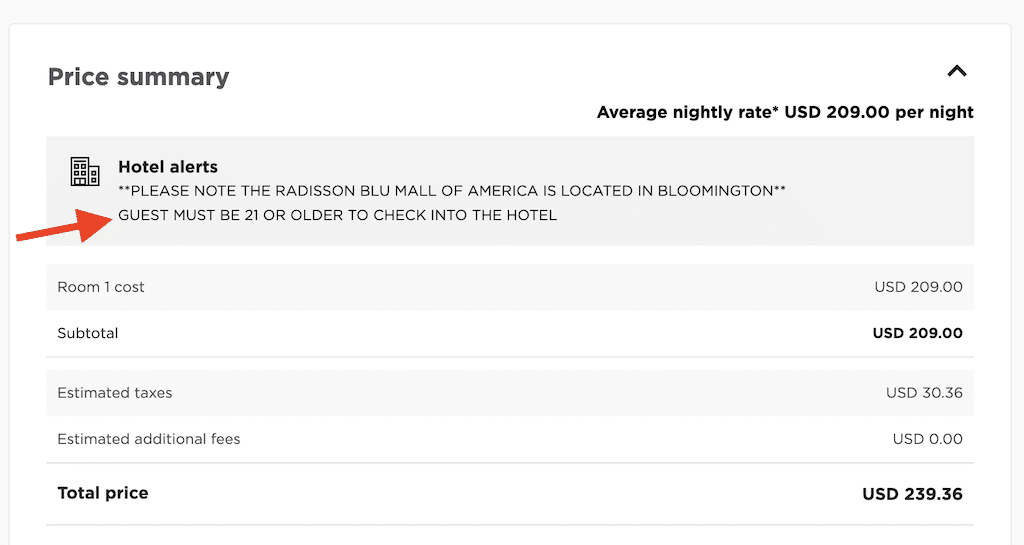
The primary reason many hotels, particularly in North America, set their minimum check-in age at 21 is risk management. Insurance companies often charge higher premiums to establishments that allow guests under 21 to check in alone. This is frequently due to perceived risks regarding property damage, noise complaints, and the consumption of alcohol from in-room minibars. For a large brand like Marriott International or Hilton Worldwide, these policies are often standardized at the corporate level, though individual franchise owners may have the leeway to enforce stricter rules based on their local market.
Alcohol Legislation and Minibar Policies
In destinations where the legal drinking age is 21, such as California or Florida, hotels often sync their check-in age with the drinking age. This simplifies their compliance with liquor laws. If a hotel provides a stocked minibar in every room, they may face legal repercussions if a minor (in the eyes of alcohol law) has unsupervised access to it. Consequently, luxury resorts and high-end boutiques often maintain a 21+ policy to mitigate these legal entanglements.
Contractual Enforceability
While an 18-year-old is an adult, some jurisdictions allow hotels to set their own policies as long as they do not discriminate against a protected class. Age, in the context of being “too young” (provided the person is over 18), is often not a protected status in the same way race or religion is. This gives the InterContinental Hotels Group or Hyatt the right to refuse service to someone under 21 if it is a consistently applied house rule.
Regional Variations: Minimum Age Requirements Worldwide
The “booking age” landscape shifts dramatically as you cross international borders. While the 21-year-old rule is a hallmark of the United States hospitality market, other regions take a more relaxed approach, reflecting different cultural attitudes toward young adulthood.
The North American Landscape
In the United States and Canada, 21 is the standard for major cities and party destinations. If you are looking to book a room in Las Vegas or Atlantic City, finding a hotel that allows 18-year-olds is a significant challenge due to the proximity of gambling floors and bars. Conversely, in more academic or administrative hubs like Washington DC or Ottawa, many hotels are willing to accommodate 18-year-olds, acknowledging the high volume of student and government-related travel.
European Flexibility
In Europe, the standard is almost universally 18. Countries like France, Germany, and Italy view 18-year-olds as fully autonomous travelers. In cities like London or Paris, it is exceptionally rare for a hotel to require a guest to be 21. This accessibility makes Europe a prime destination for gap-year students and young backpackers. Establishments like Accor properties typically follow local laws, allowing anyone 18 and older to secure a suite or apartment.
Asia and Oceania
In Australia and New Zealand, 18 is the magic number for check-in. In Asia, the rules can vary by country. For instance, in Japan, while 18 is now the age of majority, some traditional “Ryokans” or high-end hotels in Tokyo might still prefer guests to be slightly older or have a parental guarantee. In Singapore, the age is strictly 18. Meanwhile, in the United Arab Emirates, particularly in Dubai, some luxury hotels maintain a 21+ policy, mirroring the local drinking age and high-end service standards.
Challenges and Considerations for Young Travelers
Even if a traveler meets the age requirement, the booking process for those under 25 can still present hurdles. The accommodation industry has built-in safeguards that often require more than just a valid ID and a reservation number.
The Credit Card Requirement
One of the biggest obstacles for young travelers isn’t just the age on their passport, but the plastic in their wallet. Most reputable hotels, from Wyndham Hotels & Resorts to Choice Hotels, require a major credit card at check-in for “incidentals.” This is a pre-authorization hold to cover potential damages or room service charges. Many people under 21 only carry debit cards. While some hotels accept debit cards, they often place a significant “hold” on funds that can take days to clear, potentially leaving a budget traveler with no liquid cash during their stay in New York City or Chicago.
Additional Deposits and Fees
Some properties that allow 18-to-20-year-olds to check in may implement a “Young Traveler Deposit.” This is common in spring break destinations like Cancun or Myrtle Beach. These deposits are often refundable but require an upfront cash or card payment that can exceed the cost of the room itself. It is a protective measure used by Best Western and other mid-tier brands to ensure accountability.
Verification of Identity
Upon arrival, the front desk will always require a government-issued photo ID. For international travelers, this means a passport. For domestic travelers in the United States, a driver’s license suffices. If the age on the ID does not match the hotel’s policy, the reservation can be canceled on the spot, often without a refund if it was a non-refundable booking. It is crucial to verify the specific policy of a property in San Francisco or Boston before arriving.
Navigating Policies for Group Bookings and Long-Term Stays
Booking for a group or planning a long-term stay introduces further complexity. The rules that apply to a single night in a standard room often change when dealing with multiple guests or extended-stay facilities.
Youth Hostels and Shared Accommodations
For those under 21, Hostelling International and other hostel networks are often the most viable and welcoming options. Hostels are specifically designed for the youth market and almost always allow 18-year-olds to book. Some even allow younger guests if they have a letter of consent from a guardian. In cities like Berlin or Amsterdam, hostels serve as the primary accommodation for the 18-24 demographic, offering a social atmosphere that traditional hotels like Four Seasons do not prioritize.
Group Booking Constraints
When booking multiple rooms for a group—such as a sports team or a graduation trip—hotels may require at least one person in each room to meet the age requirement. Alternatively, they may require a “chaperone” who is at least 25 years old to be responsible for the entire block of rooms. This is a common practice for Holiday Inn or Radisson properties when handling large youth groups.
Long-Term Stay Apartments and Villas
For long-term stays, such as those booked through corporate housing providers or apartment-style hotels like Adina Apartment Hotels, the age requirement is often strictly 18 because the guest is essentially signing a short-term lease. However, luxury villas in destinations like Santorini or Bali might have higher age requirements (often 25) to protect high-value property and furniture.

Tips for a Seamless Check-in
- Call Ahead: Never rely solely on the website. Policies can change, and speaking directly to the front desk of a hotel in Toronto or Sydney is the only way to be 100% sure.
- Read the Fine Print: Platforms like Expedia or Booking.com usually list the “Important Information” or “Check-in Instructions” section where age limits are hidden.
- Carry Physical ID: Digital copies or student IDs are rarely accepted as primary proof of age at major chains like Sheraton or Westin.
- Use a Credit Card: To avoid the “debit card trap,” ensure the primary guest has a credit card with a sufficient limit for the stay and the security deposit.
Navigating the world of accommodation as a young adult requires diligence and a proactive approach. While the question of “What age can you book a hotel?” typically finds its answer at 18 or 21, the specific house rules of the Ritz-Carlton versus a local boutique in Barcelona can vary wildly. By understanding the underlying reasons for these policies—from insurance to alcohol laws—travelers can better prepare for their journeys and ensure that their check-in process is as smooth as their flight.
LifeOutOfTheBox is a participant in the Amazon Services LLC Associates Program, an affiliate advertising program designed to provide a means for sites to earn advertising fees by advertising and linking to Amazon.com. Amazon, the Amazon logo, AmazonSupply, and the AmazonSupply logo are trademarks of Amazon.com, Inc. or its affiliates. As an Amazon Associate we earn affiliate commissions from qualifying purchases.