
The Lone Star State, with its rich tapestry of history, sprawling landscapes, and distinct cultural identity, draws millions of visitors annually. From the vibrant energy of its major cities to the serene beauty of its natural wonders, Texas offers a diverse range of experiences for every traveler. Understanding the local regulations, particularly those concerning firearms, is crucial for any visitor who might encounter or possess such items, even if their primary purpose for visiting is leisure and exploration. This article delves into the age requirements for purchasing firearms in Texas, providing clarity for those seeking to understand this aspect of local law.

Understanding Firearm Purchase Age Requirements in Texas
In Texas, the age at which an individual can purchase a firearm is dictated by federal law, which sets a baseline, and state law, which can impose stricter regulations. It’s important to differentiate between purchasing a handgun and a long gun (such as a rifle or shotgun), as the age requirements differ. This distinction is fundamental for anyone considering firearm acquisition within the state.
Handgun Purchase Age Restrictions
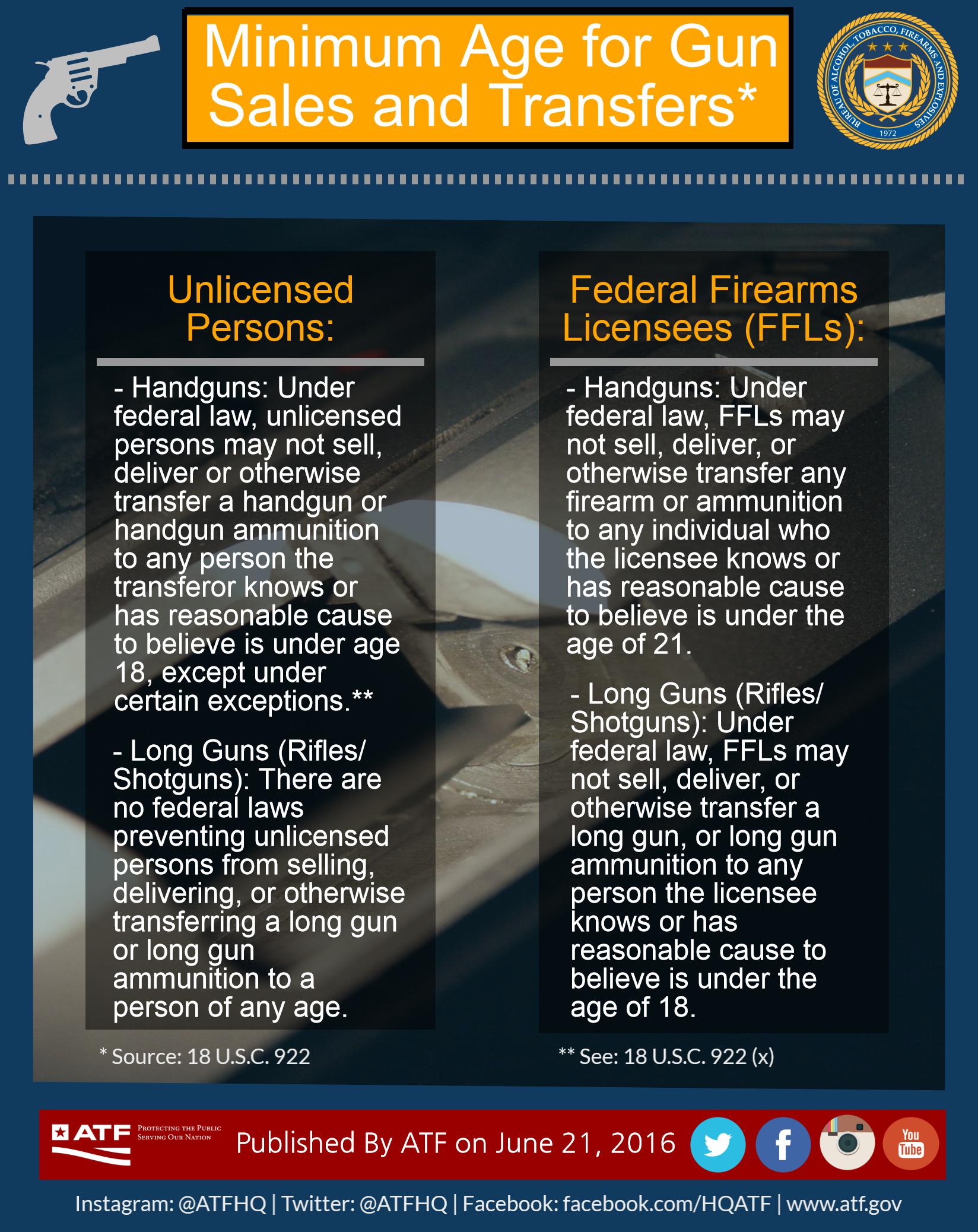
Federal law stipulates that individuals must be at least 21 years old to purchase a handgun from a licensed firearms dealer. This age requirement applies nationwide, including in Texas. This federal mandate aims to ensure that handguns are not readily accessible to younger individuals who may be more prone to impulsive decisions or less experienced in safe firearm handling.
However, Texas law also permits individuals who are 18 years of age or older to possess a handgun if it is carried in a concealed manner and they have a License to Carry a Handgun. This presents a nuanced aspect of Texas firearm law. While the purchase from a dealer is restricted to 21, an 18-year-old who meets specific training and background check requirements can obtain a license that allows them to carry a handgun, which may have been acquired through other legal means, such as a private sale between individuals who are both at least 18 years of age. It is imperative for travelers to understand that even with a License to Carry from Texas, federal law still governs the purchase of handguns from licensed dealers, maintaining the 21-year-old minimum.
Long Gun (Rifle and Shotgun) Purchase Age Restrictions
The age requirements for purchasing long guns in Texas are slightly different and also influenced by federal law. Federal law allows individuals who are 18 years of age or older to purchase rifles and shotguns from licensed firearms dealers. This means that an 18-year-old in Texas can legally buy a rifle or shotgun from a gun store, provided they meet all other federal and state requirements, such as passing a background check.
State law in Texas does not raise this age requirement for long guns purchased from licensed dealers; therefore, the federal minimum of 18 years of age prevails. This distinction is significant, as it offers a pathway for younger adults to legally acquire certain types of firearms for purposes such as sport shooting, hunting, or collection, subject to the stipulations of federal and state regulations.
Beyond the Purchase Age: Other Considerations for Firearm Ownership
While the age to purchase a firearm is a critical factor, it is not the only legal hurdle an individual must clear to own or possess a gun in Texas. Several other federal and state provisions come into play, impacting who can legally acquire and hold firearms. For a visitor, understanding these broader legal frameworks provides a more comprehensive picture of firearm regulations in the state.
Background Checks
A cornerstone of federal firearm law is the background check requirement for all purchases made from licensed firearms dealers. Individuals seeking to buy a handgun or a long gun must undergo this check, which is conducted through the National Instant Criminal Background Check System (NICS). The purpose of the NICS check is to identify individuals who are prohibited by law from owning firearms, such as convicted felons, individuals with a history of domestic violence, or those who have been adjudicated as mentally defective. Texas adheres to this federal mandate, ensuring that all legal purchases from dealers are subject to this critical screening process. This ensures that firearms do not fall into the hands of those deemed a risk to public safety, contributing to the overall safety of the state for residents and tourists alike.
Prohibited Persons
Both federal and state laws in Texas outline specific categories of individuals who are prohibited from owning or possessing firearms. These prohibitions are designed to enhance public safety and are critically important for any traveler to be aware of. Generally, prohibited persons include:
- Convicted Felons: Individuals who have been convicted of a felony offense are permanently prohibited from possessing firearms.
- Domestic Violence Misdemeanants: Those convicted of certain misdemeanor crimes of domestic violence are also prohibited from owning firearms.
- Individuals Subject to Restraining Orders: Persons under a domestic violence restraining order are prohibited from possessing firearms.
- Fugitives from Justice: Individuals who are actively fleeing prosecution for a crime are not permitted to own guns.
- Unlawful Users of or Addicted to Controlled Substances: Individuals who are known to be unlawfully using controlled substances or are addicted to them are prohibited.
- Individuals Adjudicated as Mentally Defective or Committed to a Mental Institution: Those who have been found by a court to be mentally defective or have been involuntarily committed to a mental institution are prohibited.
- Dishonorable Discharge from the Armed Forces: Individuals who have received a dishonorable discharge from the U.S. military are prohibited.
- Renounced U.S. Citizenship: Individuals who have formally renounced their U.S. citizenship are prohibited.
It is the responsibility of any individual, including visitors, to ensure they do not fall into any of these prohibited categories before attempting to purchase or possess a firearm in Texas.
Private Sales
It is important to note that Texas law, like federal law, does not require background checks for private firearm sales between individuals who are both residents of Texas and not prohibited from owning firearms. This means that an 18-year-old could legally purchase a rifle or shotgun from another private individual who is also 18 or older and not a prohibited person, without a formal background check process conducted by a licensed dealer. Similarly, a private sale of a handgun between two individuals who are both 21 years of age or older and not prohibited persons would not require a background check through a dealer. However, it remains illegal for a seller in a private transaction to knowingly sell a firearm to someone they have reasonable cause to believe is a prohibited person. For visitors, engaging in private firearm sales can introduce additional complexities and risks, underscoring the importance of adhering strictly to all legal requirements.
Navigating Texas as a Visitor: Firearm Knowledge for Responsible Travel
For travelers visiting Texas, whether for leisure, business, or to explore its rich cultural heritage, understanding the state’s firearm laws is part of being a responsible and informed visitor. Texas is a state where firearms are prevalent, and awareness of the legal landscape is key to avoiding unintended legal entanglements.
Carrying Firearms in Texas
Beyond purchasing, the laws regarding carrying firearms are also relevant for visitors. Texas is a “shall issue” state for its License to Carry a Handgun (LTC). This means that if an applicant meets the eligibility requirements, the state generally must issue them a license. As previously mentioned, an individual must be 21 years of age to obtain an LTC, though 18-year-olds can be eligible for certain permits. The LTC allows for both concealed and open carry of handguns in many locations across the state. However, there are numerous “prohibited places” where carrying firearms is illegal, even with an LTC, such as schools, polling places on election day, correctional facilities, and federal buildings. Visitors who are licensed to carry firearms in their home state may have their license recognized in Texas under reciprocity agreements, but it is crucial to verify these agreements and understand the specific laws of Texas regarding carrying. Ignorance of these laws is not a defense and can lead to serious legal consequences.
Responsible Firearm Ownership and Tourism
The discussion around firearm purchase ages and regulations in Texas is intrinsically linked to the broader themes of responsible ownership and public safety. For visitors, this translates to an understanding that Texas has a distinct culture around firearms, but these rights are accompanied by significant responsibilities. Whether one is visiting the historic sites of San Antonio, exploring the art scene in Dallas, or enjoying the outdoors in Big Bend National Park, awareness of local laws, including those pertaining to firearms, contributes to a safer and more enjoyable experience for everyone. Responsible tourism means respecting local laws and customs, and in Texas, this includes understanding the legal framework surrounding firearms.
Federal vs. State Laws: A Harmonious, Yet Distinct, Framework
The interplay between federal and state laws in Texas regarding firearm purchase ages creates a layered legal landscape. It’s a common scenario across many jurisdictions in the United States, where federal law sets a national standard, and states can implement their own regulations, provided they do not conflict with or fall below the federal minimums.
Federal Primacy in Firearm Regulation
Federal laws, enacted by the U.S. Congress, establish the baseline for firearm sales. These laws, primarily found in Title 18 of the United States Code, Chapter 44, cover aspects like the types of firearms that can be regulated, the licensing of firearms dealers, and the minimum age requirements for purchase. The age of 21 for handguns from licensed dealers and 18 for long guns from licensed dealers are federal mandates. These laws are designed to create a uniform approach to gun control across the nation, preventing a patchwork of drastically different regulations that could be difficult to navigate or enforce. The federal government’s role is to set a minimum standard for public safety that all states must adhere to.
Texas State Law: Augmenting Federal Requirements
Texas state law complements and, in some aspects, slightly expands upon federal firearm regulations. As explored, Texas does not increase the age for purchasing long guns from licensed dealers beyond the federal 18 years. However, it does introduce the License to Carry (LTC) which allows individuals who are 18 and older (under specific conditions and with proper training) to carry a handgun, a right that is separate from the direct purchase from a licensed dealer. This nuanced approach reflects Texas’s commitment to firearm rights while also incorporating mechanisms for regulated carry.
The state also has its own set of prohibitions for possessing firearms, which generally align with federal prohibitions but may include additional specific offenses or circumstances. For visitors, the critical takeaway is that while federal law sets the floor, Texas law provides the specific operational rules for firearm acquisition and possession within its borders. Understanding both layers is essential for compliance.

Importance of Verification and Legal Counsel
Given the complexity of firearm laws, which can be subject to interpretation and change, it is always advisable for individuals, especially visitors, to verify current regulations with official sources. This might include consulting the Texas Department of Public Safety or seeking legal counsel if there is any doubt about one’s eligibility to purchase, possess, or carry a firearm in Texas. For a tourist planning a trip to places like the Alamo in San Antonio or the Museum District in Houston, understanding these regulations is a matter of responsible civic engagement and ensures a seamless and lawful experience in the Lone Star State.
LifeOutOfTheBox is a participant in the Amazon Services LLC Associates Program, an affiliate advertising program designed to provide a means for sites to earn advertising fees by advertising and linking to Amazon.com. Amazon, the Amazon logo, AmazonSupply, and the AmazonSupply logo are trademarks of Amazon.com, Inc. or its affiliates. As an Amazon Associate we earn affiliate commissions from qualifying purchases.