
Navigating the intricacies of obtaining a driver’s license is a significant milestone for many individuals, particularly for young Texans eager to gain independence. The Texas Department of Public Safety (TxDPS) outlines a structured, multi-phase approach to licensing for those under 18, commonly referred to as the Graduated Driver Licensing (GDL) program. This program is designed to provide new drivers with progressively more experience in a controlled manner, enhancing road safety for everyone. Understanding these stages, their requirements, and the timelines involved is crucial for both aspiring young drivers and their parents or guardians.
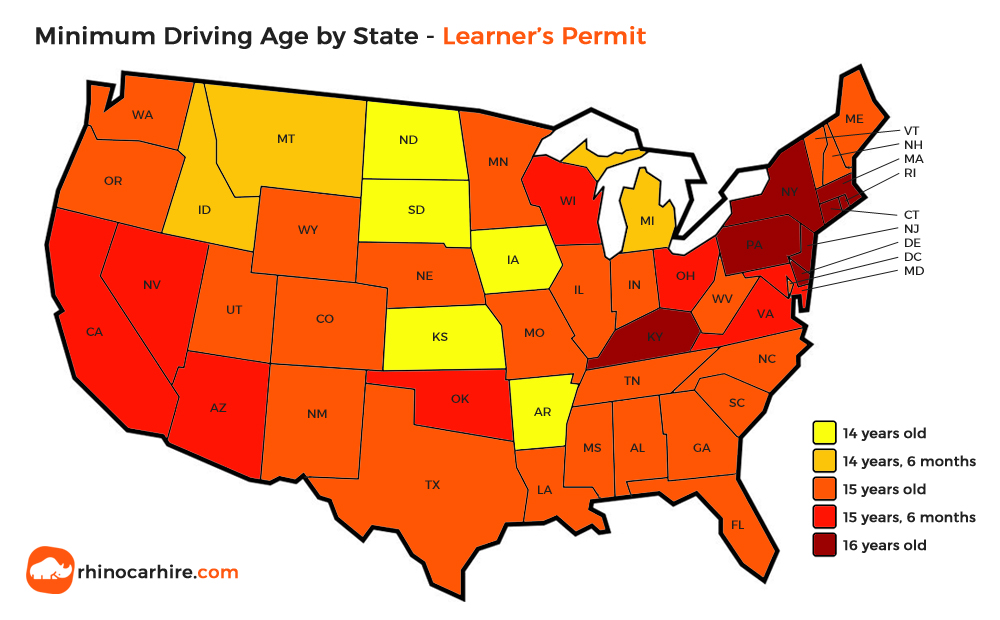
The Learner’s Permit: The First Step Towards the Road
The journey to a Texas driver’s license begins with obtaining a learner’s permit, officially known as a Provisional Driver License. This permit is the foundational document that allows a supervised individual to practice driving.
Eligibility and Requirements for a Learner’s Permit
To be eligible for a learner’s permit in Texas, an applicant must meet several criteria:
- Age: The applicant must be at least 15 years old.
- Driver Education: Completion of a “Texas Driver Education Program” is mandatory. This program must include at least 32 hours of classroom instruction and 14 hours of behind-the-wheel training, with at least 10 of those hours consisting of in-car observation and 2 hours of behind-the-wheel driving. Alternatively, parents can elect to teach their child at home if they meet specific criteria and are certified by the state.
- Knowledge Test: Successful completion of the “Knowledge Test” administered by the TxDPS. This test assesses the applicant’s understanding of Texas traffic laws, road signs, and safe driving practices. Study materials are readily available from the TxDPS.
- Vision Test: Passing a vision exam to ensure the applicant has adequate eyesight for driving.
- Application and Documentation: The applicant must provide necessary documentation, including proof of identity, lawful presence, Social Security number, and Texas residency. A parent or legal guardian must also provide their consent and identification.
Restrictions While Driving with a Learner’s Permit
The learner’s permit comes with specific restrictions designed to ensure supervised practice and safety:
- Supervision: A licensed driver who is at least 21 years old must accompany the permit holder at all times. This accompanying driver must occupy the front passenger seat.
- Curfew: Driving is prohibited during certain hours. In Texas, individuals with a learner’s permit cannot drive between midnight and 5:00 a.m., unless it is for a school-related or work-related necessity, or in the case of a medical emergency.
- Passenger Limits: The number of passengers in the vehicle is limited. Generally, only one passenger under the age of 21 is permitted, unless they are a member of the permit holder’s immediate family.
- Electronic Devices: The use of wireless communication devices, including cell phones, is prohibited while driving, even for hands-free use.
The learner’s permit must be held for a minimum of six months before the applicant can proceed to the next stage of the licensing process. This period is critical for accumulating practical driving experience.
The Provisional License: Gaining More Independence
Once the learner’s permit requirements and holding period are met, the next step is to obtain a Provisional Driver License. This phase allows for more independent driving but still includes certain restrictions to manage risk.
Eligibility and Requirements for a Provisional License
To qualify for a Provisional Driver License, applicants must:

- Age: Be at least 16 years old.
- Learner’s Permit Holding Period: Have held a learner’s permit for at least six months.
- Driver Education Completion: Provide proof of completing the required driver education program (classroom and behind-the-wheel components).
- Impact Texas Teen Drivers Program: Complete the “Impact Texas Teen Drivers” (ITTD) program. This is a free, two-hour informational video course about the dangers of distracted driving. A certificate of completion from this program is required and must have been issued no more than 90 days before taking the driving test.
- Driving Test: Pass the “Driving Test” administered by the TxDPS or an authorized third-party provider. This test evaluates the applicant’s ability to safely operate a vehicle in various traffic conditions.
Restrictions on Provisional License Holders
The Provisional Driver License still carries specific restrictions, although they are less stringent than those for a learner’s permit:
- Curfew: Similar to the learner’s permit, provisional license holders are prohibited from driving between midnight and 5:00 a.m., with exceptions for school, work, or medical emergencies.
- Passenger Limits: The restrictions on passengers under 21 are slightly relaxed. A provisional license holder may carry up to one passenger under the age of 21 who is not a family member. However, this restriction is lifted if the accompanying driver is 21 years or older. Family members are not subject to this limit.
- Electronic Devices: The prohibition on using wireless communication devices while driving remains in effect.
The Provisional Driver License is valid until the driver turns 18 years old. At that point, it automatically converts into a standard, unrestricted adult driver’s license, provided all conditions have been met.
Beyond 18: The Standard Texas Driver’s License
For individuals who are 18 years or older when they first apply for a Texas driver’s license, the process is more direct, as they are exempt from the GDL program’s graduated restrictions.
Requirements for Adult Applicants
Adult applicants (18 and older) seeking their first Texas driver’s license must:
- Knowledge Test: Pass the “Knowledge Test“.
- Vision Test: Pass a vision exam.
- Driving Test: Pass the “Driving Test”.
- Driver Education (Optional but Recommended): While not mandatory for those 18 and older, completing a driver education course is highly recommended to prepare for the knowledge and driving tests and to develop safe driving habits.
- Documentation: Provide all required identification and residency documents.
- Learner’s Permit (Optional): While not mandatory, some adult applicants may choose to obtain a learner’s permit to practice driving before taking the road test, especially if they have limited driving experience.
No Graduated Restrictions
Once an adult applicant successfully passes all requirements, they are issued a standard Texas driver’s license without the age-based restrictions associated with the GDL program. This allows for unrestricted driving privileges.

Tips for Success and Safe Driving
Embarking on the journey to obtaining a driver’s license requires preparation and a commitment to safety. Here are some tips to help aspiring young drivers navigate the process successfully:
- Study Diligently: Thoroughly review the “Texas Driver Handbook“. This document is the primary source of information for traffic laws, road signs, and safe driving techniques.
- Practice Consistently: Ample practice is key to building confidence and competence behind the wheel. Take advantage of every opportunity to drive with a licensed supervisor, practicing in various conditions and environments.
- Master the Rules of the Road: Pay close attention during driver education classes and practice applying what you learn in real-world driving situations. Understanding right-of-way rules, speed limits, and safe following distances is paramount.
- Understand the Technology: Be aware of and comply with all restrictions related to electronic device usage while driving. Distracted driving is a leading cause of accidents.
- Prepare for the Driving Test: Practice all the maneuvers that are typically evaluated during the driving test, such as parking (parallel and perpendicular), three-point turns, and lane changes. Drive on different types of roads and in varying traffic densities.
- Complete ITTD: Don’t forget to complete the “Impact Texas Teen Drivers” program within the specified timeframe before your driving test.
Obtaining a driver’s license in Texas is a phased process designed to foster responsible driving habits. By understanding and adhering to the requirements and restrictions at each stage, young Texans can confidently achieve their goal of independent mobility while prioritizing safety on the road. Whether you are preparing for your first learner’s permit or transitioning to a full license, a commitment to learning and safe practices will serve you well throughout your driving years.
LifeOutOfTheBox is a participant in the Amazon Services LLC Associates Program, an affiliate advertising program designed to provide a means for sites to earn advertising fees by advertising and linking to Amazon.com. Amazon, the Amazon logo, AmazonSupply, and the AmazonSupply logo are trademarks of Amazon.com, Inc. or its affiliates. As an Amazon Associate we earn affiliate commissions from qualifying purchases.