
For many young individuals, the journey toward obtaining a driver’s permit marks a pivotal rite of passage, symbolizing newfound independence and a significant step into adulthood. In a state as expansive and vibrant as Florida, where personal transportation is often essential for navigating daily life, understanding the precise age requirements and process for obtaining a driver’s permit is crucial. This foundational step is not merely about gaining permission to drive; it fundamentally reshapes personal mobility, impacts family dynamics, and integrates individuals more deeply into the broader community lifestyle. Whether you’re a teenager eagerly anticipating the freedom of the open road, a parent guiding your child through this milestone, or a new resident seeking to understand local regulations, deciphering Florida’s graduated driver licensing (GDL) program is the first vital step. This article delves into the specifics of Florida’s permit process, outlining the ages, requirements, and restrictions that pave the way to full driving privileges, ensuring a smooth and informed transition into the responsibilities of a licensed driver in the Sunshine State.

The Learner’s Permit: Your First Step to Freedom
The journey to driving independence in Florida begins with the Class E Learner’s Permit, a crucial initial phase designed to ensure new drivers gain supervised experience before navigating roads independently. This foundational stage is meticulously structured to build confidence, reinforce safety, and familiarize aspiring drivers with the rules of the road under controlled conditions. It represents a significant lifestyle shift, offering a taste of autonomy while maintaining essential safeguards.
Minimum Age Requirement and Eligibility
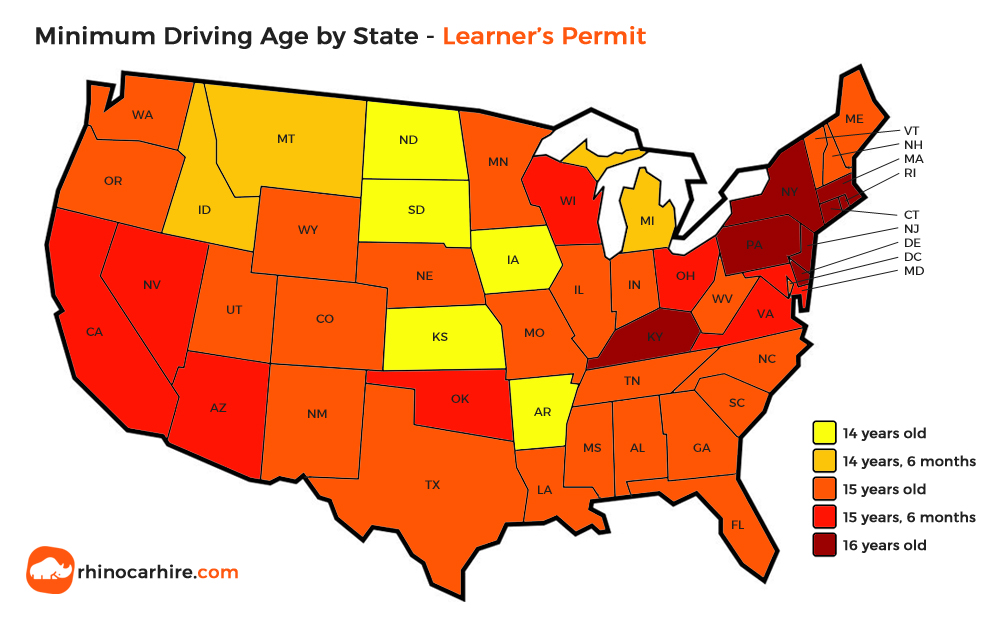
In Florida, the absolute minimum age to apply for a Class E Learner’s Permit is 15 years old. This age threshold is a critical starting point in the graduated licensing system, acknowledging that while teenagers may be physically capable of operating a vehicle, they still require extensive training and supervision to become safe and responsible drivers. Beyond age, applicants must also meet several eligibility criteria. They must be able to demonstrate their identity, residency, and social security number. For those under 18, parental consent is mandatory, underscoring the family’s role in this significant life event. The state requires a parental consent form to be signed and notarized, solidifying the commitment from both the applicant and their guardian to adhere to the driving regulations. This early stage is not just about learning to drive a car; it’s about learning the immense responsibility that comes with operating a vehicle, setting a precedent for a safe driving lifestyle.
Application Process: What You Need
Applying for a learner’s permit involves more than just showing up at a Florida Department of Highway Safety and Motor Vehicles (DHSMV) service center; it requires careful preparation. Applicants must provide primary identification (e.g., U.S. birth certificate, valid U.S. passport), proof of social security number (e.g., social security card), and two proofs of residential address (e.g., utility bill, school transcript). For minors, a parent or legal guardian must accompany them and provide their own identification. Additionally, all applicants for a first-time Florida driver’s license (including learner’s permits) must complete a Traffic Law and Substance Abuse Education (TLSAE) course. This four-hour course covers critical topics such as the effects of alcohol and drugs on driving, Florida traffic laws, and safe driving practices, emphasizing a responsible and informed approach to driving that is integral to a safe community lifestyle. This comprehensive preparation ensures that future drivers are not only legally compliant but also mentally equipped for the challenges of the road.
The Written Knowledge Exam
A pivotal hurdle in obtaining the learner’s permit is the written knowledge exam. This test assesses the applicant’s understanding of Florida traffic laws, road signs, and safe driving practices. Comprising 50 multiple-choice questions, applicants must correctly answer at least 40 questions (80%) to pass. The exam can be taken at a DHSMV service center or, for eligible minors, through an approved online provider. Thorough preparation, typically involving studying the official Florida Driver Handbook, is essential. Passing this exam demonstrates a fundamental grasp of the rules, laying a theoretical foundation upon which practical driving skills can be built. Beyond the written test, applicants must also pass a vision and hearing test, ensuring they possess the necessary sensory capabilities to operate a vehicle safely. Successfully navigating these tests is a rewarding achievement, marking a tangible step forward in an individual’s journey towards independence and an expanded lifestyle.
Restrictions for Learner’s Permit Holders
While the learner’s permit grants driving privileges, these come with significant restrictions designed to ensure safety during the supervised learning phase. Most importantly, a learner’s permit holder must always be accompanied by a licensed driver who is at least 21 years old and occupies the front passenger seat. This supervisor must be alert and capable of taking control of the vehicle if necessary. Furthermore, learner’s permit holders are restricted from driving between the hours of 10:00 p.m. and 6:00 a.m. This curfew aims to minimize driving during higher-risk periods, such as late nights when visibility is reduced and fatigue might be a factor. The purpose of these restrictions is clear: to provide a controlled environment for new drivers to accumulate at least 50 hours of supervised driving experience, including 10 hours at night, before progressing to less restricted licenses. Adherence to these rules is not just a legal requirement but a crucial aspect of responsible driving education that shapes a safe driving lifestyle from the outset.
The Intermediate License: Gradual Independence
After successfully navigating the learner’s permit phase, the next significant milestone in Florida’s graduated driver licensing program is obtaining the Class E Intermediate Driver’s License. This stage represents a crucial transition, granting young drivers more independence while still maintaining certain restrictions to promote continued safe driving practices. It’s a phase that significantly broadens personal lifestyle options, allowing for greater mobility and participation in community activities, but with a continued emphasis on safety and responsibility.
Age for Intermediate License
To be eligible for a Class E Intermediate Driver’s License in Florida, an applicant must be at least 16 years old. This age requirement ensures that drivers have gained a sufficient level of maturity and driving experience before being granted more autonomy on the road. The gap between the learner’s permit at 15 and the intermediate license at 16 is intentionally designed to allow for a full year of supervised practice under varied conditions, reinforcing learned skills and instilling good habits. This progression reflects a carefully considered approach to developing responsible drivers, recognizing that a year of practical experience is invaluable for handling the complexities of driving.
Driving Experience Requirements
Beyond the age requirement, applicants for an intermediate license must satisfy specific driving experience criteria. The state mandates that individuals must have held their learner’s permit for at least 12 months without any traffic convictions. This extended period of holding a permit is critical for accumulating the necessary practical experience. Additionally, applicants must certify that they have completed at least 50 hours of supervised driving experience, with 10 of those hours occurring at night. This supervised practice should encompass a variety of driving conditions, including urban, rural, and highway settings, preparing the driver for diverse real-world scenarios. This comprehensive training helps to solidify skills and build confidence, which are vital components of a safe and independent lifestyle on the road.
Road Skills Test
The road skills test is the practical examination that assesses an applicant’s ability to safely and competently operate a motor vehicle. Administered by a DHSMV examiner, this test evaluates various maneuvers, including turns, stops, parallel parking, three-point turns, backing up, and maintaining proper lane positioning. The test also gauges the applicant’s adherence to traffic laws, use of signals, observation skills, and overall control of the vehicle. It’s crucial for applicants to bring a vehicle that is in safe operating condition and properly insured. Failing the road test means retesting, reinforcing the importance of being fully prepared. Successfully passing this test is a significant achievement, validating the practical skills acquired during the learner’s permit phase and confirming readiness for the next level of driving independence.
Intermediate License Restrictions
While the intermediate license grants more freedom than a learner’s permit, it still comes with specific restrictions tailored to young drivers. These restrictions are in place to continue promoting safety during a period when drivers are still relatively new to independent driving and statistical data shows higher risk.
- For 16-year-olds: They are restricted from driving between 11:00 p.m. and 6:00 a.m., unless they are accompanied by a licensed driver who is at least 21 years old, or unless driving to or from work.
- For 17-year-olds: The curfew shifts slightly, restricting driving between 1:00 a.m. and 5:00 a.m., with the same exceptions for accompaniment or travel to/from work.
These graduated curfews are designed to progressively increase driving autonomy as the driver gains more experience and maturity. Adhering to these restrictions is not just about legal compliance; it’s about developing a responsible driving ethos that prioritizes safety for oneself and others, a cornerstone of a mature and considerate lifestyle within the community.
Full Driver’s License: Unrestricted Driving
The ultimate goal of Florida’s graduated driver licensing program is to transition young drivers to a full, unrestricted Class E Driver’s License. This final stage represents complete driving independence, signifying that the individual has demonstrated the necessary skills, experience, and maturity to operate a vehicle without the previous limitations of the learner’s permit or intermediate license. Achieving a full license is a monumental lifestyle achievement, unlocking unparalleled freedom of movement and access to opportunities across the Sunshine State, from the bustling streets of Miami to the serene landscapes near Tallahassee.
When Can You Get It?
In Florida, a driver becomes eligible for a full, unrestricted Class E Driver’s License once they turn 18 years old, or upon turning 17 years old if they have held their intermediate license for at least 12 months without any traffic convictions. This dual pathway acknowledges both age-based maturity and a demonstrated track record of safe driving behavior. The program’s design ensures that drivers either mature naturally through age or prove their responsibility through an extended period of incident-free driving. This policy reflects a balanced approach, prioritizing public safety while recognizing individual readiness. The attainment of a full license significantly enhances one’s lifestyle, removing the remaining curfews and allowing for spontaneous travel and engagement in various activities without the previous time constraints.
Transitioning from Intermediate License
The transition from an intermediate license to a full driver’s license is generally straightforward, assuming all requirements have been met. For those turning 18, the intermediate license automatically converts to a full license without requiring an additional test or application, provided there are no active suspensions or revocations on their driving record. If the driver is 17 and has held their intermediate license for at least 12 months with a clean record, they can visit a DHSMV service center to have the restrictions removed from their license. While no new tests are required at this stage, it is always a good practice for drivers to review the Florida Driver Handbook periodically to stay updated on traffic laws and best practices. The removal of restrictions signifies a complete trust in the driver’s ability to make responsible decisions on the road, empowering them to fully integrate driving into their adult lifestyle.
Important Considerations for Florida Drivers
Navigating the path to a driver’s license in Florida involves more than just passing tests and waiting for age milestones; it also encompasses a broader set of considerations that impact safety, financial responsibility, and adherence to legal frameworks. For individuals and families establishing a lifestyle in urban centers like Orlando or Tampa, or even in the sprawling suburbs of Jacksonville, understanding these additional facets is paramount to a well-rounded and responsible driving experience.
Driver Education Courses
While mandatory for first-time permit applicants (the TLSAE course), continued driver education beyond this initial requirement is highly recommended. Many high schools and private driving schools in Florida offer advanced driving courses or behind-the-wheel training that can significantly enhance a new driver’s skills and confidence. These courses often cover defensive driving techniques, hazard recognition, and practical maneuvers that might not be extensively tested during the standard road skills exam. For parents, enrolling their teens in such programs can offer peace of mind, knowing their child is receiving professional instruction beyond the minimum state requirements. This proactive approach to education contributes positively to a lifestyle focused on continuous improvement and safety.
Insurance Implications
Obtaining a driver’s permit or license in Florida has direct and significant implications for automobile insurance. Adding a new, young driver to an existing family policy typically results in a substantial increase in premiums due to the higher statistical risk associated with inexperienced drivers. Florida law requires all registered vehicles to have personal injury protection (PIP) and property damage liability (PDL) insurance. It’s crucial for families to research and understand their insurance options, looking for potential discounts for good grades, driver education course completion, or vehicles with safety features. Understanding these financial aspects is an integral part of managing the household lifestyle budget when a new driver enters the picture.
Parental Responsibility
For parents and legal guardians, the role extends far beyond merely signing consent forms. Florida has a “parental responsibility” clause in its laws, which can hold parents financially liable for damages caused by their minor children while driving. This legal framework underscores the importance of active parental involvement in supervising and guiding their children’s driving habits, especially during the learner’s permit and intermediate license stages. Establishing clear rules, consistently enforcing curfews and passenger restrictions, and providing ample opportunities for supervised practice are critical. Open communication about the responsibilities of driving and the potential consequences of risky behavior is vital for fostering safe habits that will last a lifetime, shaping a responsible family lifestyle.
Moving to Florida with an Out-of-State Permit
Individuals moving to Florida who possess a valid out-of-state learner’s permit face specific regulations. Generally, Florida will recognize valid out-of-state permits, but the individual must still adhere to Florida’s GDL requirements regarding age, supervised driving hours, and other restrictions when applying for a Florida license. It’s advisable for new residents to contact the DHSMV directly to confirm the exact process and required documentation for transferring their driving status. This often involves surrendering the out-of-state permit, completing any unfulfilled Florida-specific requirements (like the TLSAE course if not previously taken), and then proceeding with the Florida licensing stages. Understanding these nuances is essential for seamlessly integrating into the local lifestyle and ensuring legal driving status.

Conclusion
Obtaining a driver’s permit in Florida is a structured journey designed to foster safe and responsible drivers, deeply impacting the personal lifestyle of young individuals and their families. From the initial learner’s permit at age 15, through the intermediate license phase with its graduated restrictions, and finally to the full, unrestricted Class E license, each step is carefully calibrated to build experience, reinforce good habits, and instill a profound sense of responsibility. This phased approach, managed by the Florida Department of Highway Safety and Motor Vehicles, ensures that new drivers are not only legally compliant but also mentally and practically prepared for the complexities of the road.
Beyond the legal ages and requirements, the process represents a significant lifestyle transformation. It signifies increasing independence, greater mobility, and enhanced access to education, employment, and social opportunities across the diverse landscapes of the Sunshine State. Whether navigating the vibrant urban scenes of Miami, the tourist hubs of Orlando, the coastal beauty of Tampa, or the northern expanse of Jacksonville, a driver’s license unlocks the ability to truly experience and engage with all that Florida has to offer. By understanding and adhering to the guidelines, young drivers in Florida are empowered to embark on a journey of responsible driving, contributing to safer roads and a more connected community lifestyle for everyone.
LifeOutOfTheBox is a participant in the Amazon Services LLC Associates Program, an affiliate advertising program designed to provide a means for sites to earn advertising fees by advertising and linking to Amazon.com. Amazon, the Amazon logo, AmazonSupply, and the AmazonSupply logo are trademarks of Amazon.com, Inc. or its affiliates. As an Amazon Associate we earn affiliate commissions from qualifying purchases.