
For many retirees, the allure of settling down in the American South is driven by a desire for a lower cost of living, warmer climates, and the rich cultural heritage found in states like Mississippi. Whether you are dreaming of a porch-front home in Natchez or a modern residence near the bustling streets of Jackson, understanding the financial implications of long-term property ownership is essential. A common question among those planning their golden years is whether there is a specific age at which property taxes cease. While the reality is more nuanced than a total exemption, Mississippi offers robust protections through its Homestead Exemption program that significantly lighten the tax burden for senior citizens.

Understanding the Homestead Exemption for Seniors
In Mississippi, you do not reach a specific “magic age” where property taxes are eliminated entirely. Instead, the state provides a specialized classification for taxpayers who are 65 years of age or older, or who are totally disabled. This designation offers a significant reduction in the assessed value of a primary residence, which serves as the primary mechanism for lowering annual tax obligations for retirees.
How the Exemption Works
The standard Homestead Exemption available to all qualified homeowners provides some relief, but the senior-specific exemption—often referred to as the “age 65 or older” exemption—is more generous. By filing for this status, homeowners can qualify for an exemption on the first $75,000 of the assessed value of their home. Because property taxes are calculated based on the assessed value (which is a fraction of the fair market value), this $75,000 reduction can effectively remove a significant portion, or sometimes the entirety, of the school tax portion of a homeowner’s bill.
Filing Requirements and Deadlines
To take advantage of these savings, homeowners must act proactively. The filing period for Homestead Exemptions typically runs from January 1 through April 1 of each year. Failure to file within this window often results in a loss of the exemption for that tax year. Documentation is key; when applying at the local county tax assessor’s office, you will need to provide:
- Proof of age (such as a valid driver’s license or birth certificate).
- Evidence of property ownership.
- Confirmation that the property serves as your primary legal residence.
Geography and Local Tax Variations
While the state of Mississippi sets the framework for these exemptions, the actual dollar amount you pay in property taxes varies considerably based on your specific location. Different counties and municipalities—such as Biloxi along the Gulf Coast or the historic university town of Oxford—have different millage rates. These rates are determined by local school districts, city councils, and county boards of supervisors.
Coastal Living vs. Inland Estates
If you are considering a retirement property near Ocean Springs, you might find that the proximity to the coast influences insurance premiums and local tax levies differently than an inland property in Vicksburg. Because local governments rely on property taxes to fund public services, parks, and infrastructure, the “net” tax bill after the senior exemption is applied will remain dependent on the local tax rate. Even with the $75,000 exemption, residents in areas with higher infrastructure development may pay slightly more than those in rural, unincorporated areas of the state.
The Role of Appraisal Districts
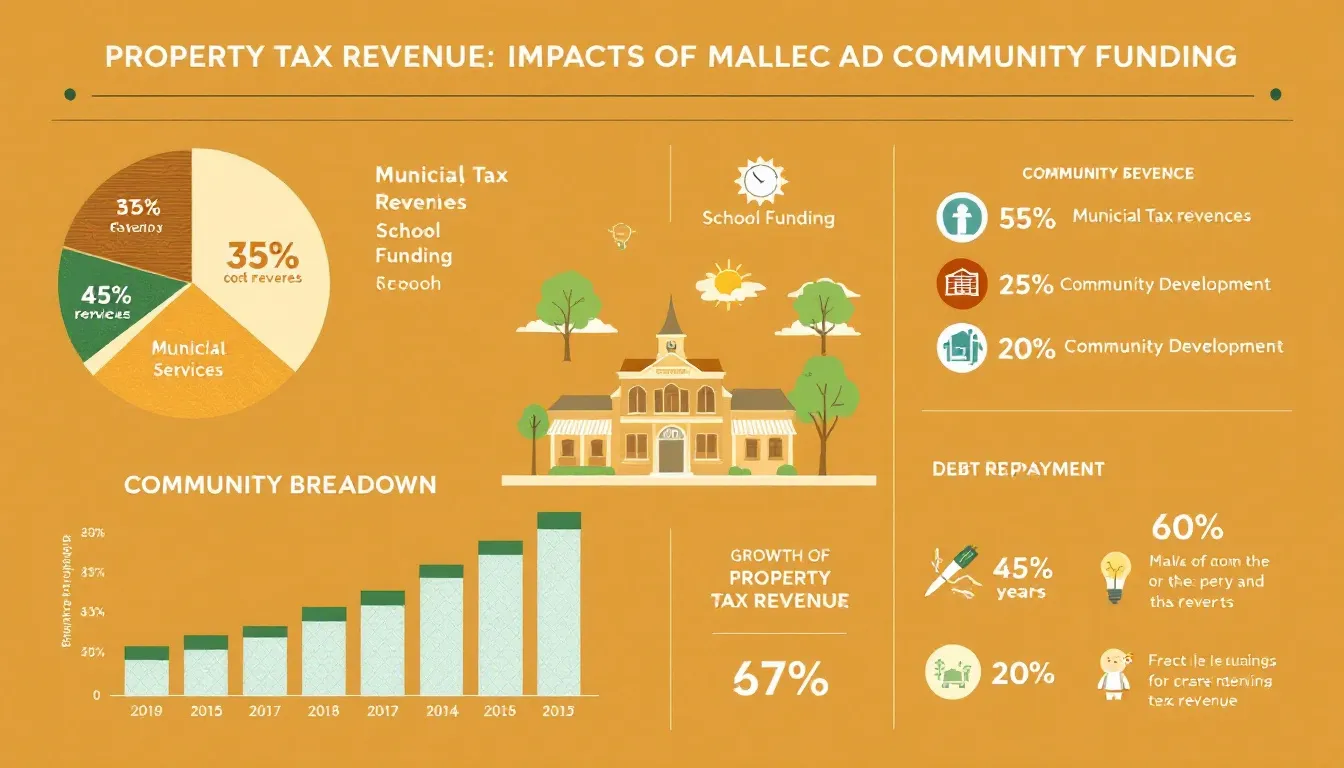
Property taxes are predicated on the appraised value of the home, which is determined by the county tax assessor. It is important to note that the senior exemption is applied to the assessed value, not the market value. As property values rise, the assessed value may also fluctuate, meaning that even with an exemption, your property tax bill could change slightly from year to year. Keeping an eye on your annual assessment notice is a vital habit for retirees on a fixed income.
Long-Term Planning for Retirees in the South
For those relocating to Mississippi, integrating property tax strategy into a broader financial plan is crucial. While the state is widely regarded as one of the most affordable places to live in the United States, there are several considerations beyond just the age-based tax exemption that will impact your lifestyle and monthly budget.
Factoring in Total Cost of Ownership
While the senior exemption helps, it is only one piece of the puzzle. Homeowners should also consider:
- Insurance Costs: Coastal regions may require specialized flood or wind insurance, which must be factored into the overall housing budget.
- Maintenance and Upkeep: Owning property in the humid climate of the Deep South requires diligent maintenance to preserve the value of the home.
- Investment in Community: Choosing a location like Starkville or Hattiesburg offers access to medical facilities and cultural events, which can improve quality of life while maintaining a predictable tax environment.
Professional Guidance
Navigating tax codes can be complex, and laws can occasionally shift. It is highly recommended that retirees consult with a local tax professional or financial advisor familiar with Mississippi real estate law. They can ensure that your homestead status is properly maintained and that you are taking full advantage of all available deductions. Furthermore, if you are looking to purchase a home, working with a local real estate agent can provide insights into which school districts or municipalities offer the most favorable long-term tax environments for those entering retirement.
Frequently Asked Questions About Property Tax Exemptions
When finalizing your plans to make Mississippi your permanent residence, you may have specific questions regarding eligibility and special circumstances.
Does the exemption apply to all property?
No. The Homestead Exemption, including the senior-specific version, applies strictly to your primary, legal residence. It does not apply to second homes, vacation properties, or investment rental properties. You must live in the home for which you are claiming the exemption.
What if I am disabled but under 65?
Mississippi law is inclusive in this regard. If you are determined to be totally disabled by the Social Security Administration or another authorized agency, you are generally entitled to the same $75,000 assessed value exemption as those who are 65 or older. This ensures that the state’s tax relief programs remain accessible to those who need them most, regardless of age.
Can the exemption be transferred?
If you decide to sell your home in a place like Greenville and move to a new residence within the state, you must re-file for the Homestead Exemption at your new location. The exemption does not automatically follow the homeowner; it is tied to the specific property and the owner’s status as a resident of that specific home.

Summary for Future Residents
While there is no specific age where property taxes reach zero in Mississippi, the state’s commitment to senior homeowners through the $75,000 assessed value exemption provides a meaningful buffer against rising costs. By understanding the filing requirements, staying informed about local millage rates, and maintaining your status as a legal resident of your primary home, you can enjoy the many benefits of life in the Magnolia State while keeping your financial obligations predictable and manageable. Embracing the Southern lifestyle involves both enjoying the charm of historic cities and making smart, informed decisions about your home and your future.
LifeOutOfTheBox is a participant in the Amazon Services LLC Associates Program, an affiliate advertising program designed to provide a means for sites to earn advertising fees by advertising and linking to Amazon.com. Amazon, the Amazon logo, AmazonSupply, and the AmazonSupply logo are trademarks of Amazon.com, Inc. or its affiliates. As an Amazon Associate we earn affiliate commissions from qualifying purchases.